Published June 17th, 2026 - 09:05 GMT
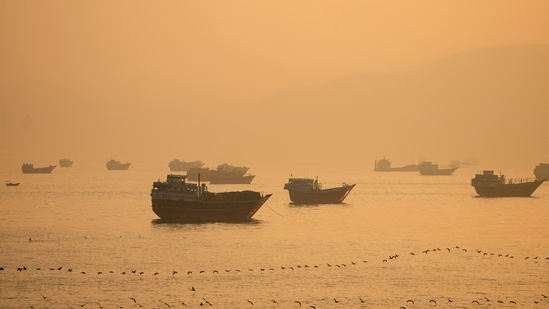
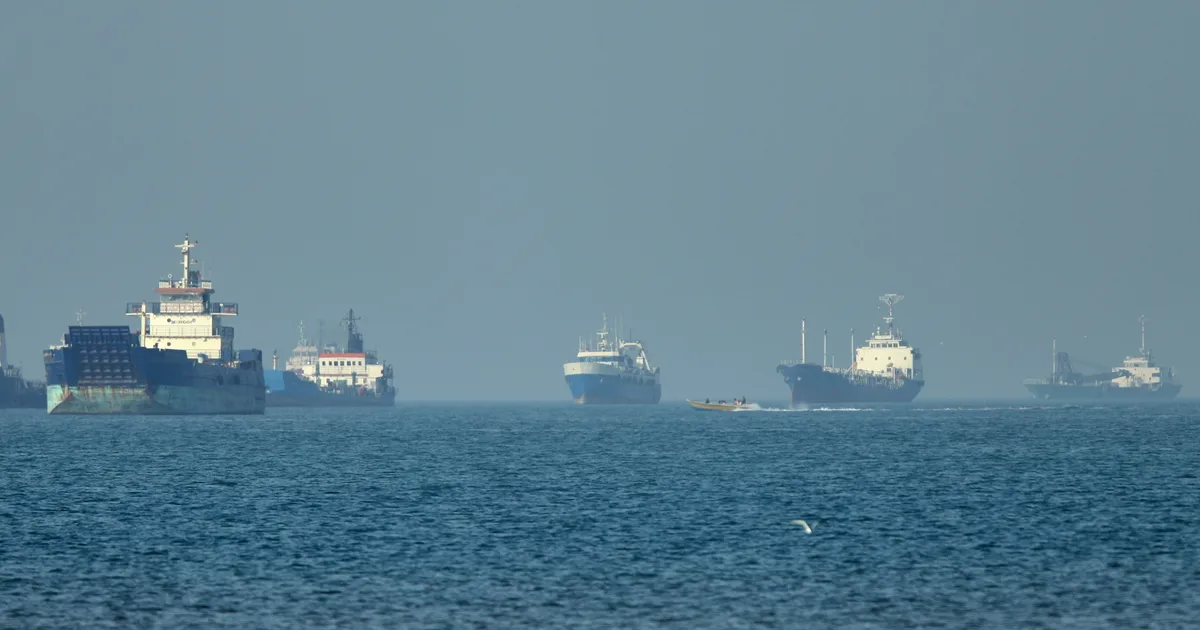
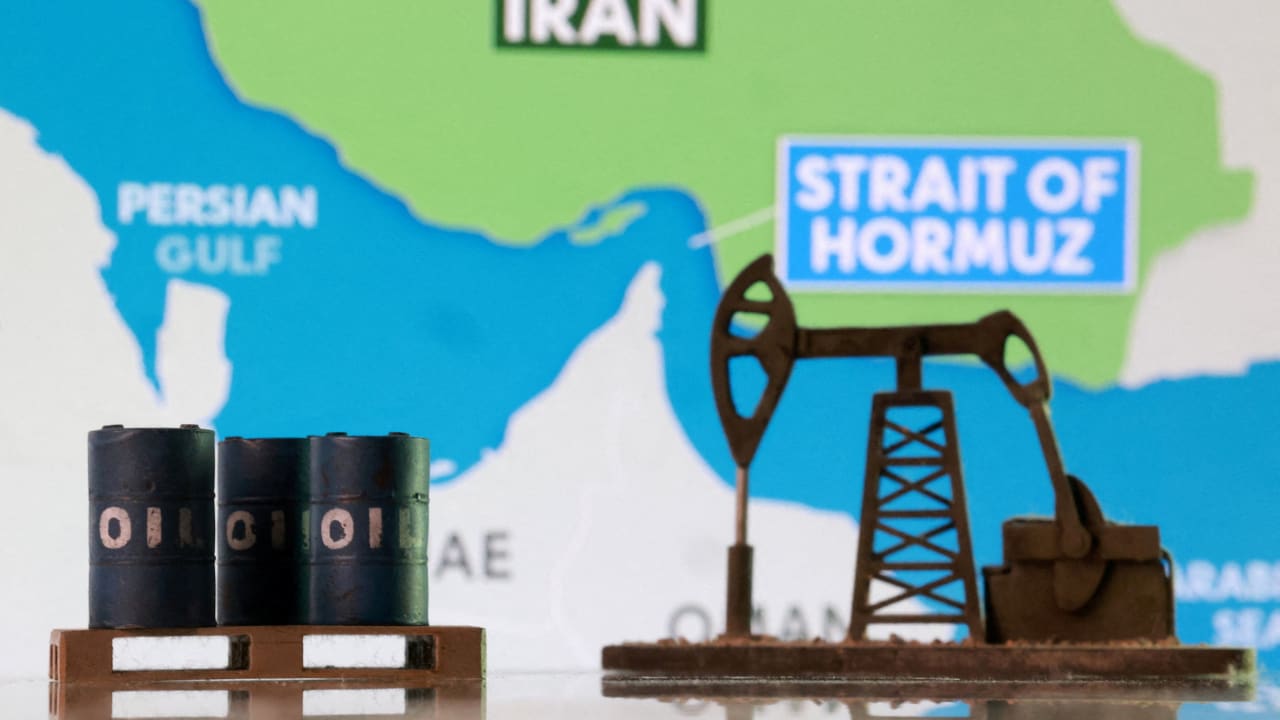
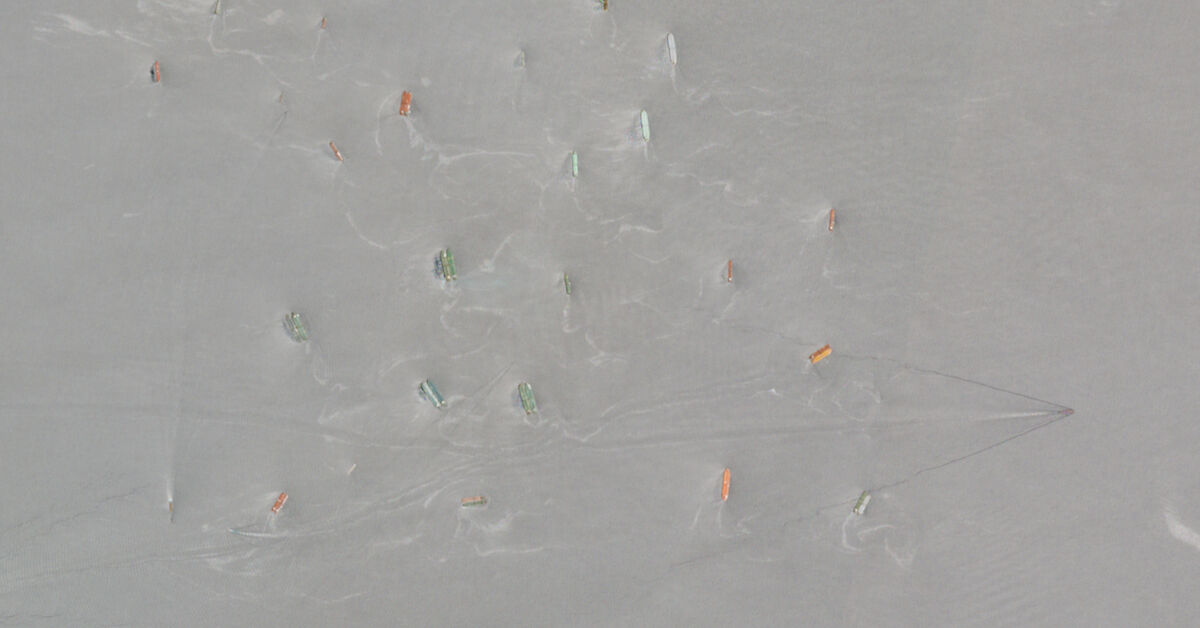
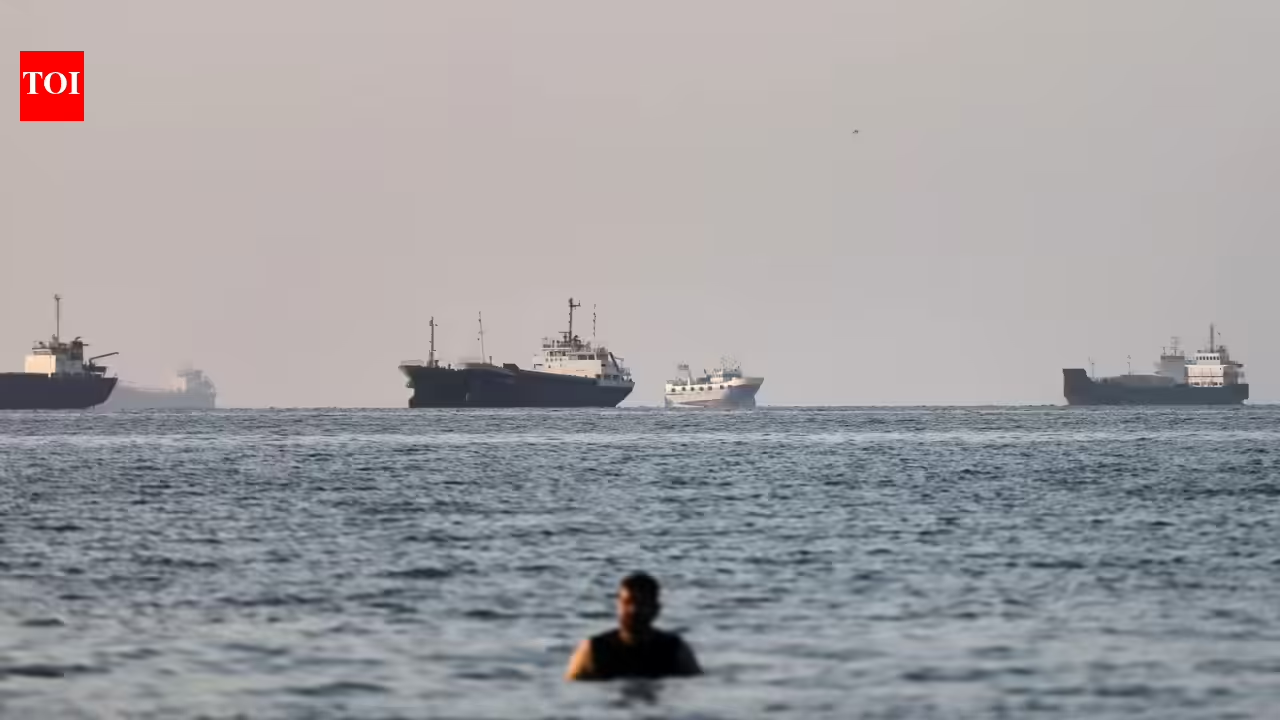
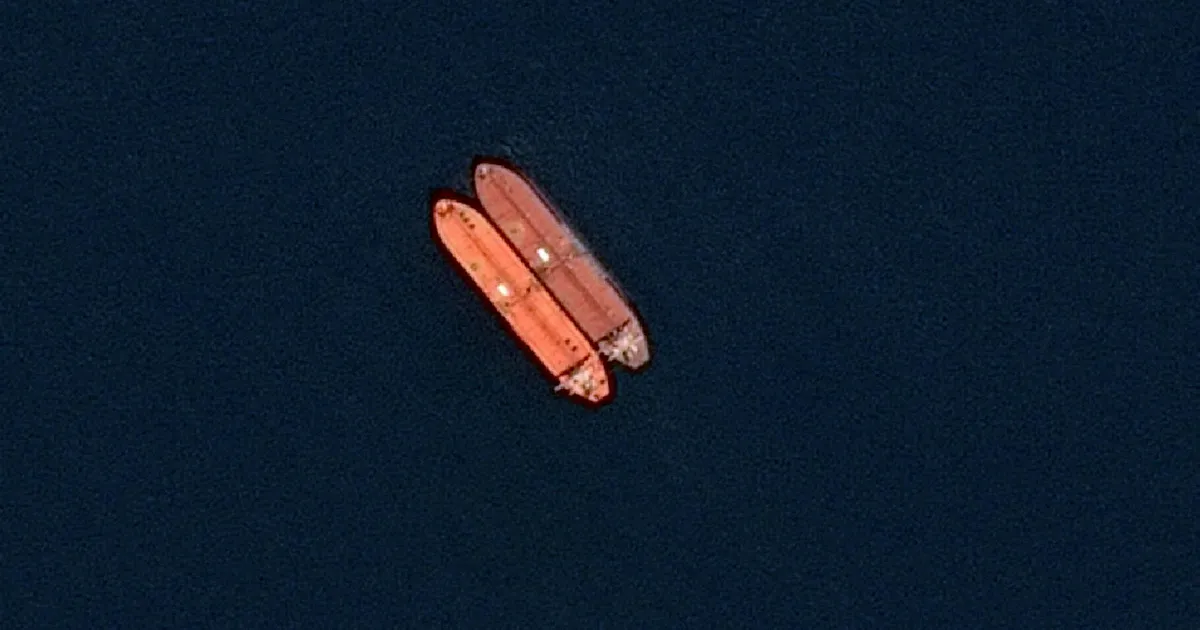
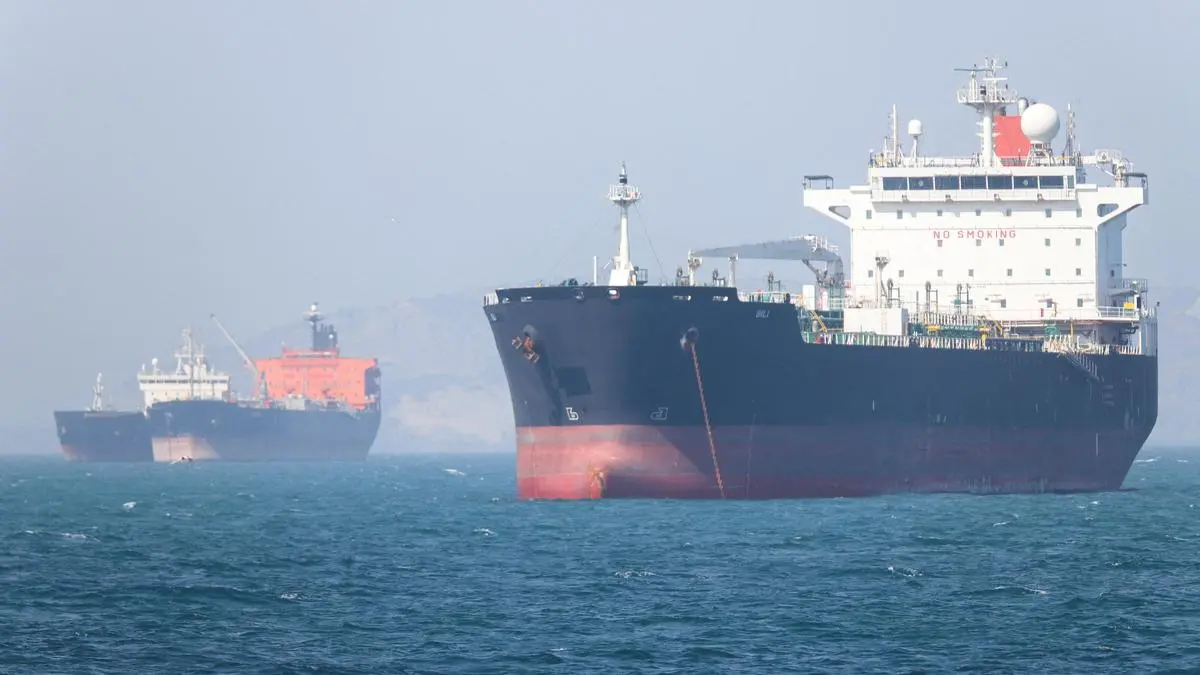
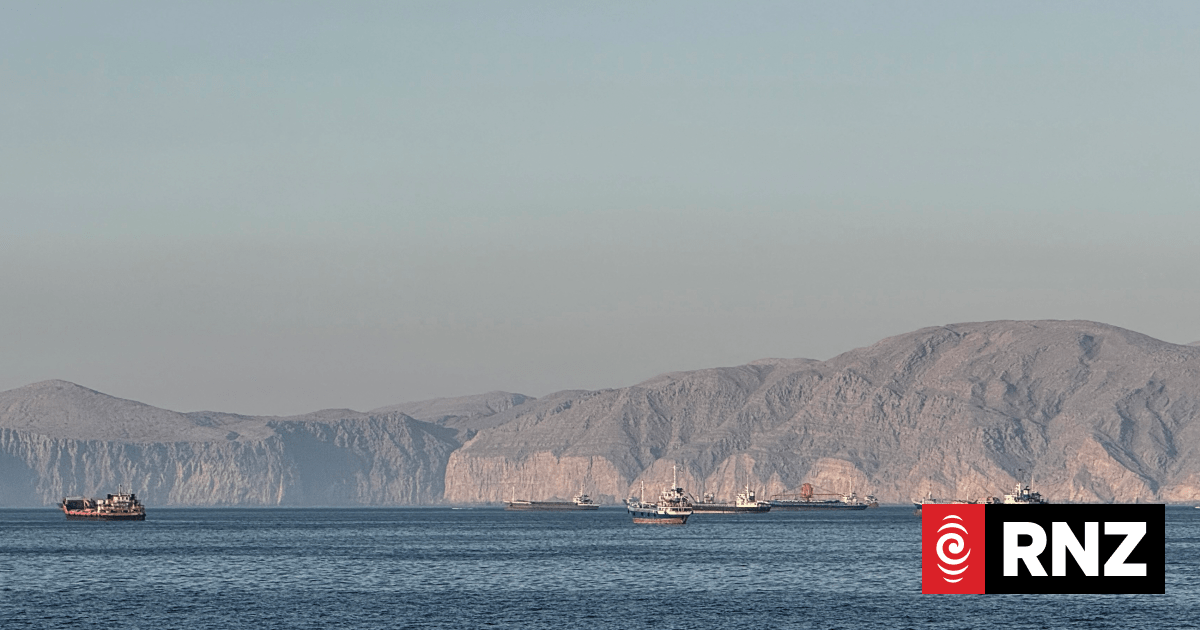
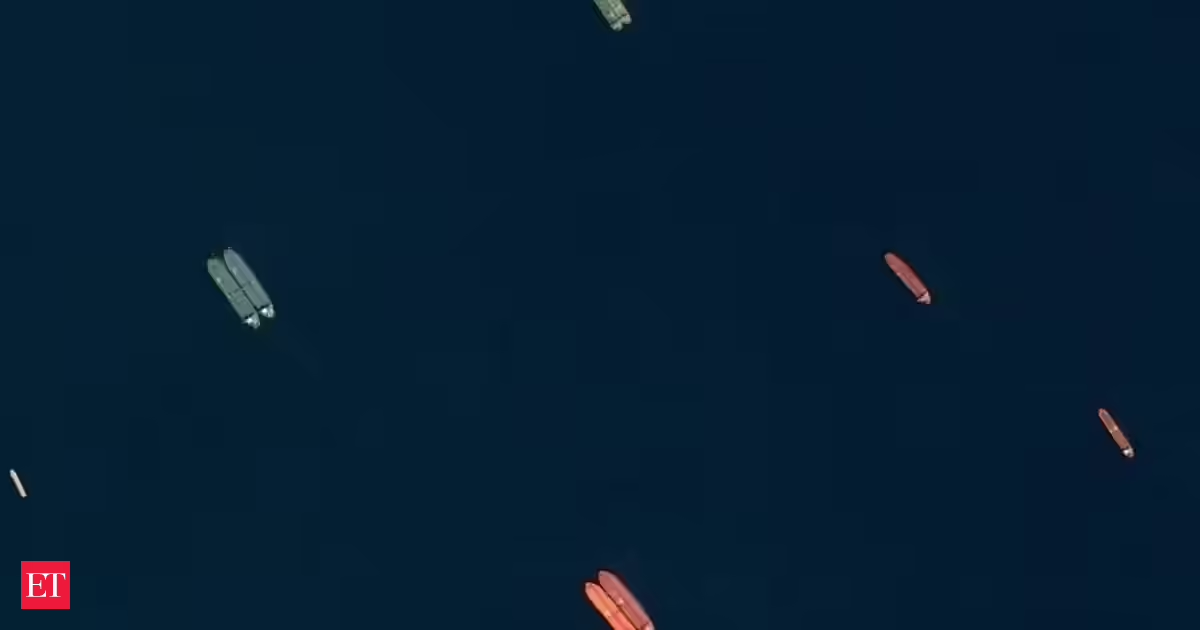
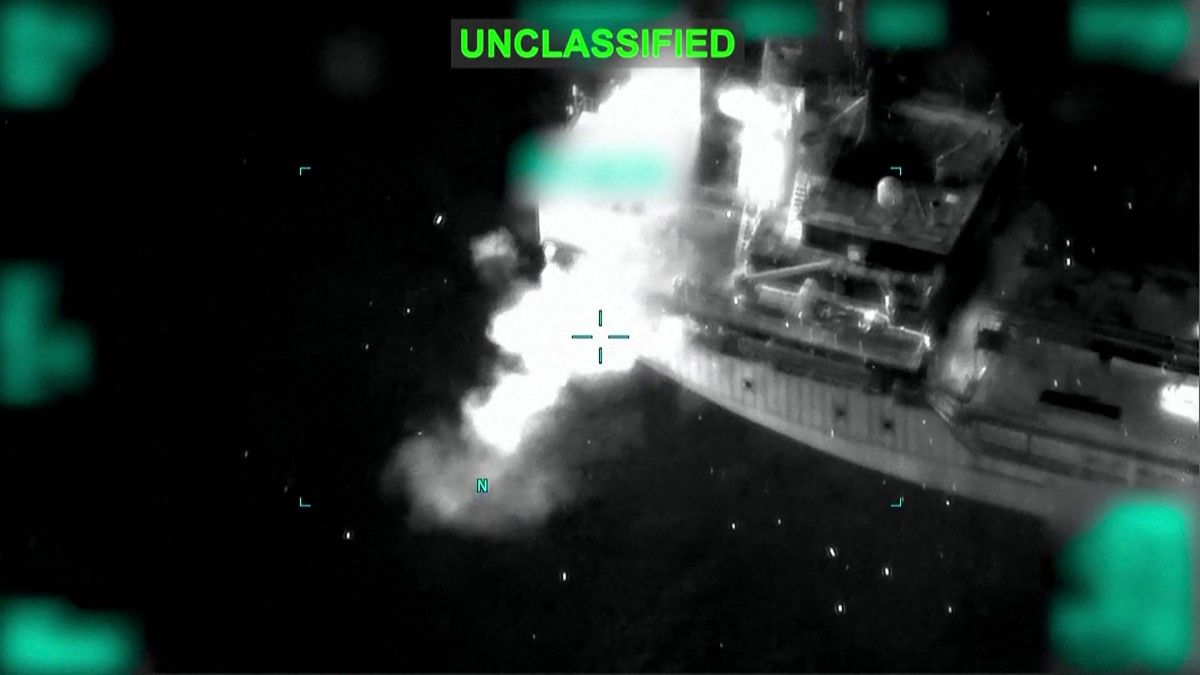
ALBAWABA - In an exclusive Reuters report, the U.S. has overseen and supported dozens of secretive ship-to-ship oil transfers, avoiding Iranian blockades and attacks.The method, used by Iran to avoid sanctions and blockades for years, involves transferring cargo between ships to mask its origin. In its simplest form, a ship would hand off its cargo to another ship on the way to the same destination with the transfers taking up to 24 hours to be done in the middle of the sea.The locations where the oil transfers took place in the Gulf of Oman were identified by 11 people familiar with the operation, according to the report. With one point being off the coast of Fujairah in the United Arab Emirates and the other off Oman’s port of Sohar. The operation involved at least 116 ships since it started in early May.In this picture obtained from Iran's ISNA news agency on June 1, 2026, vessels sail at Suru Beach in Bandar Abbas along the Strait of Hormuz. (AMIRHOSSEIN KHORGOOEI / ISNA / AFP)In the report, it was revealed that the U.S. Apache helicopter that was shot down on June 9 was involved in these ship-to-ship transfers, according to four sources, including a former U.S. official with knowledge of the attack, though details remain obscure as neither side wants to comment on the incident to avoid jeopardizing the peace deal.Prior to the transfer, when two ships are about 3,000-4,000 meters apart, they turn off their transponders and dim their lights before meeting; despite this, U.S. military waypoints monitor the progress of the designated tankers, and are "obviously watching you all the time," one of the sources said.The move remains risky, however, Noam Raydan, a senior fellow at Washington Institute who specializes in maritime risk and who reviewed Reuters’ findings commented: “You just don't know when Iran might just decide to start using drones or even gunboats in order to prevent even those ships from transiting the strait,”. Whether both sides are close to never having to use this method again, will be revealed this Friday in Geneva.