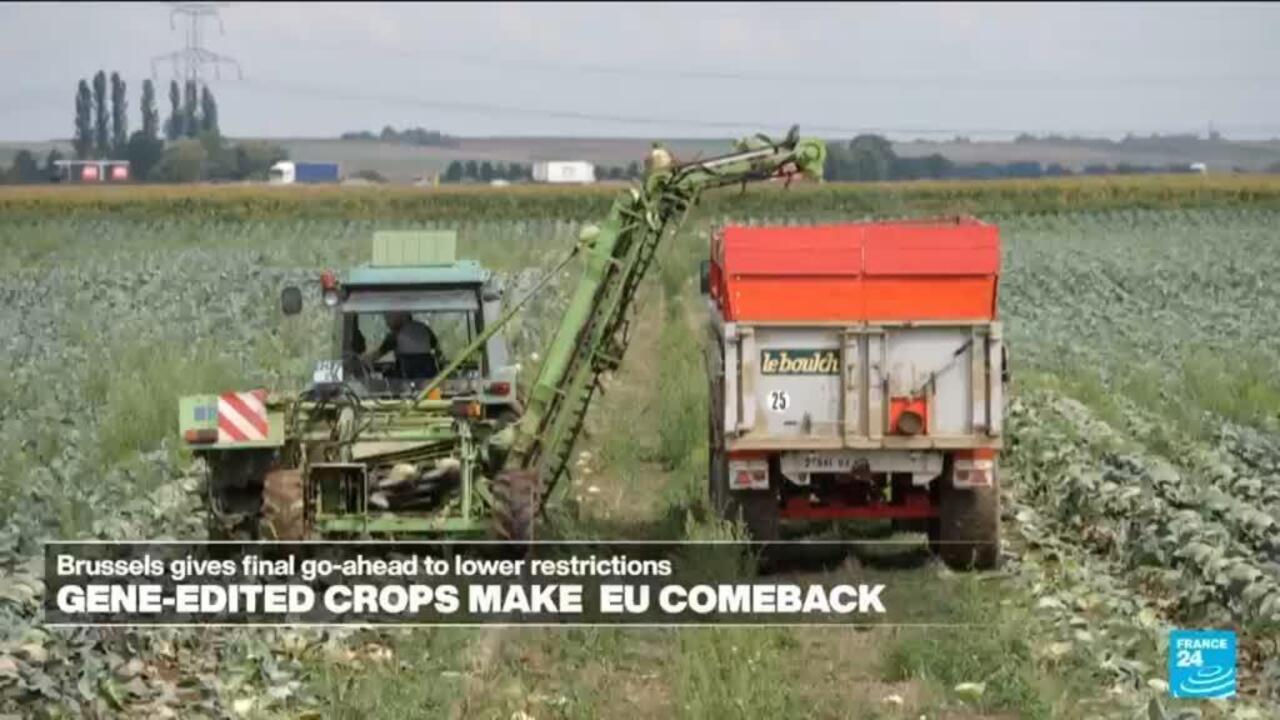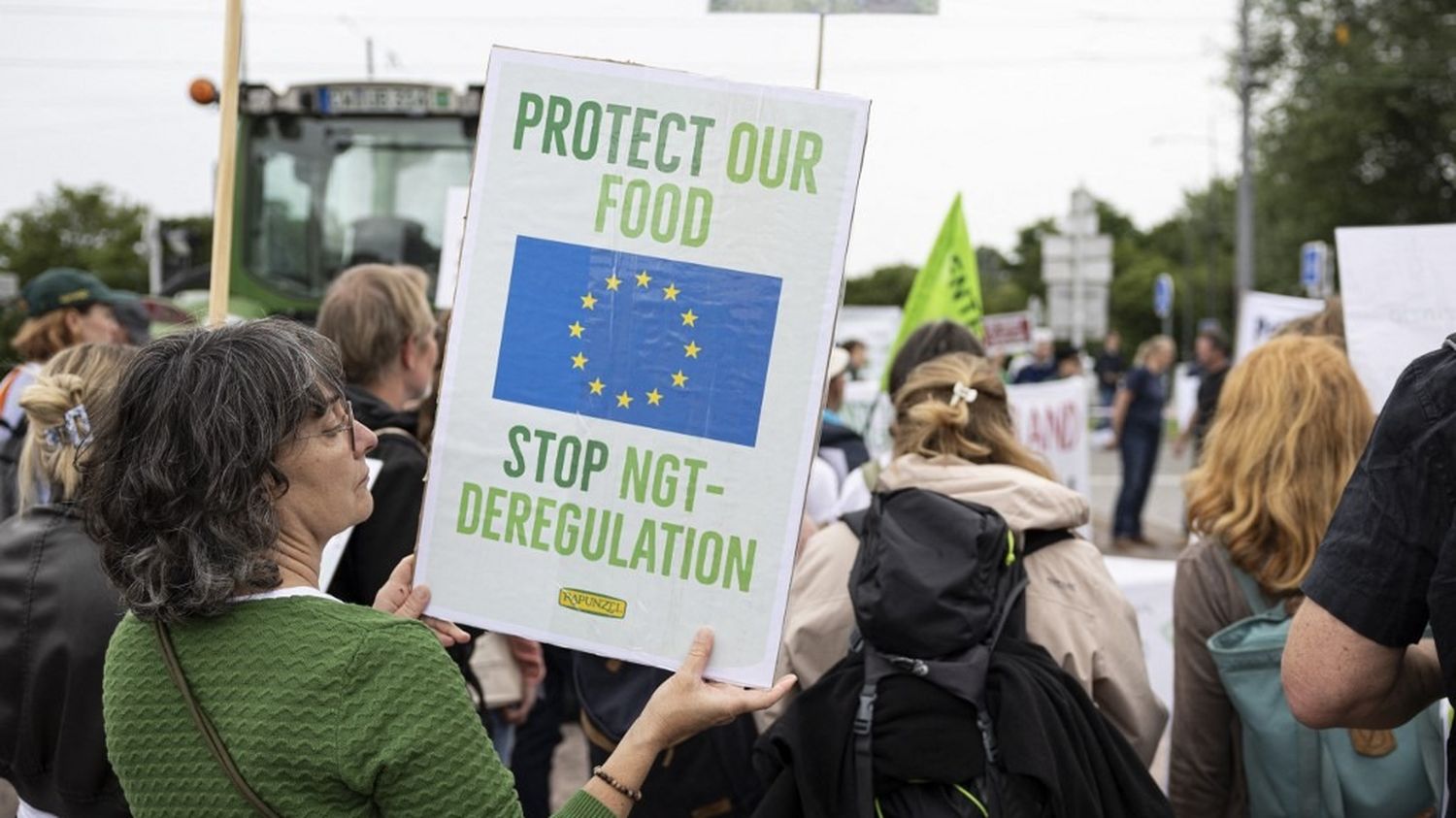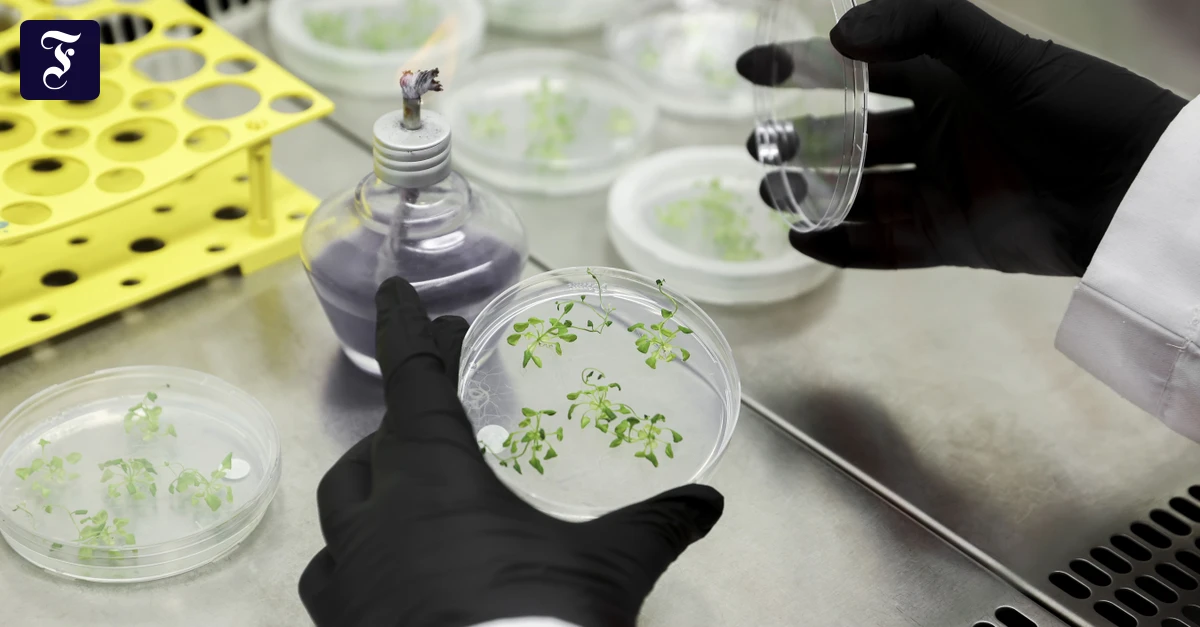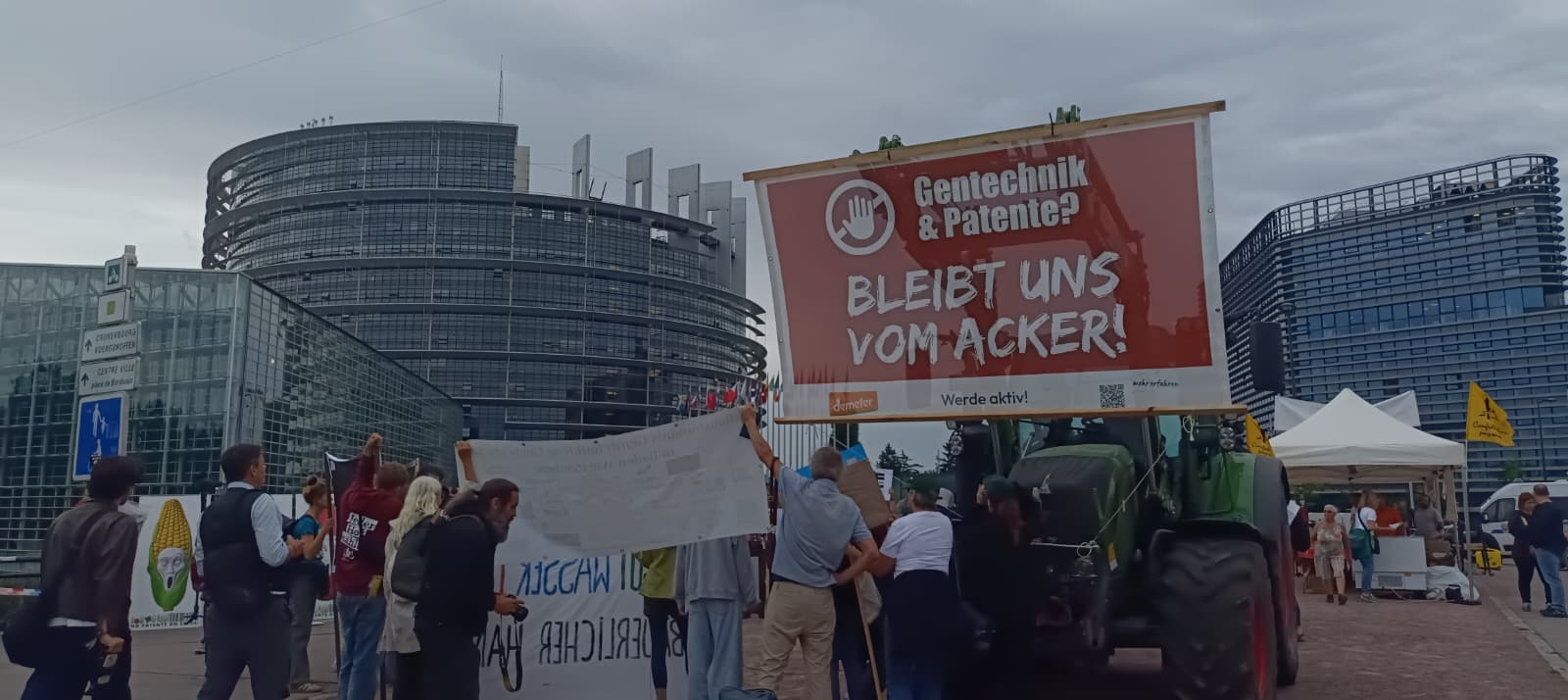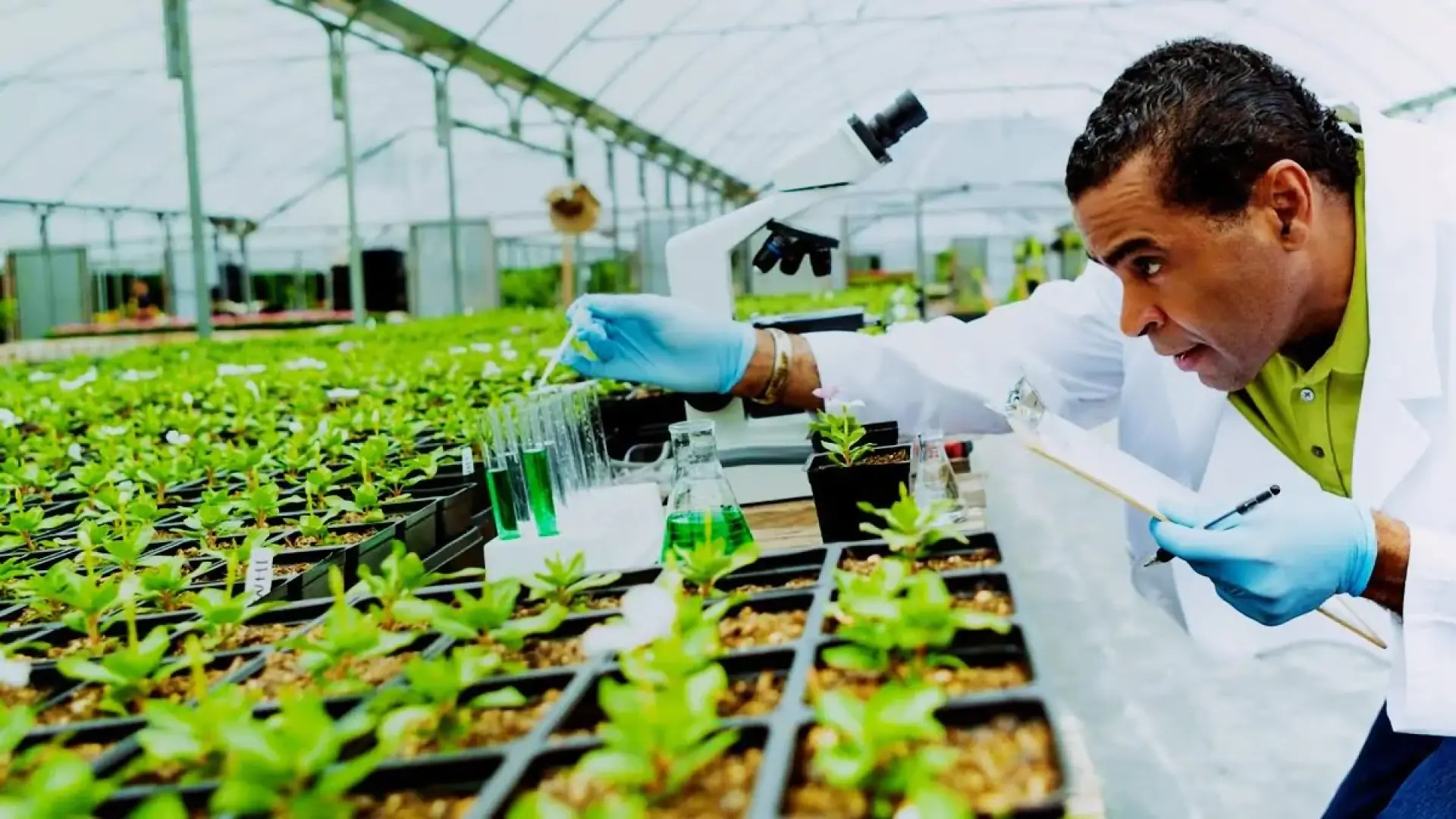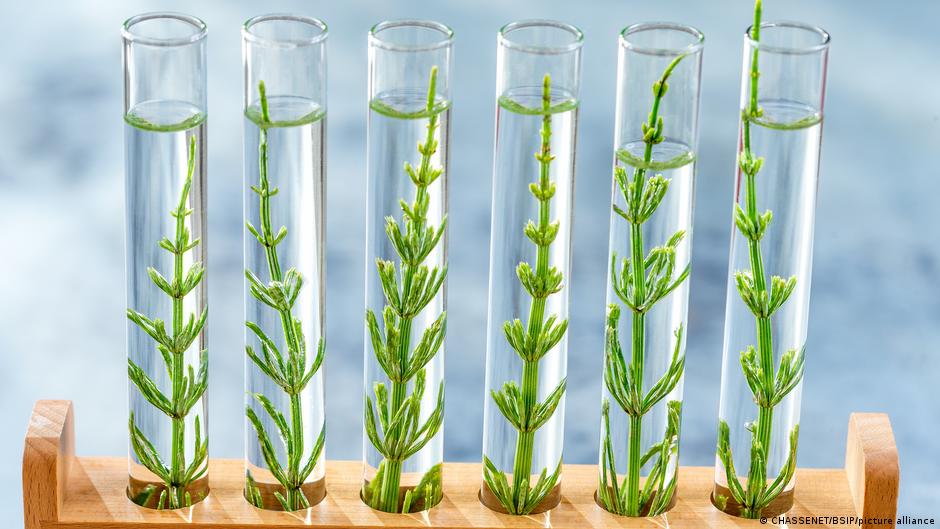
The European Parliament is expected to approve new rules to make it easier for farmers to grow crops, genetically edited using New Genomic Techniques (NGTs). The vote on NGTs is scheduled for Wednesday, June 17, 2026.
If so, it would mark a big policy shift. Brussels has maintained a cautious stance on Genetically Modified Organisms since its regulation of GMOs began in the 1990s.
From 'Frankenfoods' to CRISPR crops
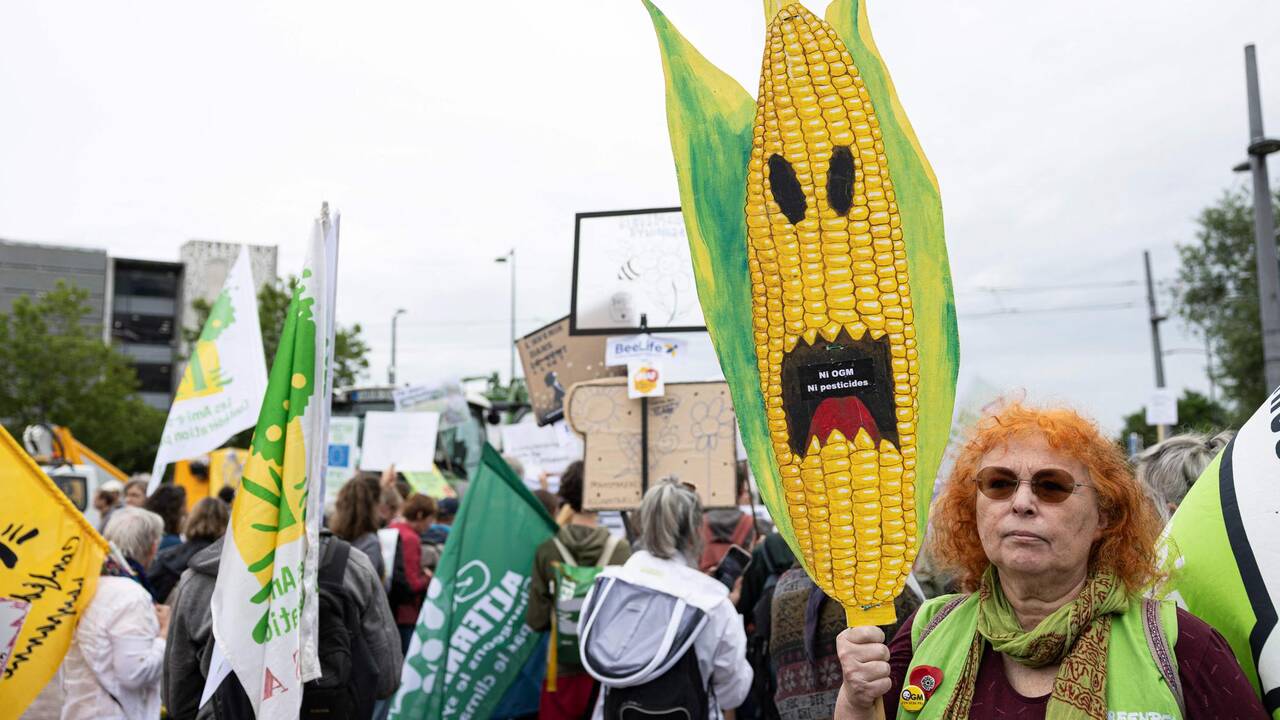
Thirty years ago, GMO agricultural products were often dubbed "Frankenstein foods" or "Frankenfoods." Environmentalists and certain members of the media warned that GMOs could cause allergic reactions, lead to antibiotic resistance, and other long-term health effects.
Critics argued that genetically modified seeds could increase corporate control over farmers, and that modified genes would leak into non-GM crops and the wider environment. And the European Union regulated the technology more tightly than many other parts of the world.