1 hour(s) ago
Refayet Ullah Mirdha
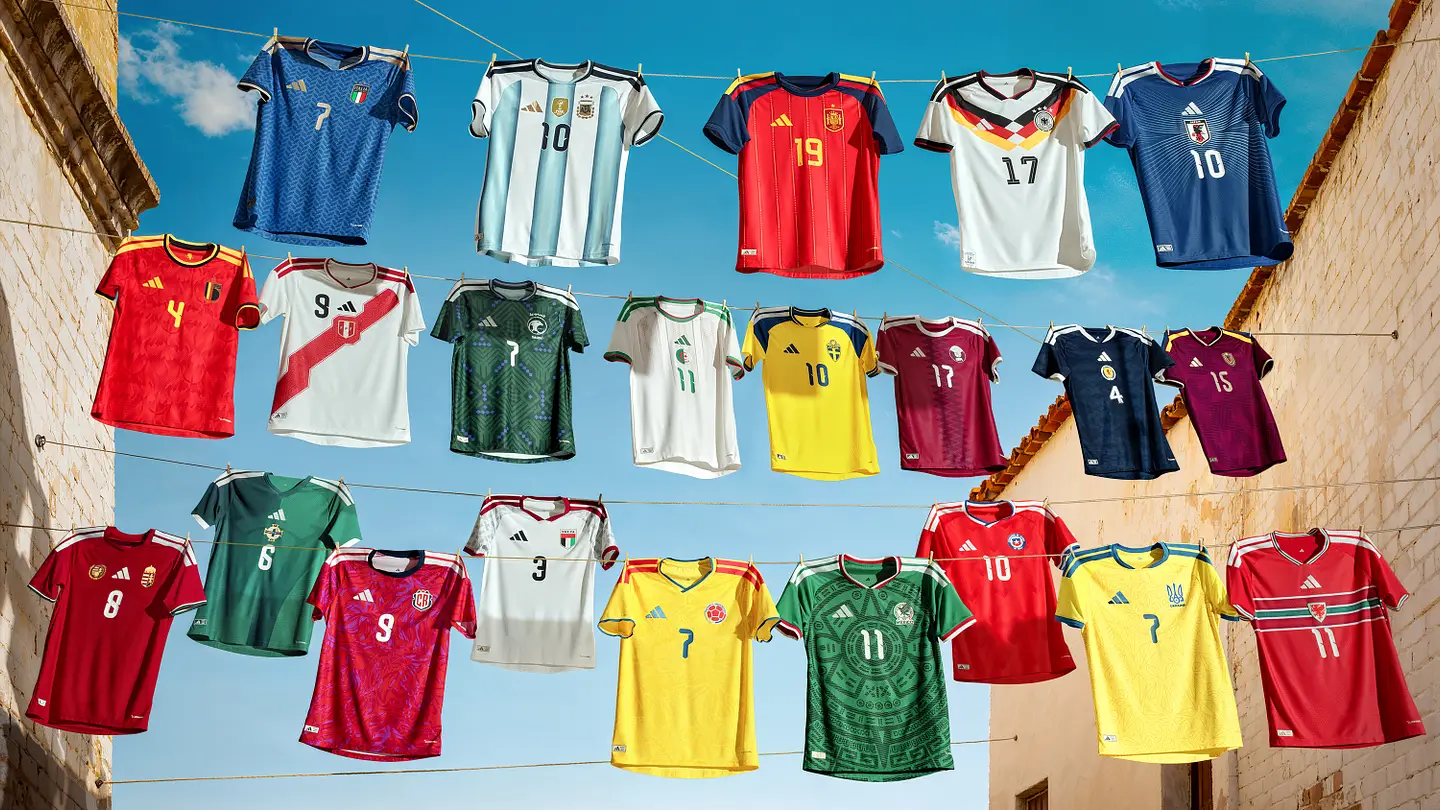
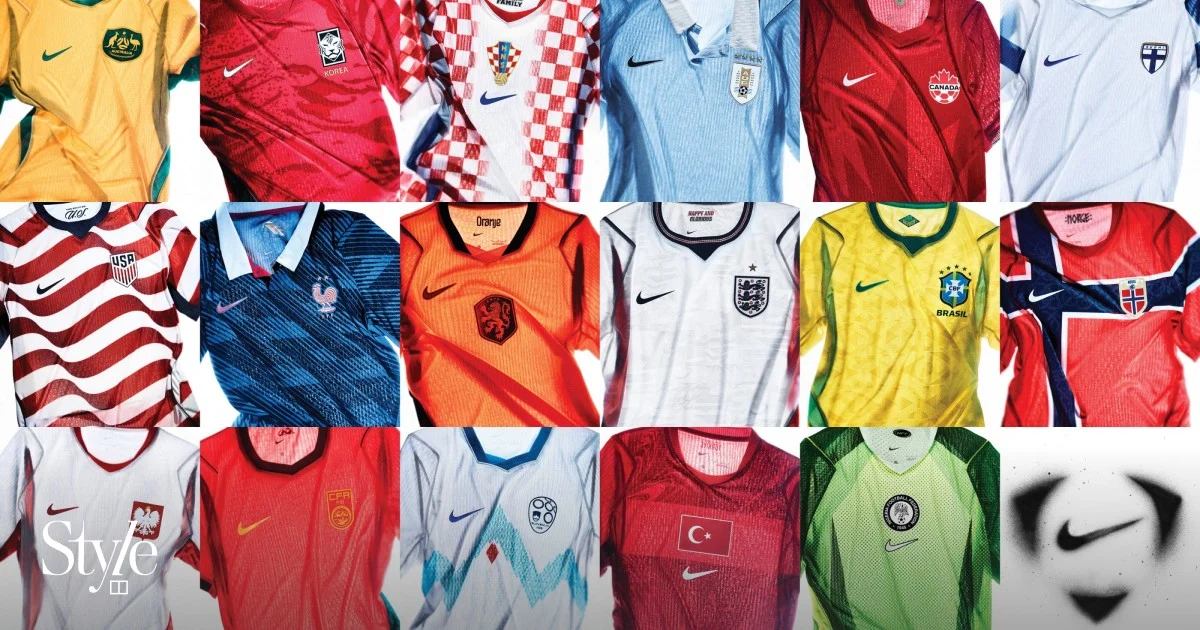
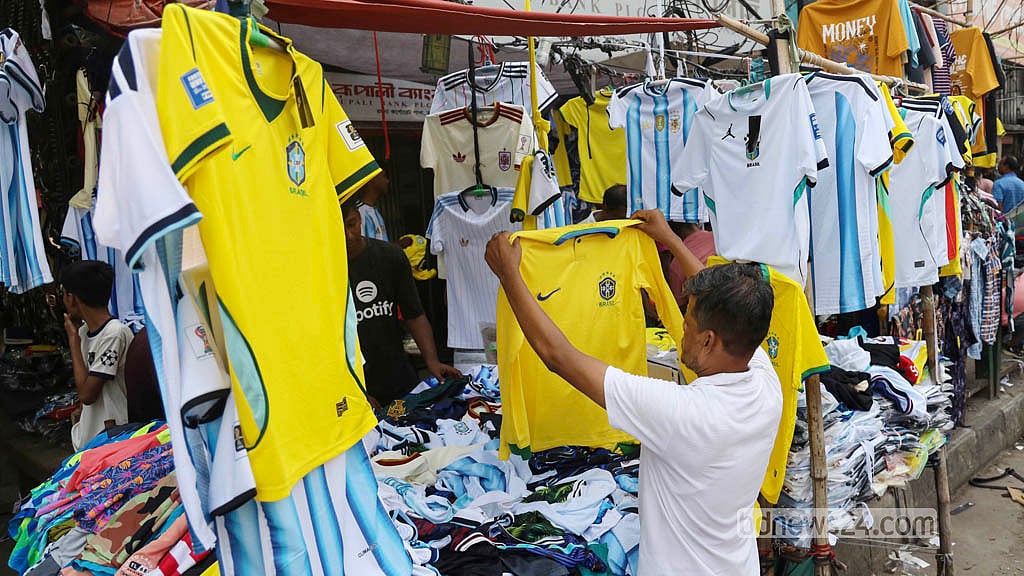
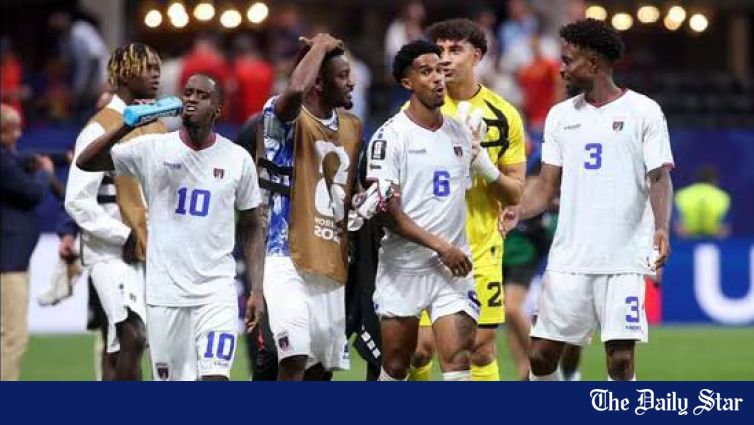
Although a Bangladeshi team is not taking part in the FIFA World Cup 2026, products “made in Bangladesh” have still made their way to football’s biggest stage.Jerseys manufactured in Bangladesh were worn by the Cape Verde national team during their World Cup debut match against Spain in Atlanta on Monday night, a game that ended in a draw.The jerseys were produced by the Garments Manufacturing and Assembling Ltd (GMA), a factory located in Dhaka’s Turag area. The company supplied 5,000 player jerseys through New York-based sportswear company Capelli Sport.“Not only the 5,000 jerseys for the players, but also 13,000 fan jerseys of different countries were exported through Capelli Sport,” GMA Manager Showmik Barmon told The Daily Star over the phone.Fan jerseys are sold to supporters in stadiums, while player jerseys are worn directly by national team players at the World Cup.GMA, established in 2019, has been producing sports garments and supplying them to Capelli Sport from the beginning, Barmon said.Capelli Sport placed the order in January this year, and GMA delivered the jerseys to Cape Verde in March. Each player’s jersey was sold at $8, he added.Barmon also said that making football jerseys requires Coolmax fabric, which is made from special yarn designed to reduce sweating during matches.Another local garment giant, Youngone Corporation, supplied the fabric to GMA after importing the special yarn.Although GMA has produced sports garments since its inception, this is the first time it has supplied player jerseys for a FIFA World Cup, he added.Bangladesh supplies jerseys for major global sporting events, including football and cricket World Cups and other international tournaments, and has built a strong position in the global garment industry with high production capacity, becoming one of the world’s leading apparel suppliers after China.Its garments have also become popular among European football fans, especially young supporters who travel to stadiums to watch club football and cricket matches.“It is true that during the FIFA World Cup, jersey exports increase every four years, but Bangladesh exports jerseys and sports garments every day,” said Mohammad Hatem, president of the Bangladesh Knitwear Manufacturers and Exporters Association (BKMEA).He added that Bangladesh is a preferred destination for all types of garment products, as local manufacturers have the capacity to produce high-end, value-added items with their existing production facilities.