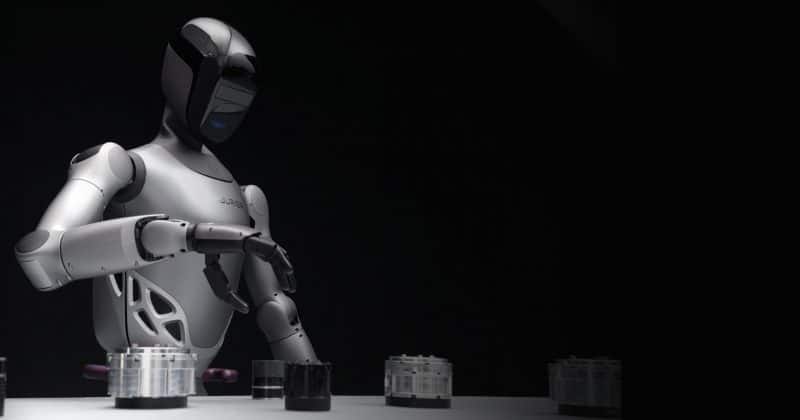
Teaching a robot to walk used to be a multi-month grind of painstaking calibration, failed simulations, and enough crashed hardware to make a grad student cry. ROBOTIS just did it in a week.
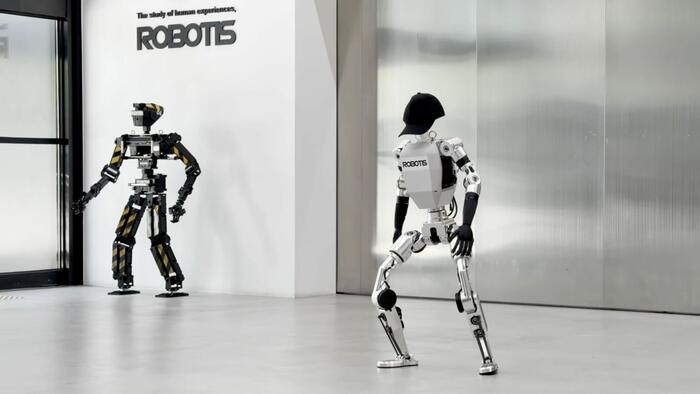
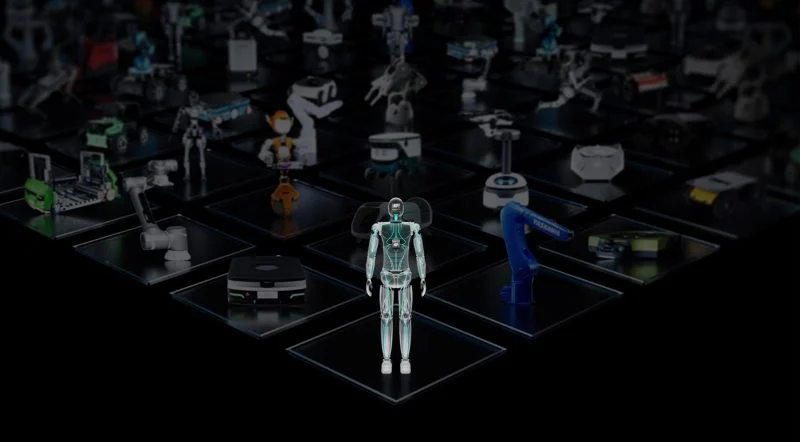
The South Korean robotics company unveiled its AI Sapiens platform, an open-source humanoid robot that learned to walk, run, balance, and even perform K-pop dance routines in just seven days. The secret sauce: Nvidia’s simulation infrastructure and reinforcement learning trained on smartphone video footage.
What ROBOTIS actually built
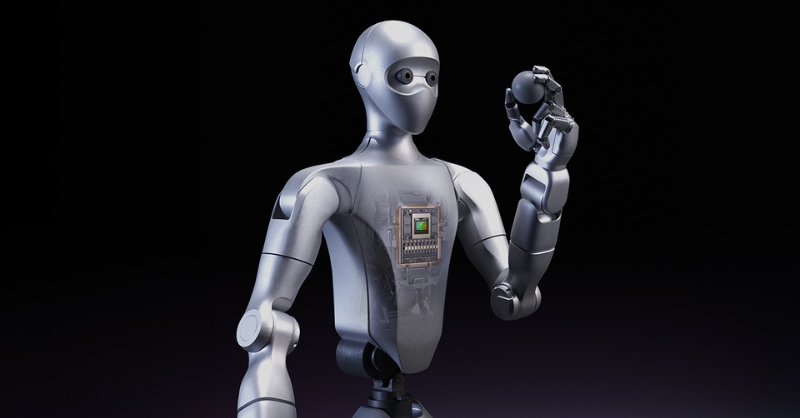
The AI Sapiens stands 1.3 meters tall, weighs 34 kilograms, and packs 23 degrees of freedom. Think of degrees of freedom as the number of independent ways the robot’s joints can move. More degrees means more fluid, human-like motion. Twenty-three is enough to pull off coordinated dance moves, which is a genuinely impressive benchmark for a platform designed to be accessible.
The robot runs on DYNAMIXEL-Q actuators, commercial-grade motors that ROBOTIS plans to launch in the second half of 2026. Those actuators are a big part of why the sim-to-real transfer, the notoriously tricky process of making a robot perform in the physical world as well as it does in simulation, actually works here. High-precision hardware means the gap between virtual training and real-world performance shrinks dramatically.