in History, Religion | February 17th, 2026 2 Comments
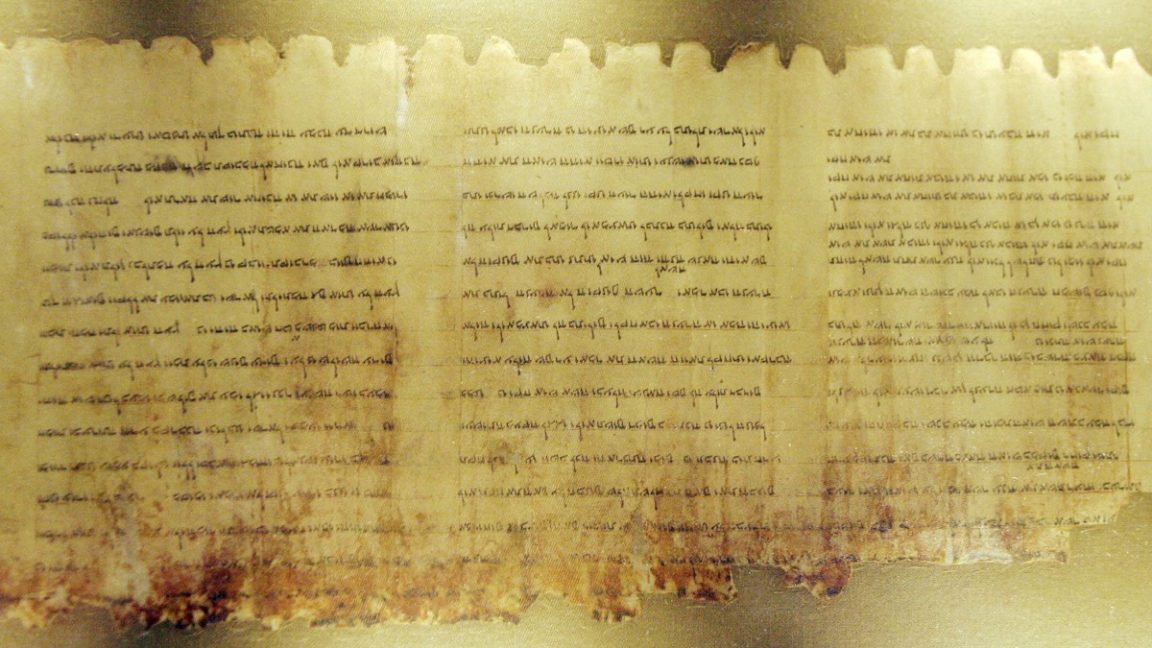
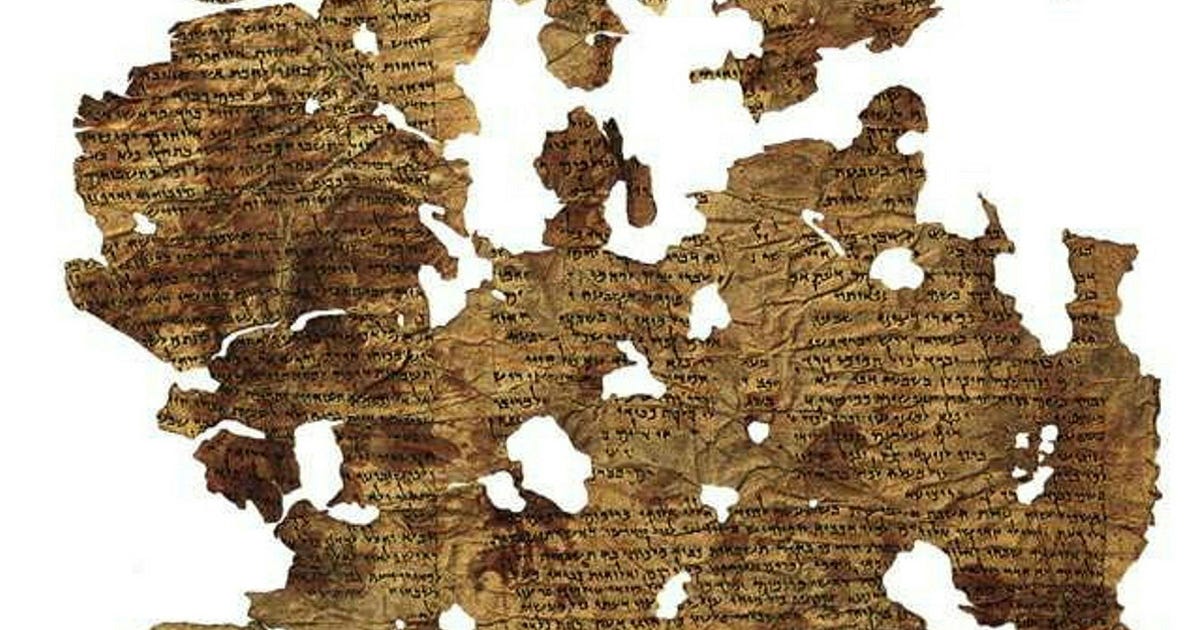
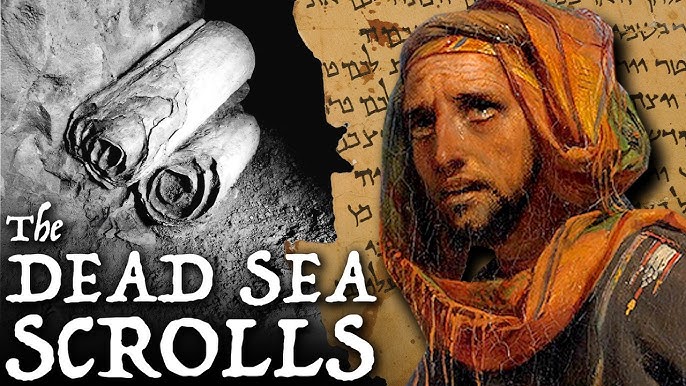
The appearance of the Dead Sea Scrolls was the most important document discovery of the twentieth century. Yet, in some sense, they didn’t deliver what many assumed to be promised within: that is, the basis for a complete revision of everything we thought we knew about Christianity. The reality of the Dead Sea Scrolls’ content is less simple, but also stranger — which makes it an ideal subject for the YouTube channel Hochelaga, given its penchant for exploring the obscure byways of religious history. And indeed, as host Tommie Trelawny says in his new video above, they are the “oldest Biblical writings ever found,” a status that, whatever their specifics, certainly justifies the great scrutiny paid to them over the past eight decades.
For it was only in 1946 that the Scrolls were found, by a Bedouin shepherd looking for his lost goat in a series of caves in the vicinity of ancient ruins by the Dead Sea. Or so the story goes, anyway, and Trelawny explains some of the complications that emerge when it’s examined more closely.
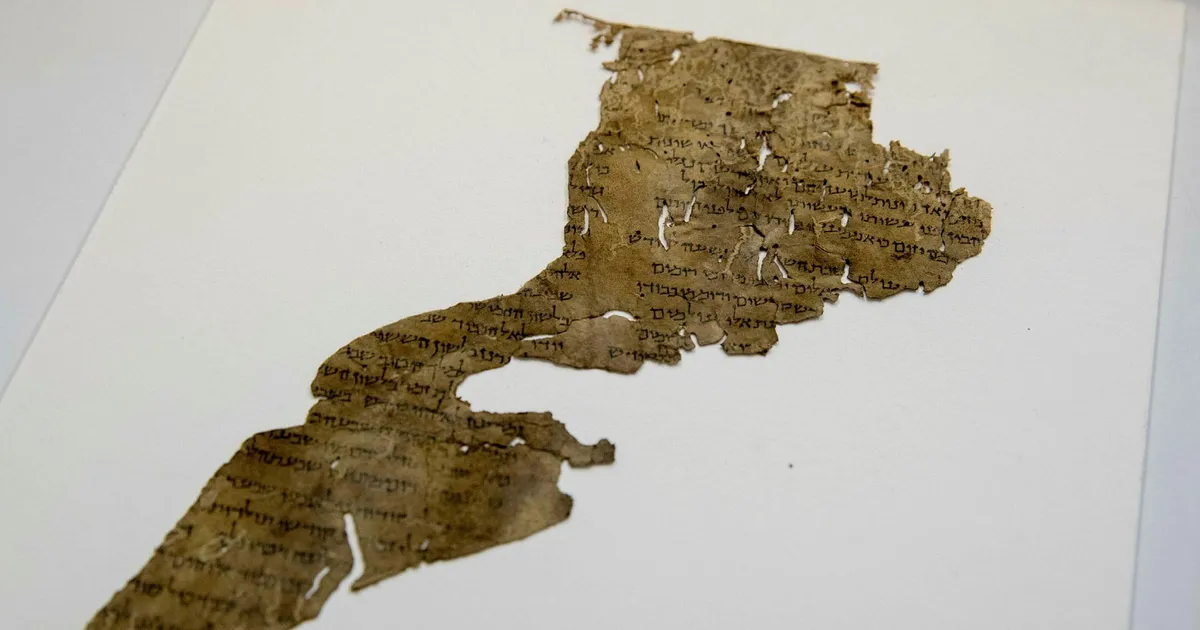
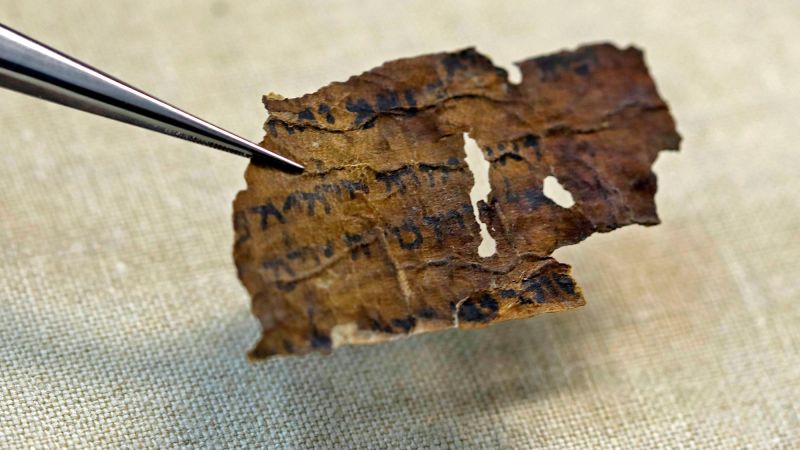
But the fact remains that those caves did contain, tightly rolled up and for the most part well-preserved, a set of scrolls adding up to “around 900 individual manuscripts: 40 percent of them “resembled books found in the Bible”; 30 percent, apocryphal writings “banned” from the Bible; and another 30 percent, “writings previously unknown to scholarship.” Those last include “texts that described a secretive religious community and apocalyptic visions of a great heavenly war.”