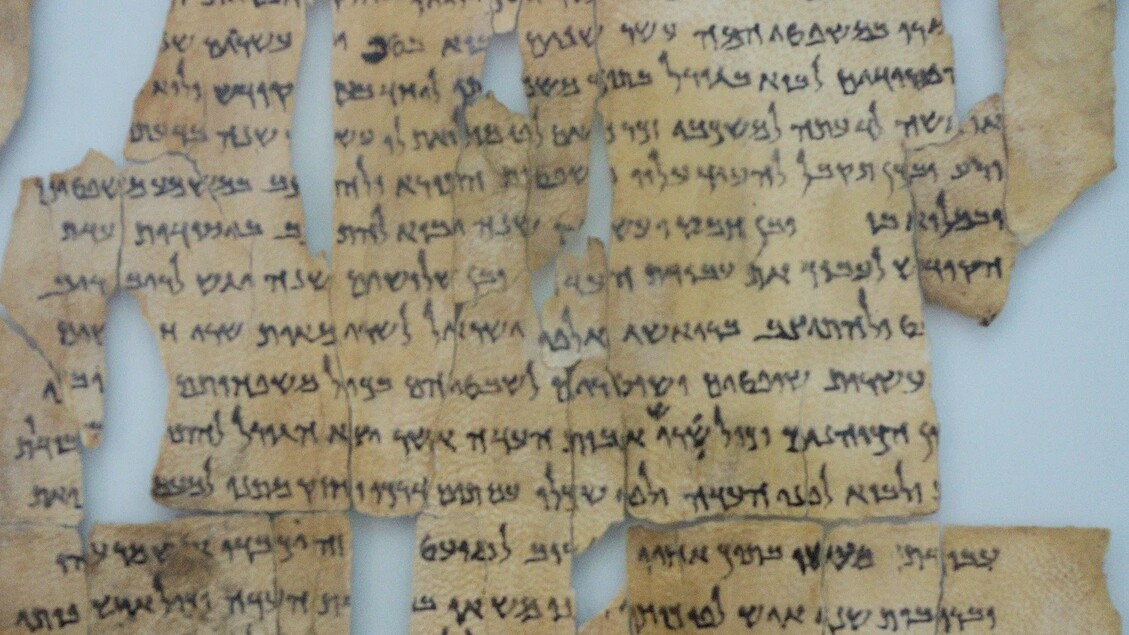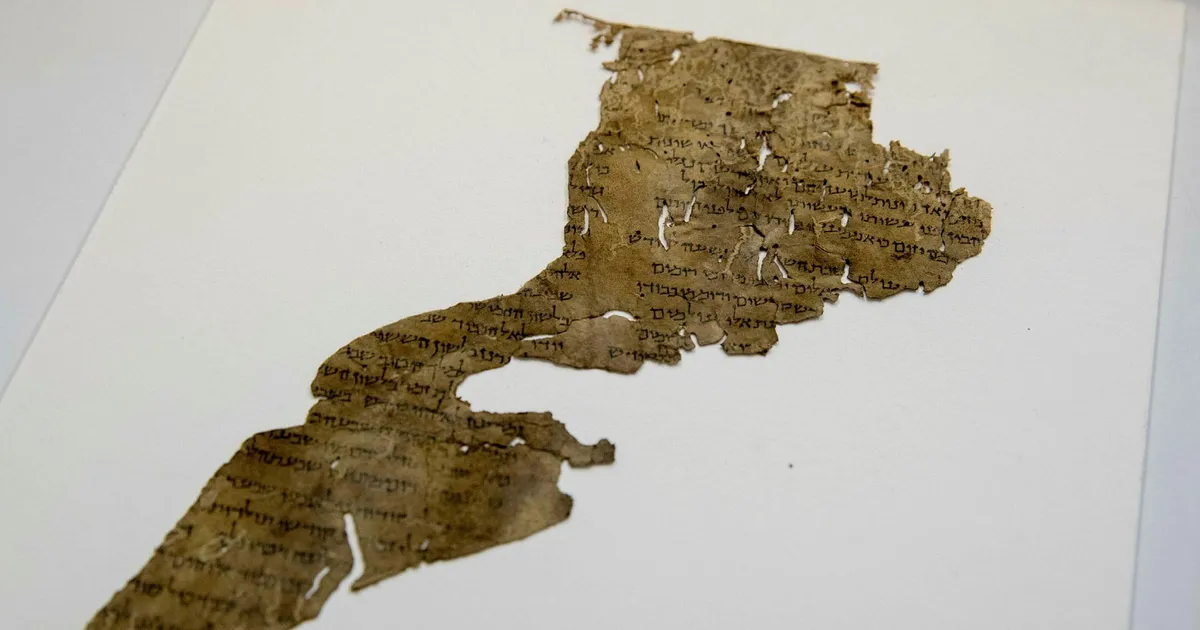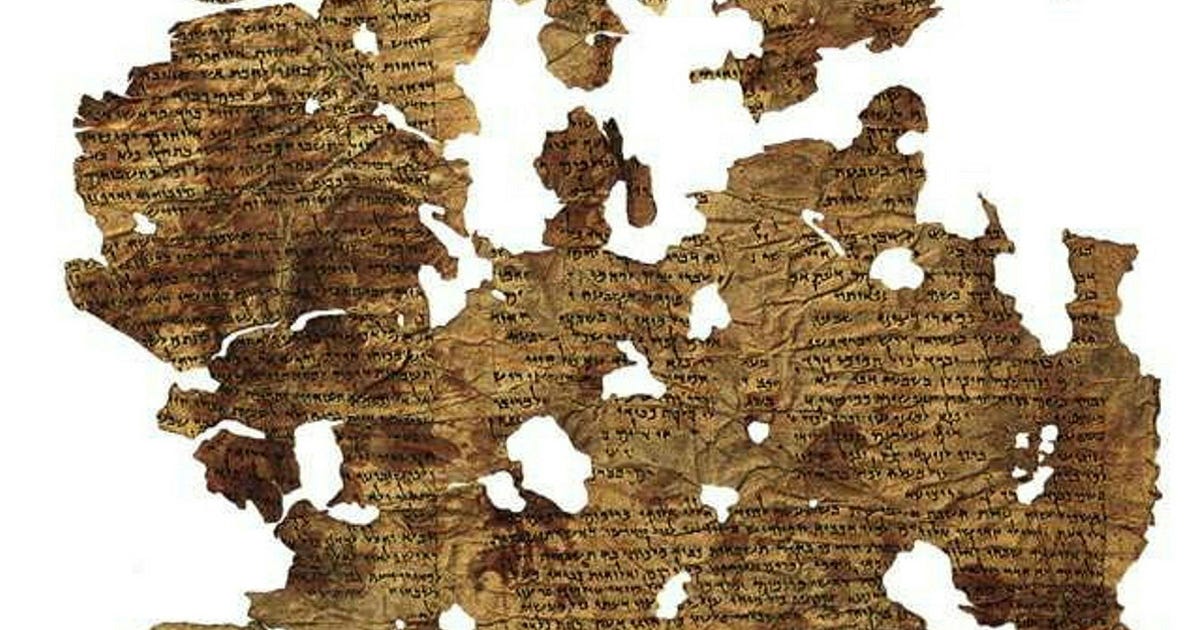
Meet 'Enoch,' an artificial intelligence trained to estimate when the Dead Sea Scrolls were written, and which suggests some of the manuscripts were penned up to a century earlier
The Dead Sea Scrolls, already considered the oldest known manuscripts of the Hebrew Bible, may have been written earlier than previously thought, according to new research that used an artificial intelligence to study the ancient texts.
Thus spake "Enoch" – an AI program with an appropriately biblical name, which was trained by an international team of researchers to date the scrolls by combining information from radiocarbon dating and paleography, the study of ancient handwriting.
It is on the basis of Enoch's analysis that the researchers now think some of the scrolls may have been written as early as the 4th or 3rd centuries B.C.E. This would shift the oldest manuscripts' production by decades or even a century.
The AI program offers scholars a new tool for the study of undated ancient manuscripts, says the Netherlands-based team led by Mladen Popovic, a professor of Hebrew Bible and Ancient Judaism, and AI expert Dr. Maruf A. Dhali, both from Groningen University. Enoch's conclusions that some of the scrolls may be older also provides new insight into the production and spread of biblical manuscripts in a period from which few Hebrew texts have survived, the researchers reported Wednesday in PLOS One.