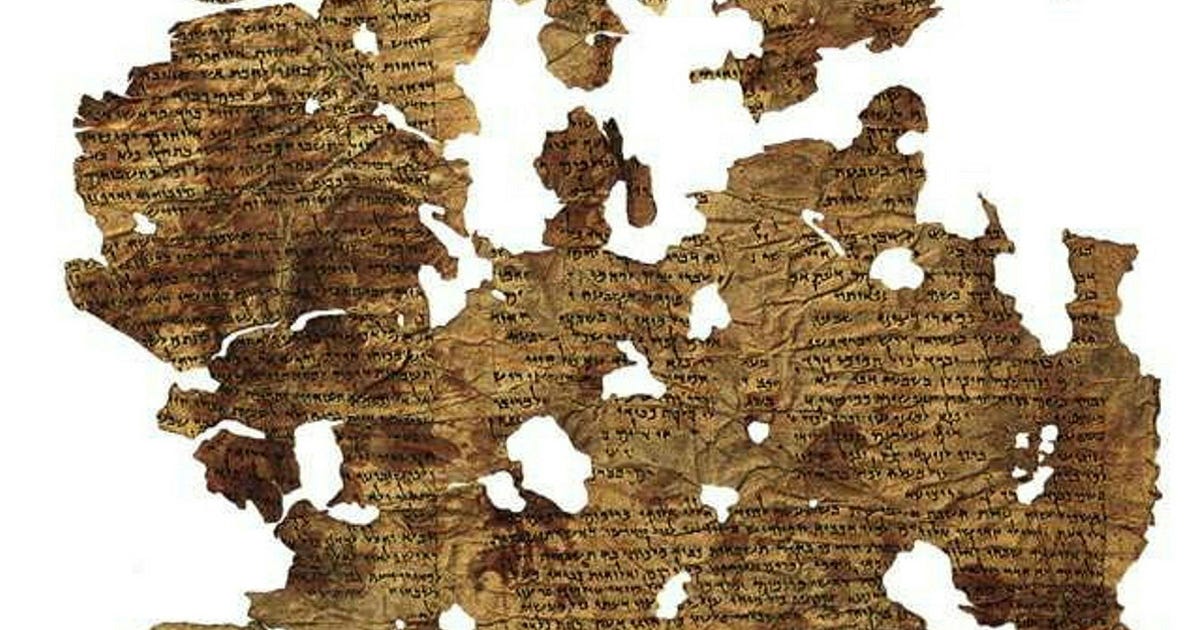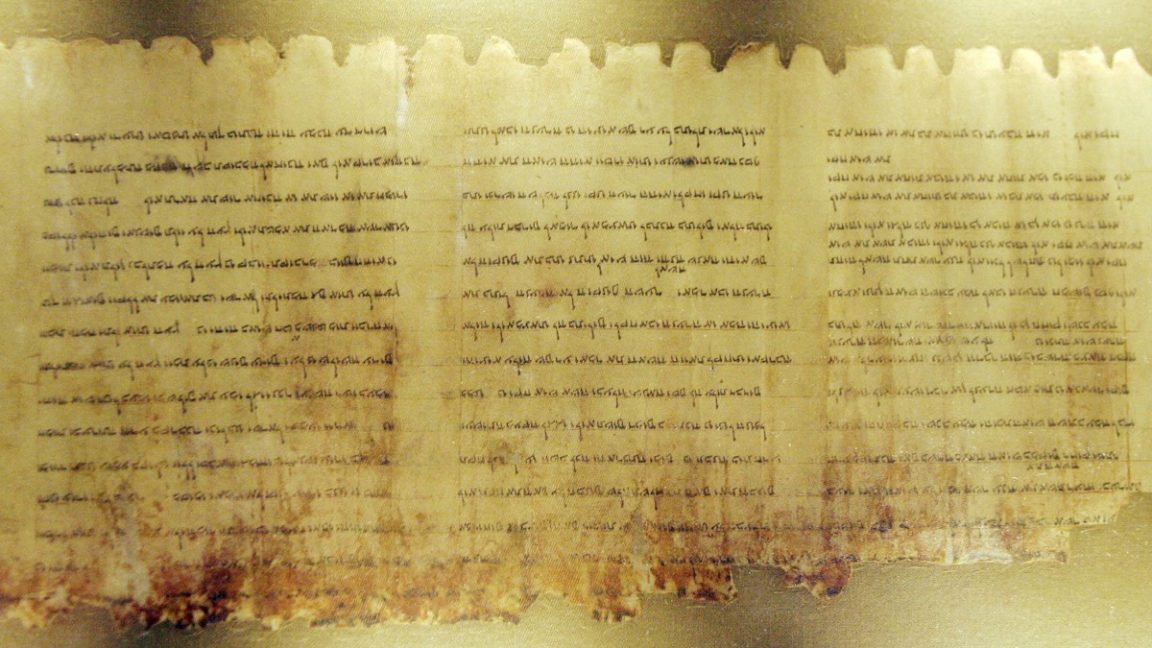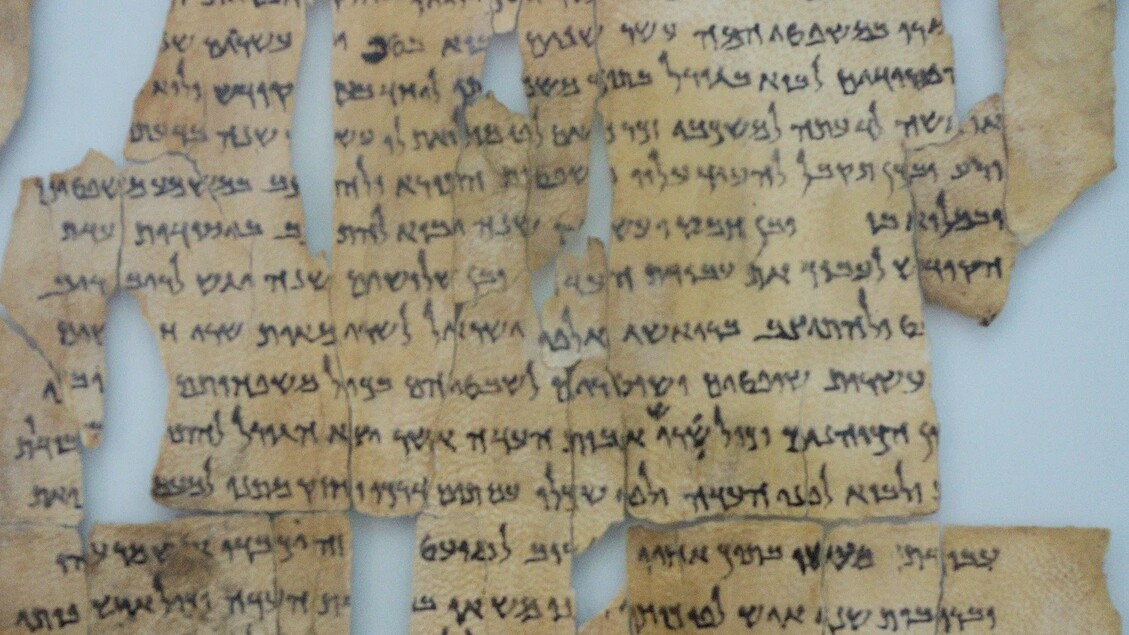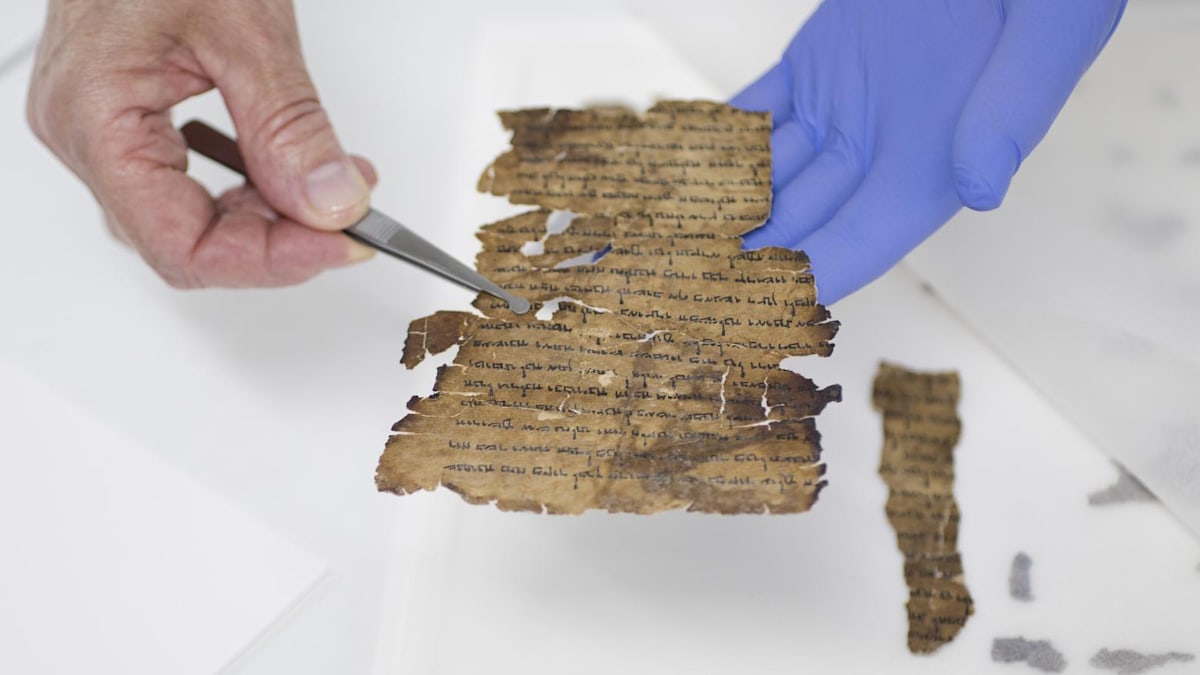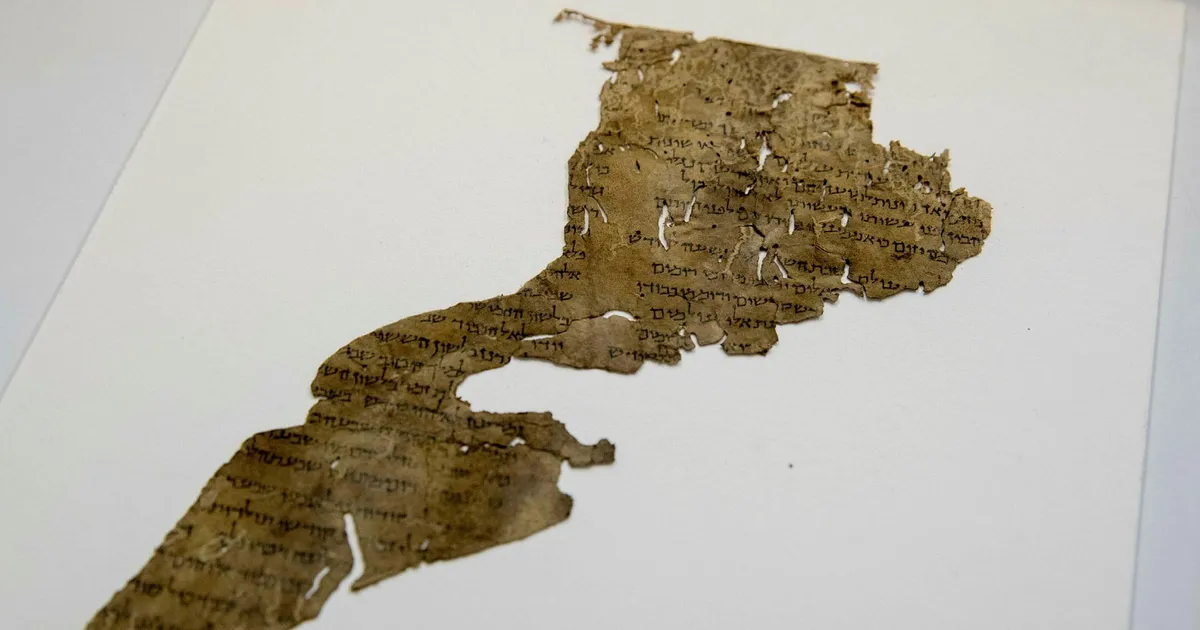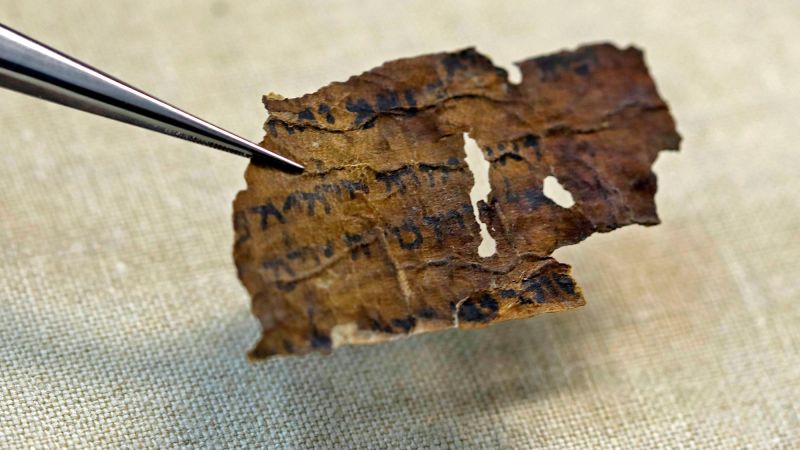
Many of the Dead Sea Scrolls, some of the most widely known archaeological finds of all time, may be older than once thought, according to a new study.
The fresh analysis, which paired radiocarbon dating with artificial intelligence, determined some of the biblical manuscripts date to about 2,300 years ago, when their presumed authors lived, said Mladen Popović, lead author of the report published Wednesday in the journal PLOS One.
Bedouin shepherds first spotted the scrolls by chance in the Judaean Desert, near the Dead Sea, in 1947. Archaeologists then recovered thousands of fragments belonging to hundreds of manuscripts from 11 caves, all near the site of Khirbat Qumran in what is now the West Bank.
“The Dead Sea Scrolls were extremely important when they were discovered, because they completely changed the way we think about ancient Judaism and early Christianity,” said Popović, who is also dean of the Faculty of Religion, Culture and Society at the University of Groningen in the Netherlands. “Out of around 1,000 manuscripts, a bit more than 200 are what we call biblical Old Testament, and they are the oldest copies we have of the Hebrew Bible. They gave us a lot of information about what the text looked like back then.”