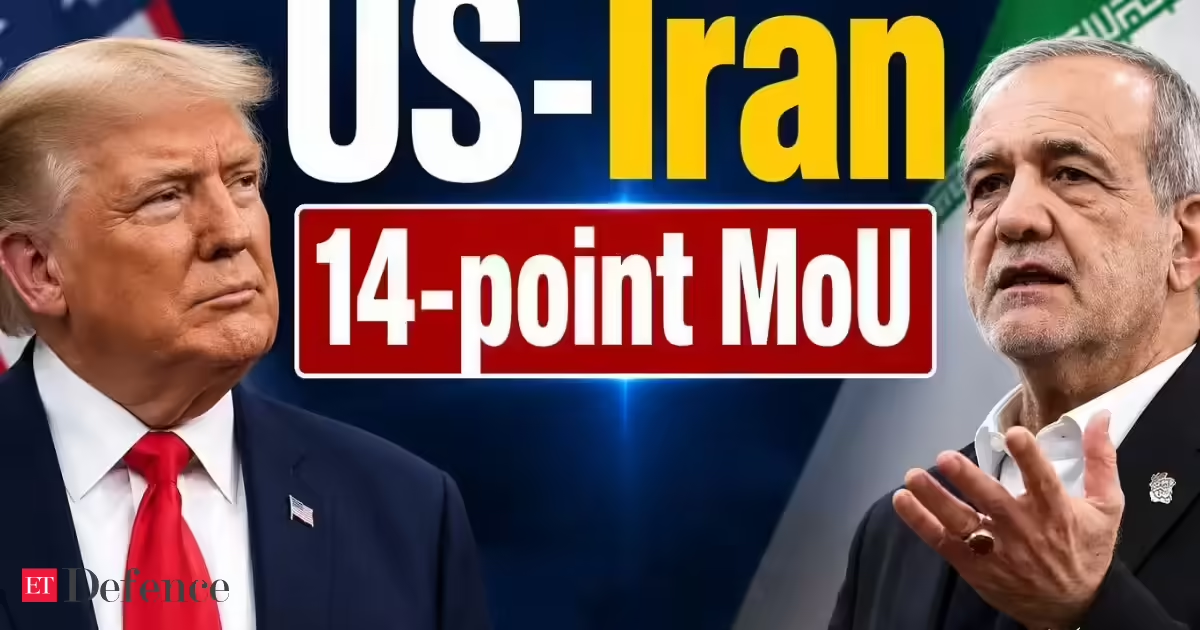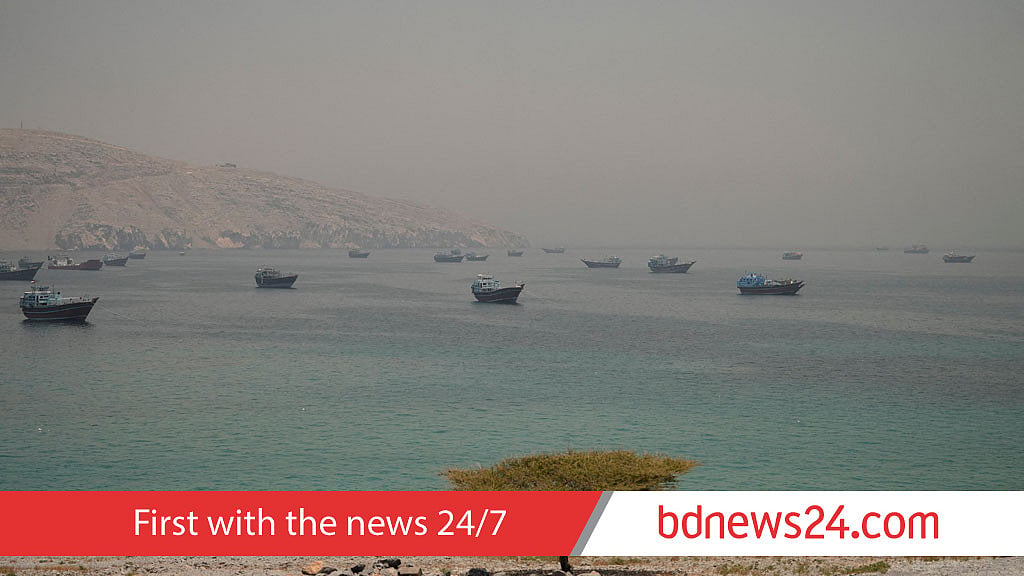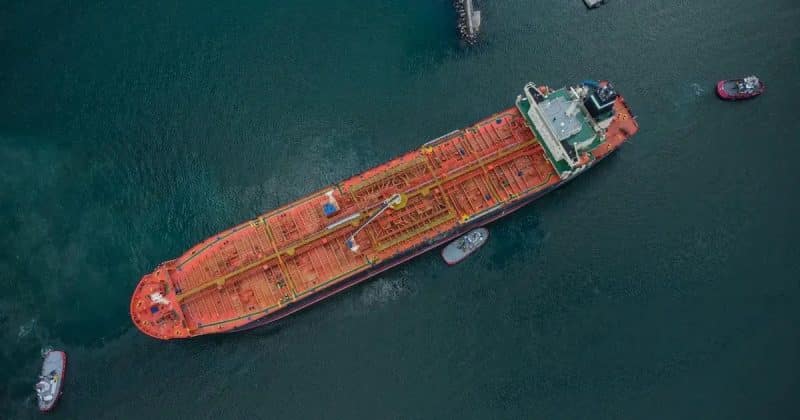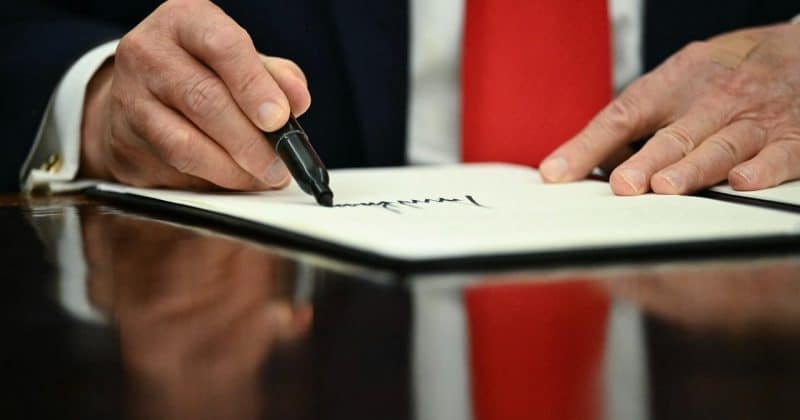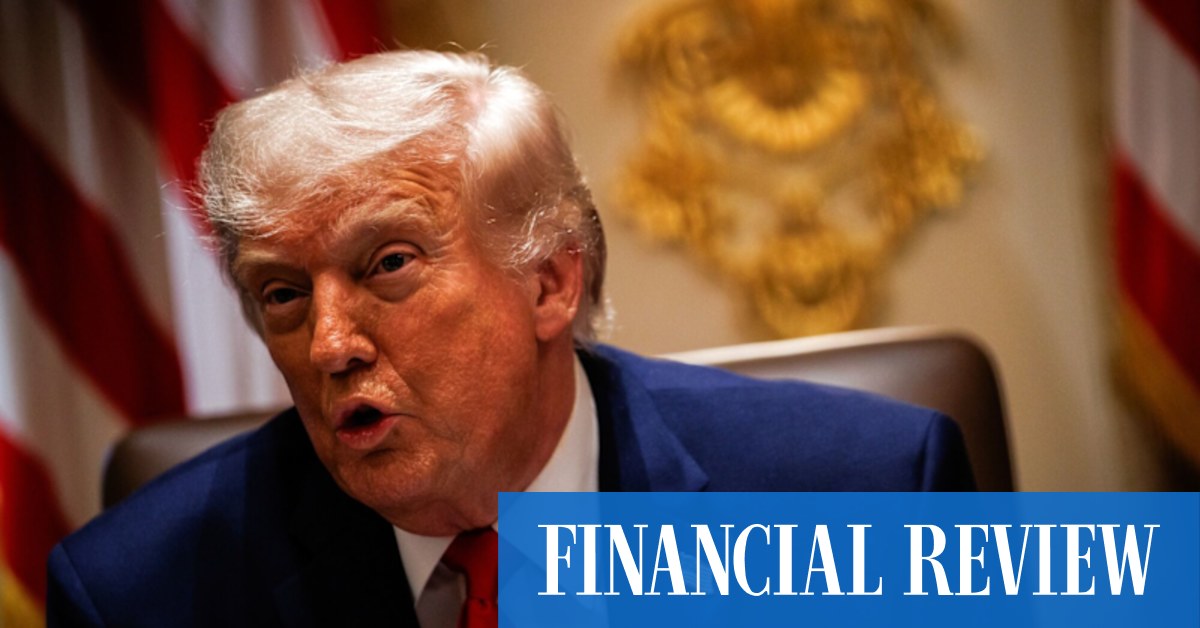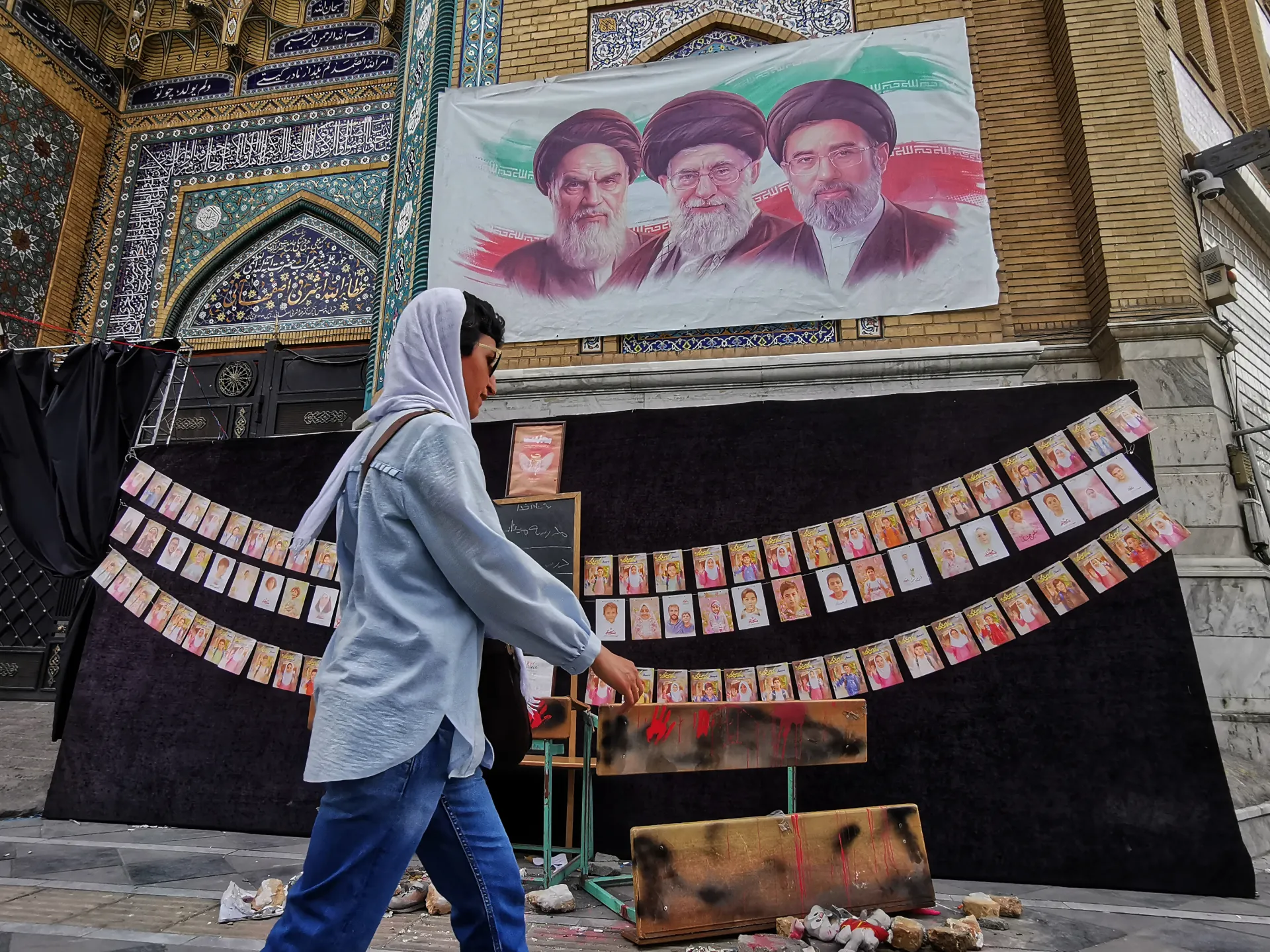
By Michael Every, global strategist at RabobankAfter pricing in nearly 40 pronouncements of US victory since early April, markets have naturally embraced a US-Iran ‘deal’ now e-signed --with a thumbs up emoji?-- so all that’s left is a ceremony to mark the event on Friday. That and the details of what was signed, which are still lacking from the US. In their absence, we get more polymetis spin from both sides.Iran is saying they got everything they wanted, and there are signs of that. Weeks ago, it was floated Iran would receive a $300bn reconstruction fund, a fanciful idea for a country that lost the war. However, it’s true - though the GCC will pay for it. Some see that behind IRGC rhetoric this could be a perestroika moment, e.g., if US firms win big contracts. Or it could just be the US making the GCC give Iran $300bn.There is shock and fury in Israel at the deal, which they don’t have the details of either, and the prospect of having their hands tied against Iran and Hezbollah in Lebanon. PM Netanyahu is taking a political hit ahead of elections he was already behind in the polls in.We also aren’t hearing anything about regime change anymore; or ballistic missiles; or Iran’s proxies; and Trump has watered down his ‘nuclear dust’ demands so that Iran can down-blend its 60% highly enriched uranium to a civilian level under supervision.What we are hearing about is the reopening of Hormuz, which Trump claims has already happened: however, ‘mine your language’ on what that means. A US official says it might take 1-2 weeks to get energy flowing through the strait again. Other maritime experts suggest it could take 40-50 days. Japan, the UK, and some European states may send mine-sweepers to help speed that process, but they would take weeks to arrive. Recall it then takes weeks for energy cargoes to arrive at their final destinations if/when an exodus of trapped ships begins. That said, this morning three Iranian oil tankers and two ships carrying essential goods reportedly passed the US naval blockade.Iran also states ships can transit Hormuz freely for the 60-day negotiation period with the US, but after that it will charge de facto tolls. That’s something the US opposes and is a significant flashpoint - alongside many others. If you are a crude carrier, once you finally escape Hormuz, do you return knowing a geopolitical deadline is ticking down, or opt for new routes? In short, this isn’t a deal: it’s a “page and a half general” MoU (says VP Vance) to try to get a deal via performance-related incentives – but with equal ones to blow it up at different times. From Israel’s perspective, the sooner this deal collapses the better. The PM has just restated that preventing an Iranian nuclear weapon remains his life’s mission, and that struggle isn’t over yet.🔴Israel requested to see the US-Iran MoU document and was rejected - report
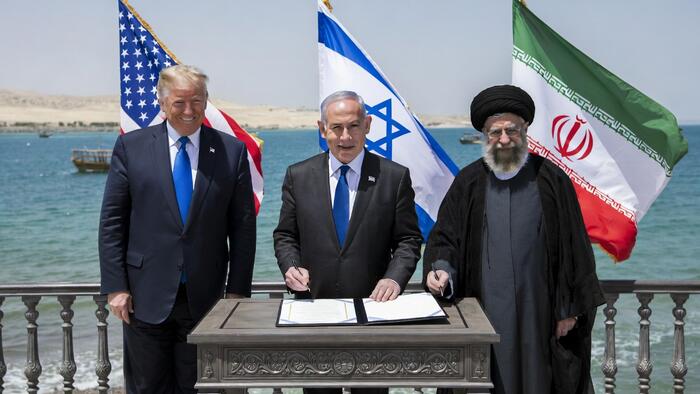
Sign(s) Here, Here, And Here
From Iran’s perspective, there is a case to see the deal collapse within months. Indeed, if Tehran cannot get the benefits promised by the US because it won’t take the steps required of it, then it arguably has little incentive to keep Hormuz open.
1,065 words~5 min read