Solly Msimanga MPL, DA Gauteng.
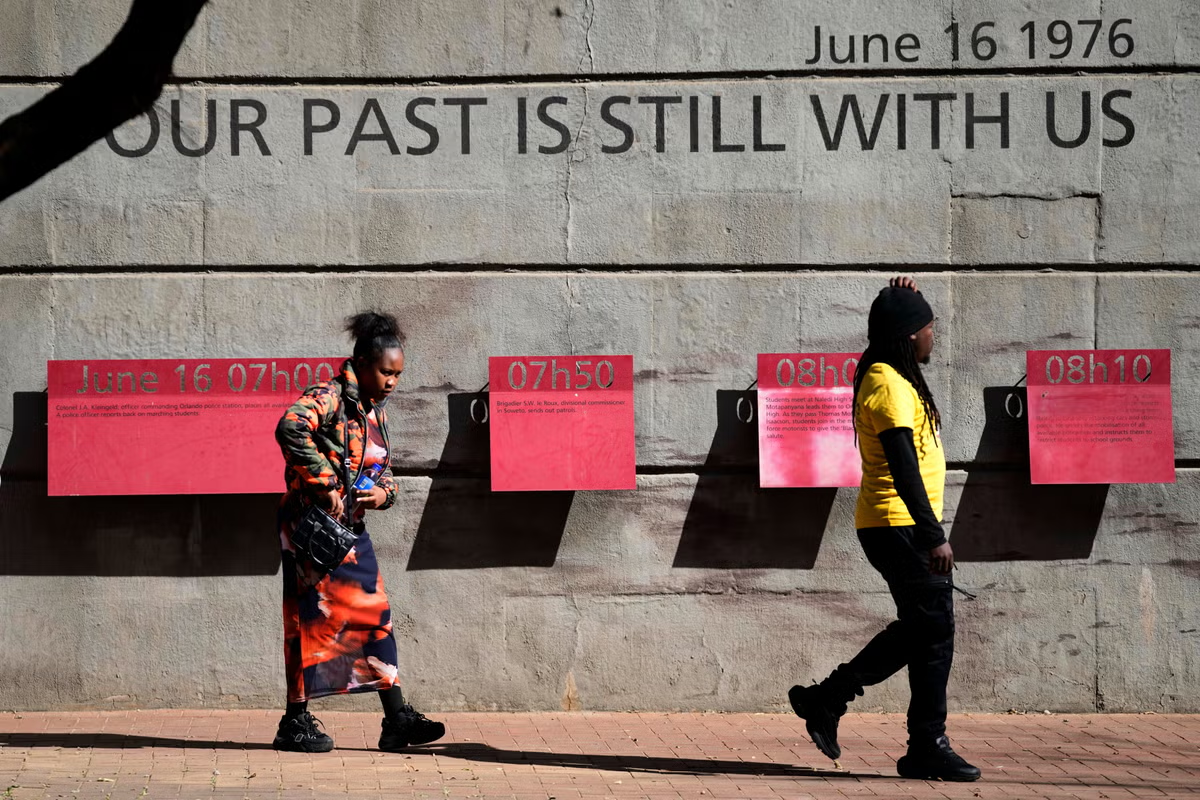
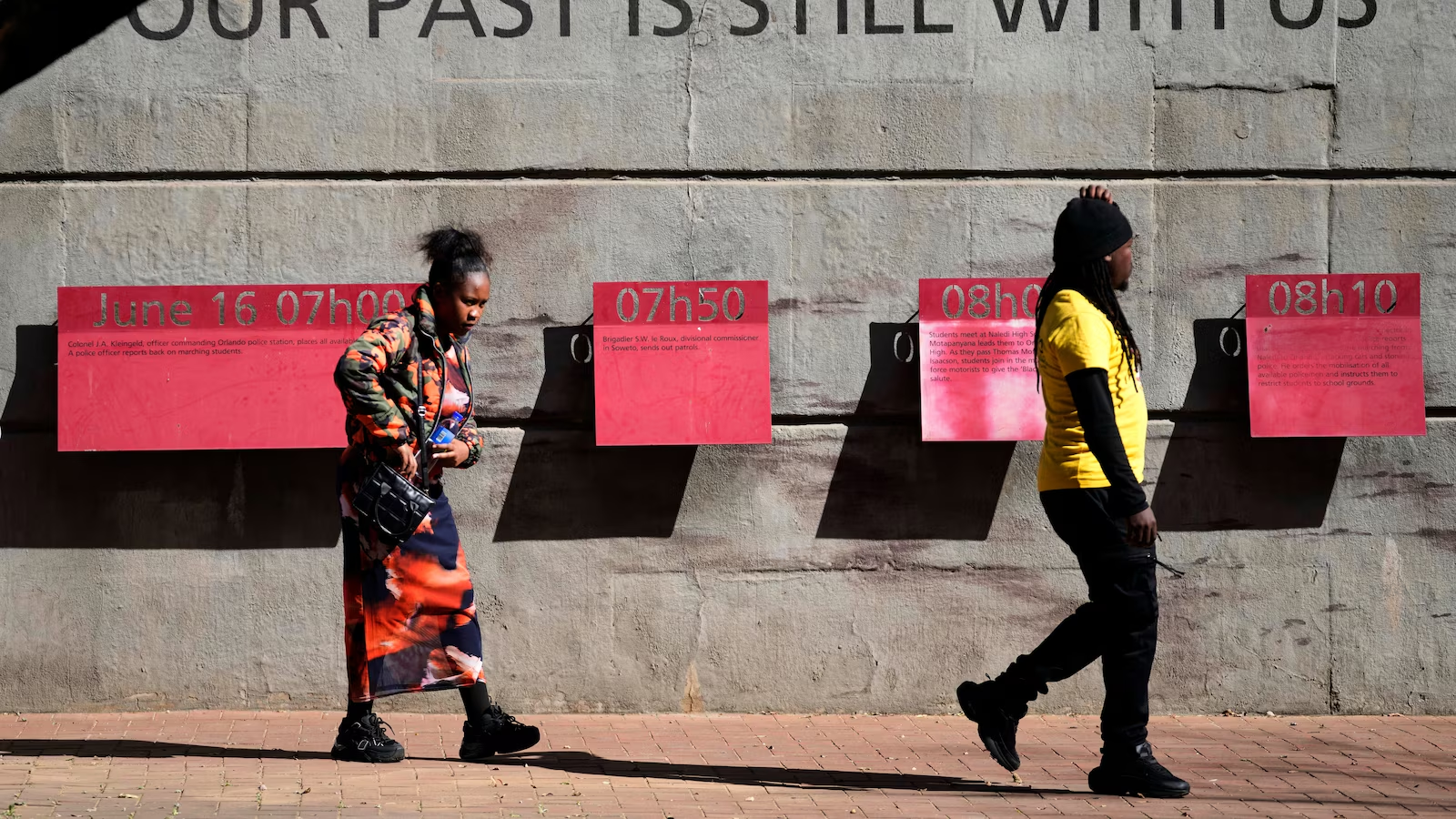
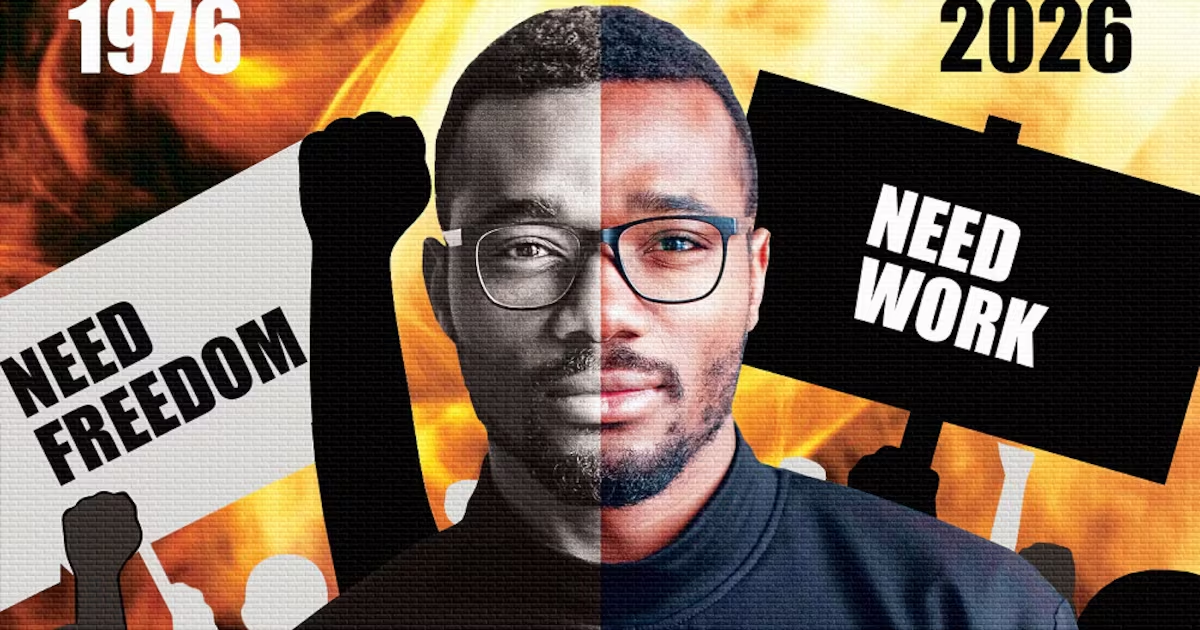
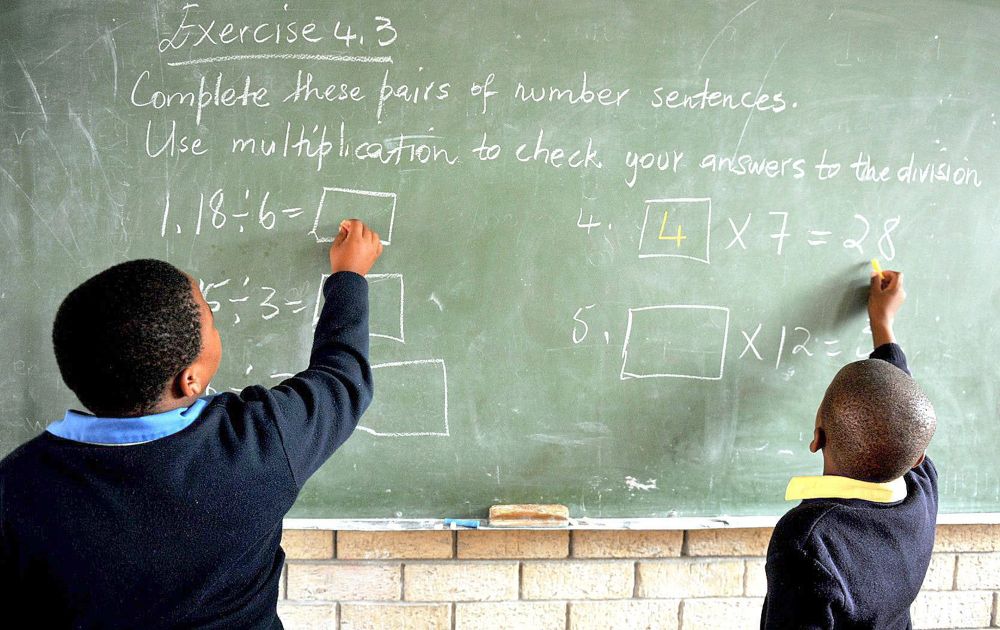
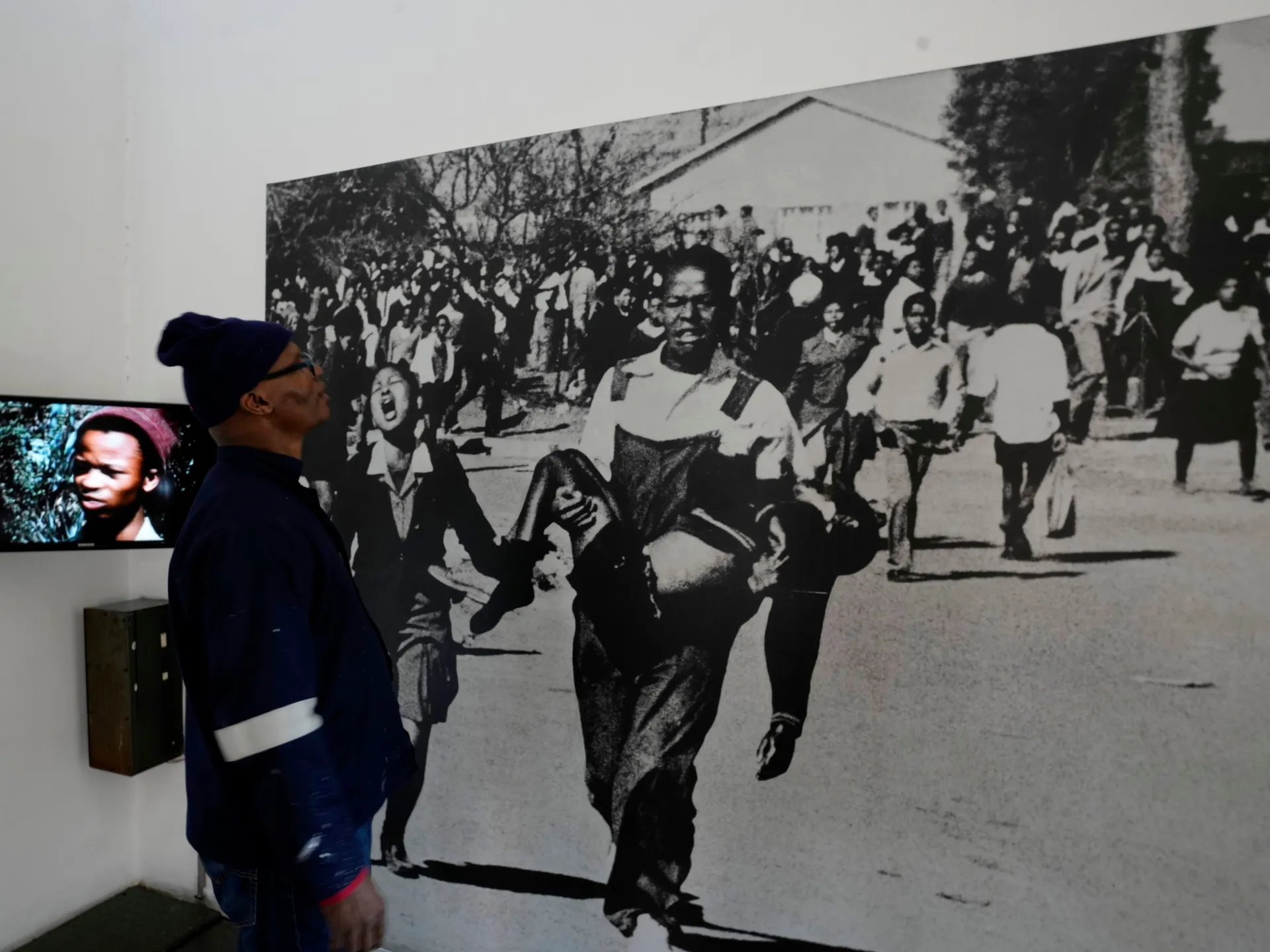
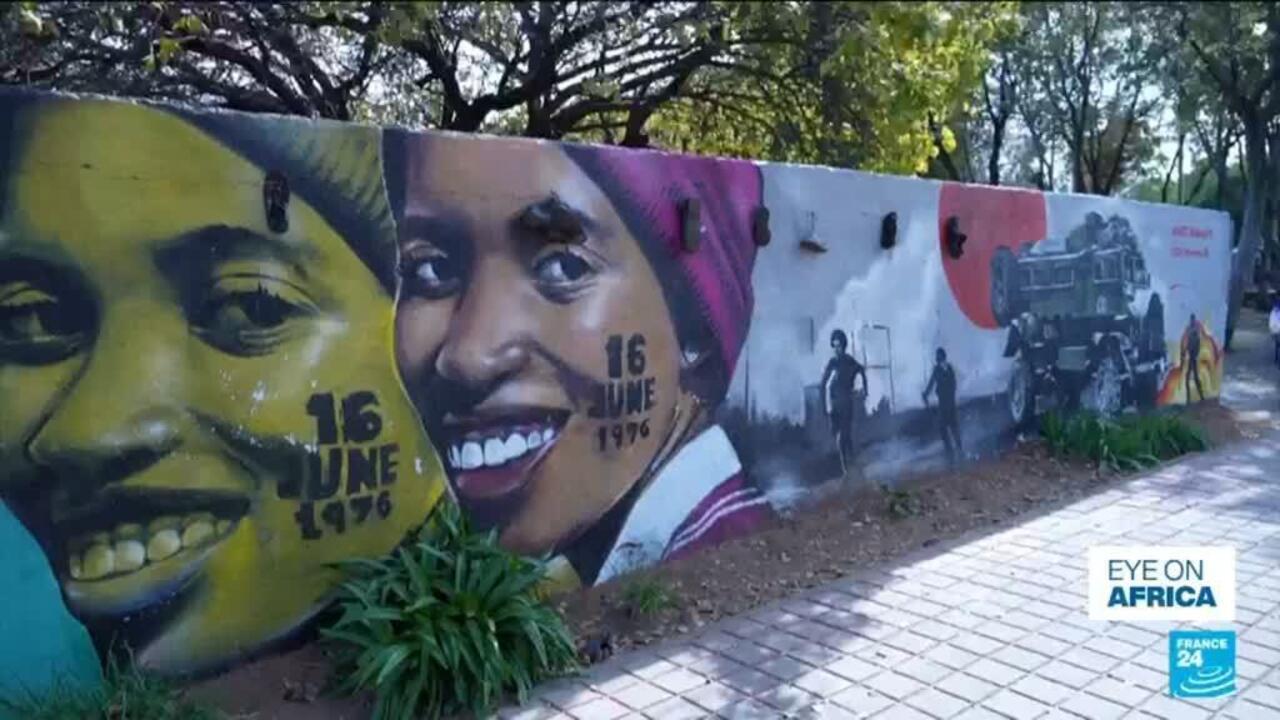
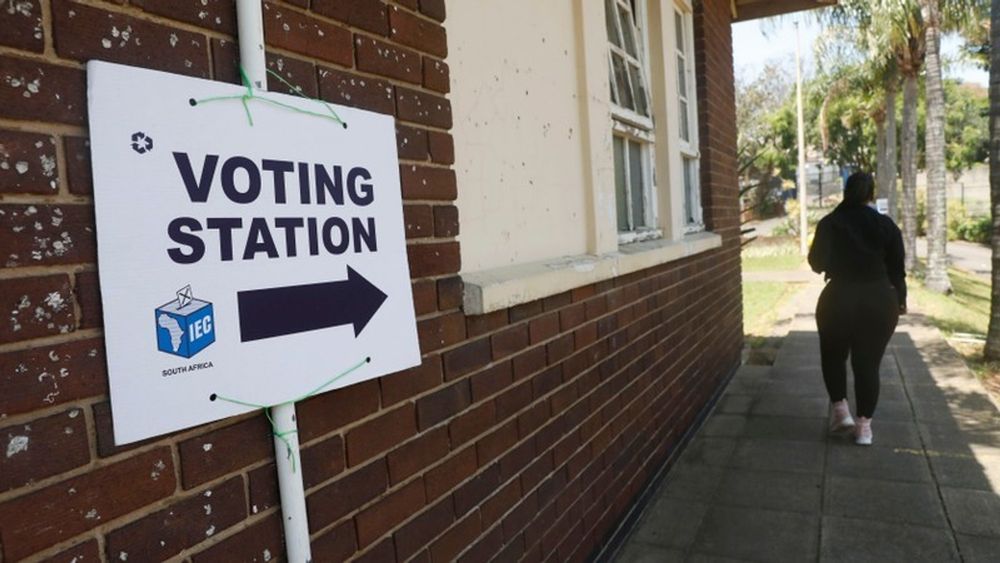
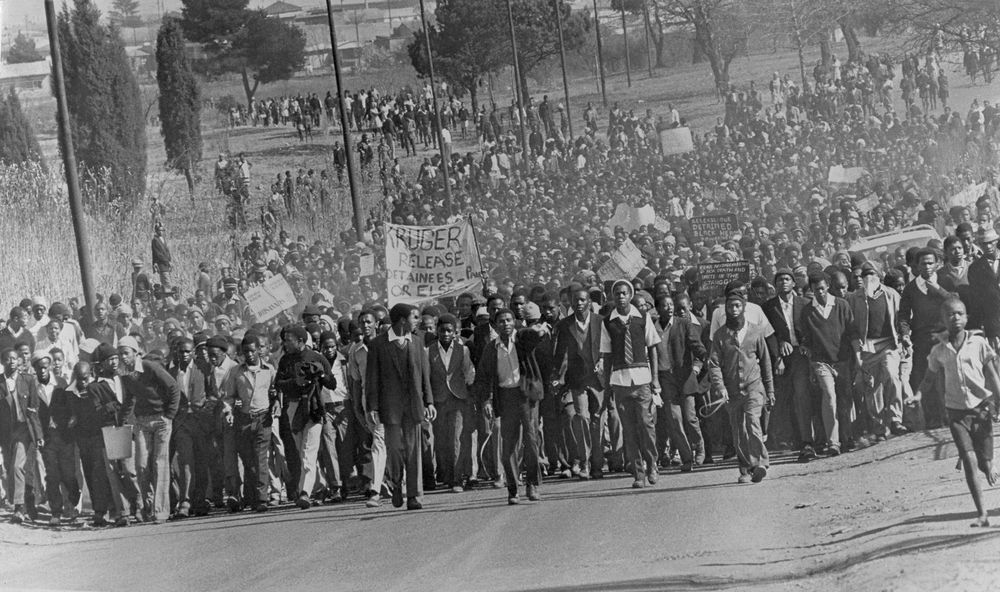
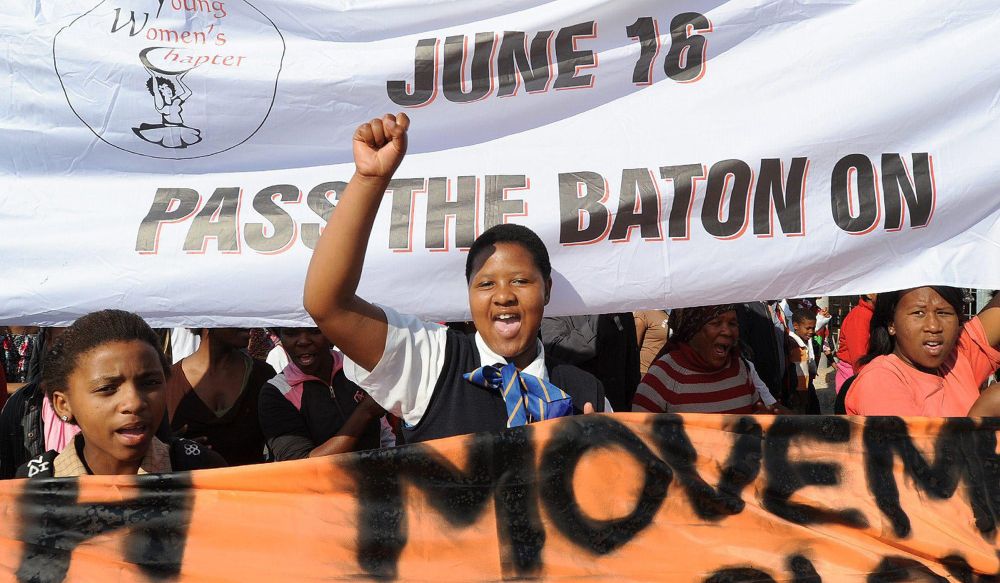
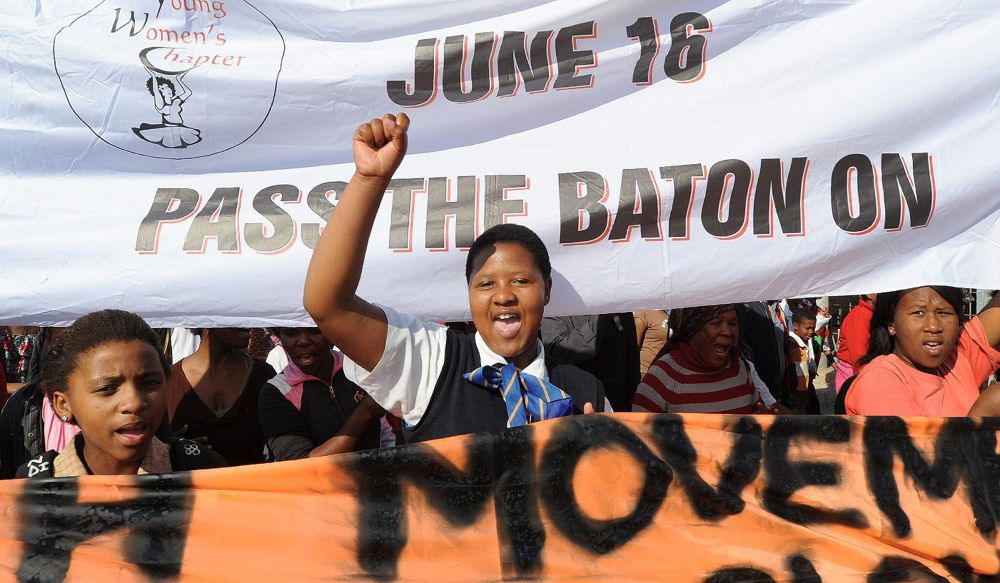
Fifty years ago, South African youth took to the streets to revolt against the apartheid government’s discriminatory and exclusionary education system. On the 6 June 1976, South Africa’s young people gallantly fought to secure their political freedom. Yet, as things stand, the struggle to achieve economic inclusion, access and inequality continues. The youth of 2026 face a multitude of socio-economic challenges, which include high unemployment levels, poverty, crime, substance abuse and limited access to economic opportunities and poor service delivery. For many of our youth, these struggles represent their daily lived experience; a reality that provides the perfect breeding ground for criminality and poor behaviour. The Democratic Alliance (DA) encourages the youth to register and vote to improve their lives.
In Gauteng, the country's economic hub, the official unemployment rate increased quarter-to-quarter from 33% to 34.1%. This unemployment rate is above the national unemployment level. Similarly, the combined rate of unemployment and potential labour force (LU3) for quarter one: 2026, which includes discouraged work-seekers who have given up looking because they believe no jobs are available, was recorded at 40.6%. Further to that, the province lost approximately 67,000 jobs between quarter four 2025 and quarter one 2026, making it one of the provinces with the largest employment declines, according to the Quarterly Labour Force Survey (QLFS) for quarter one.