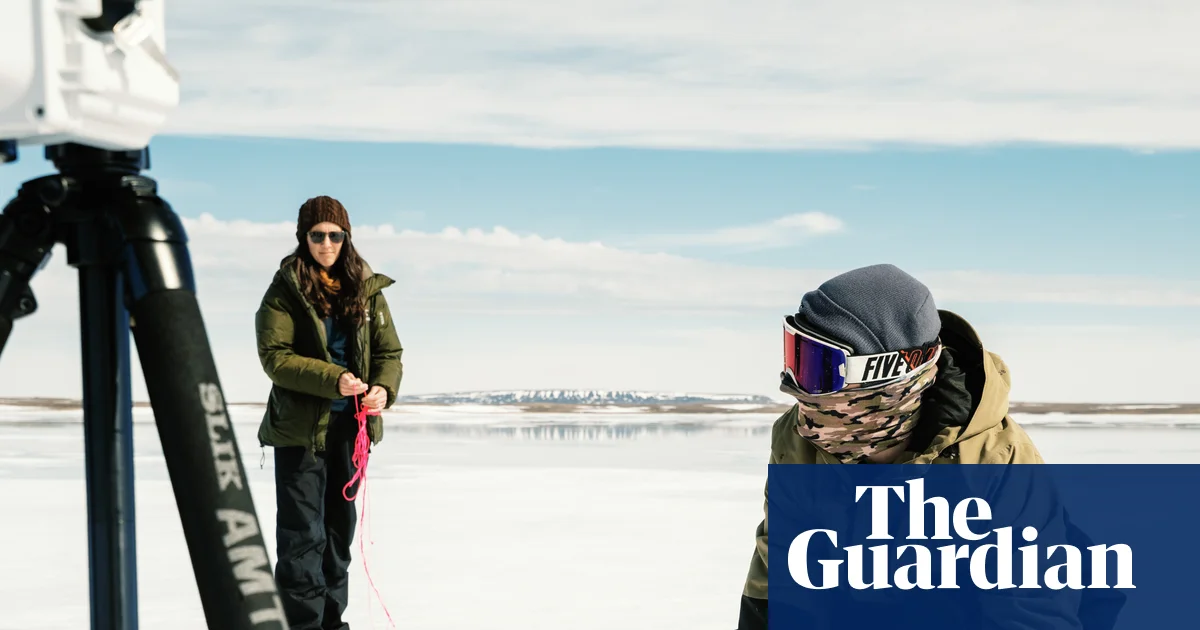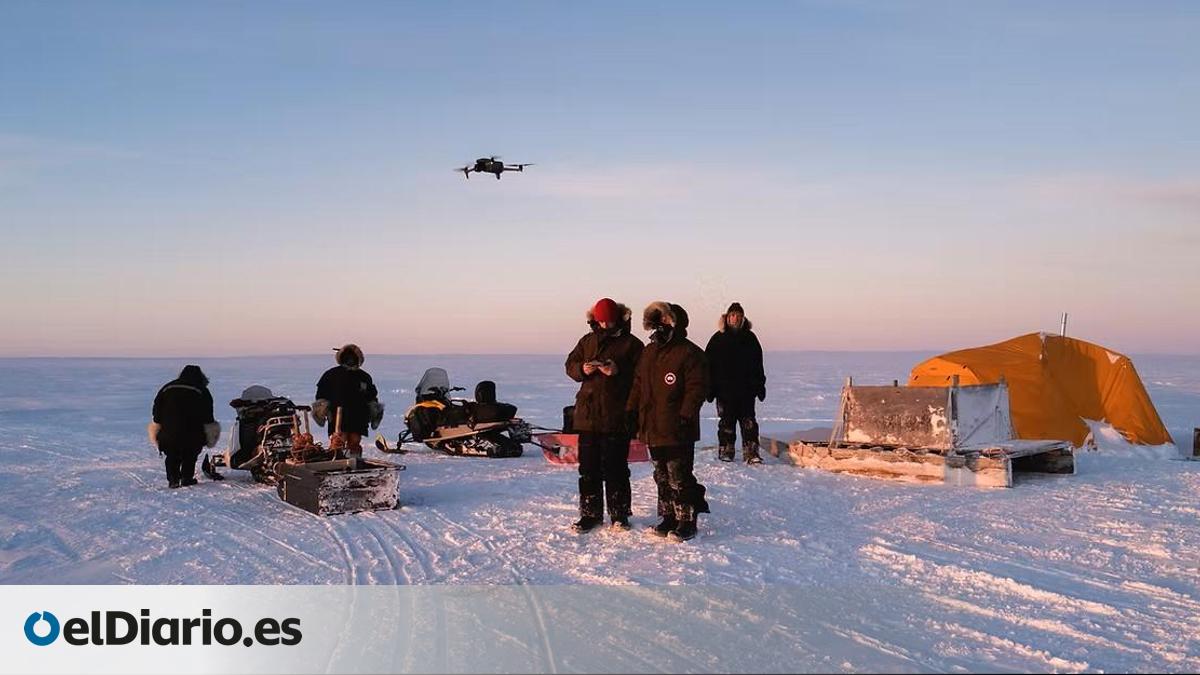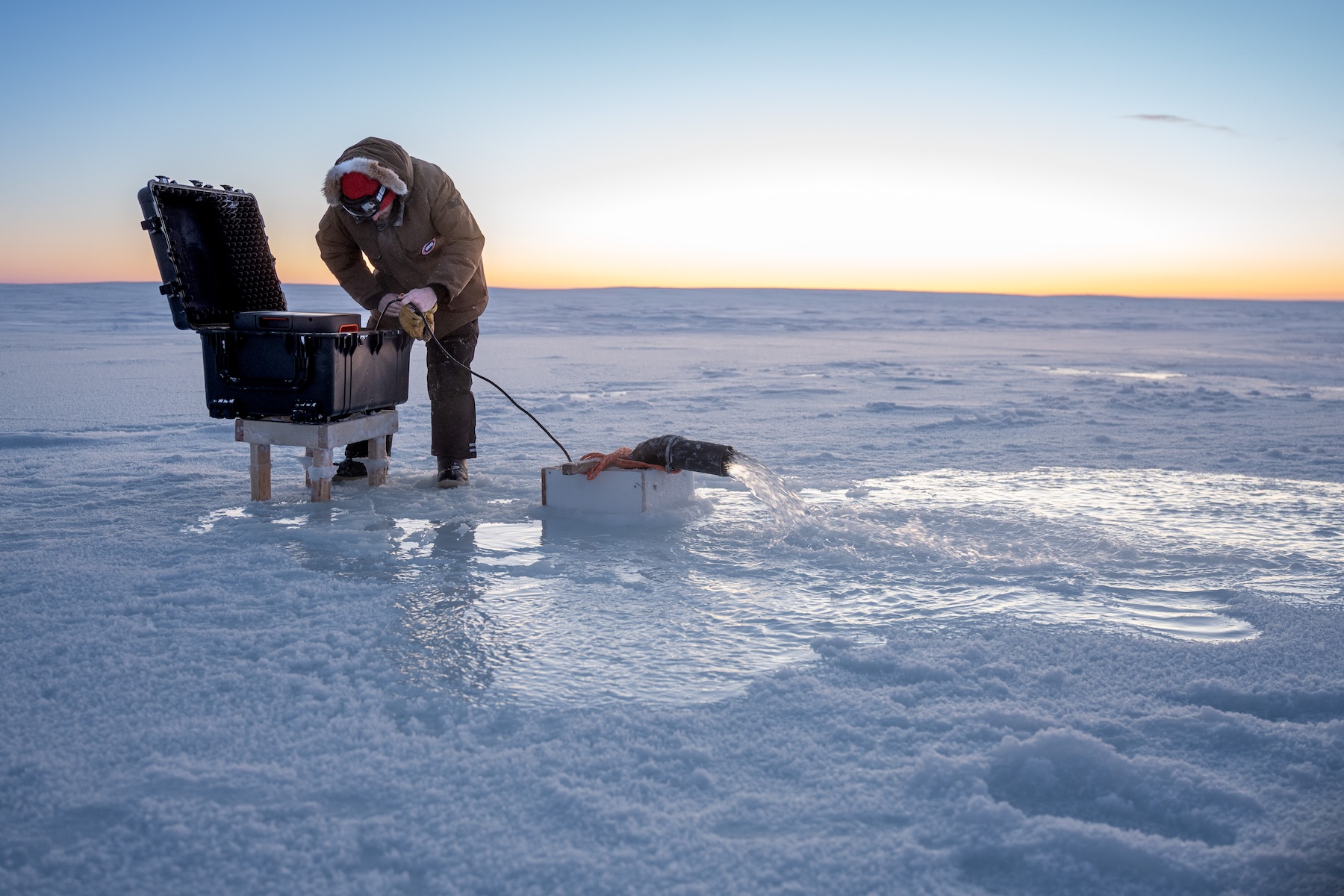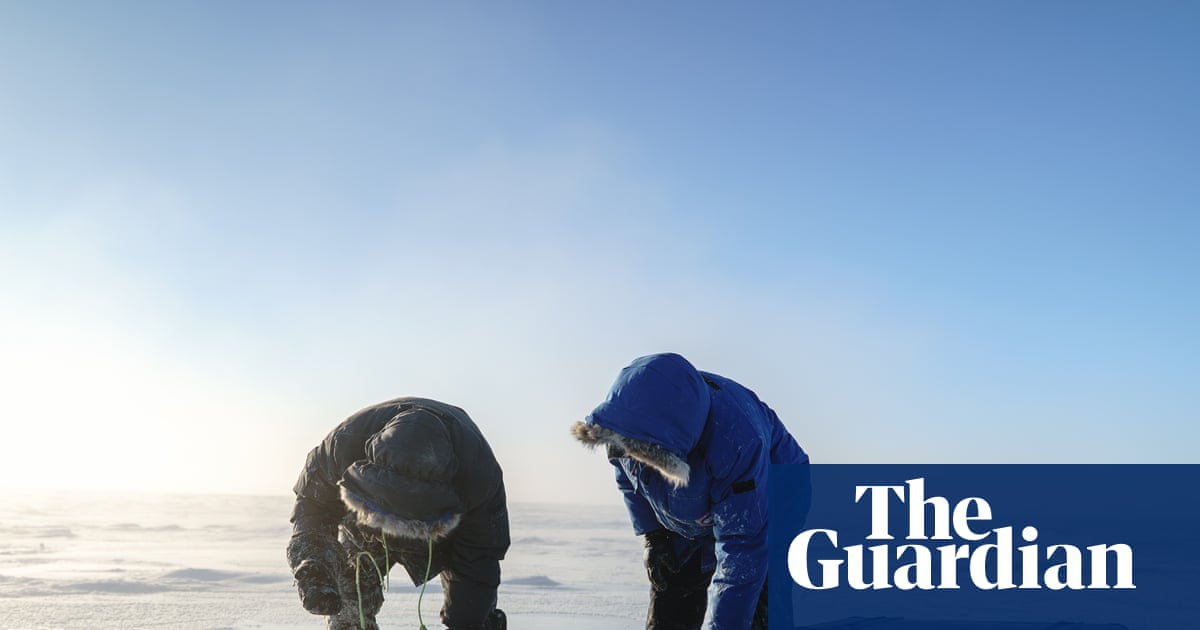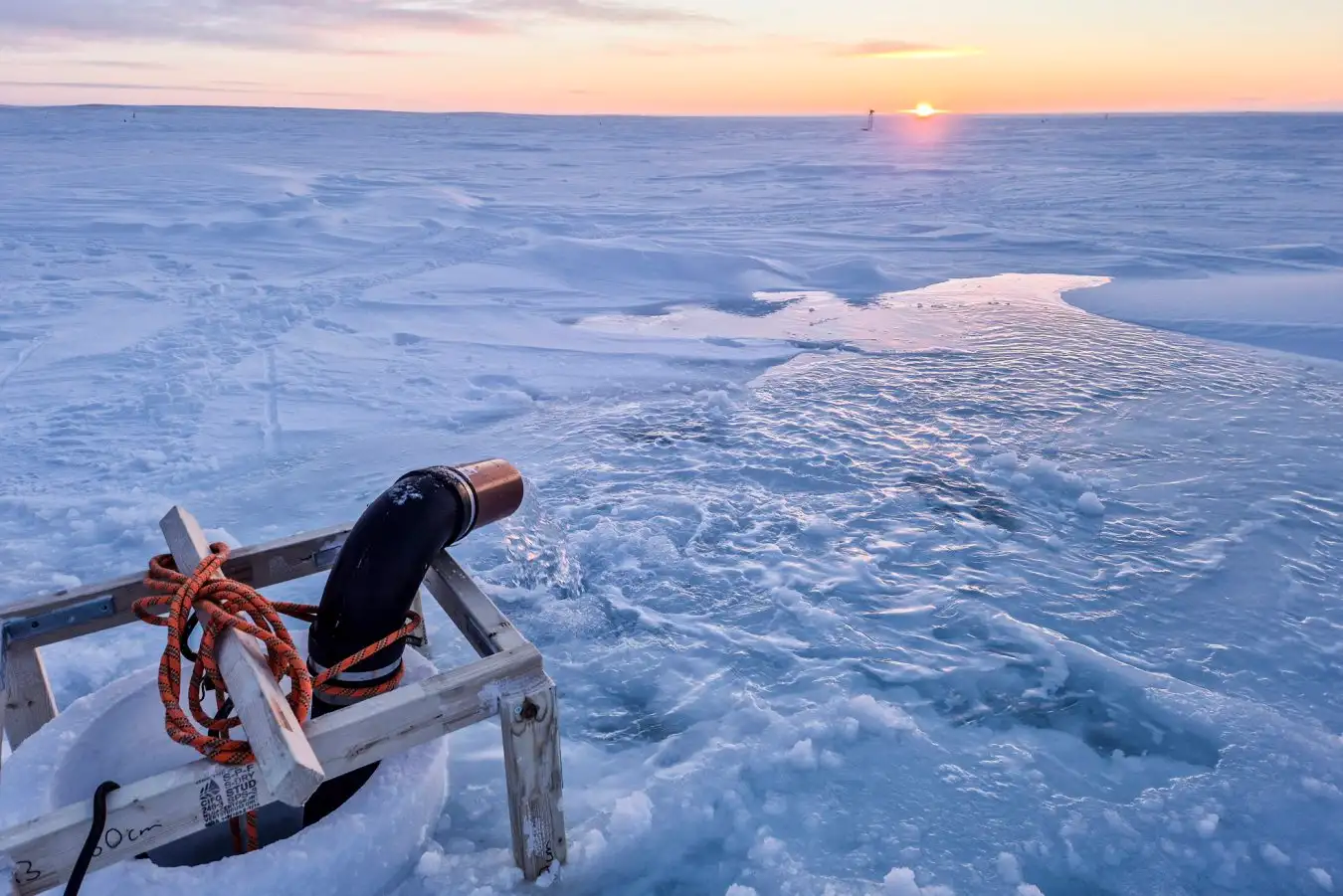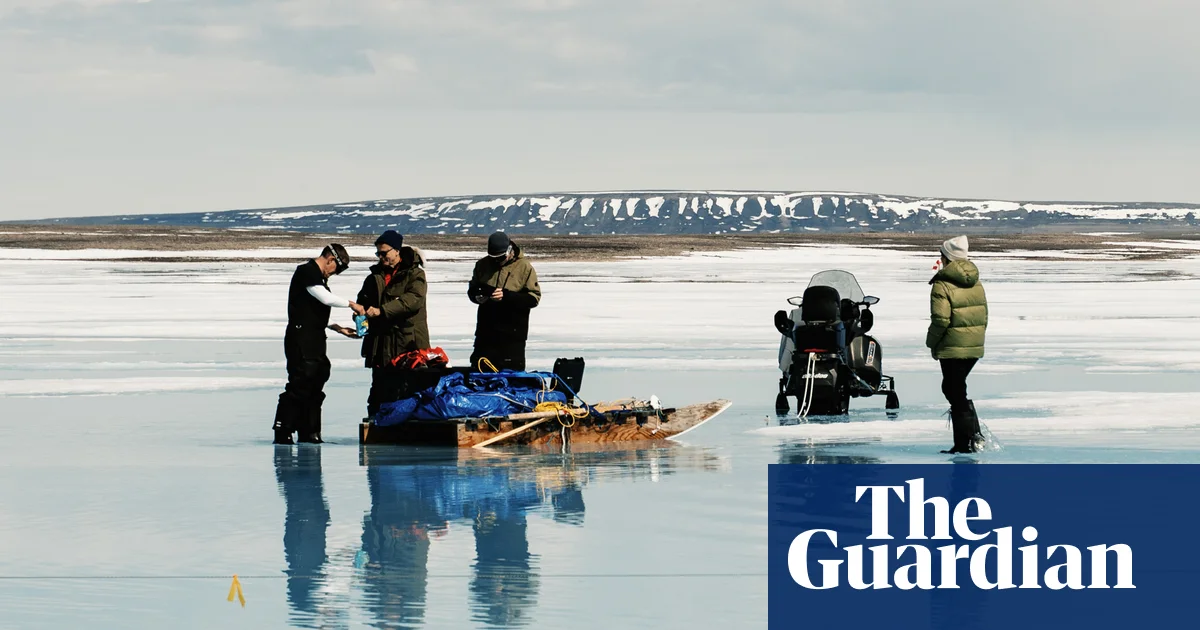
“This would have been a wild dream a year ago,” says Andrea Ceccolini, standing on Arctic sea ice just a 4-mile snowmobile ride from the Inuit town of Cambridge Bay, northern Canada. To his left are sky blue ponds of meltwater created in the last few days by a sun that no longer sets in the high north summer. To his right, the sea ice is still a brilliant white, the light dusting of snow on top continuing to sparkle.“It’s incredibly different, the boundary – I mean, you can point to it,” he says. The difference is the result of a bold geoengineering experiment being conducted by Ceccolini’s company, Real Ice, funded by the UK government.Arctic sea iceFive months earlier, the team had braved temperatures of -40C on the sea ice to drill holes and pump 50,000 tonnes of ocean water up on to its surface. It froze almost immediately, thickening the 1.5-metre-deep ice by about 50cm, according to the new measurements. That has protected the ice, at the start of the melt season at least, and is an early sign that one day, perhaps, it may be possible to refreeze a significant part of the Arctic.‘The coldest was -63C’All around us now, the ice is melting fast, turning the crunchy white surface into shin-deep blue pools and revealing air bubbles in the clear ice below. Temperatures in the bay are over 5C, much higher than the normal -6C to 1C expected at this time of year. “It’s really out of whack,” says Ceccolini.It’s happening not just in Cambridge Bay, called Ikaluktutiak by Inuit, which means “the place of good fishing”. Across the Arctic, sea ice is vanishing rapidly because of the climate crisis. Summer ice has shrunk by about 40% in the last 45 years. That has triggered one of the climate system’s most dangerous vicious circles.
‘At first, the idea does sound crazy’: meet the scientists trying to refreeze the Arctic
Sea ice is melting fast, worsening the climate crisis, but a bold attempt to rethicken it is showing early signs of success
2,510 words~11 min read