Aaron Timm is the CEO of Openwater.gettyInnovation typically follows a linear path: from research to development trials, eventually reaching the end user. But today, technology is reversing that process. From the $2 million-a-year longevity protocols of tech moguls to the real-time physical monitoring of Olympic athletes, we are seeing innovation come from the performance edge, where the goal is to optimize a system’s current state rather than react to its eventual failure.This has become especially clear with how professional athletes use real-time blood flow monitoring. Elite athletes are leveraging pressure cuffs to optimize muscle recovery, near-infrared spectroscopy (NIRS) to track real-time oxygen delivery, and ultrasound to identify recovered injuries. In using technology to maximize physical output, athletes are providing a blueprint for medicine and beyond: a transition toward oversight that is proactive, continuous and individualized.Unlocking The Value Of Continuous DataTraditionally, clinicians assess blood flow during discrete, sedentary appointments, usually after an acute health issue arises. Athletes are approaching blood flow monitoring differently, seeking to capture the dynamic fluctuations of the vascular system under stress. Doing so grants them valuable insight into physiological behavior in high-stakes environments, such as the final kilometer of a climb or the peak of a 100-mile ultra-marathon.A primary example is using NIRS to track muscle oxygen saturation, which allows athletes to access a stream of data that identifies metabolic trends as they happen. While a metric like heart rate can take minutes to show an increase or decrease in exertion, blood flow and oxygenation data provide an immediate feedback loop. Unlike heart rate, blood flow data may provide a more immediate view of physiological stress, helping athletes make more informed pacing decisions before fatigue becomes apparent.Beyond NIRS, emerging noninvasive blood-flow monitoring technologies, including camera-based near-infrared systems, are beginning to quantify microvascular blood-flow patterns continuously, giving athletes and clinicians another window into real-time tissue perfusion. Through my work in this field, I've seen growing interest in these approaches as researchers look for ways to monitor tissue health outside of traditional clinical settings.Listening To Microvasculature SignalsAnother major difference in how athletes use blood flow metrics is their focus on smaller capillaries instead of major blood vessels. While clinicians are mostly concerned with preventing serious blockages, athletes are looking to measure physical performance via the microvessels where oxygen and nutrients are exchanged for metabolic waste. One example is blood flow restriction (BFR) training, where athletes wear a cuff that applies precise, sensor-controlled pressure to a limb, deliberately stressing the micro-environment. BFR is often used in place of weight training for athletes in recovery because it simulates physical stress without affecting joints. The point is to better understand how the microvasculature impacts critical moments, like recovering grip strength in the seconds between intense bursts of effort.Historically, the challenge has been visibility. Microvascular function is difficult to observe in real time without expensive or invasive tools. But advances in optical and ultrasound-based imaging are beginning to close that gap, enabling more precise observation of capillary-level blood flow in both research and clinical settings.Moving Beyond Population AveragesElite athletes are acutely aware that an individual’s “normal” state is dynamic, influenced by external factors such as sleep, altitude and physical stress. That’s yet another reason why continuous, granular data collection is so valuable in the world of sports. Because the system is calibrated to the individual, subtle changes in peripheral blood flow may serve as an early indicator of fatigue or vascular stress. The focus is not on whether the athlete’s metrics are healthy compared to the public, but whether they are consistent with that athlete's demonstrated peak performance levels.This individualized approach reflects a broader shift surfacing in clinical research. As point-of-care ultrasound (POCUS) becomes more accessible, researchers are exploring how continuous or repeat imaging could support more dynamic assessments of tissue recovery and musculoskeletal health. How to operationalize this individualization at scale, however, remains an open question. Advances in the field, such as AI-assisted interpretation, are expected to play a role in expanding how this technology is used across patient care.Looking To The Technology Of The Future Blood flow monitoring is just one piece of the broader athlete-tech stack. The growing focus on continuous data is encouraging predictive insights rather than reactive ones. We see this in wearable performance devices already in use by endurance athletes and sports teams, helping track movement and using biometric markers for minimizing injuries and maximizing performance. By monitoring real-time physiologic and movement parameters during athletic events, GPS and inertial wearables can detect patterns and provide a basis for designing more efficient training programs, as well as help screen for any causes of injuries. As technology continues to advance, developments such as the use of force plates to measure athlete’s jump output are being put into use. We also see this in velocity-based training systems, used to deliver immediate feedback on how quickly athletes move, working to support injury-risk screening and readiness testing. While physical training remains a core focus, cognitive and neural enhancement is increasingly being explored. Some athletes are using headsets to deliver transcranial direct current stimulation to the motor cortex in an effort to improve muscle memory and increase acquisition of motor skills. In the same vein, eye-tracking glasses are providing a possible way to measure mental fatigue, determining if drops in an athlete’s performance are physical or cognitive.From Maintenance To OptimizationThe evolution of blood flow monitoring from elite sports to the clinical space reflects a broader technological shift: a transition from reactive care to continuous optimization. Just as modern industrial systems use real-time sensors to identify mechanical strain before a failure occurs, the integration of technologies like NIRS, wearables, BFR and POCUS supports the possibility of a more pre-symptomatic and proactive approach to health monitoring.As the industry moves away from static thresholds and embraces persistent oversight, the focus can turn to prioritizing long-term stability over emergency intervention.Forbes Technology Council is an invitation-only community for world-class CIOs, CTOs and technology executives. Do I qualify?
What Elite Athletes And Blood Flow Monitoring Reveal About Healthcare
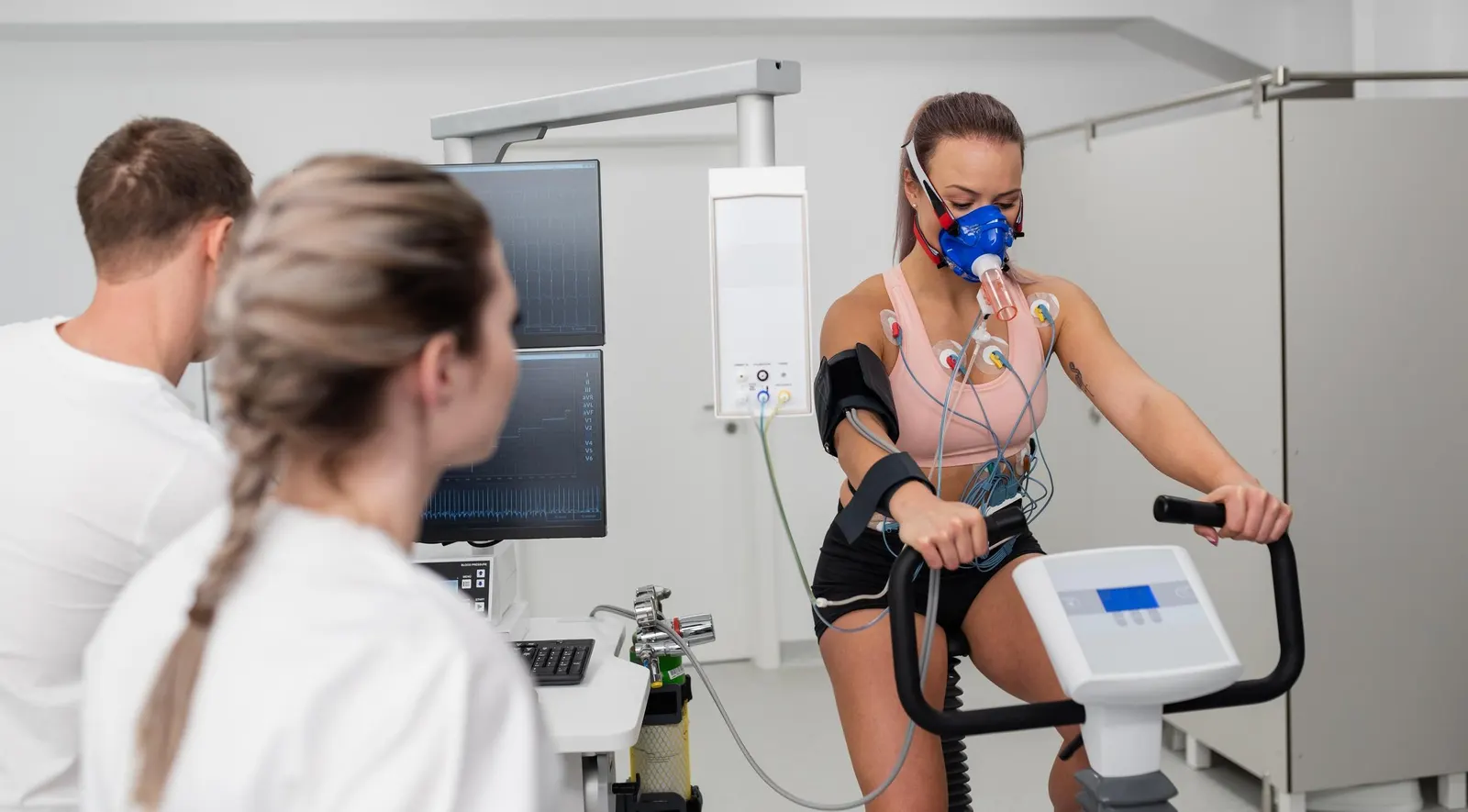
The evolution of blood flow monitoring from elite sports to the clinical space reflects a broader technological shift.
989 words~4 min read