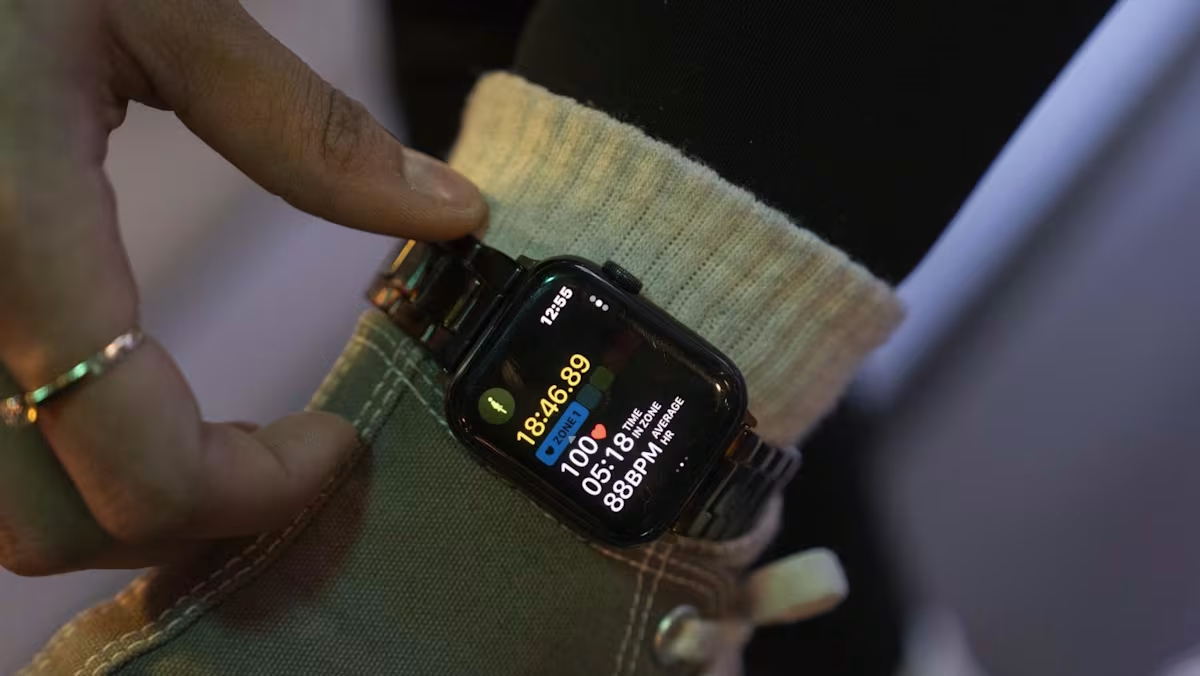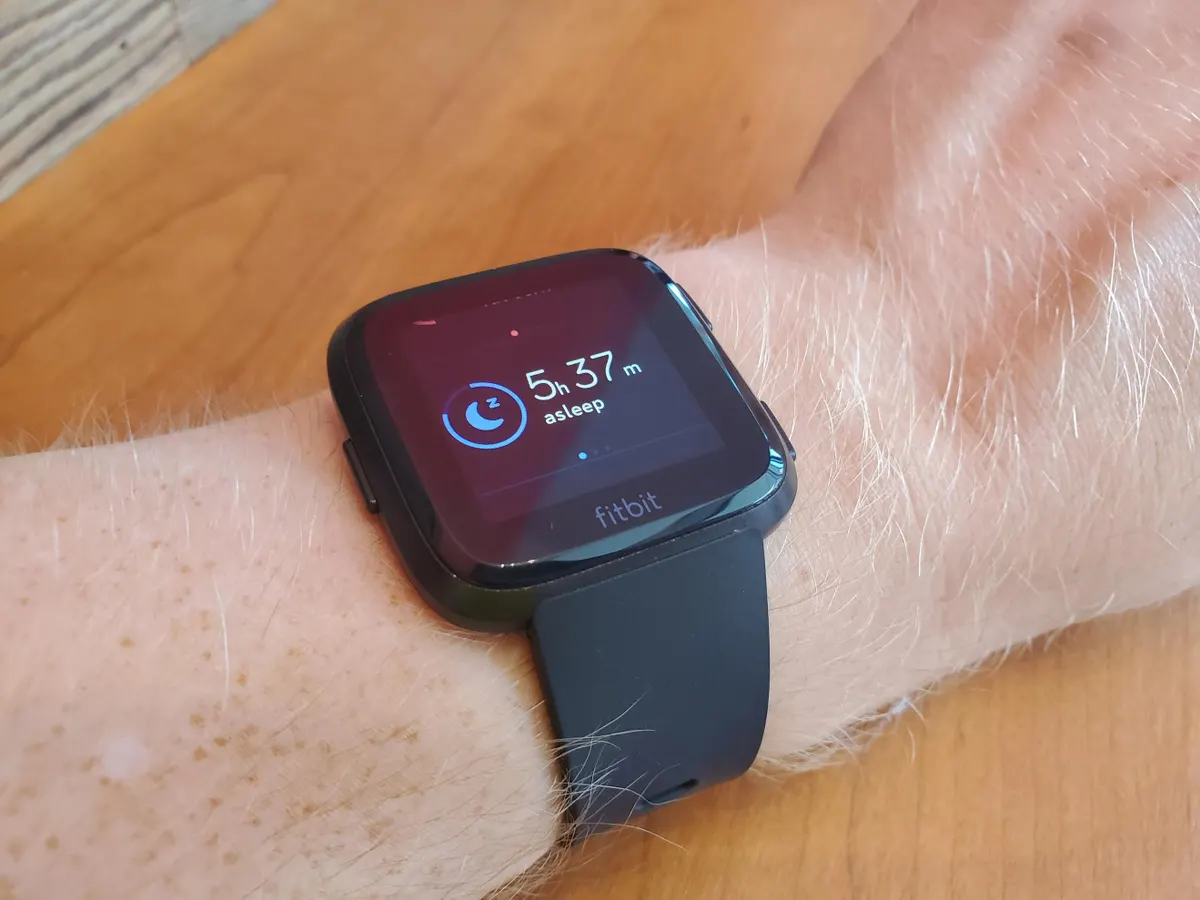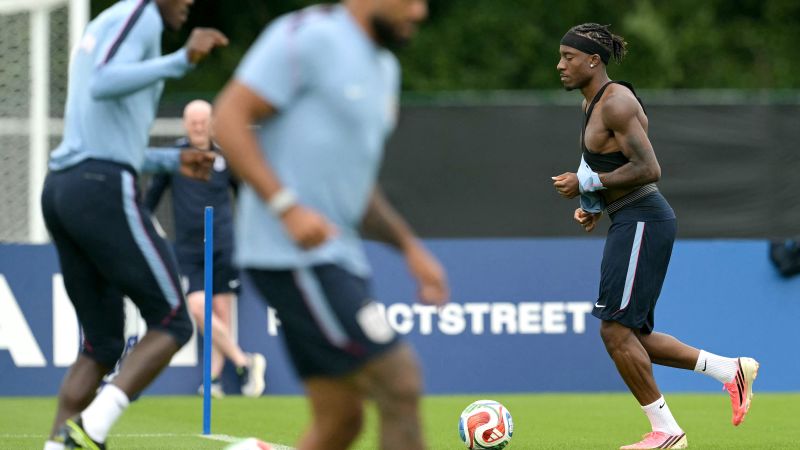
Millions of people around the world wear smart rings and fitness trackers to keep tabs on their sleep, workouts, heart rate and even body temperature, all in the name of better understanding their health. But at the World Cup, that same technology is being pushed to an elite level.
In a tournament where the margin between winning and losing can be razor-thin, players are not only tracking biometric data, they’re leveraging it to fine-tune recovery, manage fatigue and unlock even the smallest performance gains.
Players have been spotted training and competing with commercial devices – such as sweat patches, WHOOPs, Oura Rings and performance vests – highlighting how consumer wearables continue to reshape the science of elite sports and, in turn, influence how athletes at every level train.
Most professional athletes are looking for every percentage point of data that might help give them a competitive advantage on a world stage, said Dr. Justin Mullner, sports medicine physician at Orlando Health Jewett Orthopedic Institute, who is the head primary care sports physician for Orlando City SC in the MLS and the Orlando Pride in the NWSL.
“These data points can then be used to follow trends and help the athlete know when their sleep is suffering or when they are not recovering as well as they usually do, so that they can intervene and change behaviors to get back on track,” Mullner said in an email.