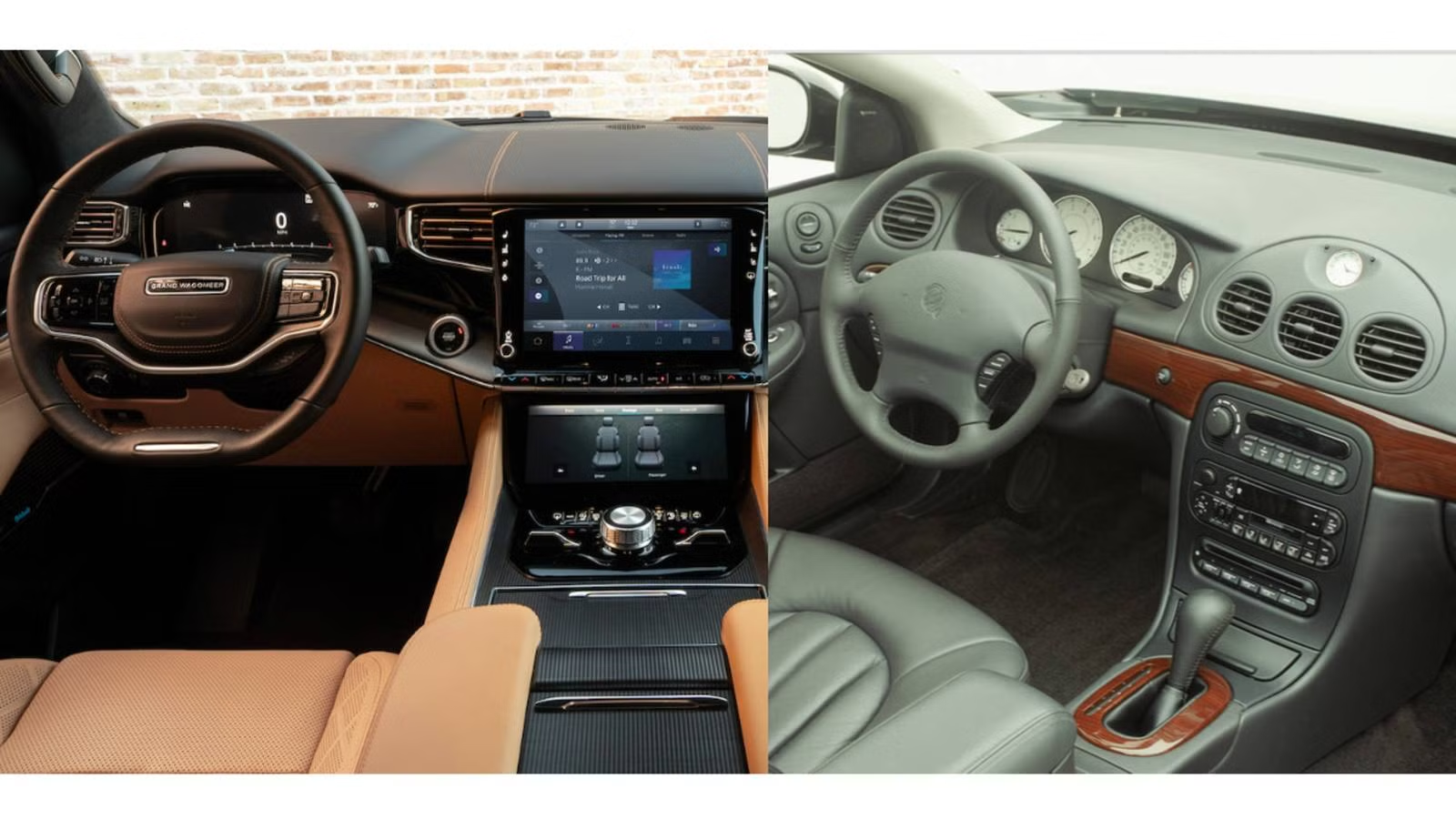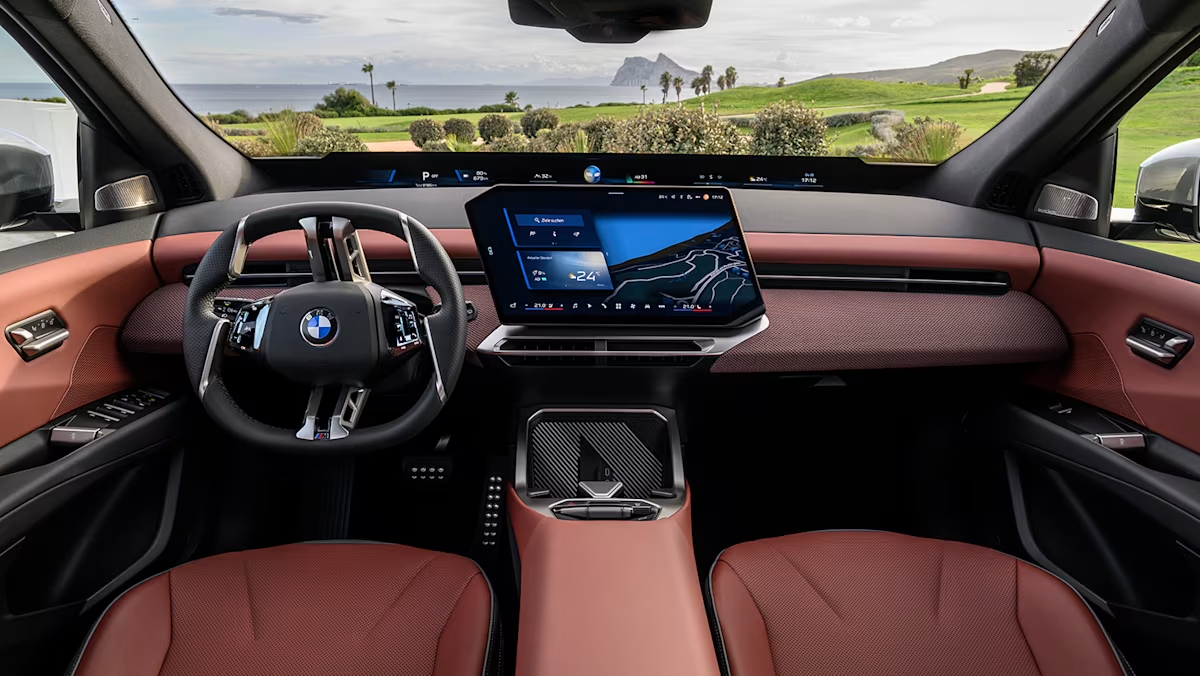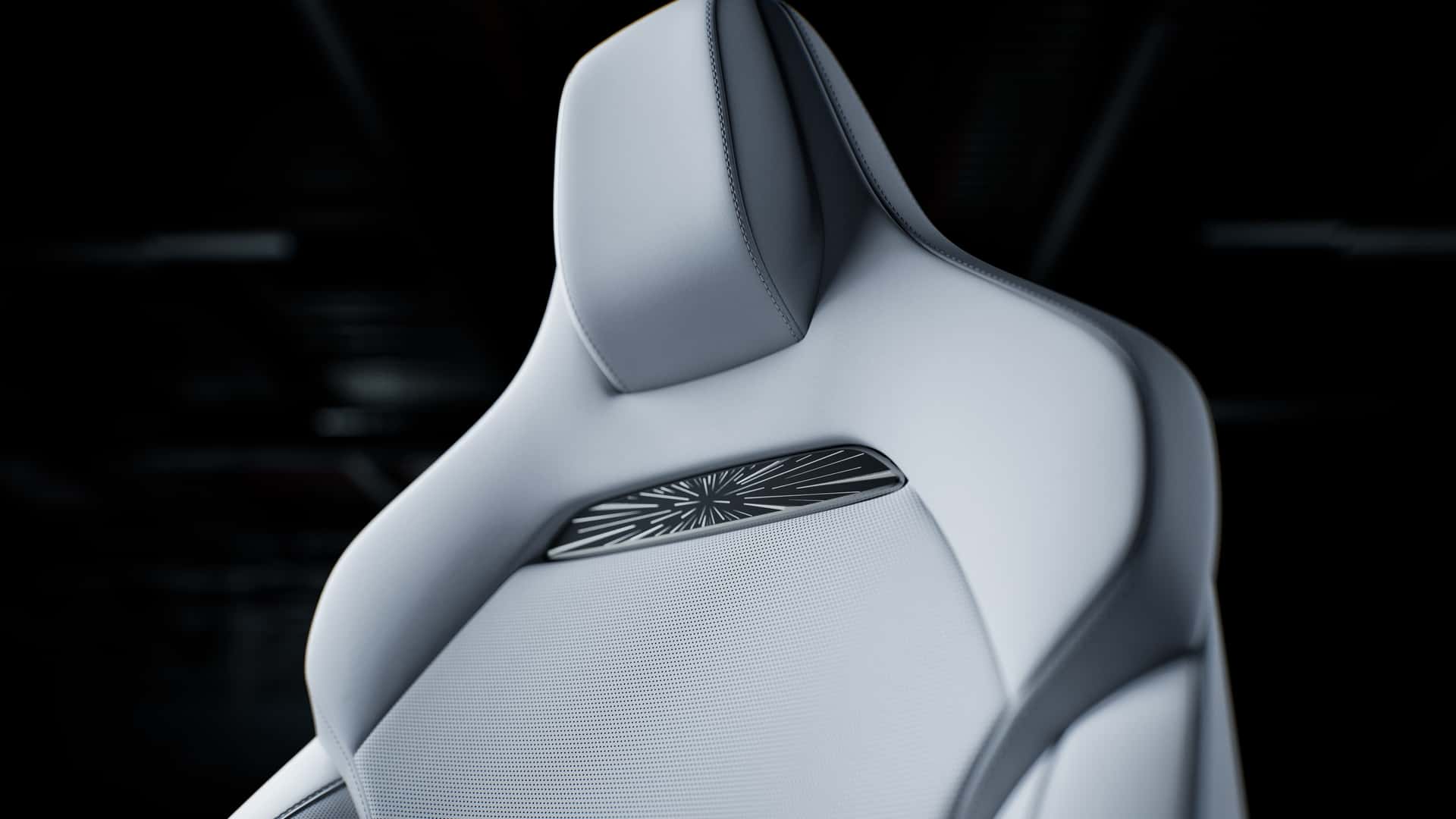
Jon Kirchner, CEO, Xperi.gettyBack when I bought my first car, a light blue 1971 Volkswagen Beetle, my criteria were pretty simple: I needed something reliable that I could afford, and, of course, it had to come with a decent radio.Today, the bar is much higher. Most modern vehicles are safer, more dependable and more technically advanced than anything I drove growing up. As those core features have improved, automakers have had to find new ways to stand apart.Increasingly, that differentiation is happening inside the cabin. Nearly 60% of new car buyers in the U.S. say infotainment plays a deciding role in their purchase. Drivers expect the in-cabin experience to feel intelligent and easy to use.But the real opportunity is much bigger than doubling down on entertainment or navigation. For decades, the automotive business model has been straightforward: Sell the car, maintain the service relationship and bring the customer back when it’s time to buy again.As infotainment systems, digital services and personalized interfaces play a larger role in the in-cabin experience, that model is changing. The cabin is creating new opportunities for loyalty, recurring revenue and an ongoing relationship with customers after the initial sale.From Transportation To TransportativeFor most of automotive history, the car’s primary job was to move people from one place to another, but as vehicles become more connected, electric and eventually more autonomous, the cabin has the potential to transport people in another sense: mentally, emotionally and experientially.Walk through any future-focused auto show and you can see where this is heading: concept vehicles with glass that can shift from transparent window to immersive digital screen depending on the moment.Automakers are leveraging advances in compute power, connectivity and infotainment interfaces to deliver richer, more personalized in-cabin experiences. Some automakers are seeking to provide a more unified entertainment experience across radio, audio and video, while others are focusing on times when the car is parked or charging by offering video streaming, in-car gaming, apps and other connected services. Still others are changing the way the interior feels with reclining seats and moving center consoles, reminiscent of a living room.Although approaches may differ, the direction is the same: The cabin is becoming one of the most important places for automakers to show what their brands stand for.Driving Gets More Personalized And AdaptiveIn my car, I have a favorites list: news, sports, jazz and rock, depending on the day and my mood. On my morning commute, I listen to the news to get caught up. On the drive home? I’m ready for some music.A smart system should learn that pattern. It would know 7 a.m. on a weekday is different from 6 p.m. on a Friday. It would surface the right options because it understands the moment.That’s what separates a good in-cabin experience from an invaluable one. At its core, it comes down to low friction, performance and personalization:• Low friction starts with a clean design, interface simplicity and minimal effort. It also means knowing when to stay out of the way. My car already does this well: When I’m reversing, it lowers the volume so audio doesn’t compete for attention.• Performance means audio and visual output that meets the bar set by the tech we experience in our living rooms.• Personalization has the highest ceiling. A great system should remember your preferences, adapt and become smarter over time. This can make entertainment, information and advertising more relevant, but only if the experience feels helpful rather than intrusive.A New Business Model For AutomakersThe opportunity in the cabin isn't simply to monetize another screen or option. The vehicle is becoming a place where people spend meaningful time, make decisions and interact with entertainment, information and services throughout the day. That creates several new revenue opportunities.Subscriptions are one. Infotainment, connectivity, real-time traffic and data packages give automakers a way to maintain the customer relationship after the sale, rather than ceding it entirely to third parties.Advertising and commerce are another. The key isn't to interrupt drivers with generic messages but to make useful information easier to act on in the moment: fuel, parking, food, entertainment or local offers based on where someone is.This context is what makes the cabin so commercially interesting. The vehicle is one of the few environments where the automaker has a direct, recurring touchpoint with the customer.We're already seeing automakers, researchers and tech companies recognize this. Connected entertainment and broadcaster-facing measurement tools are making it easier to understand how people engage with media in vehicles. Over time, that can support more relevant advertising and commerce without making the cabin feel like another digital billboard.Many automakers are still early in understanding how best to tap into these opportunities. But the implication is clear: The value of the vehicle now extends well beyond the initial sale and service relationship.Driving Toward A Future Living Room On WheelsYou can see where this is going. Soon, the best in-cabin experiences will feel like your living room does now: smarter environments with more choice, more control and less friction between what you want and what you get.But this isn't the endpoint. Autonomous driving is unlocking the opportunity for full in-cabin immersion, and AI and compute capability will keep expanding what's possible.Cars that look good and drive well will always matter. But forward-thinking automakers see the vehicle as more than a way to get from one place to another. They think about what kind of experience it can create along the way—and how it transports people in every sense of the word.Forbes Technology Council is an invitation-only community for world-class CIOs, CTOs and technology executives. Do I qualify?
Why The Most Valuable Part Of An Automobile Is Now Inside The Cabin
The cabin is becoming one of the most important places for automakers to show what their brands stand for.
930 words~4 min read