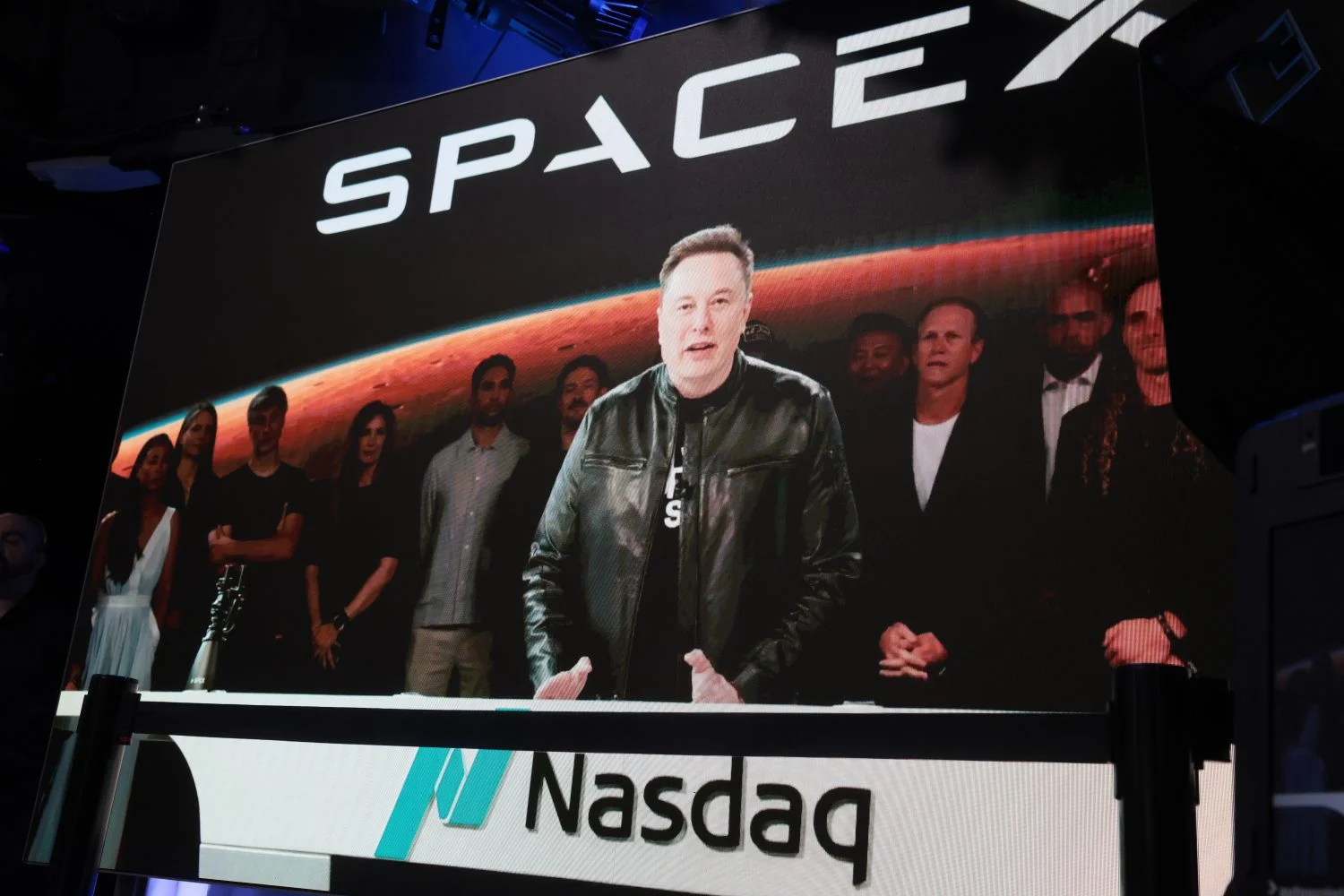
Imagine if one company could become the railroad, electric utility and cloud-computing provider of the emerging space economy. That potential fueled excitement around the long-anticipated initial public offering of SpaceX. Investors are not simply betting on rockets anymore. They are betting on an entire orbital ecosystem.
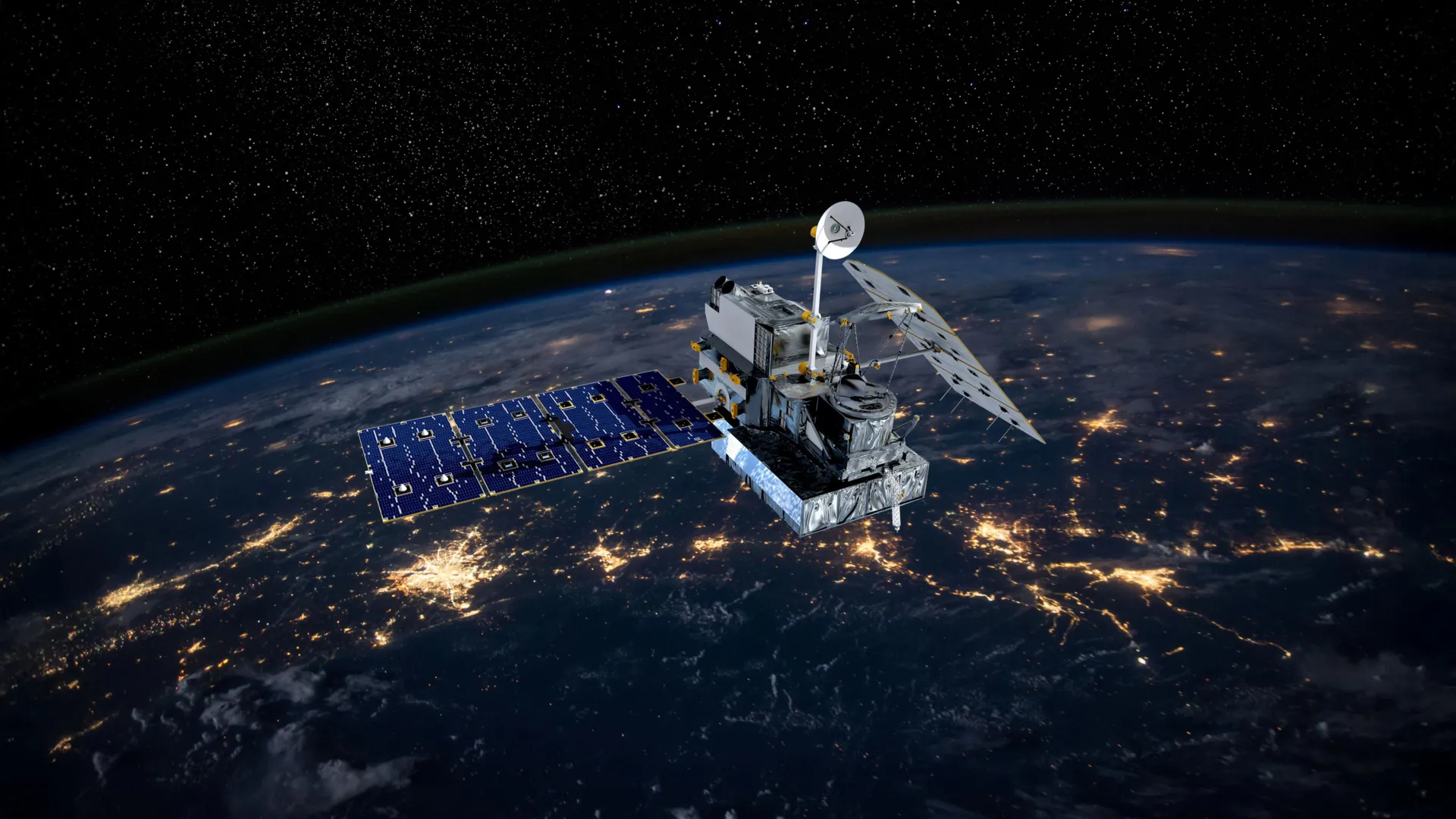
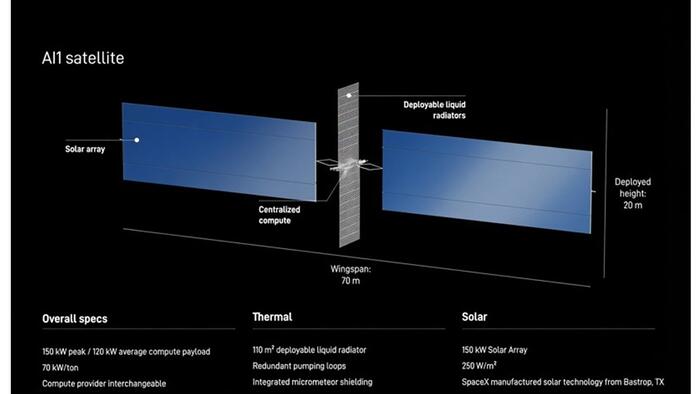
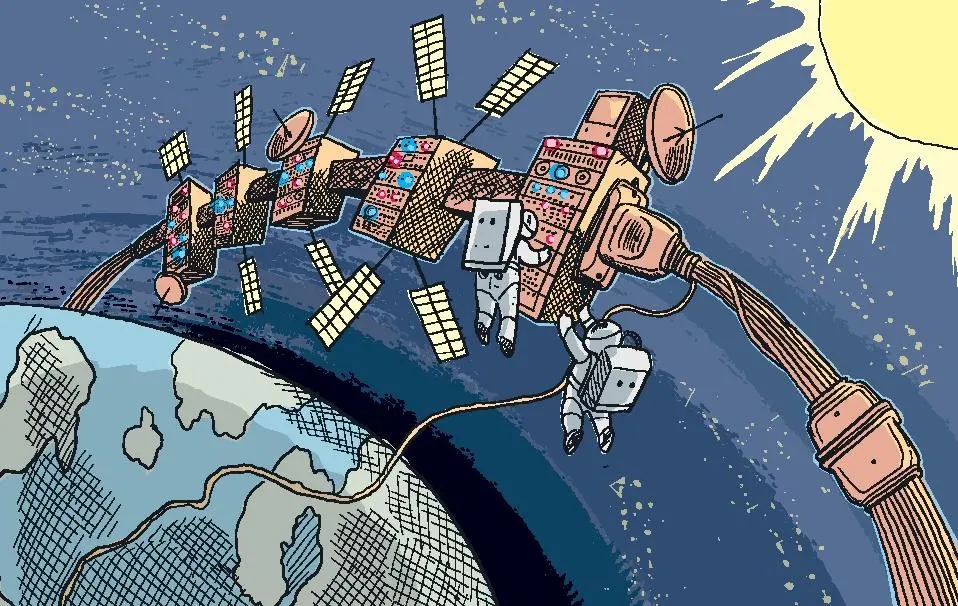
Among the most ambitious and challenging ideas riding this wave of enthusiasm is something that sounds almost like science fiction: orbital data centers. SpaceX may be one of the most well-known companies seeking to build them, but it is not the only one.
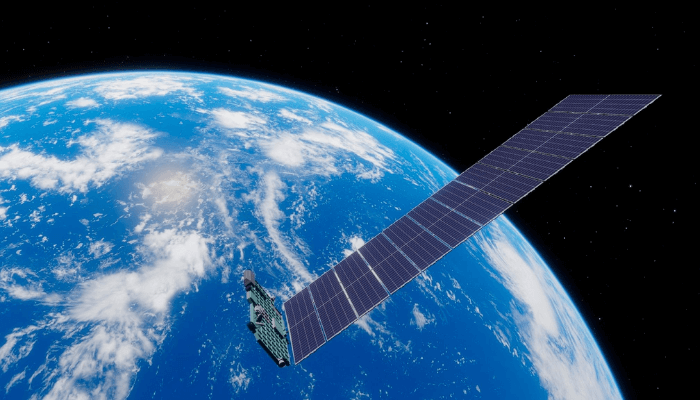
The logic is seductive: Launch the data centers into orbit, where solar energy is abundant and land, water and local power grids are no longer constraints. As artificial intelligence drives an explosion in computing demand, companies are pitching orbital data centers as a way to escape the growing environmental and infrastructure pressures of Earth-based computing. Data centers often also face backlash from the public at having these centers located in their communities.
But there is a vast difference between launching satellites and operating an industrial-scale computing infrastructure in orbit. Space is unforgiving. Radiation damages electronics. The electronics generate enormous amounts of heat, and getting rid of that heat is surprisingly difficult in space. Repairs are extraordinarily expensive, and every pound launched into orbit still carries a significant cost.