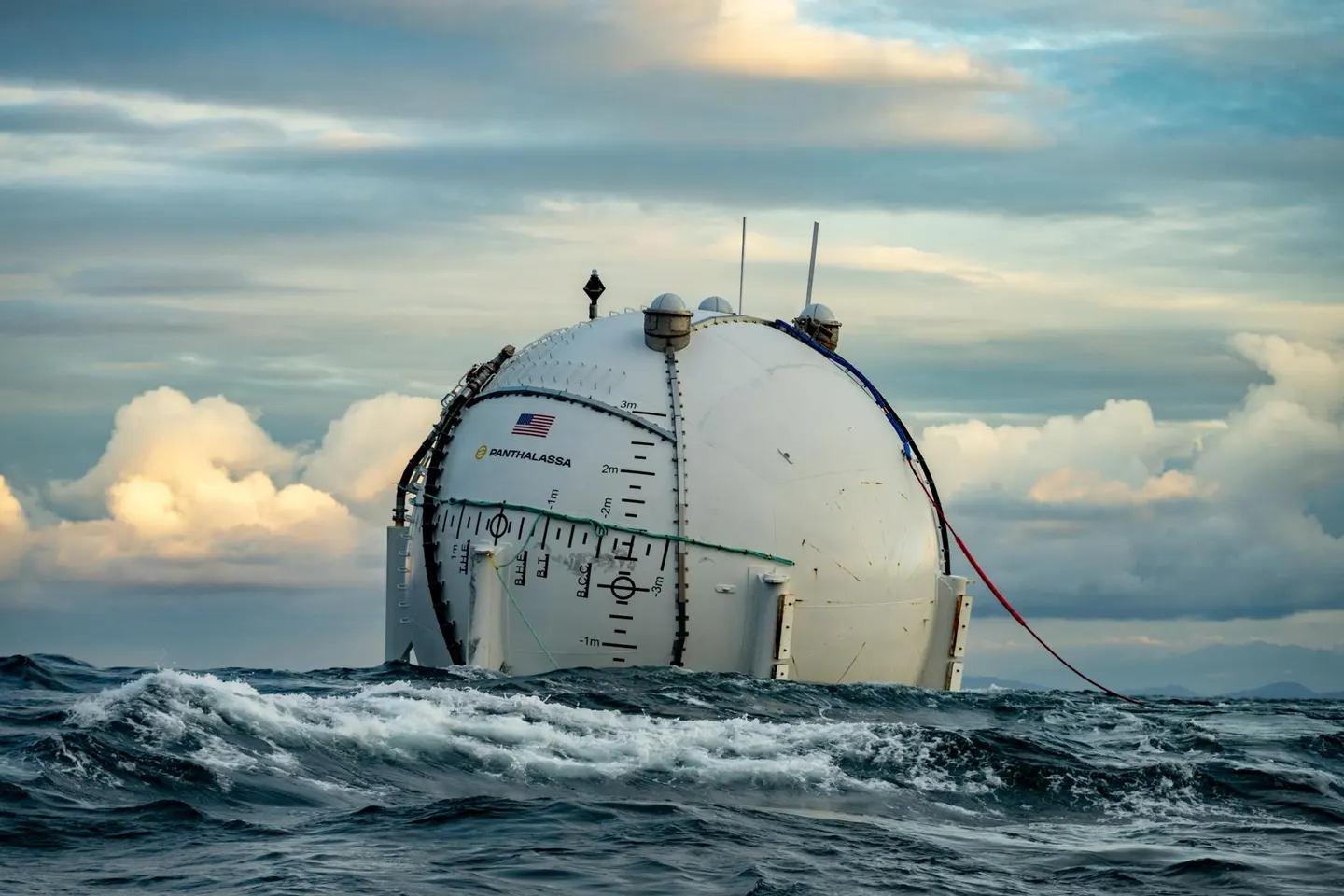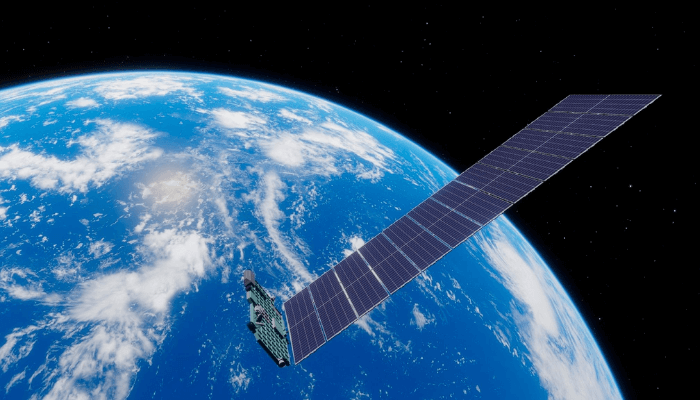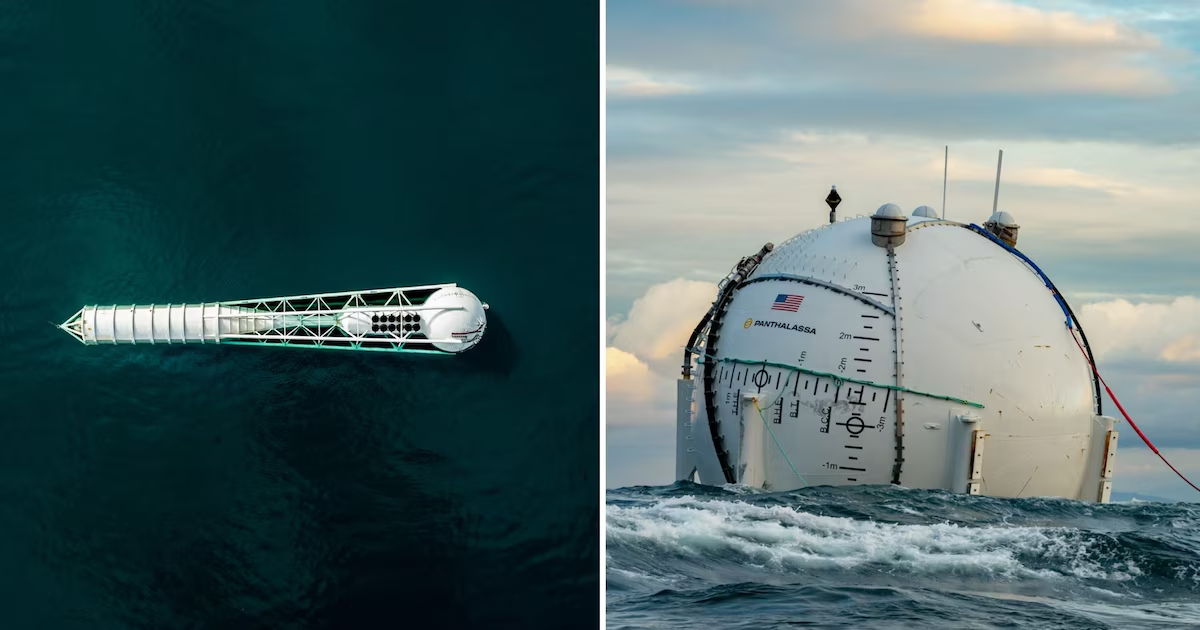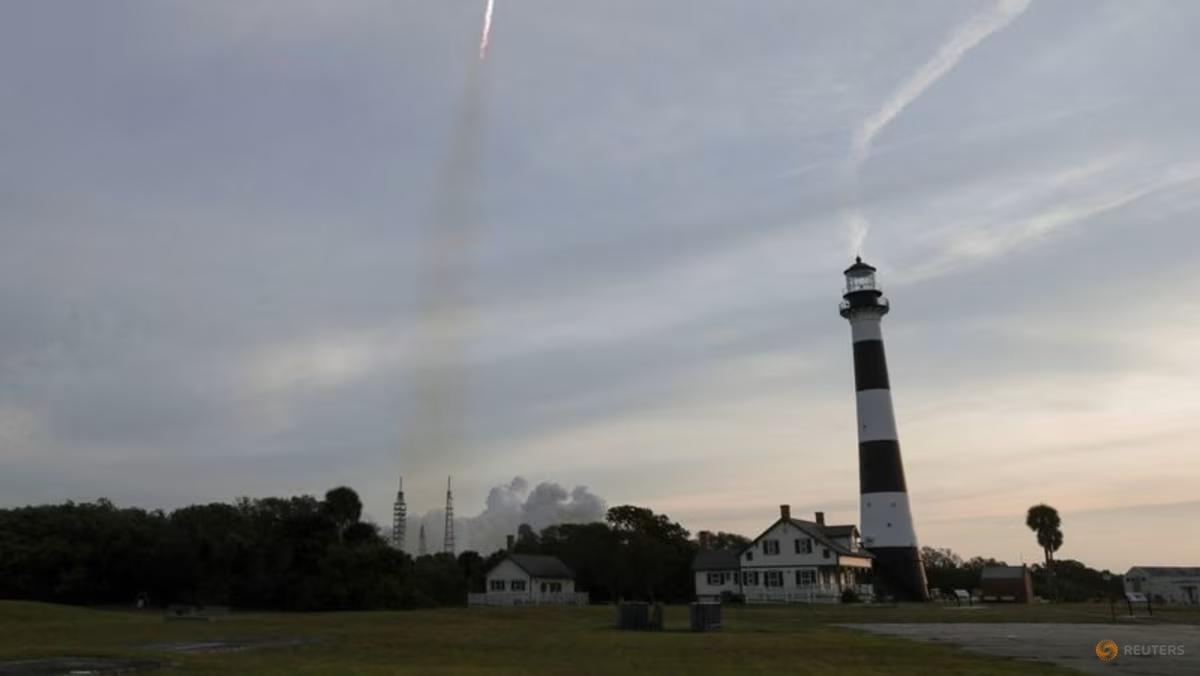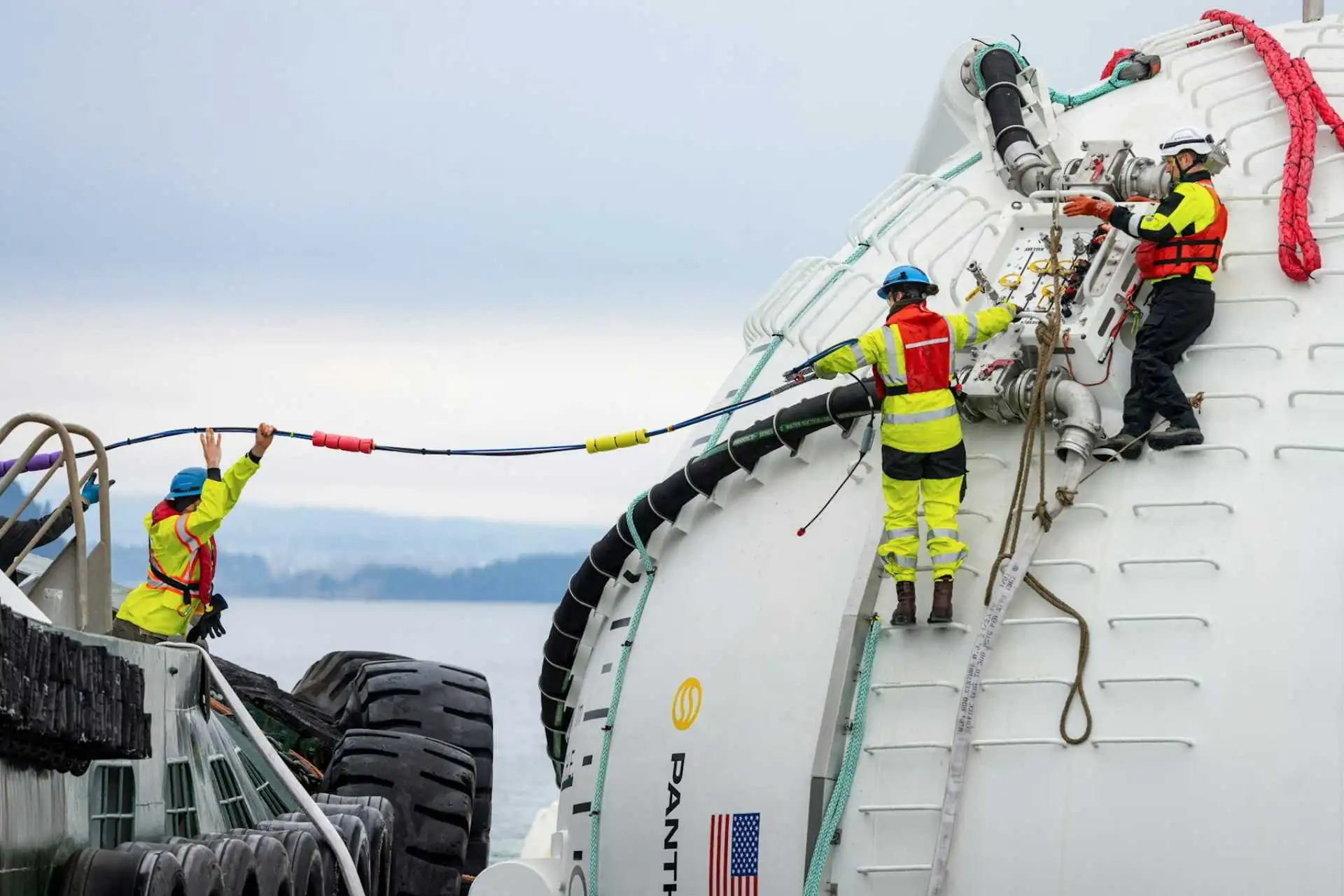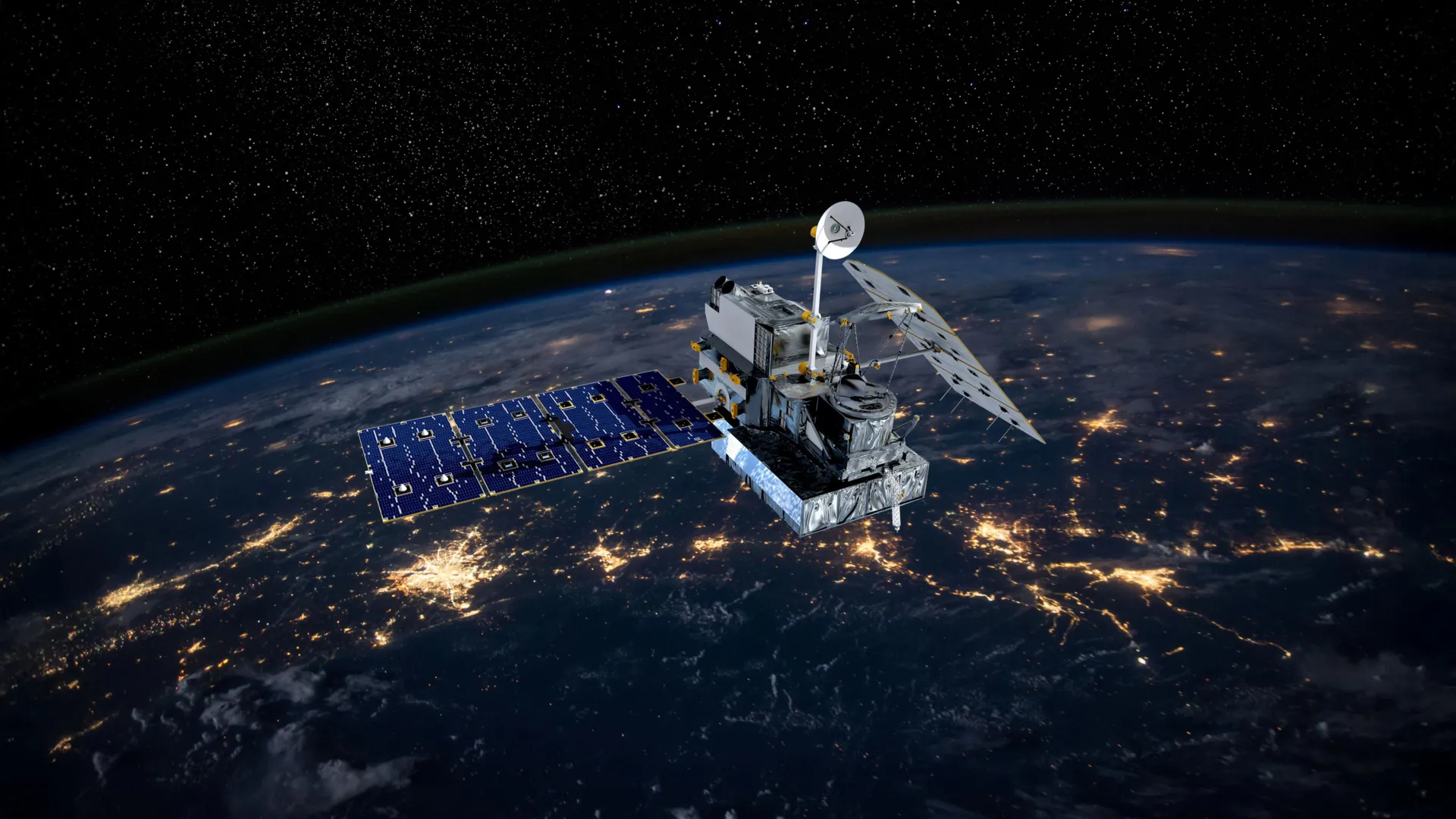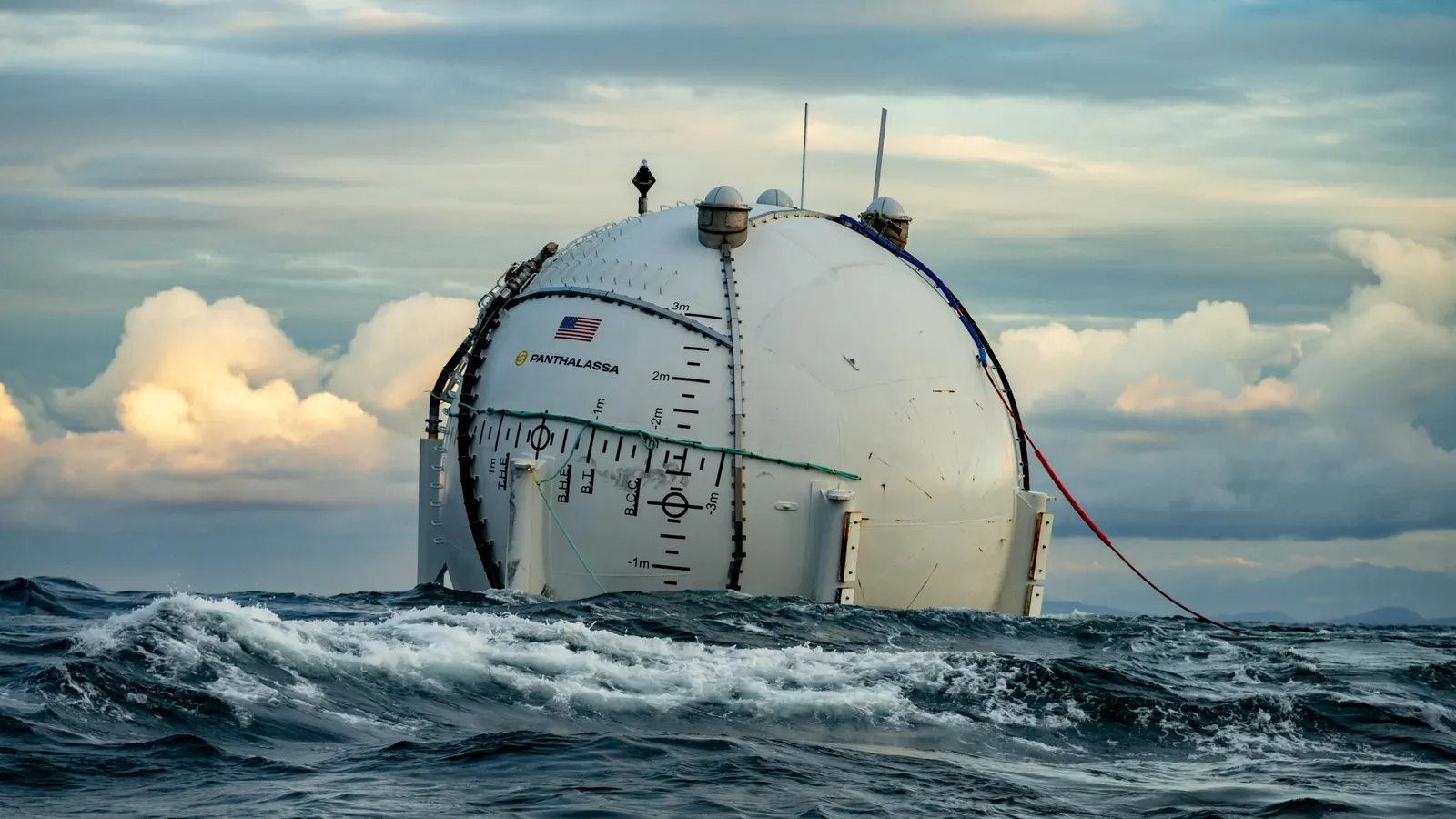
Panthalassa began testing Ocean-2, a prototype data center node off the coast of Washington state, in 2025.PanthalassaAmong big future businesses Elon Musk is selling investors in newly public SpaceX is his plan to put data centers in space: solar-powered satellites, spread across a vast network, processing information in space and beaming it back to Earth. As pitches go, it has the clean geometry of a Musk bull case. It’s the kind of “I want to die on Mars, just not on impact” sci-fi idea the newly minted trillionaire is famous for. And it’s particularly well timed: the AI feeding frenzy is in overdrive, but the terrestrial data centers they require are becoming an unwanted menace in many communities, raising utility rates, creating noise and pollution, and generating few local economic benefits. SpaceX hopes to begin launching orbital data centers in 2028, though its IPO filing gives no cost estimates for such a system. It does, however, include the kind of caveat that sits in a securities filing like a flare on the runway: The plan involves “significant technical complexity, unproven technologies, or technologies that do not exist or may require significant advancement, and such initiatives may not achieve commercial viability.”SpaceX lawyers meant it as a warning. Musk could probably plaster it on the lobby wall.But if the goal is simply to move data centers off land and run them at lower cost, there’s a far better option: the ocean. It’s far away from taxpayers, zoning fights and the sudden arrival of hyperscale neighbors. And it may be a climate-friendly source of power and a cheap way to cool massive data centers. “What we’re doing is totally crazy”
Forget Elon’s Data Centers In Space. This Startup Wants To Float Them At Sea
Panthalassa sees data centers powered and cooled by the ocean as a cheaper alternative to the orbiting server farms Musk is pitching to SpaceX investors.
1,693 words~8 min read