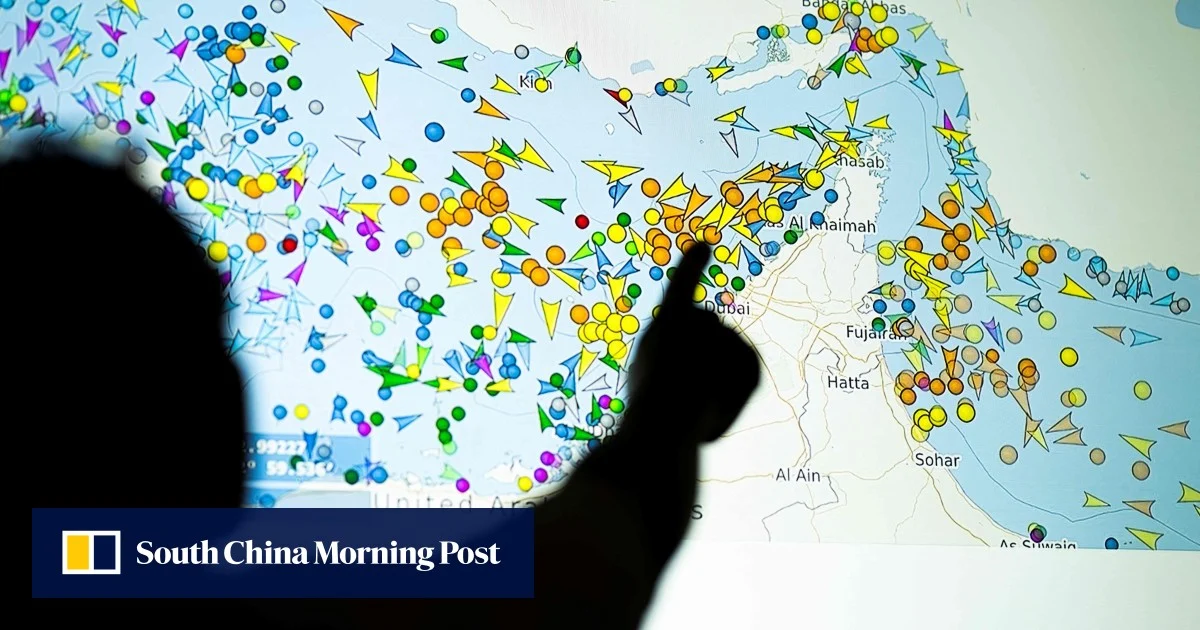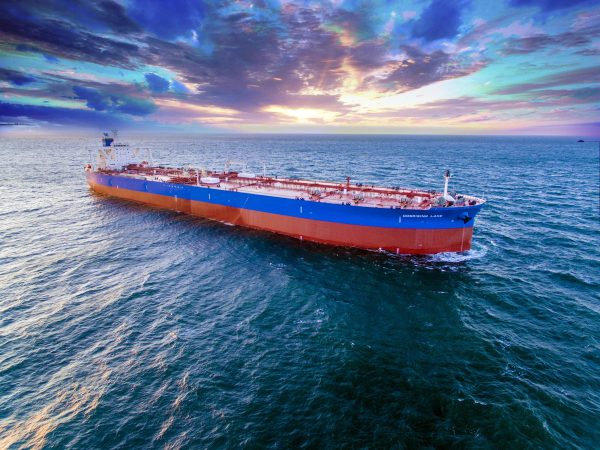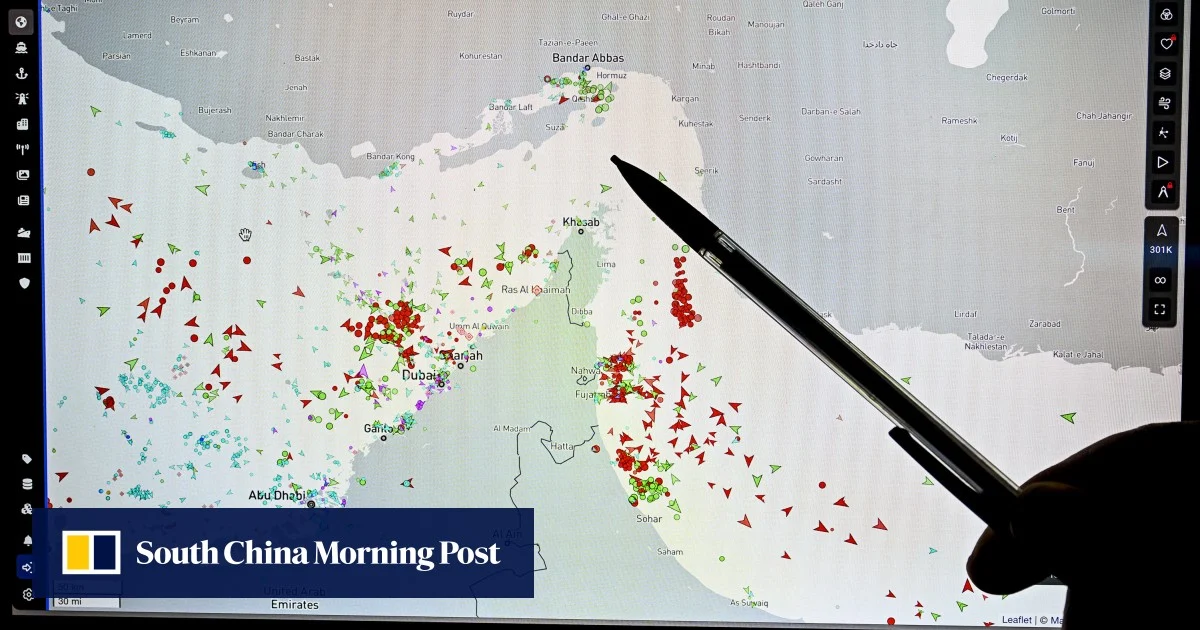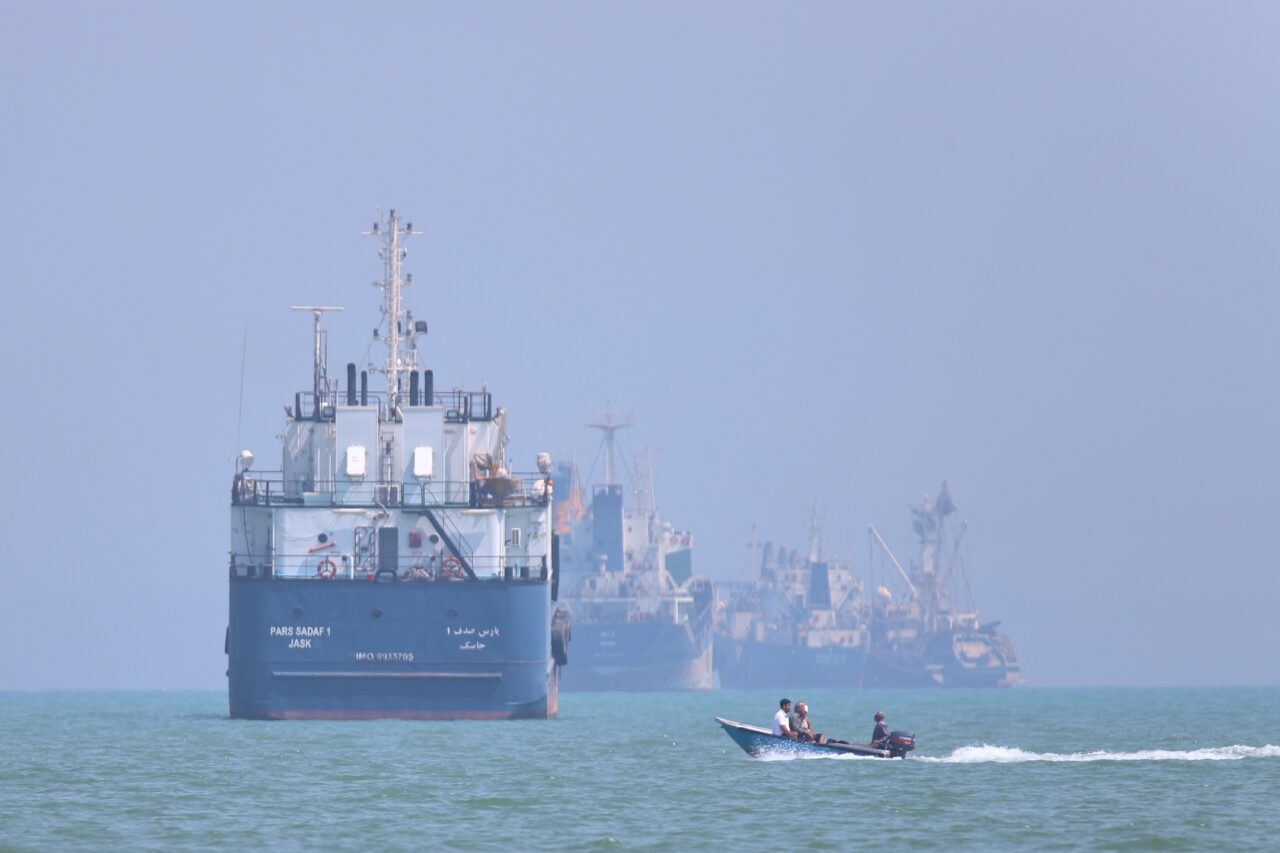
The Iran war and disruption of the Strait of Hormuz are unlikely, on their own, to fundamentally reshape global trade. The maritime system remains deeply embedded in global energy flows and industrial supply chains and is resilient to episodic shocks. However, such events may accelerate a longer-term shift in China’s external economic strategy toward a corridor-hedging logic, in which connectivity is understood not as a single integrated system but as uneven, only partly substitutable routes that vary in usefulness under different geopolitical conditions.
This does not signal a move away from maritime globalization or an attempt to replace it with continental alternatives. Maritime trade remains dominant due to its scale, efficiency, and institutional depth. Instead, China is making a layered adjustment in which sea-based dominance persists but is complemented by selectively developed overland and semi-overland corridors designed to reduce exposure to chokepoint disruption. Within this structure, Iran occupies a structurally important but politically constrained position as a conditional transit space in a fragmented Eurasian connectivity landscape.
Chokepoint Exposure and the Structure of Vulnerability