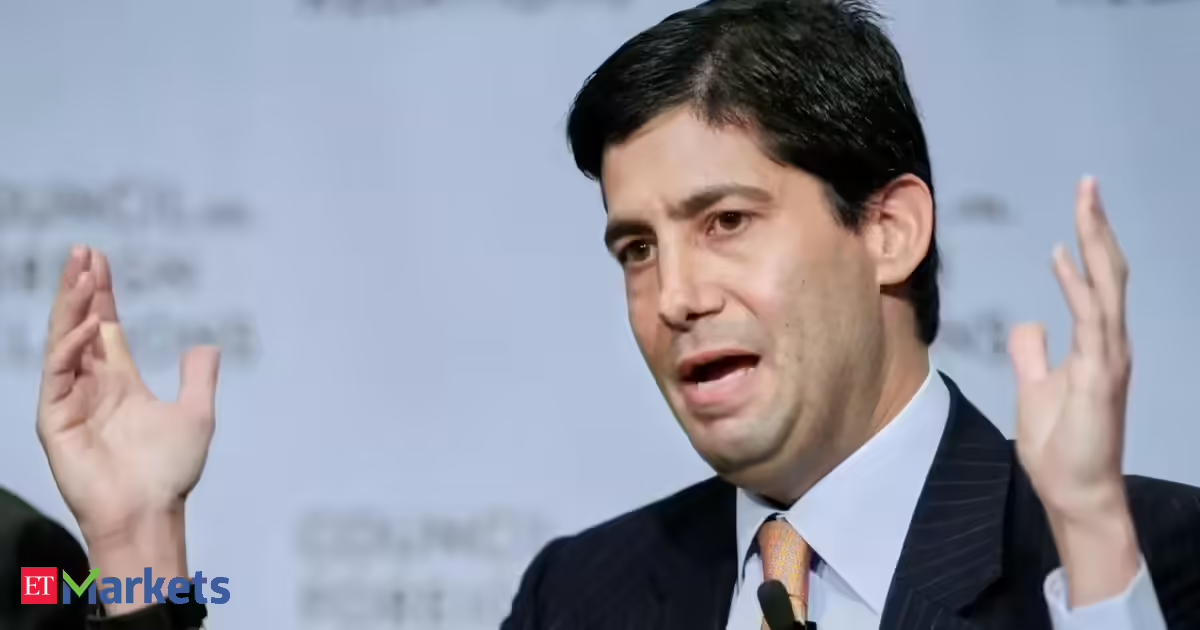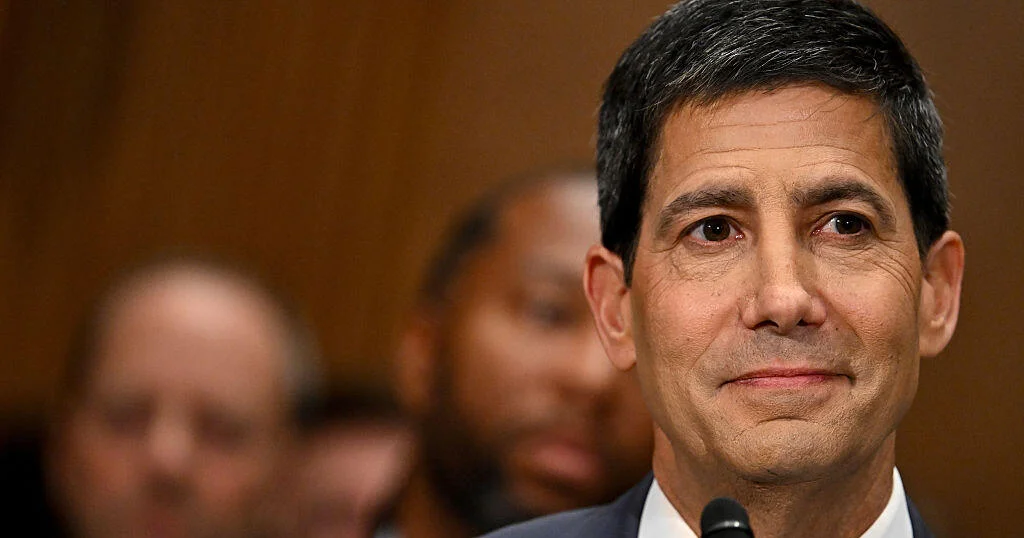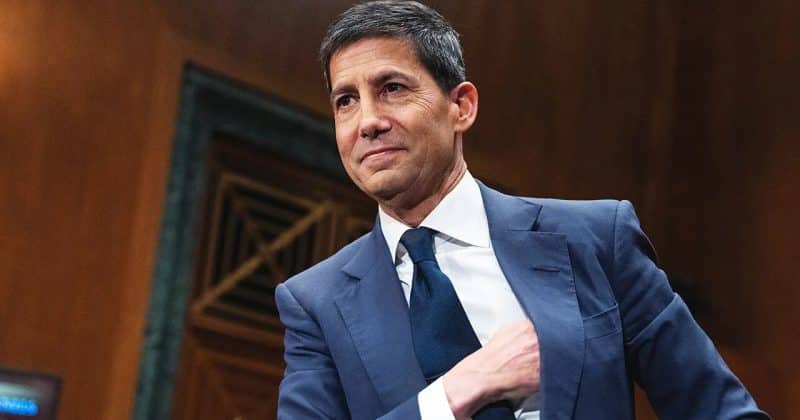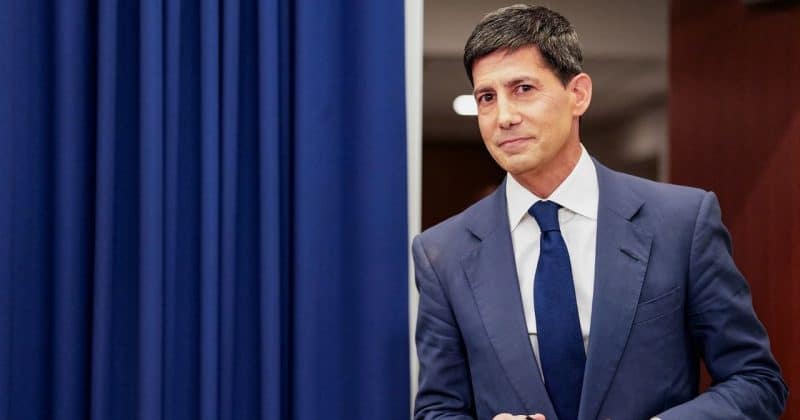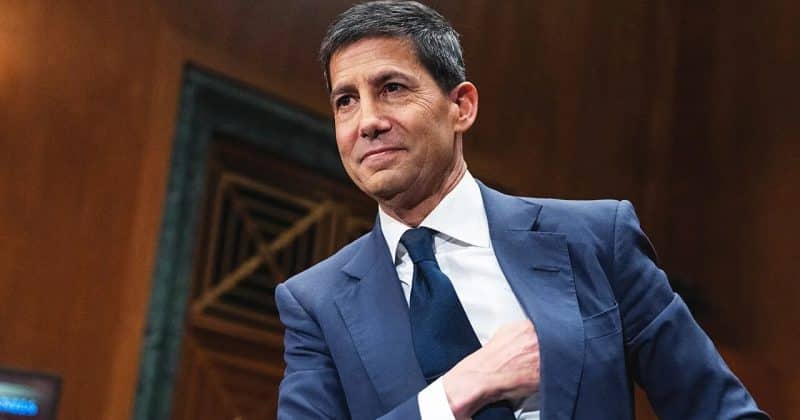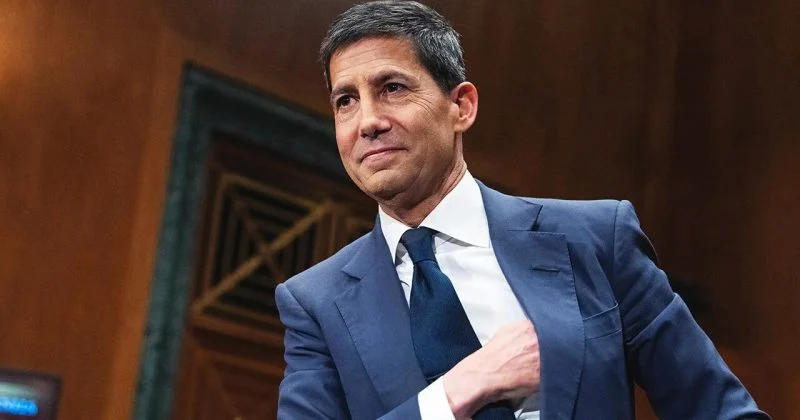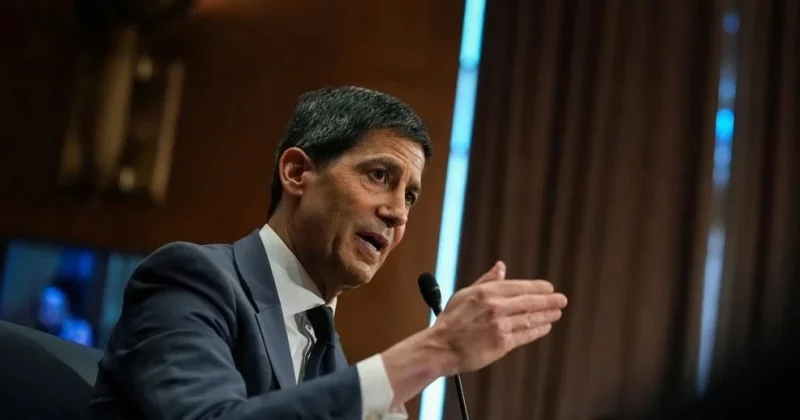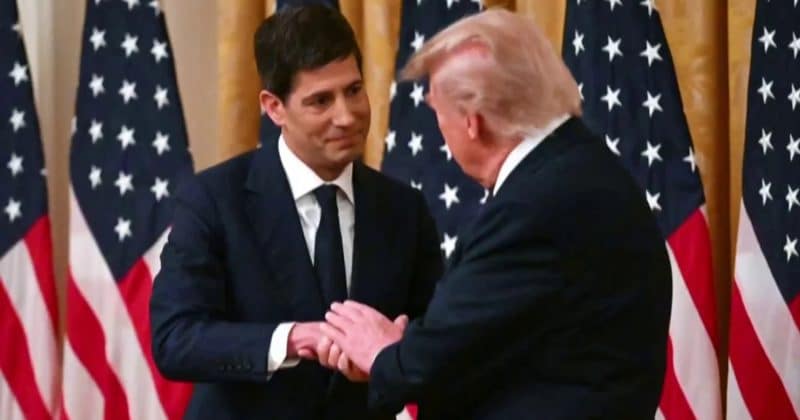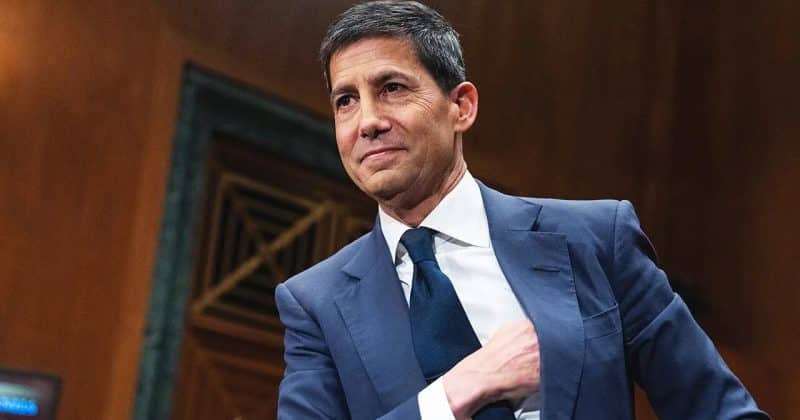
Kevin Warsh barely had time to settle into the Federal Reserve chairman’s office before reality started rewriting his playbook. The former Fed governor, sworn in around May 22, 2026, as Jerome Powell’s successor, initially came in with a rate-cutting posture. Now economists say he’ll likely need to do the opposite: raise interest rates before the year is out.
The culprit is inflation, which has climbed above 3% for the first time in three years.
From rate cuts to rate hikes: a sharp reversal
Traders now assign a greater than 70% probability to at least one rate hike by the end of 2026. The federal funds rate currently sits in a target range of 3.50%-3.75%, and the consensus had been that it would stay there through year-end. That consensus is fracturing.
The primary driver is geopolitics, not domestic spending. Soaring oil prices tied to the ongoing Iran conflict have injected fresh inflationary pressure into an economy that was already running warm.