Here’s an uncomfortable truth about home decarbonization: We’re behind schedule, and locking in even more delays every day.
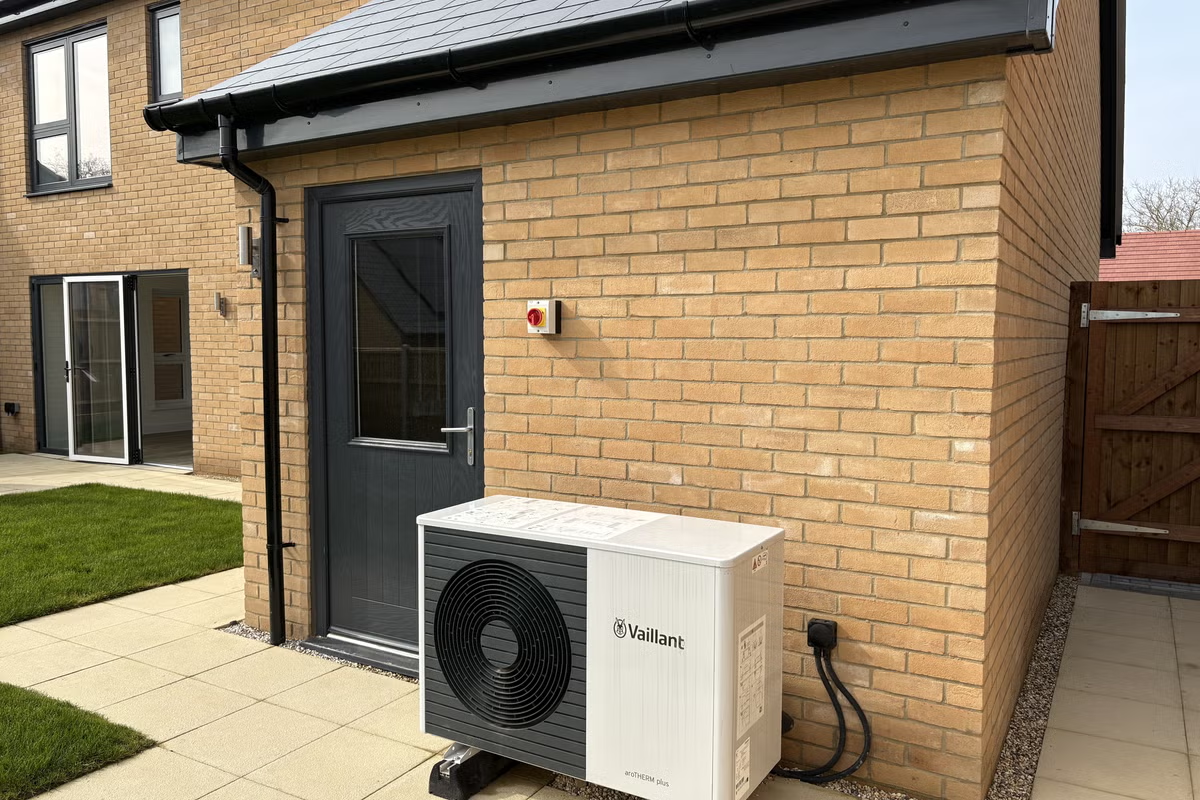
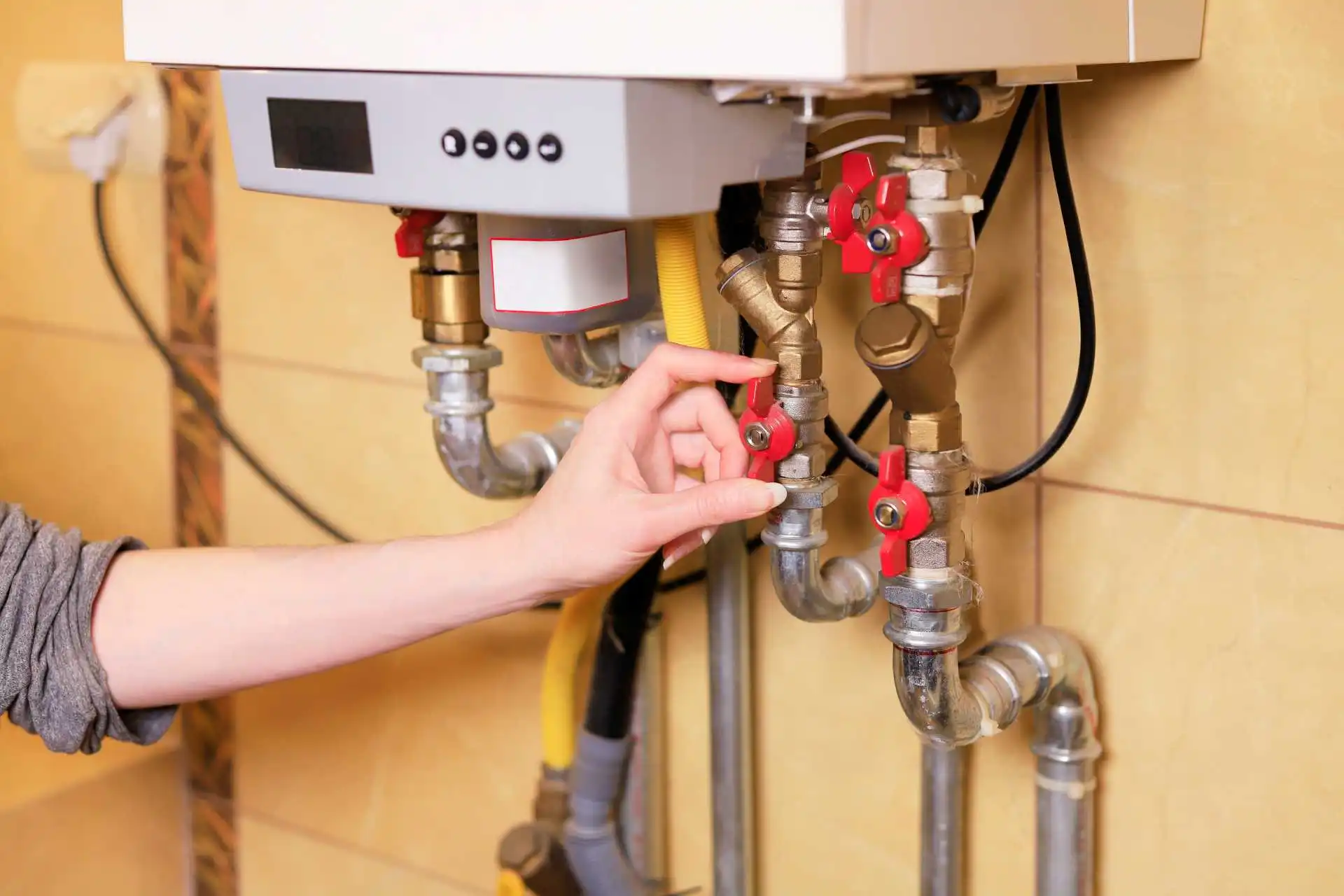
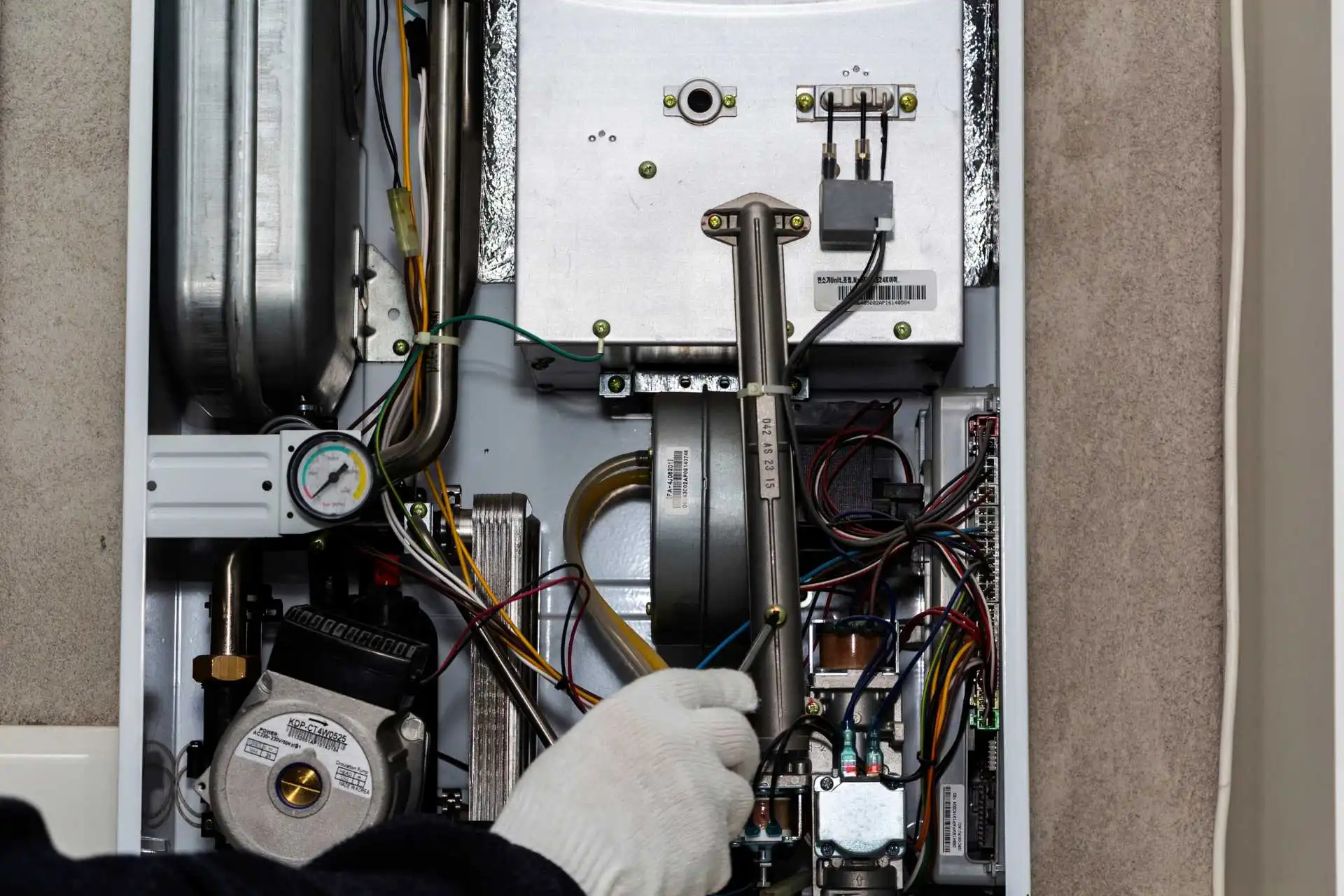
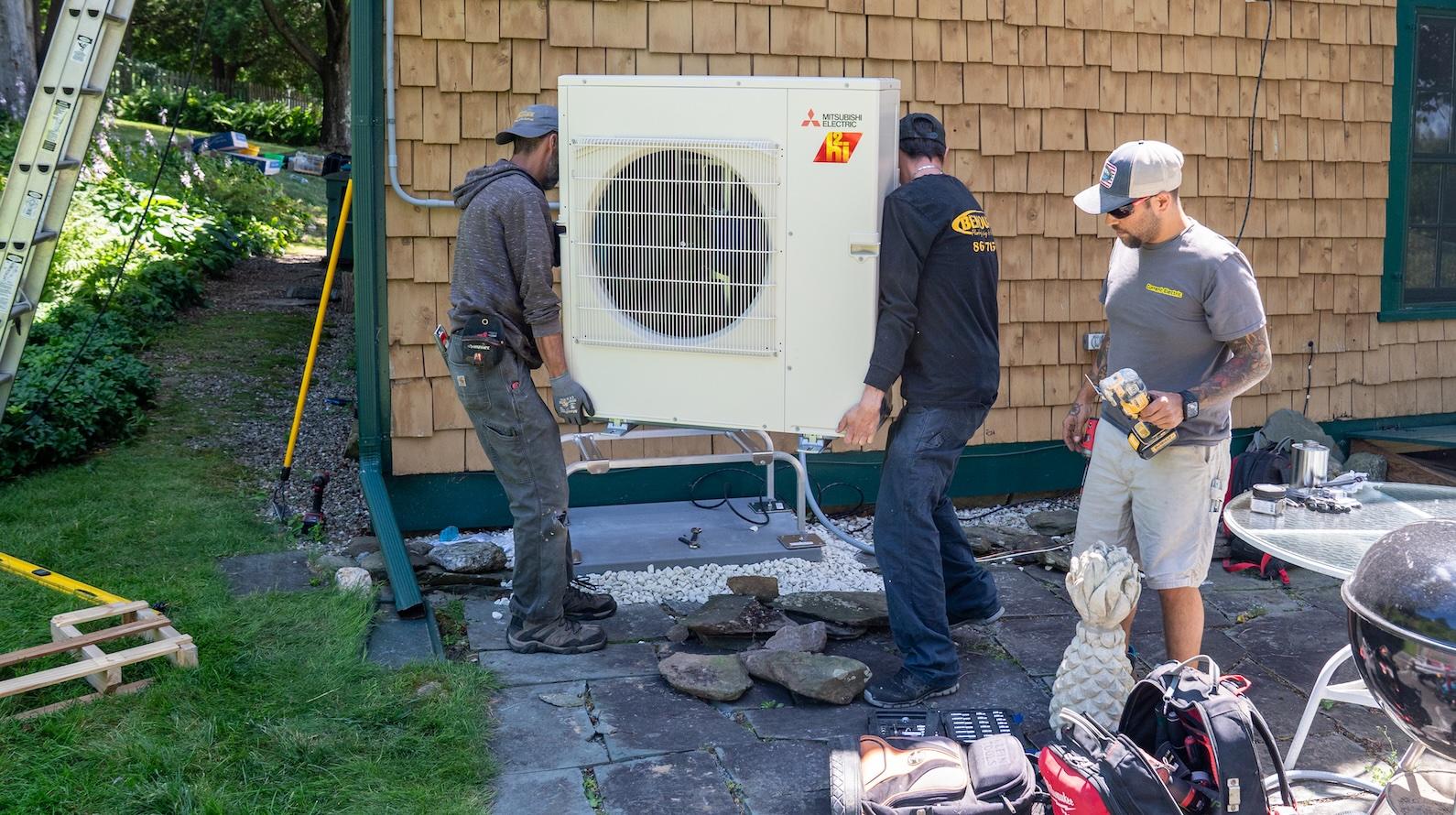
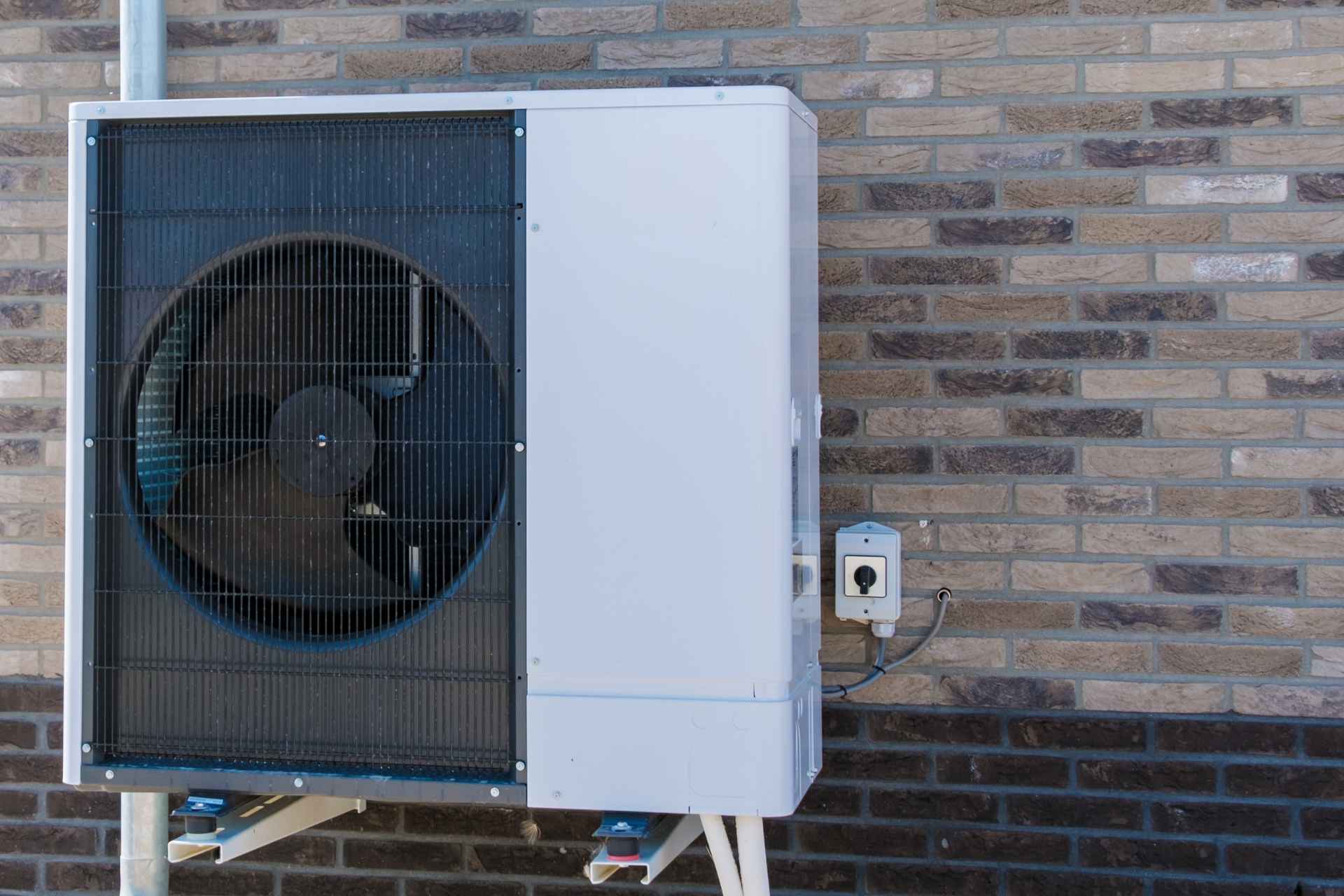
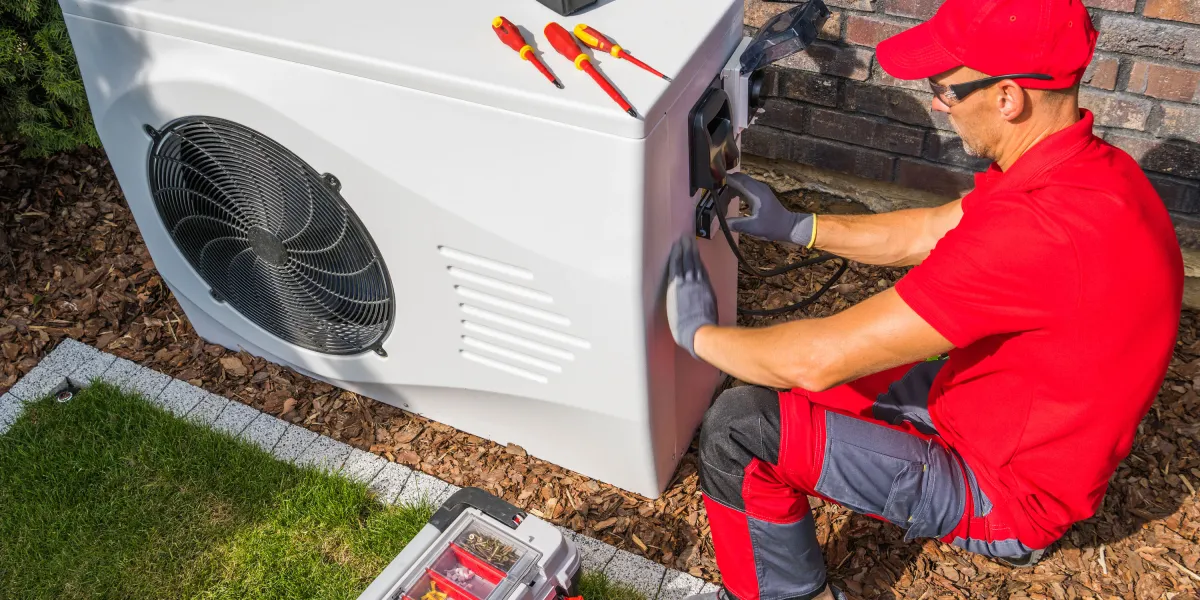
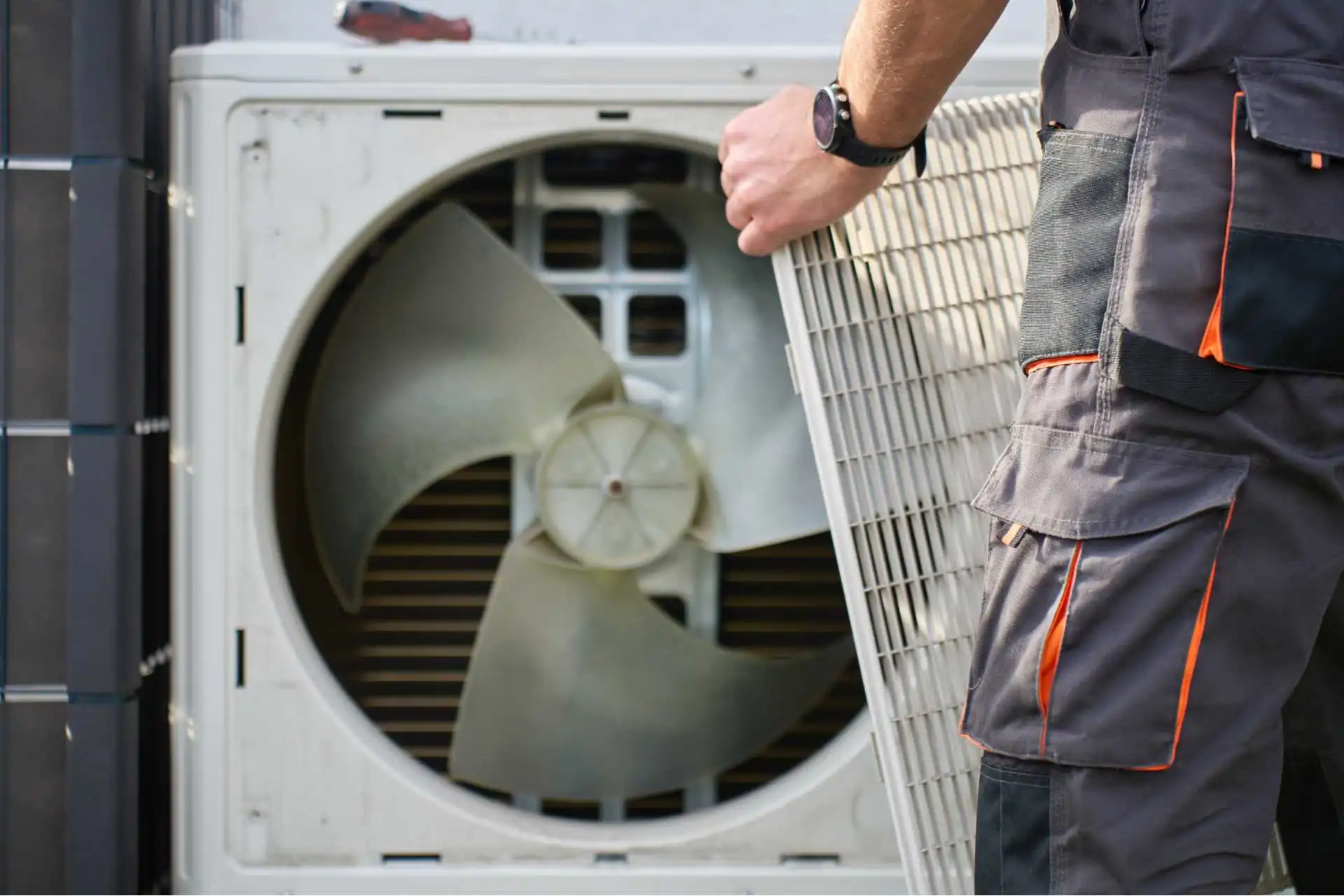
This isn’t because the technology doesn’t exist. And it’s not because it’s too expensive. Roughly every eight seconds, somewhere in the United States, an HVAC contractor installs a one-way air conditioner that the home will rely on for fossil-fueled heating for the next 15 to 20 years. That adds up to somewhere between 4 million and 5 million times per year that homeowners choose equipment that can’t heat with electricity.
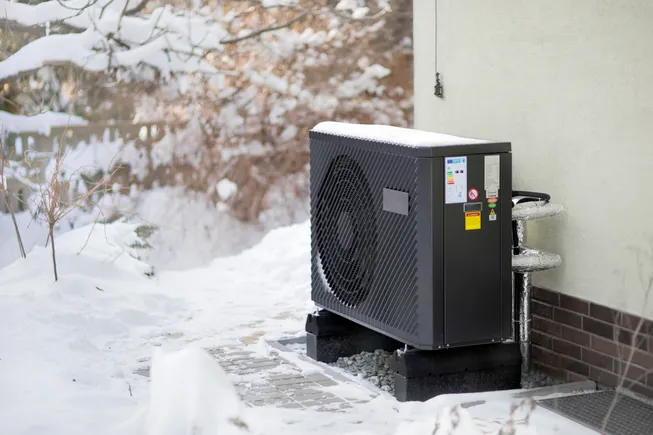
Home fuel usage represents 6% of U.S. carbon dioxide emissions, and over 1% of world emissions. But converting all one-way ACs into two-way ACs — also known as heat pumps — in the U.S. can bring down those emissions substantially, and get home heating fuel usage down by 39% at the very least. And, according to research I co-authored in 2021, the whole endeavor would cost roughly $10 billion: comparable to the cost to build a single Meta data center campus in Lebanon, Ohio, or else just a bit more than the 2021 Inflation Reduction Act devoted to rural electric cooperatives.
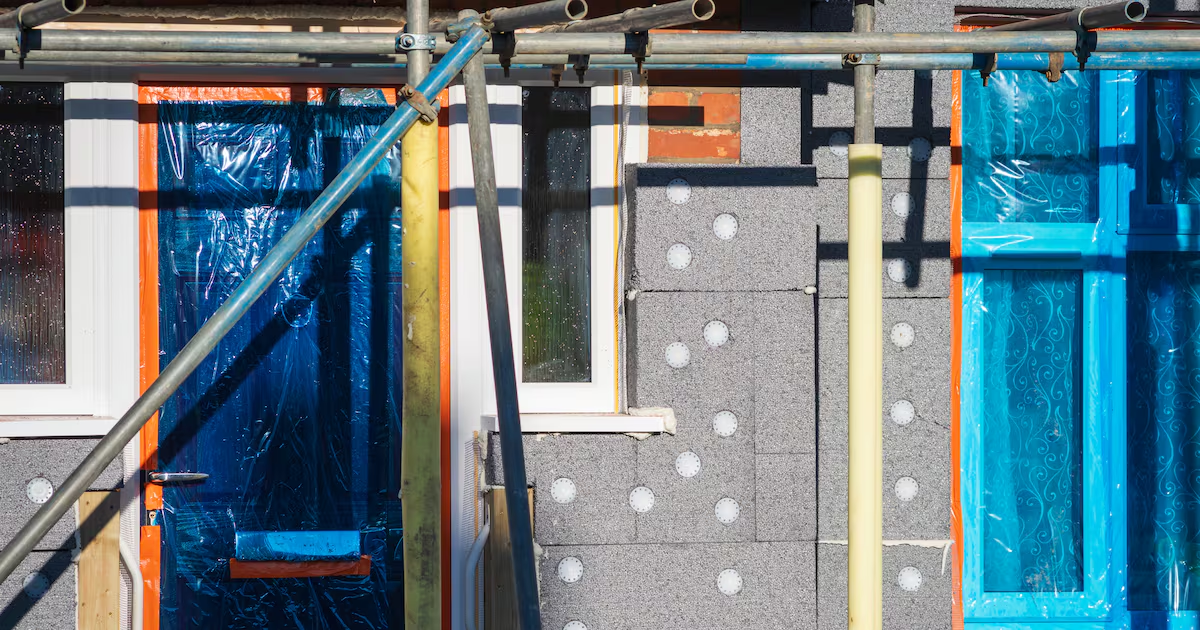
I’m a rare political conservative in the climate space. I started in the insulation business in 2005 and I’ve been electrifying homes since I pulled my first client gas meter in Cleveland in 2014. Over the past decade, I’ve explored every conceivable path to scale that home decarbonization work. And one major thing I’ve learned: Until we stop selling air conditioners that can only cool, we’re just rearranging deck chairs on the Titanic.