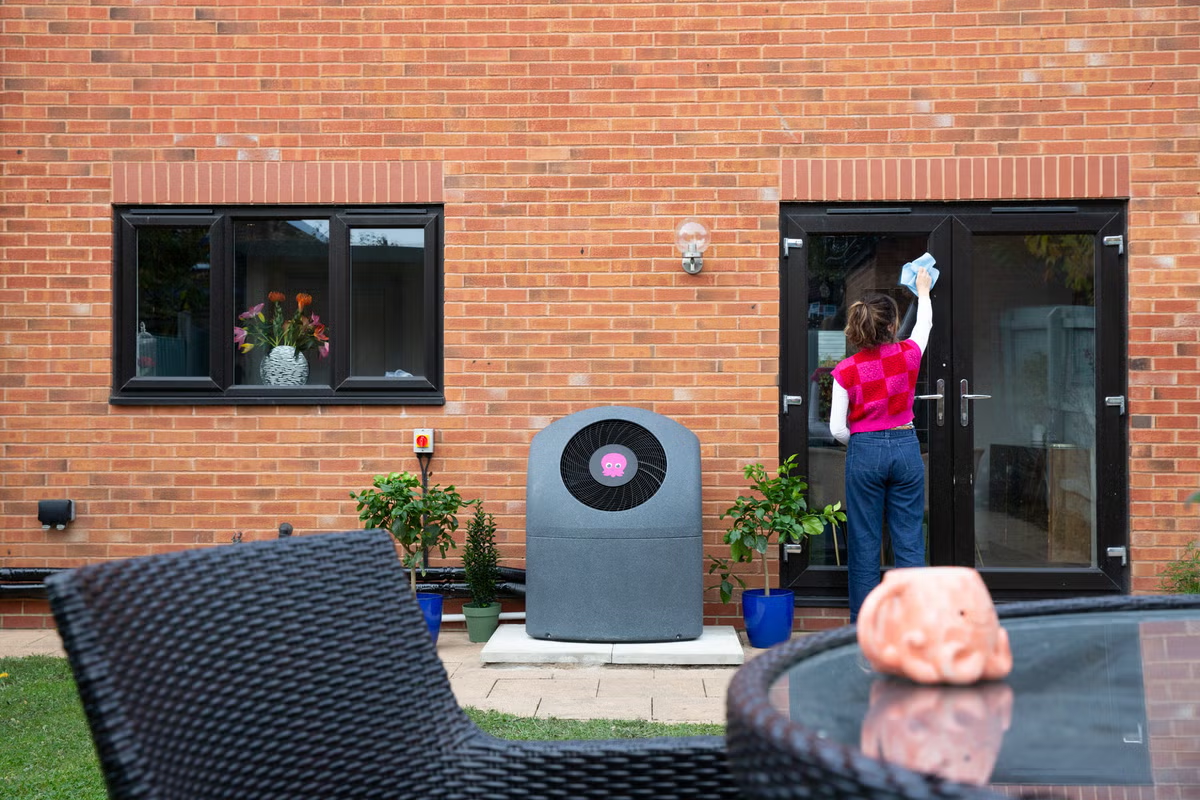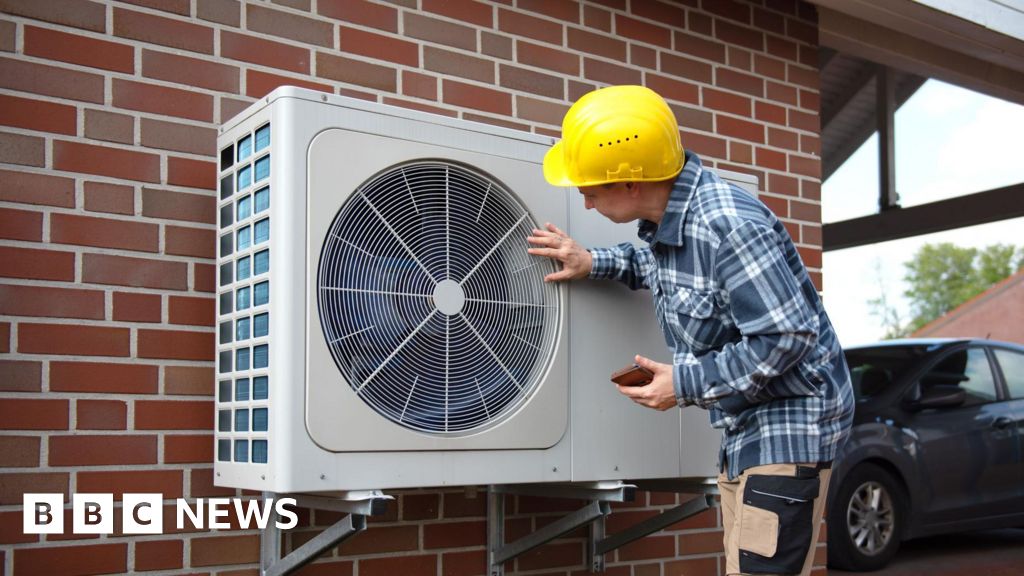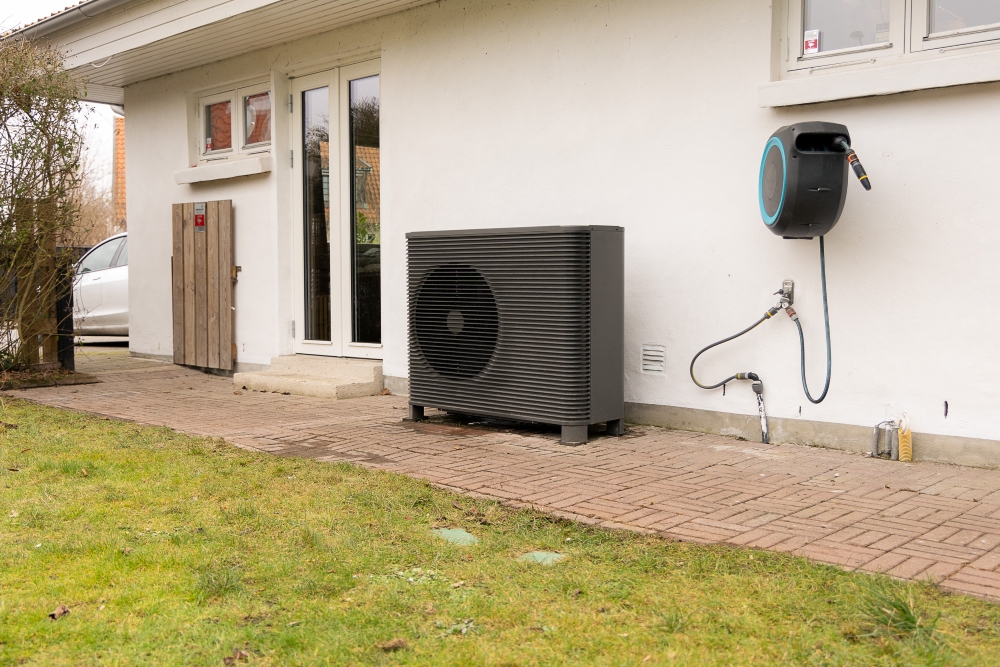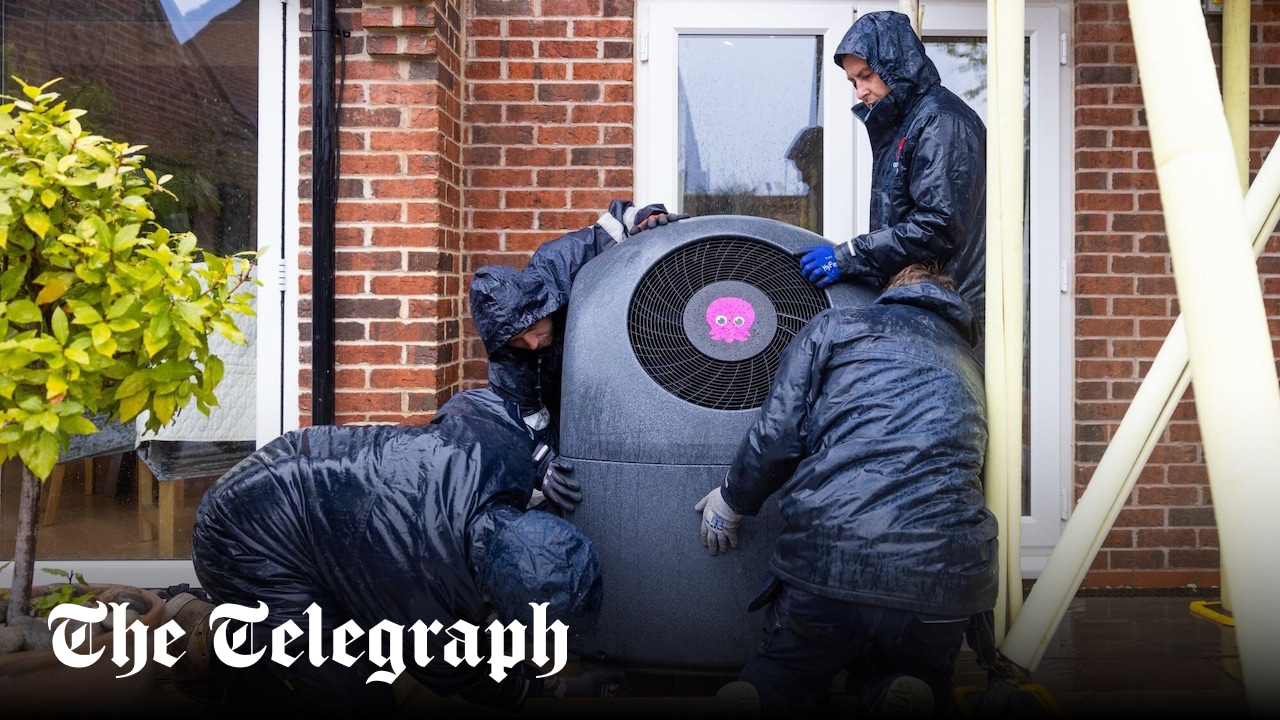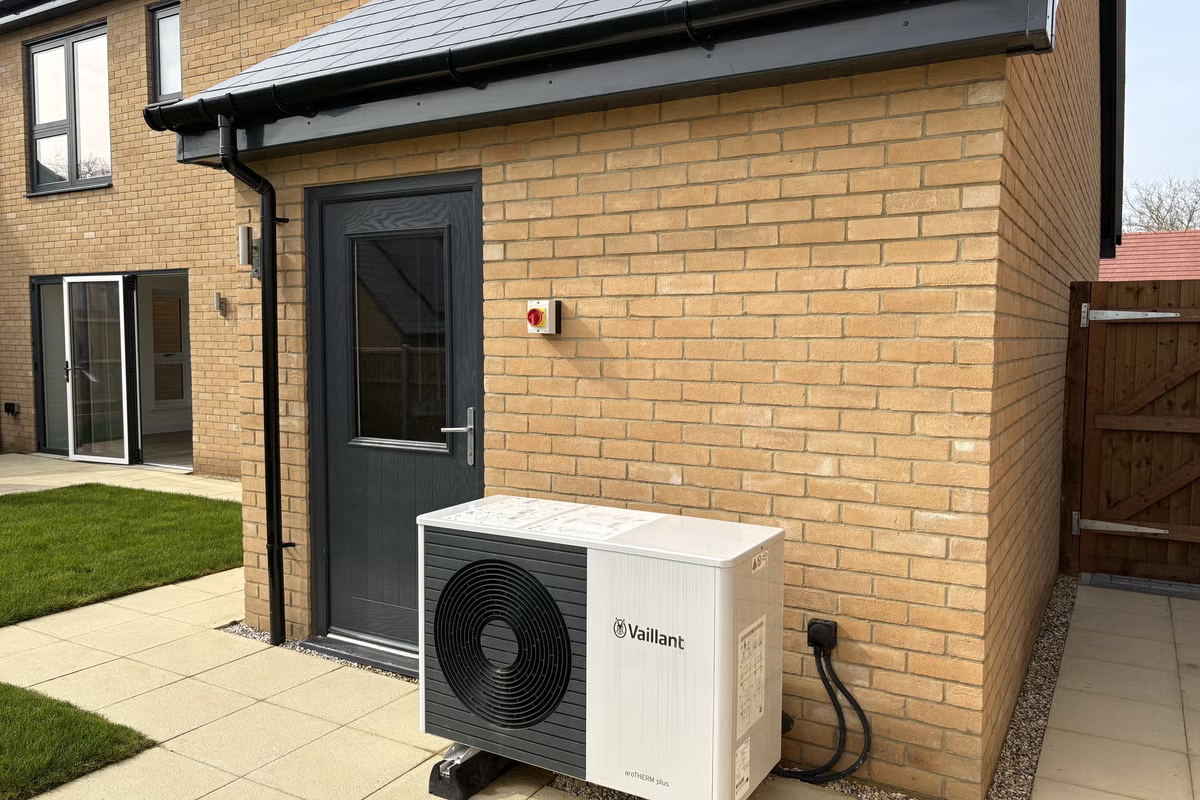
Heat-pump installations need to increase twentyfold and the pace of general home retrofits must at least double if targets to improve the energy efficiency of the country’s buildings are to be met, the Climate Change Advisory Council has said. The council, the Government’s independent advisory body on climate, also called for swift decisions on rules to allow apartment dwellers and renters to use plug-in solar panels. It also said there must be a clear plan for phasing out oil and gas boilers for heating by 2040 as required under European Union law. It also warned against further postponements of planned increases in the carbon tax, which is used to fund green initiatives and support those in fuel poverty. Council chairman Alex White said the moves were needed not just to reduce greenhouse gas emissions from buildings but also to protect consumers from recurrent energy crises and price hikes. “As long as Ireland remains heavily dependent on fossil fuels to heat homes and buildings, our households, businesses and public services will remain exposed to global price volatility and energy insecurity,” he said. The council’s annual review of the built environment acknowledges emissions fell last year by 5 per cent from homes and by 3.5 per cent from commercial and public buildings. But it said that was primarily due to a warmer winter reducing demand for the oil and gas used to heat 90 per cent of buildings. “These reductions should not be mistaken for structural progress,” the report said. It said progress on social-housing retrofits was too slow, with only 10,370 homes retrofitted since 2021 despite a target of 36,500 by 2030. “Approximately 5,000 retrofits are needed on average each year between now and 2030,” it said. The report called for “increased, sustained and ringfenced multiannual funding” in Budget 2027 to enable local authorities accelerate the process. From 2019 to 2025, retrofits brought 84,270 privately owned homes up to a building energy rating of B2, but that fell short of the 120,000 target. Heat-pump installations increased by 21 per cent last year, but despite the significant rise that number was also off target. From 2019 to 2025, 18,550 heat pumps were installed in existing homes, but that was only 41 per cent of the 45,000 target for 2025 and nowhere near the 400,000 target set for 2030.The report highlighted a 96 per cent rise in applications for home-energy upgrade grants in the first three months of this year after the introduction of enhanced grants in January. This “indicates a strong appetite for retrofitting where financial supports improve affordability and are accessible”, the report said. White said: “We have the solutions and we know there is an appetite for them, but they must be enabled through policy and legislation.”The council warned against allowing planned carbon-tax increases to slip further after the postponement of last May’s increase and murmuring in political circles about a further postponement. “The Government should maintain the planned trajectory and ringfencing of the carbon tax in order to support vulnerable households to transition away from costly fossil fuels for home heating,” it said. It also warned against further universal energy credits, saying: “Any additional cost-of-living supports introduced during the fossil fuel crisis should be temporary and targeted towards the most vulnerable.” Concerns about the ability of buildings to cope with impacts of climate change and extreme weather events were also flagged. The report said Government commitments to develop “pathfinder” schemes examining ways of protecting buildings in coastal areas from sea-level rise, increased storm surges and erosion had not started. “The council is very concerned that there is no timeline to conclude this body of work given its critical role in effective risk management for vulnerable coastal communities,” it said.
Heat pump installations must increase twentyfold ‘to meet green targets’
Climate Change Advisory Council also warns against further delay of rises in carbon tax
620 words~3 min read