This is part three of a three-part series on the problem of home decarbonization in the U.S. Continue reading with part one and part two.
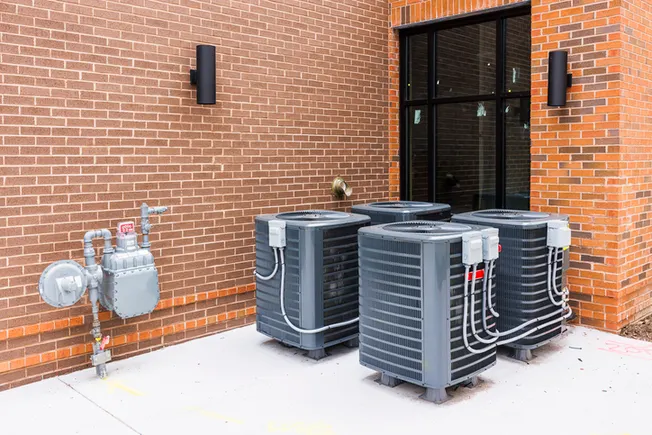
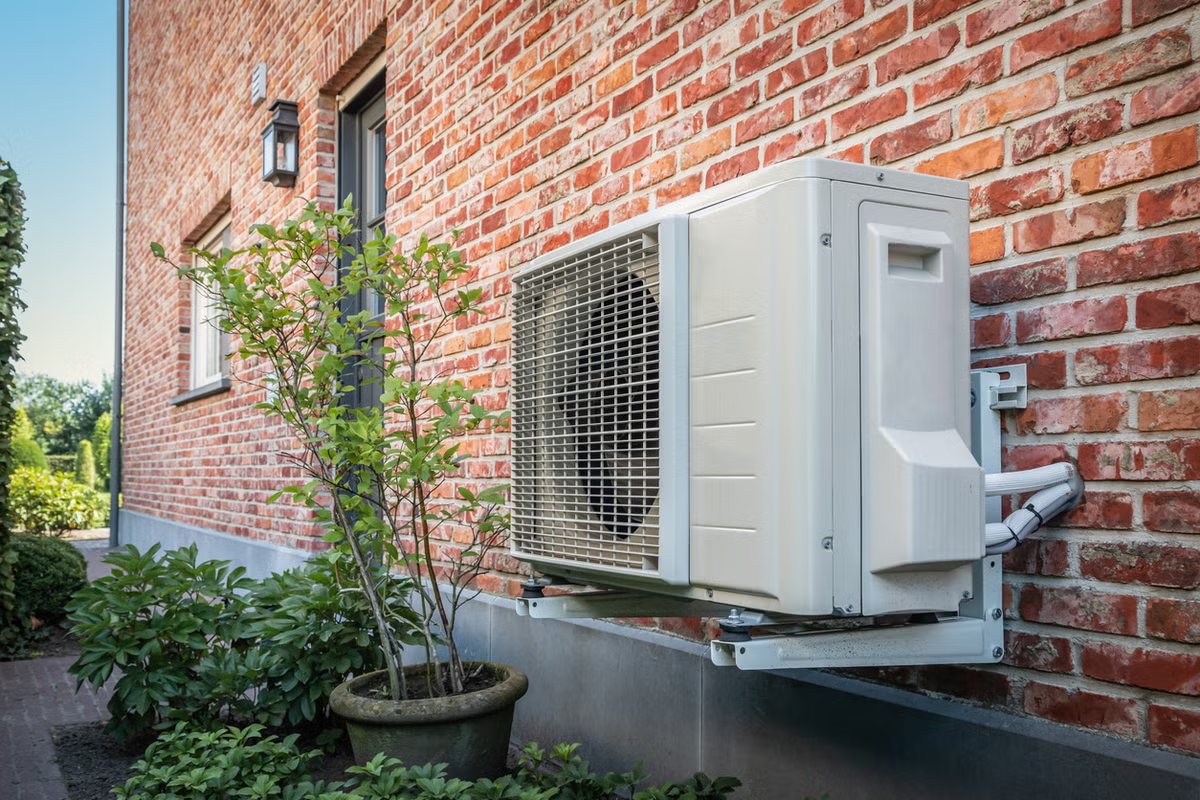
I’ve spent years trying to figure out how to get one-way ACs off the market. A few states are just beginning to try to encourage heat pump adoption, but historically there have been very few significant efforts, and none that have delivered at the speed and scale needed.
Given the typical cycle for updating appliance standards, the industry is unlikely to mandate a “technology change” like adding a reversing valve until 2036 at the earliest. California tried banning gas in new builds in 40 cities; more than 20 states saw those restrictions and responded by banning the bans. State-by-state mandates are slow, risk backlash if the wrong state goes first, and create cross-border headaches — think about Kansas City, which straddles Kansas and Missouri.
And nationwide consumer rebates? The most useful Inflation Reduction Act program, the $2,000 heat pump incentive, was rolled back by the GOP’s One Big Beautiful Bill. That said, that program and the HEEHRA/HOMES programs combined were projected to increase heat pump adoption by just 2%.
Every path leads back to the same conclusion, even for me, a person typically pretty skeptical about policy interventions: National policy to convert AC production to heat pump production is the only way to put a decarbonization “end date” on the calendar.