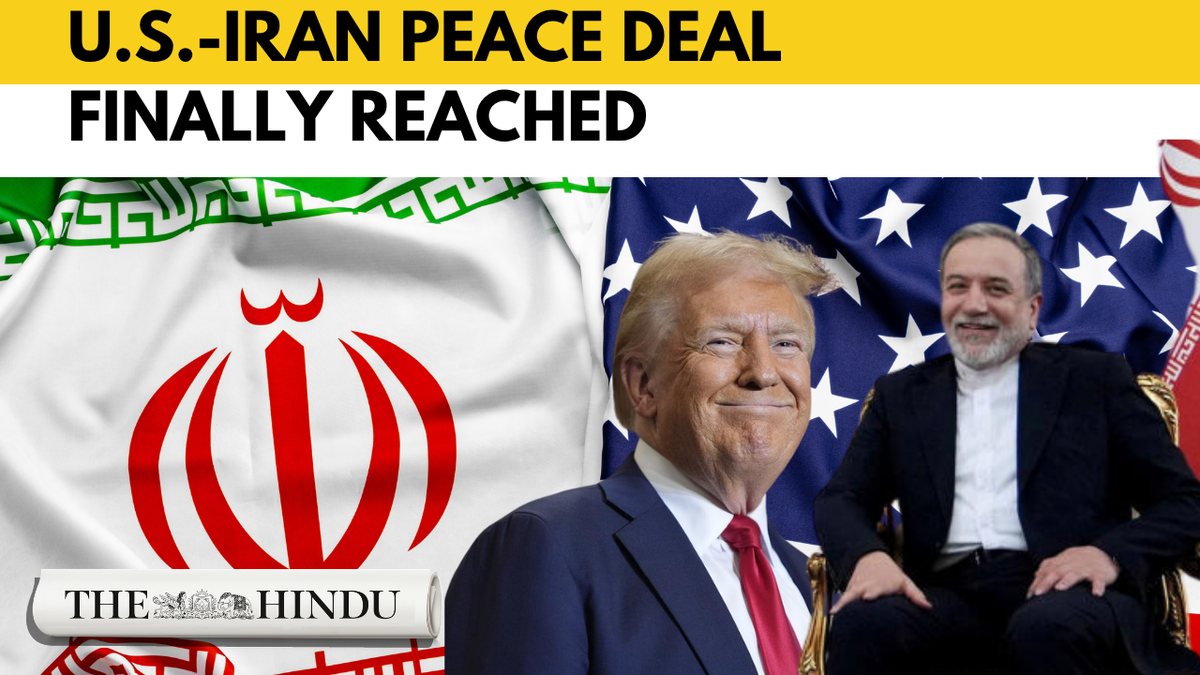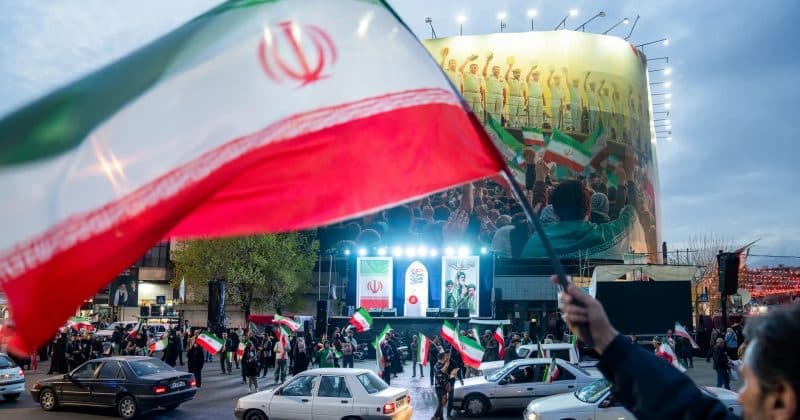
After roughly 15 weeks of open conflict, the United States and Iran are set to formally sign an interim peace agreement in Geneva on June 19, 2026. The deal, brokered with Pakistani mediation, marks the first concrete step toward de-escalation since US-Israeli strikes against Iran began on February 28, producing thousands of casualties and roiling global energy markets.
Bitcoin has already responded, surging toward $66K as traders priced in the easing of energy supply fears tied to the conflict. Buried in the deal’s framework is something that could reshape sanctions policy for years: approximately $1 billion in previously seized Iranian crypto assets, now a bargaining chip in the next phase of negotiations.
What the deal actually covers
The agreement’s core objective is straightforward: stop the shooting and reopen the Strait of Hormuz. That narrow waterway, which connects the Persian Gulf to the open ocean, is one of the most strategically important chokepoints on Earth. Its closure during the conflict sent energy prices spiraling.
Iran’s nuclear program and the broader question of sanctions relief have been deliberately punted to a subsequent 60-day negotiation phase. The interim agreement was effectively reached around June 14, with the formal signing ceremony in Geneva scheduled for five days later. US President Donald Trump and Iranian officials have both signaled progress on sanctions and nuclear matters, though the details of those signals remain the subject of the upcoming technical talks.