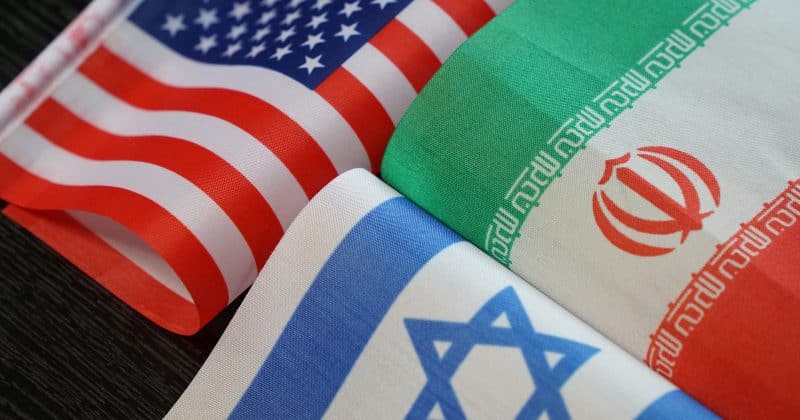
After more than 100 days of conflict that pulled in regional actors across the Middle East, the United States and Iran have signed an interim peace deal that went into effect immediately. Bitcoin rallied to around $66,230 on the news before pulling back, while Brent crude slipped below $80 per barrel.
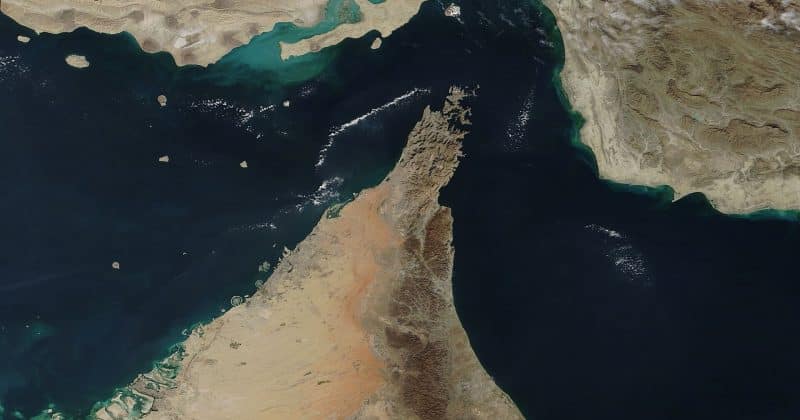
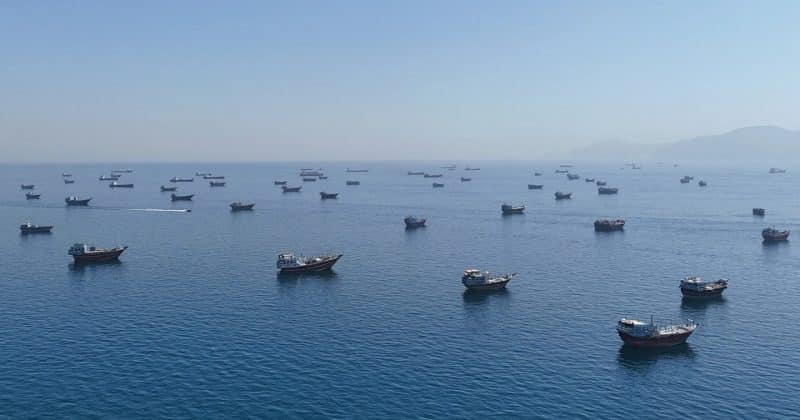
The agreement, formally called the Islamabad MOU, was signed electronically by US President Donald Trump and Iranian President Masoud Pezeshkian in mid-June 2026. It extends a previous ceasefire, mandates the prompt reopening of the Strait of Hormuz, and lifts the US naval blockade on Iranian ports. A 60-day negotiation window has begun, targeting a more permanent resolution on sanctions relief, Iran’s nuclear program, and broader regional stability.
What the deal actually does
Roughly one-fifth of global oil supply passes through the Strait of Hormuz on any given day. Brent crude falling to around $80 per barrel reflects traders rapidly repricing the geopolitical risk premium that had been baked into oil since the conflict began in late February 2026.
Pakistan’s Prime Minister Shehbaz Sharif played a mediating role in brokering the deal, lending the agreement its Islamabad branding.