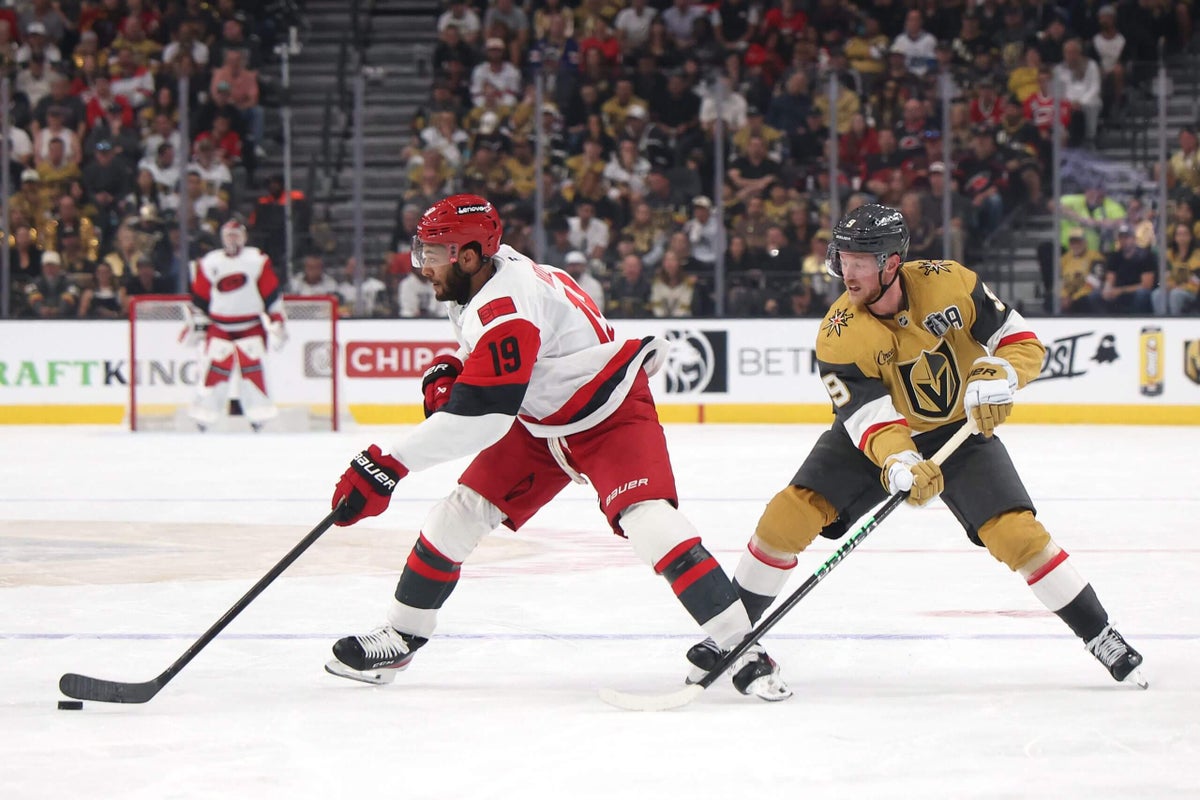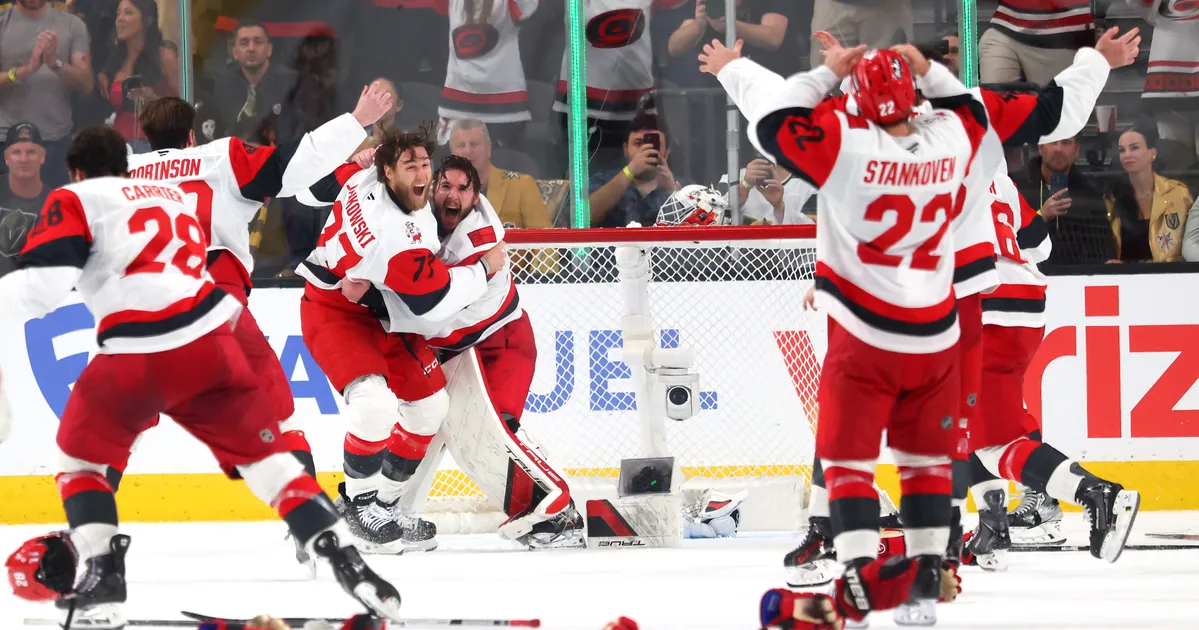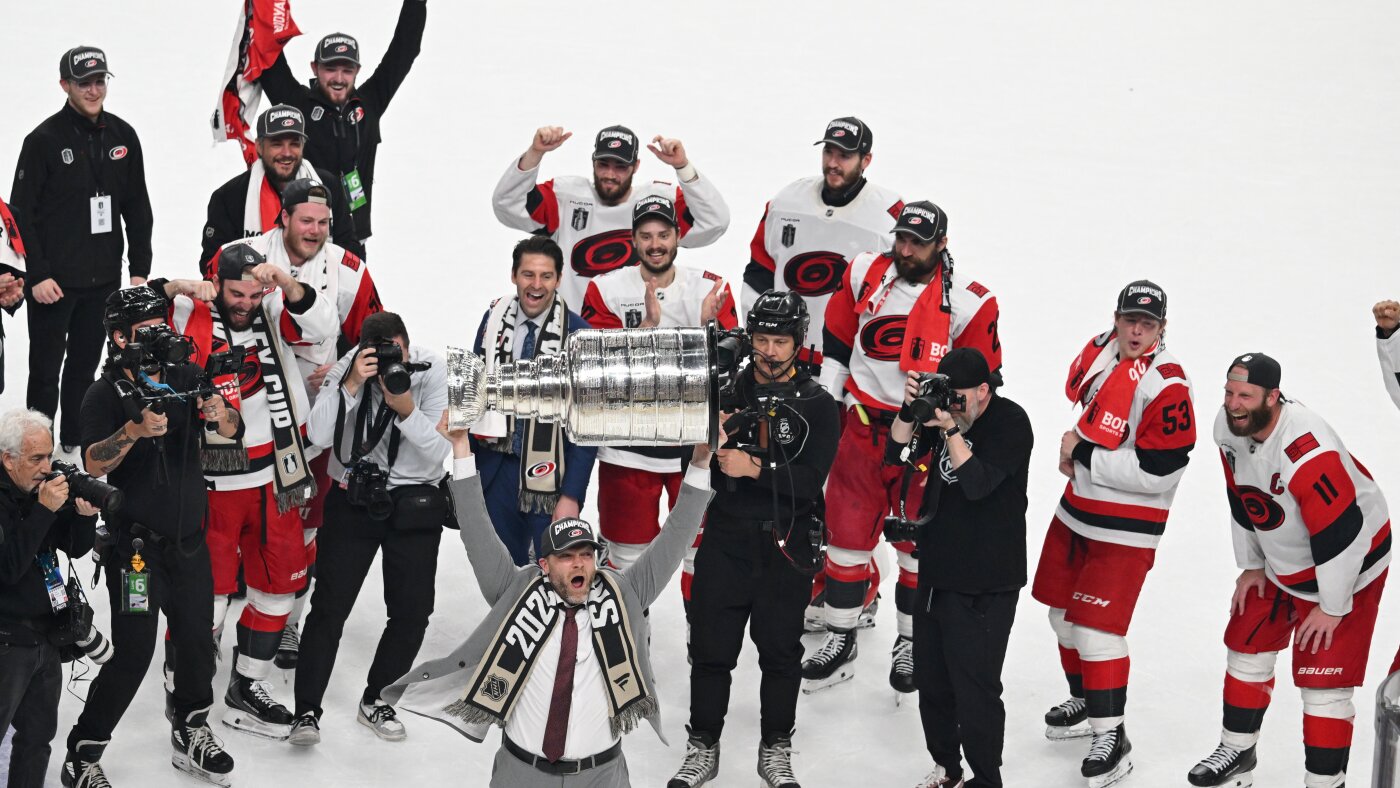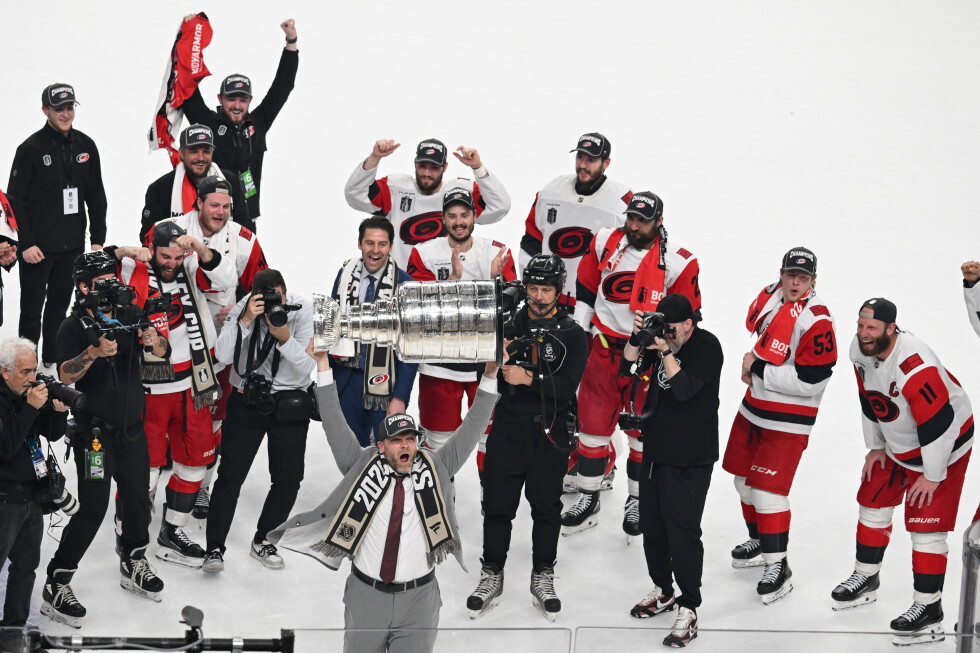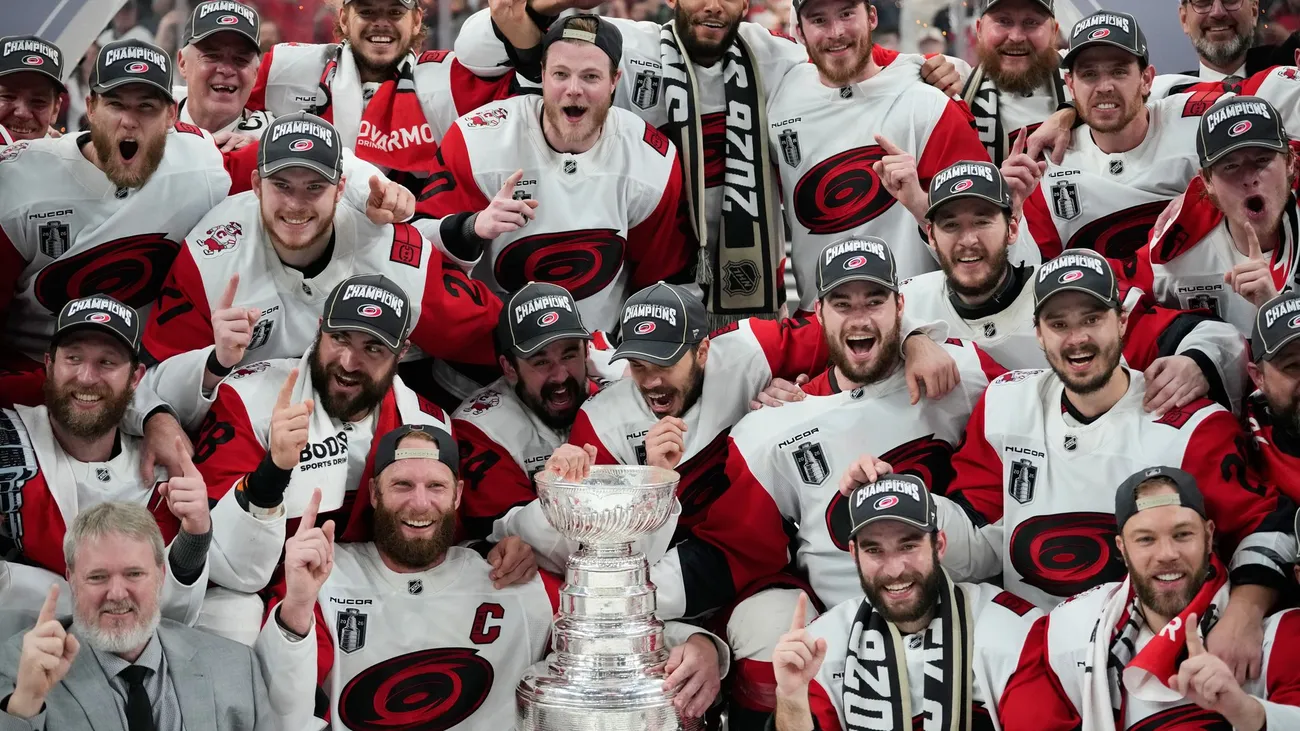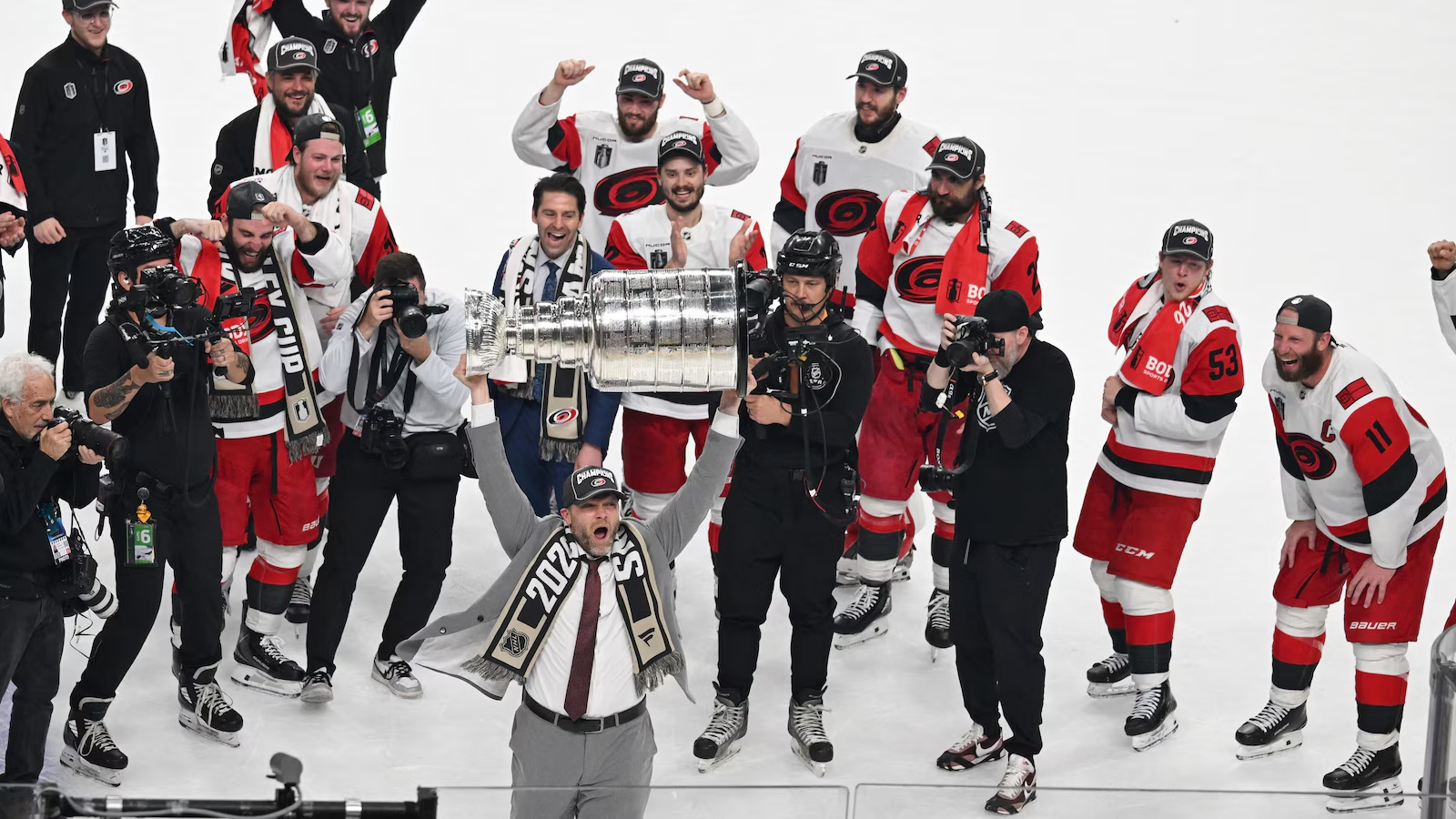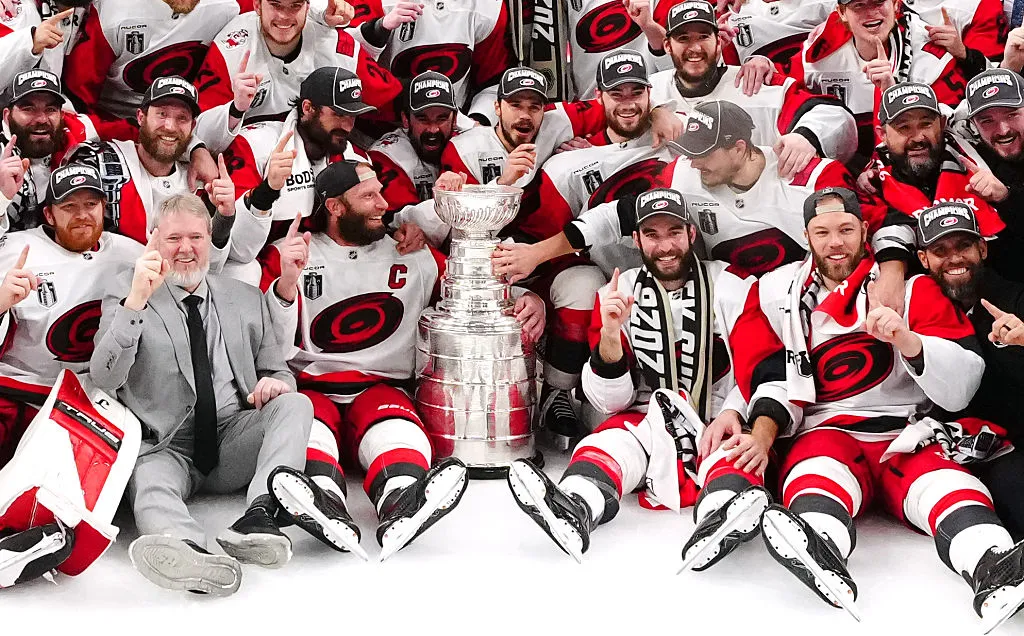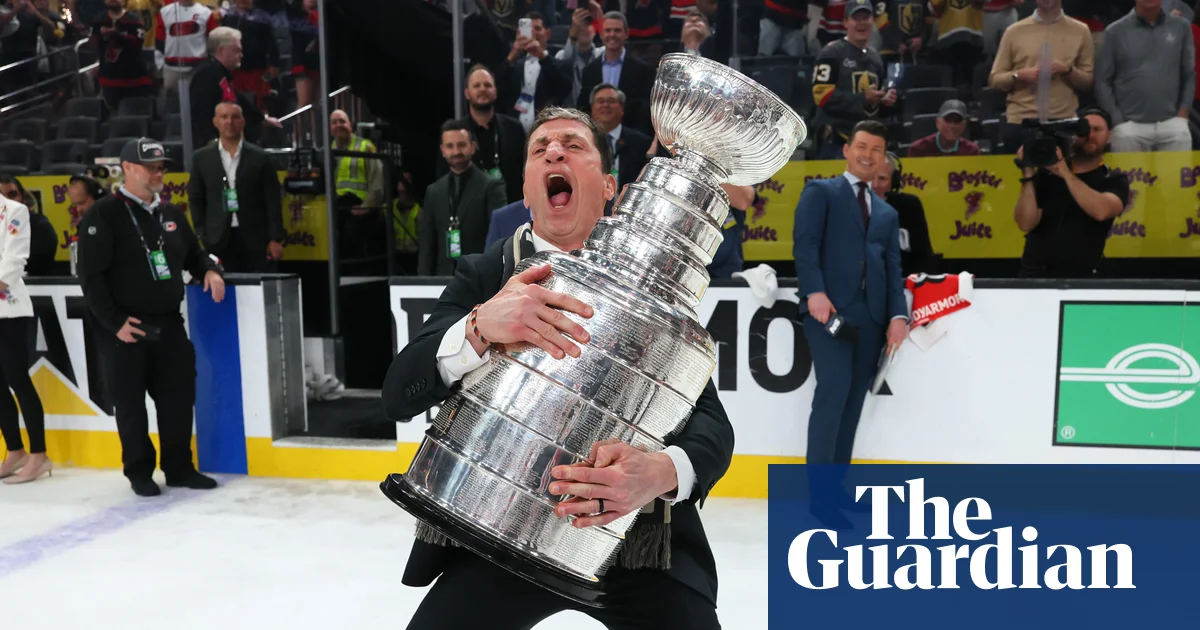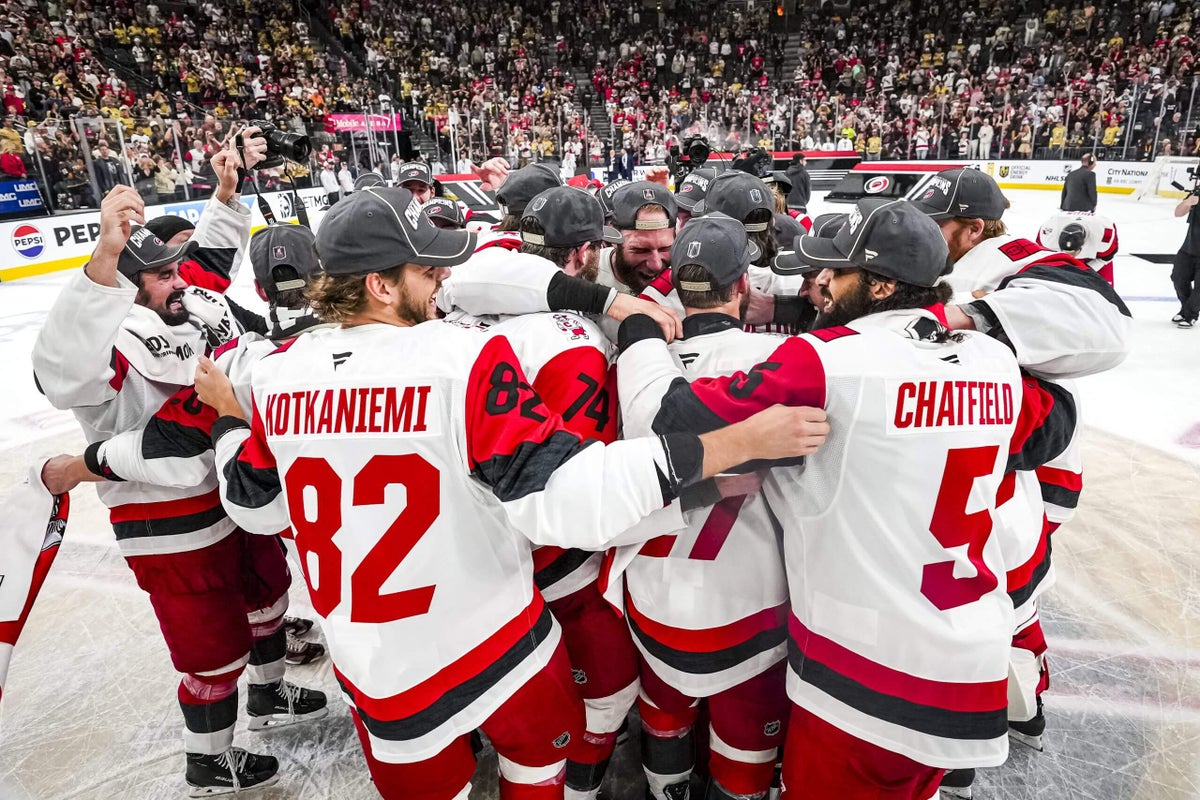
It’s fair to call the Carolina Hurricanes unique among NHL teams, in many ways.They play a different defensive system, one marked by man-to-man coverage and high pressure. They’ve invested more in analytics than almost anyone, from general manager Eric Tulsky on down. They lack a true superstar up front, a traditional No. 1 defenseman and a high-end goaltender. And their owner has a different approach from any other in the league, too.We often say after a team wins the Stanley Cup that it will inspire copycats, as others attempt to learn from what worked and integrate it into their processes. Sometimes this leads to teams around the league trying to win with size and/or physicality, taking after the Florida Panthers’ back-to-back titles in 2024 and 2025. Sometimes it sees the league veering toward more of a speed-and-skill mentality, as the Chicago Blackhawks and Pittsburgh Penguins did earlier in the salary cap era.I don’t know that you can place this year’s champs neatly into a simple category like those examples, and whether they’ll remain an NHL one-off or have some company in the years to come is an interesting and open question. That said, some of the Hurricanes’ innovations and team-building strategies are worth additional consideration in the aftermath of their big win. Some of the lessons worth taking away aren’t singular to Carolina, but together they represent a championship-winning team using a different approach than anything that’s come before.Will other executives around the league take note and try to borrow from the Tulsky model?Lesson 1: Goalies can be interchangeableAfter these playoffs, it’s clear we are fully moving into the NHL’s tandem goalie era. Few teams have embraced that more effectively than Carolina.The Hurricanes’ two goaltenders this year, Frederik Andersen and Brandon Bussi, earned a combined $3.5 million against the salary cap, one of the lowest figures across the league over the past decade.And Carolina frequently alternated between the 36-year-old Andersen and a waiver claimant in Bussi, en route to a 113-point regular season and historic 16-3 playoff run. By contrast, the team they beat in the final, the Vegas Golden Knights, had a $6.25 million backup in Adin Hill who remained on the bench even when starter Carter Hart struggled mightily during the series.That salary could have obviously been better spent elsewhere. And it’s further proof that unless you have one of the few sure-thing No. 1s in net and that person rarely gets injured, you need to be able to trust both your netminders in all situations.“His basic stat line in the early part of the year wasn’t great, but even then I don’t think he was playing badly,” Tulsky told The Athletic of Andersen, who has missed considerable time with injuries in recent years and finished the regular season with a .874 save percentage. “He was the victim of some unfortunate circumstances, some games where there were big breakdowns in front of him. Some plays were sort of a medium-grade chance, and the shooter put it bar-down in a place where he didn’t have a real chance to make the save. Those basic numbers suffered for that.”The Hurricanes also believed Bussi and No. 3 Pyotr Kochetkov were capable of stepping in, too, which proved the case with Bussi’s star turn to close out the Stanley Cup Final. Especially in an era when goalie salaries don’t line up with how many saves they’re making, could more teams look to exploit it as a new inefficiency and develop the willingness to deploy an underpaid tandem?Lesson 2: Bigger isn’t always betterWhen the Hurricanes traded 6-foot-4, 230-pound superstar Mikko Rantanen to the Dallas Stars last year for 5-foot-8, 165-pound Logan Stankoven and draft picks, the move was criticized in some league corners as a major misstep — an analytics-driven decision that didn’t properly value the physical frame of the players involved.A little more than a year later, Stankoven ended up playing a vital role in the Hurricanes’ title run as the center of their most effective postseason line. The 23-year-old led the team in scoring with 11 goals and proved a perfect fit in coach Rod Brind’Amour’s aggressive forecheck system.While Tulsky hadn’t anticipated Stankoven playing down the middle when the Hurricanes acquired him, they correctly identified him as someone who would excel playing their style given his skating speed and puck-hounding ability. Stankoven showcased that well in setting up Carolina’s second goal in Sunday’s Game 6 win.
How the Hurricanes assembled a Stanley Cup champion: Lessons for the NHL’s other 31 teams
It's often said that champions inspire copycats. But can rival franchises really replicate Carolina's unique path to success?
2,273 words~10 min read