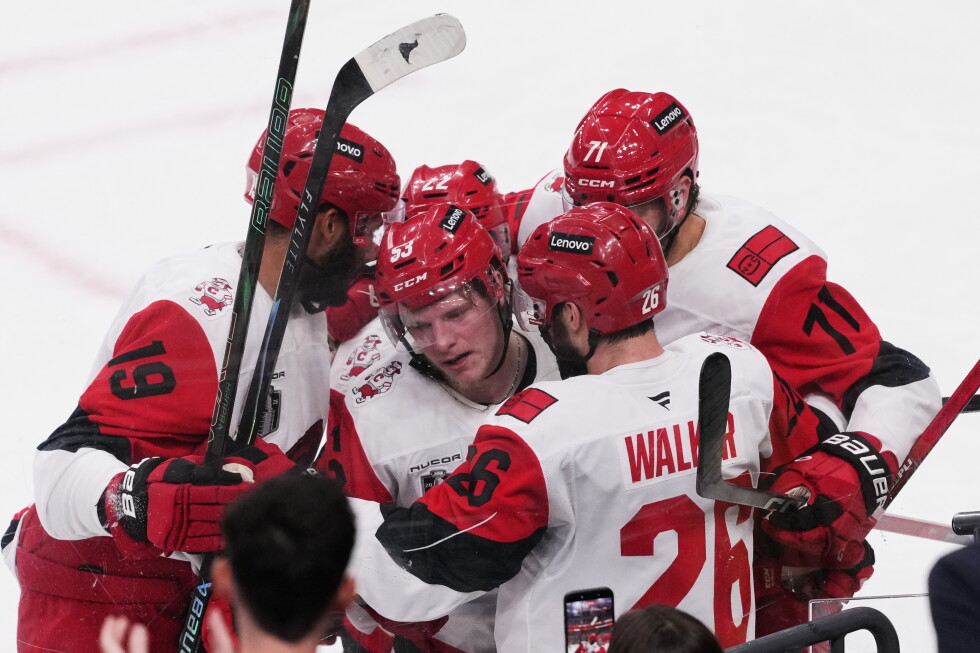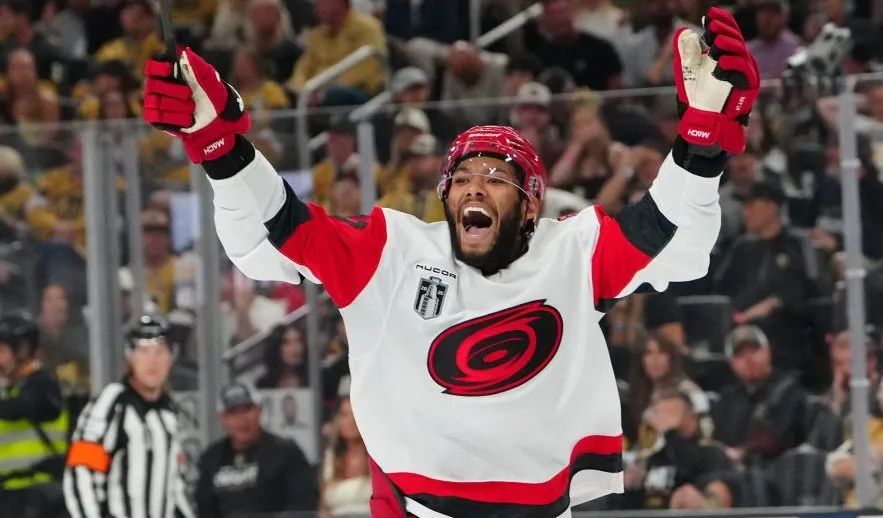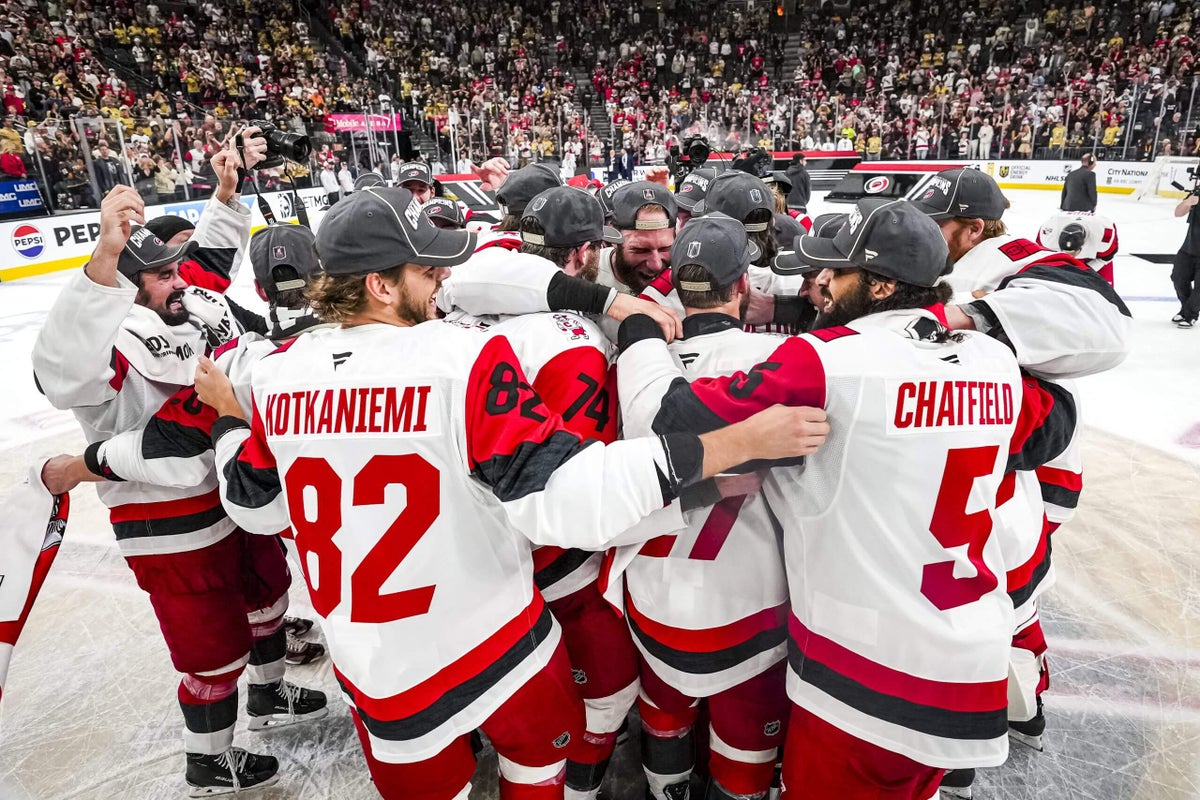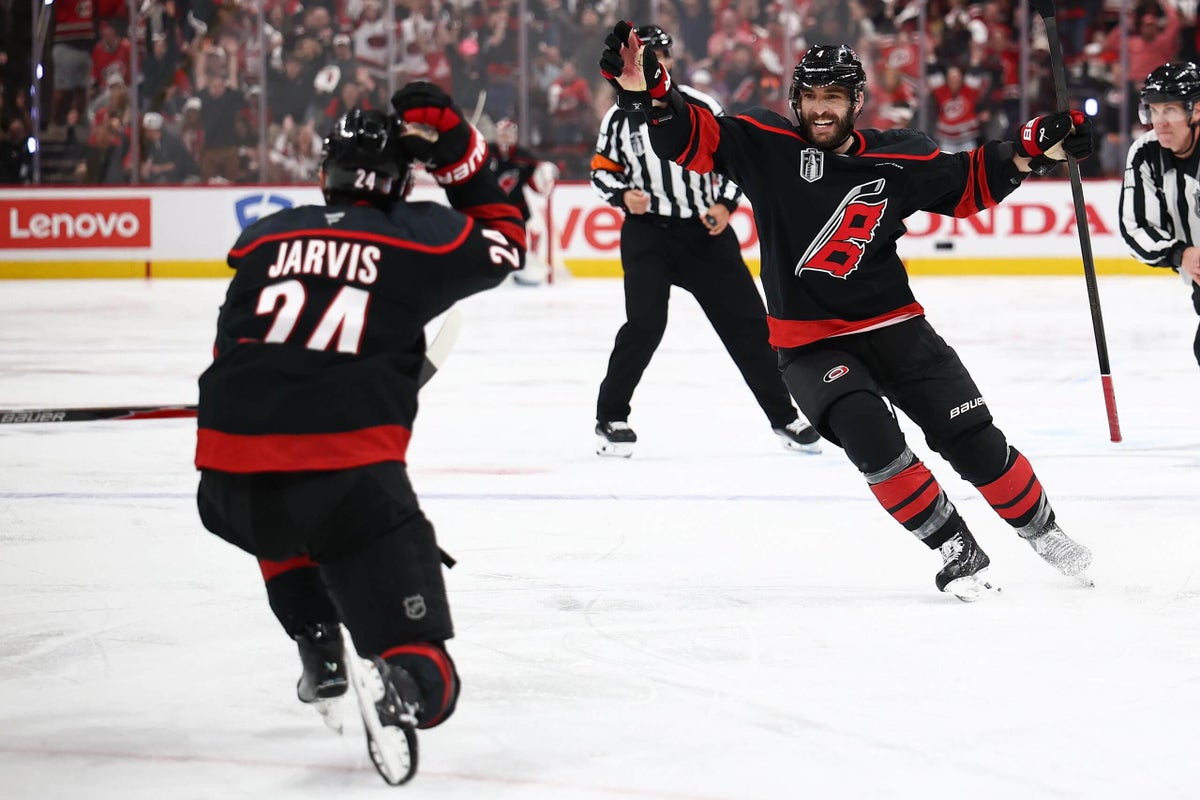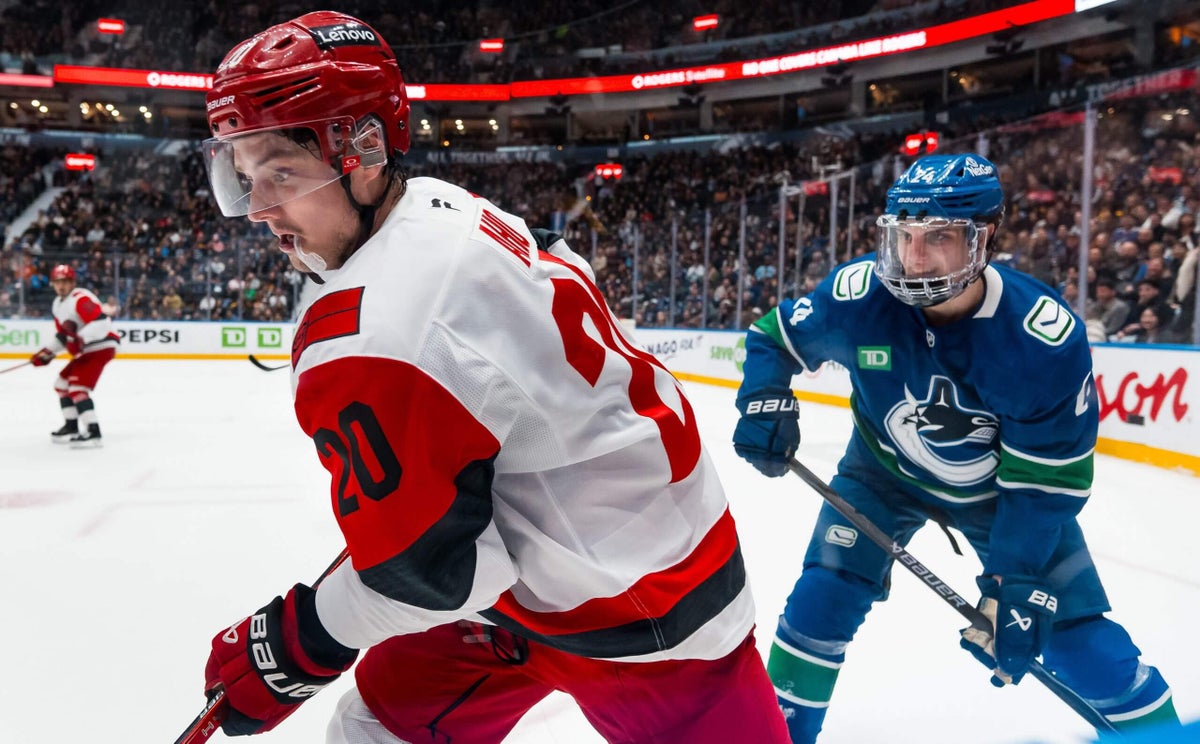
At the end of one of the wildest and most eventful Stanley Cup Final series in recent memory, the Carolina Hurricanes have emerged as champions.Their story is one of innovation and persistence. A team built and operated differently than every other team in the league. An organization that stubbornly stuck to its guns (at least most of the time).This was a team constructed unconventionally, with a heavy dose of analytics underpinning player evaluations. This was also a team deployed with an old-school tactical bent, playing a bespoke system designed to control play and pressure opponents into mistakes with head coach Rod Brind’Amour’s signature brand of “stress hockey.”In the wake of Carolina’s triumph, are there any factors that powered their ascent to the top of the NHL that the rebuilding Vancouver Canucks would be wise to replicate? Here are five key takeaways.At the NHL Draft, volume (and upside) are kingThe Hurricanes are the NHL’s best drafting team.To some extent, their secret is that they prioritize upside above all else. To some extent, the Hurricanes draft as well as they do because of a contemporary talent evaluation approach that heavily incorporates both video viewings and analytics.However, for all of their many wins and hits over the years — like Seth Jarvis in the teens, Alexander Nikishin in the third round in 2020 and Jackson Blake in the fourth round in 2021 — the vast majority of their picks have amounted to nothing of consequence.This is how the draft works. It’s an exercise whose outcomes are determined partly by good process, partly by a firm understanding of the analytical baselines involved and partly by good old-fashioned luck.Given the high attrition rate among NHL prospects and the enormous difficulty of projecting how teenage hockey players will develop and mature as they become professionals, the best route for an NHL organization is generally to bet on raw volume. Take as many kicks at the can as you’re able to manufacture, and trust that you’ll be able to out-accumulate your competition, in part, through that process.Since the Brind’Amour era began in Carolina in 2018, a period of time that coincides with Tom Dundon’s ownership tenure and the empowerment of Eric Tulsky — who was promoted to a VP role in 2018, later rising to the level of general manager — the Hurricanes have been a mainstay in the playoffs, qualifying in all eight seasons during this time period.During most of those seasons, the Hurricanes were a legitimate contender, winning at least one playoff round in seven of those eight years and advancing to the conference final four times.Despite Carolina’s sustained run of success between 2018 and 2025, the Hurricanes made 73 selections across eight separate draft classes.That’s an average of over nine picks per year, managed while the Hurricanes were regularly swinging aggressively to acquire players like Vincent Trocheck, Shayne Gostisbehere, Brady Skjei, Evgeny Kuznetsov, Taylor Hall, Jake Guentzel and Mikko Rantanen at or around the trade deadline.The contrast with how the Canucks have done business over the same time frame is sharp. From 2018 to 2025, Vancouver made 50 total selections — an average of 6.25 picks per season, nearly three fewer per year than the Hurricanes, and 23 picks fewer over the past eight seasons.If the Canucks are going to learn anything from the Hurricanes’ success, it’s that they need to start valuing draft picks differently than they have historically. And they need to start devising creative ways, including trading down the draft order when warranted, to give themselves more picks every year.Worry about the size of the dawg in the player, not the size of the player themselvesOne of the most obvious market efficiencies the Hurricanes have been able to mine over the years — both at the draft table, but also in free agency and on the trade market — is also one of the oldest in the book.While the NHL has generally become sharper about properly valuing the contributions of shorter players, the Hurricanes have still been able to net significant surplus value by targeting, acquiring and retaining players with shorter than average listed heights.Carolina’s most frequently used centre in the playoffs at five-on-five was 5-foot-8 Logan Stankoven. Its second-most-frequently used centre in the playoffs, 6-foot-tall Sebastian Aho, fell to the second round in his draft year due to height concerns.Its leading scorer, Blake, is listed as under 6 feet. Big-time free-agent acquisition, Nikolaj Ehlers, is listed at 6-feet and never really got star-level first-line deployment with the Winnipeg Jets, in part due to concerns about his defensive quality and physical play.Meanwhile, 5-foot-10 winger Seth Jarvis was a critical top-six contributor, fully rounding out a forward group that had a ton of heavy skill but possessed it in unconventionally small packages.It’s not altogether different on the back end. While big, rangy defenders typically fare extremely well in Brind’Amour’s one-read defensive system and have been priority additions for the Hurricanes over the years, Carolina’s championship blue line was powered offensively by Gostisbehere. Gostisbehere is a dynamic 5-foot-11 defender whom Carolina acquired for a third-round pick during a season in which he was well on his way to a second consecutive 40-point campaign.
What rebuilding lessons can Canucks take from Stanley Cup-winning Hurricanes?
Here are five key takeaways from Carolina's success that Vancouver would be wise to try to replicate.
2,391 words~11 min read