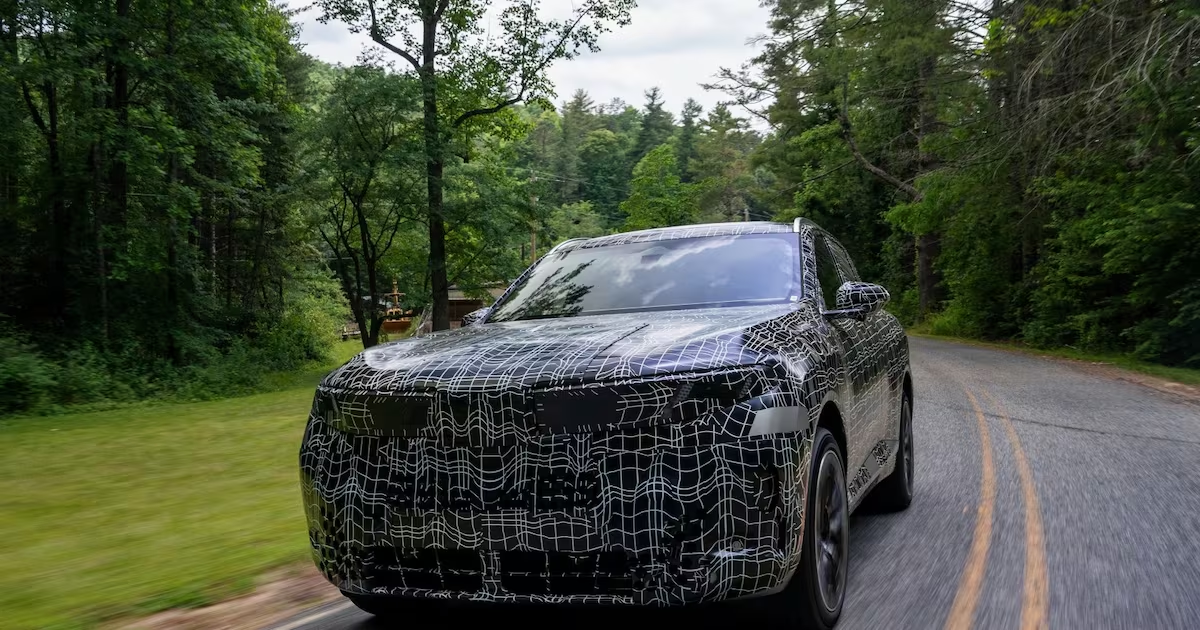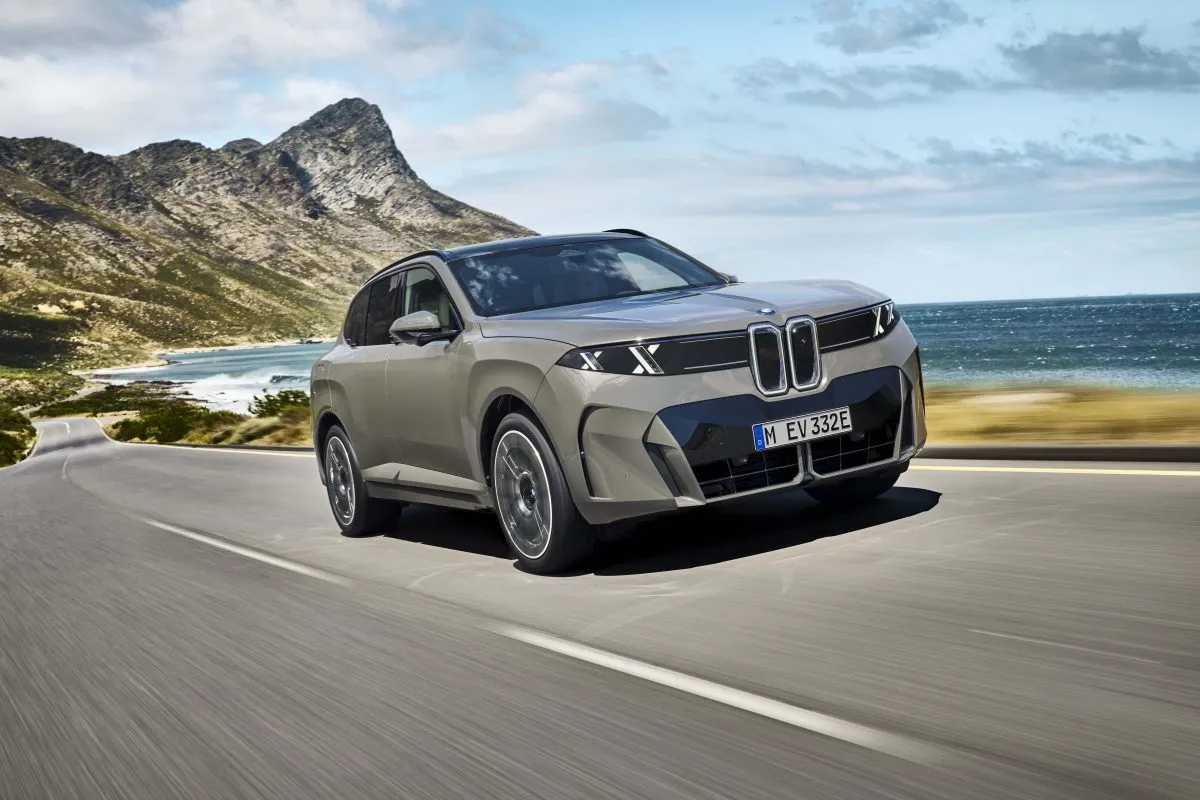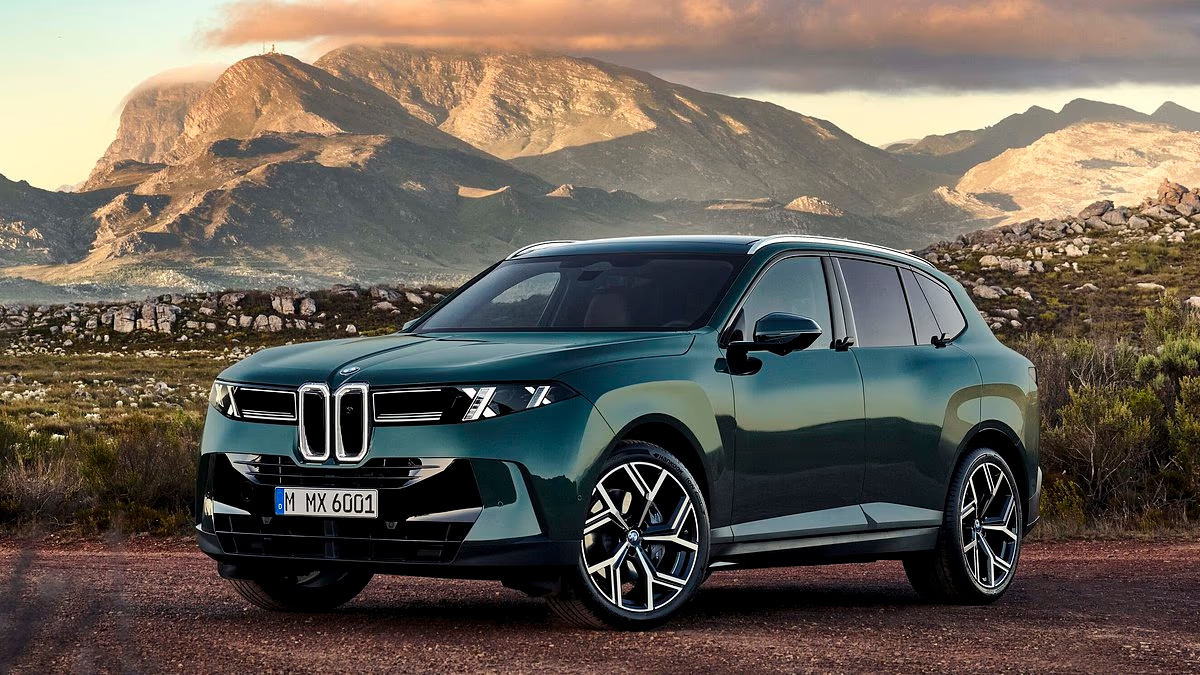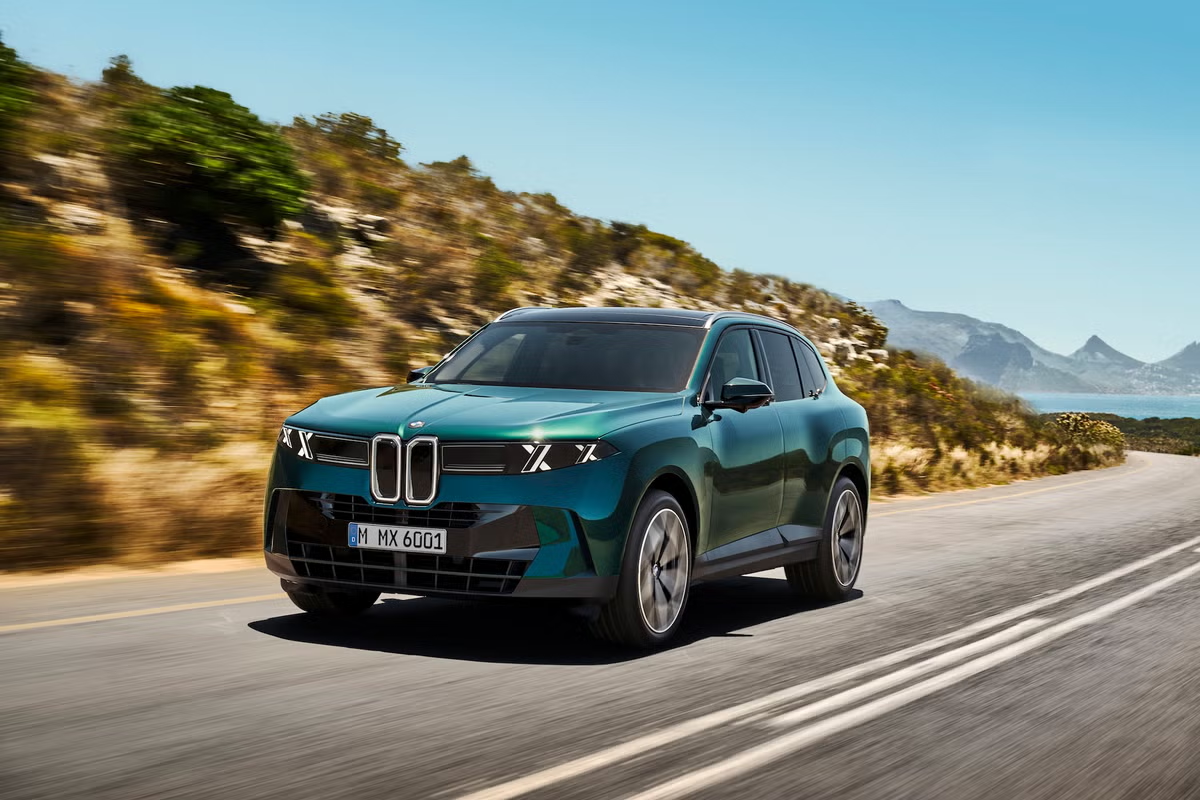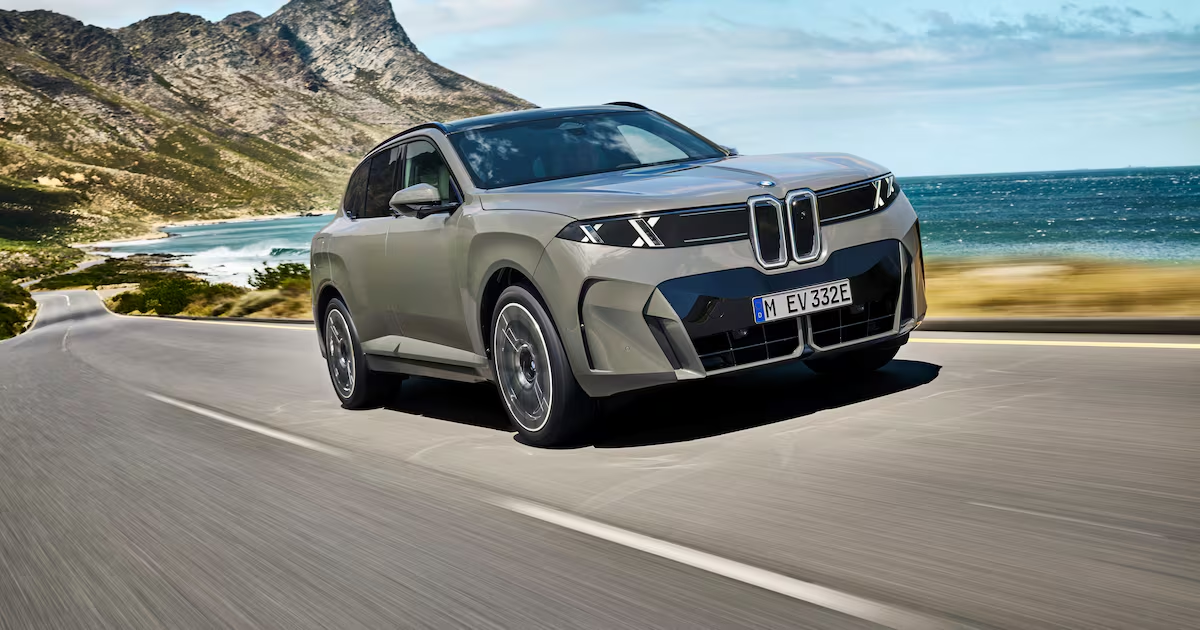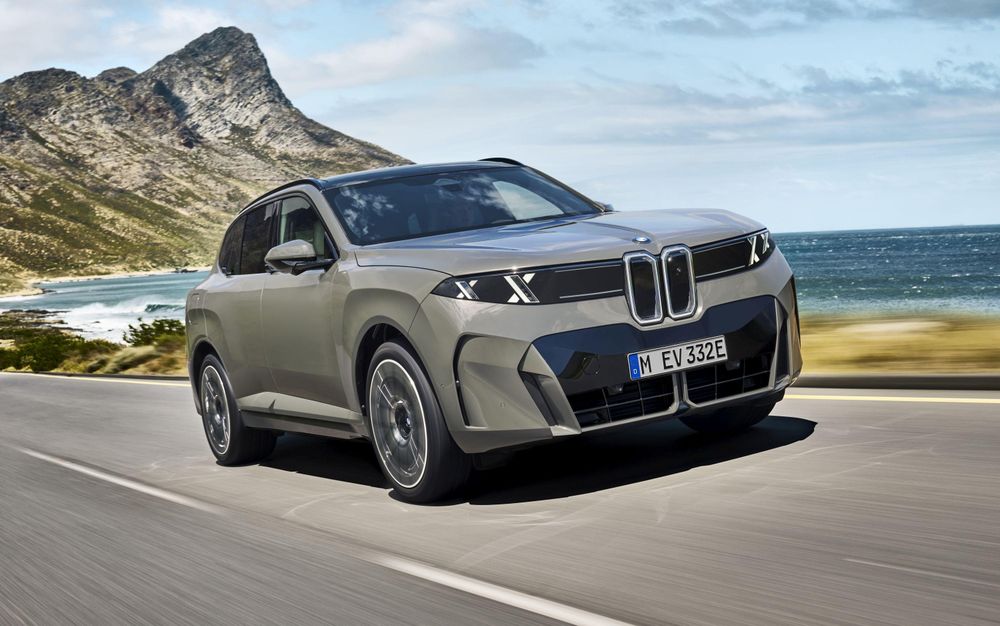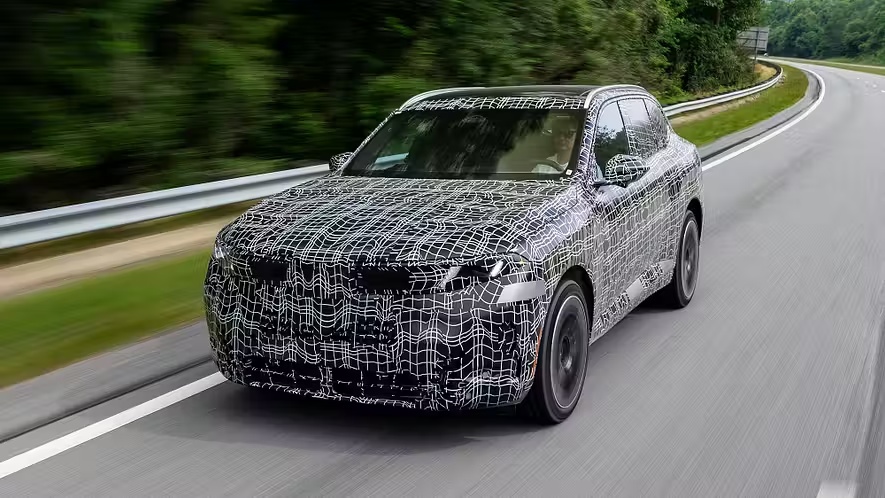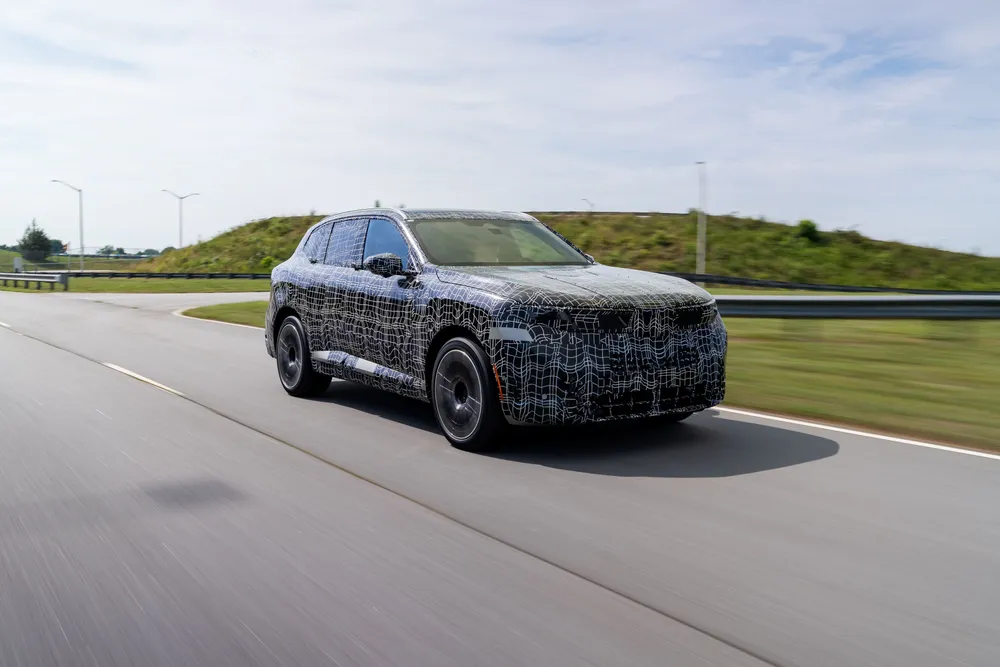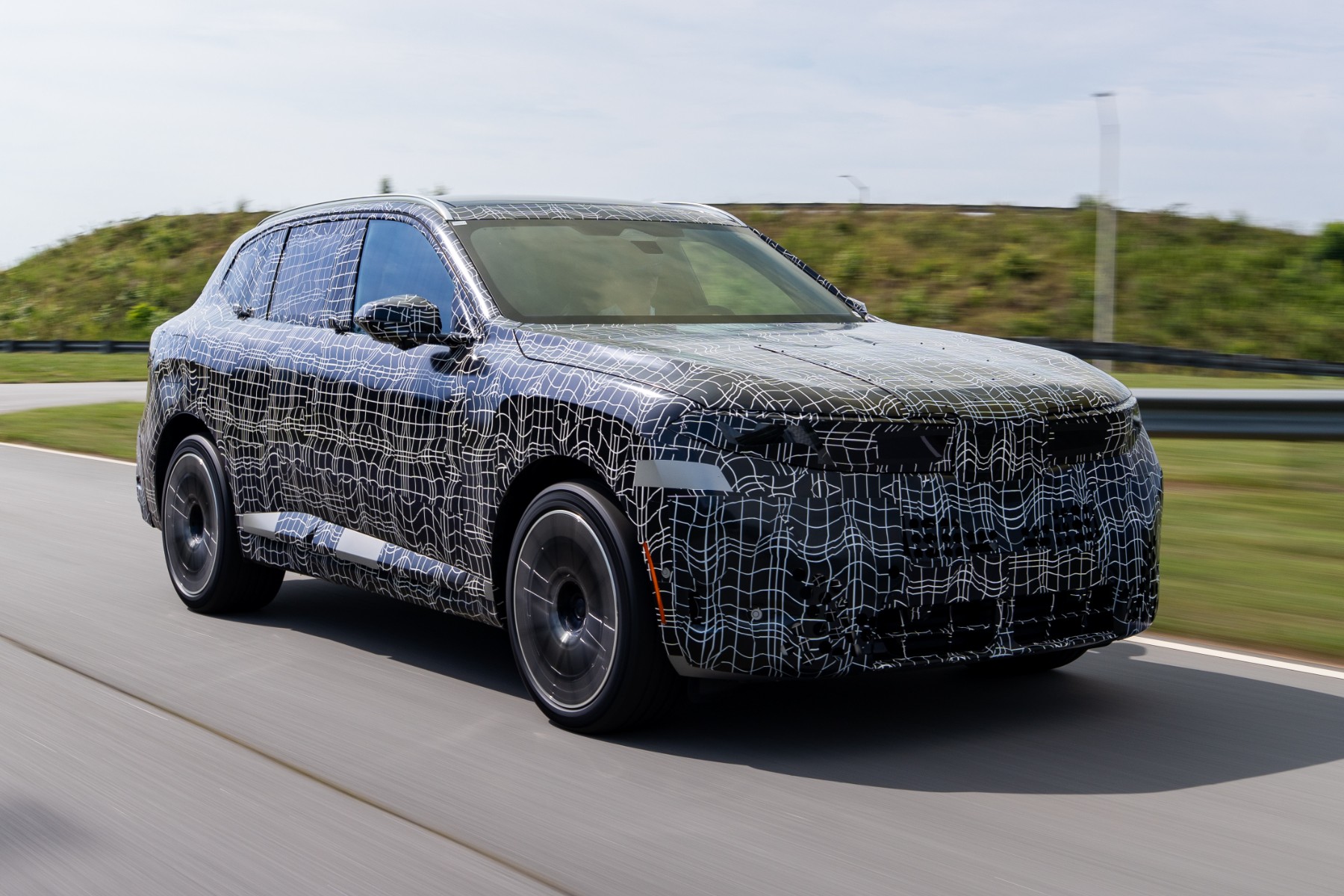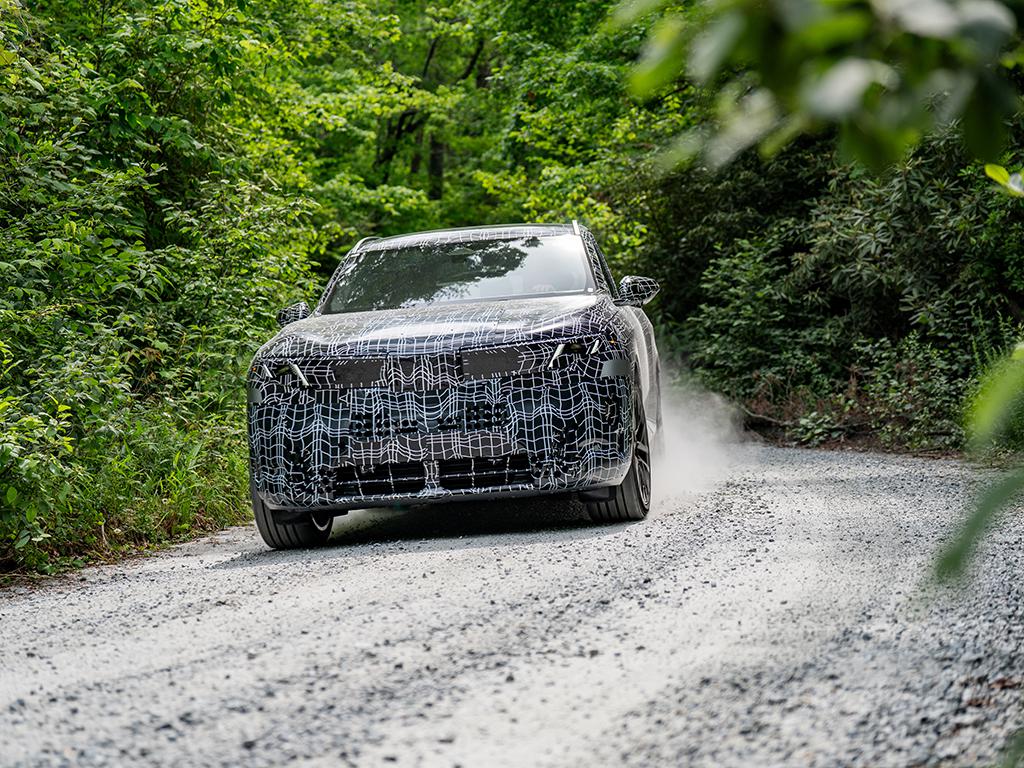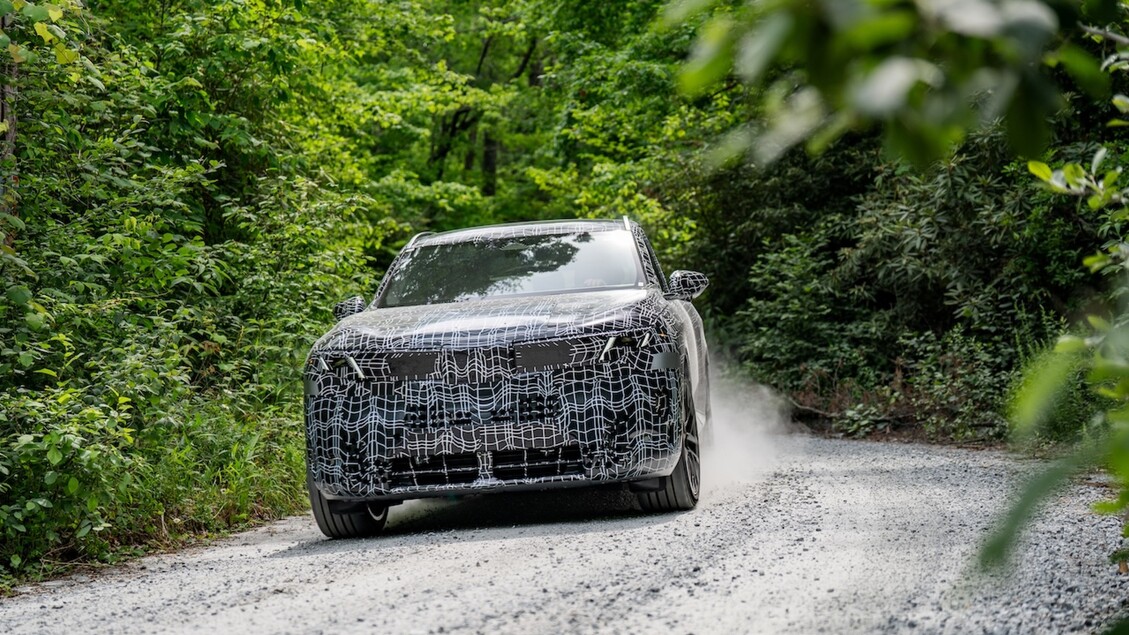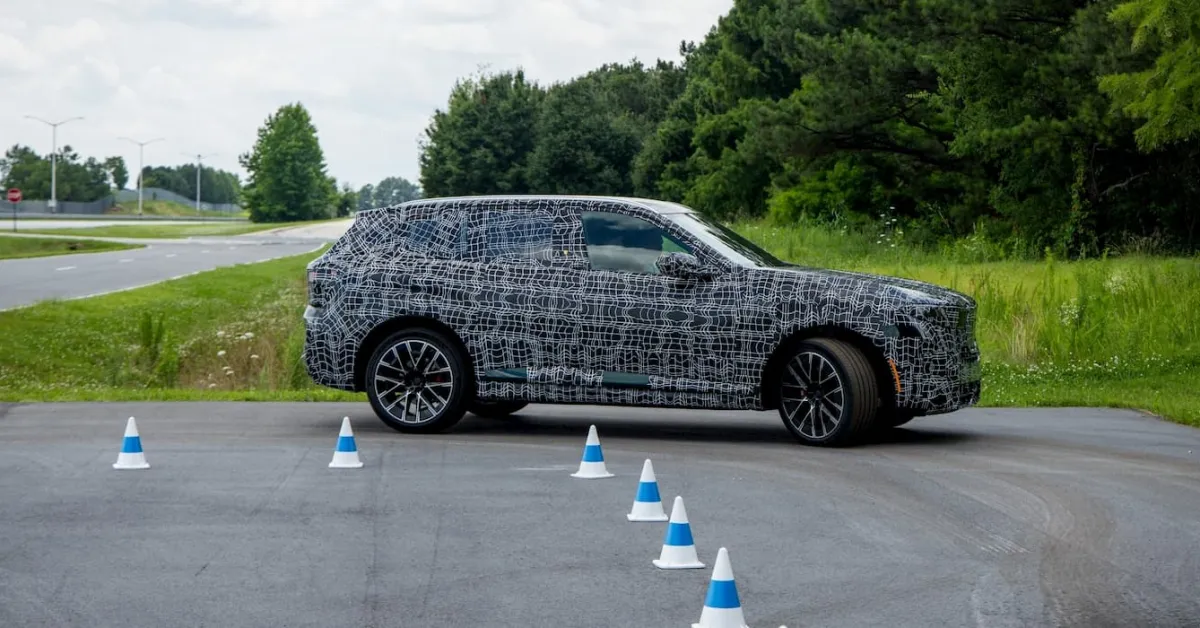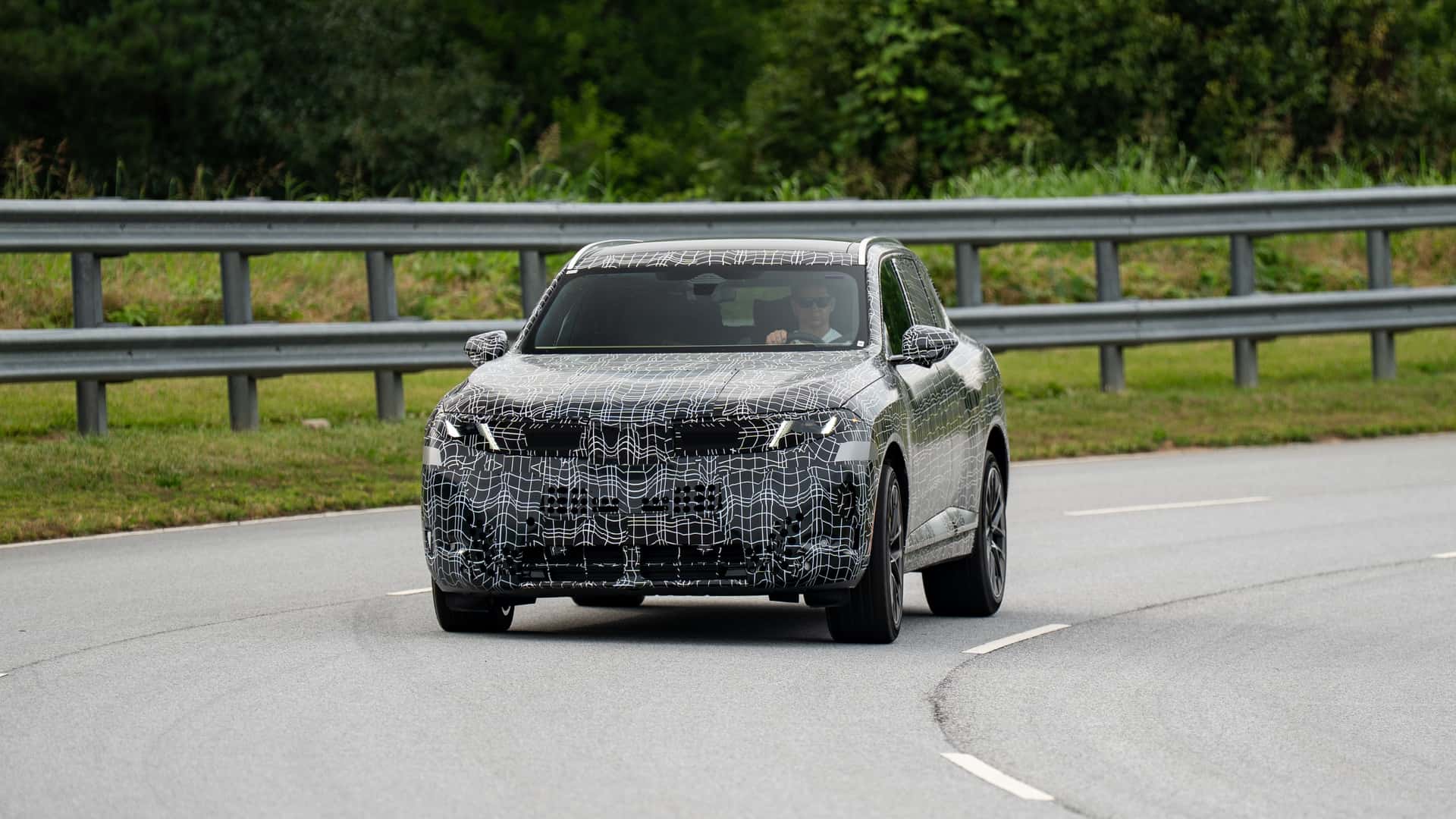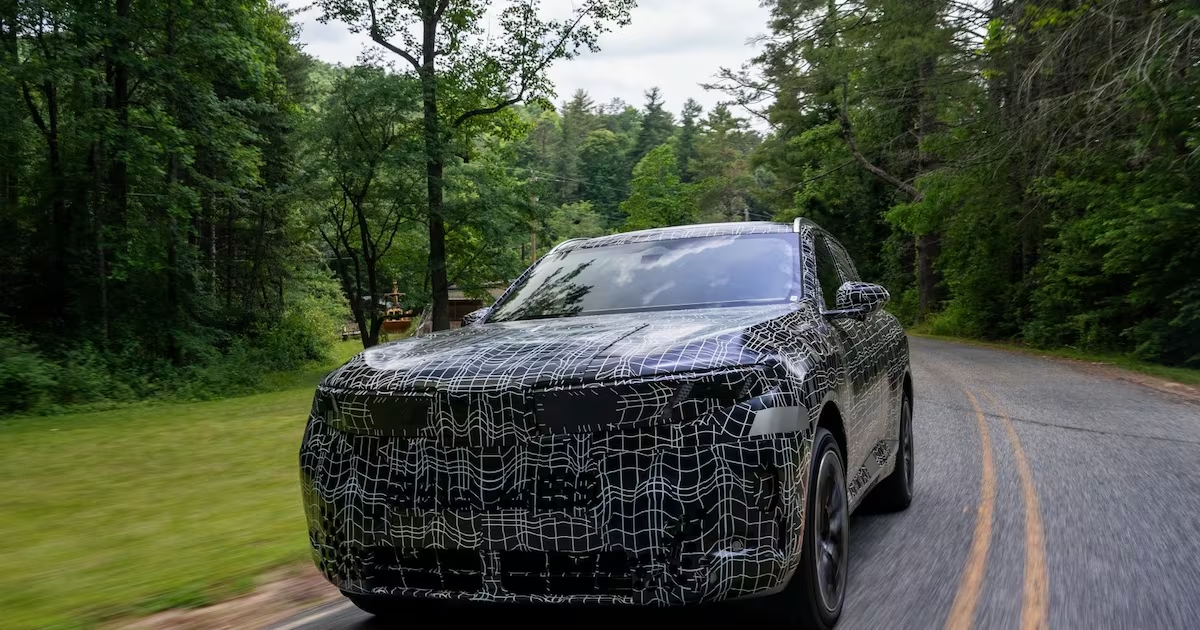
The next-generation BMW X5 has entered the closing stages of development, with the redesigned luxury SUV undergoing final calibration testing near BMW’s production facility in Spartanburg, South Carolina, before its global debut.The fifth-generation X5 will mark a major shift for the model range, becoming the first BMW production vehicle to launch with five different powertrain options — petrol, diesel, plug-in hybrid, fully electric, and hydrogen fuel cell.The first model to debut will be the fully electric iX5, introducing the German carmaker’s sixth-generation eDrive technology. The electric SUV uses the company’s new 800V architecture and cylindrical battery cell technology, paired with a large high-voltage battery offering 144kWh of usable capacity in the US market and 141kWh in Europe, making it the largest battery yet fitted to a fully electric BMW.Adaptive suspension with electronically controlled dampers is standard across the range; 23" wheels are optional. (BMW) Power comes from dual electric motors mounted on the front and rear axles, working through the marque’s xDrive all-wheel drive system.BMW has also confirmed that the iX5 Hydrogen will enter series production in 2028, becoming the company’s first mass-produced fuel cell vehicle.Its powertrain combines a third-generation fuel cell system with BMW’s new Hydrogen Flat Storage system, which uses seven high-pressure carbon fibre-reinforced hydrogen tanks arranged beneath the vehicle floor. According to BMW, the packaging allows the hydrogen model to retain full cabin space while enabling production alongside conventional and electric variants on the same manufacturing line.Alongside the new powertrain options, the X5 introduces several technologies derived from the brand’s latest Neue Klasse platform architecture, though the SUV is not part of the Neue Klasse family.The new X5 will offer five different powertrain options. (BMW) Central to this is BMW’s new “Heart of Joy” electronic control unit, an in-house vehicle dynamics processor that the company claims operates 10 times faster than previous systems. It manages power delivery, braking, steering, charging functions and regenerative braking in milliseconds, with the aim of improving efficiency and driving dynamics.In electric and hydrogen variants, the system is designed to maximise energy recuperation under braking while improving low-speed refinement. Petrol, diesel and plug-in hybrid derivatives will also feature new interconnected chassis and traction management systems, including BMW’s 10th-generation transverse dynamics management software and near-actuator wheel slip limitation technology.BMW has also revised the X5’s chassis, with a focus on improved ride comfort and handling precision. Larger 23″ wheels will be available, while adaptive suspension with electronically controlled dampers comes standard across the range.The new X5 will incorporate BMW’s new ‘Heart of Joy’ electronic control unit. (BMW) The Munich-based company says the suspension can continuously vary between comfort-orientated cruising and more dynamic handling characteristics, aided by a weight distribution close to BMW’s traditional 50:50 balance.Higher-spec electric and plug-in hybrid versions will offer Adaptive Chassis Control Professional, adding two-axle air suspension, integral active steering and active roll stabilisation.On the technology front, the new X5 receives BMW’s latest suite of Level 2 driver-assistance systems, incorporating features developed as part of its Neue Klasse technology programme.Optional systems available to customers include Motorway and City Assistant, offering semi-autonomous driving functions for highway and urban driving. BMW says the system is designed to keep the driver actively involved, allowing steering, braking and acceleration inputs without immediately disabling assistance functions.The first-generation BMW X5 made its debut in 1999. (BMW) The SUV will also introduce BMW Symbiotic Drive, an expanded driver assistance and safety system integrating several semi-autonomous driving functions.Some of the standout safety features include lane-keeping assistance that monitors steering behaviour and driver attention; automated evasive manoeuvres within the lane, lane-change warnings, side collision intervention, crossing traffic alerts, and automatic braking when turning into roads or exiting parking spaces.The fifth-generation BMW X5 will be fully unveiled later this year. South African launch timing has yet to be confirmed.TimesLIVE
New BMW X5 promises biggest shake-up yet with five powertrain choices
Petrol, diesel, plug-in hybrid, battery-electric and hydrogen fuel-cell variants all on offer
627 words~3 min read