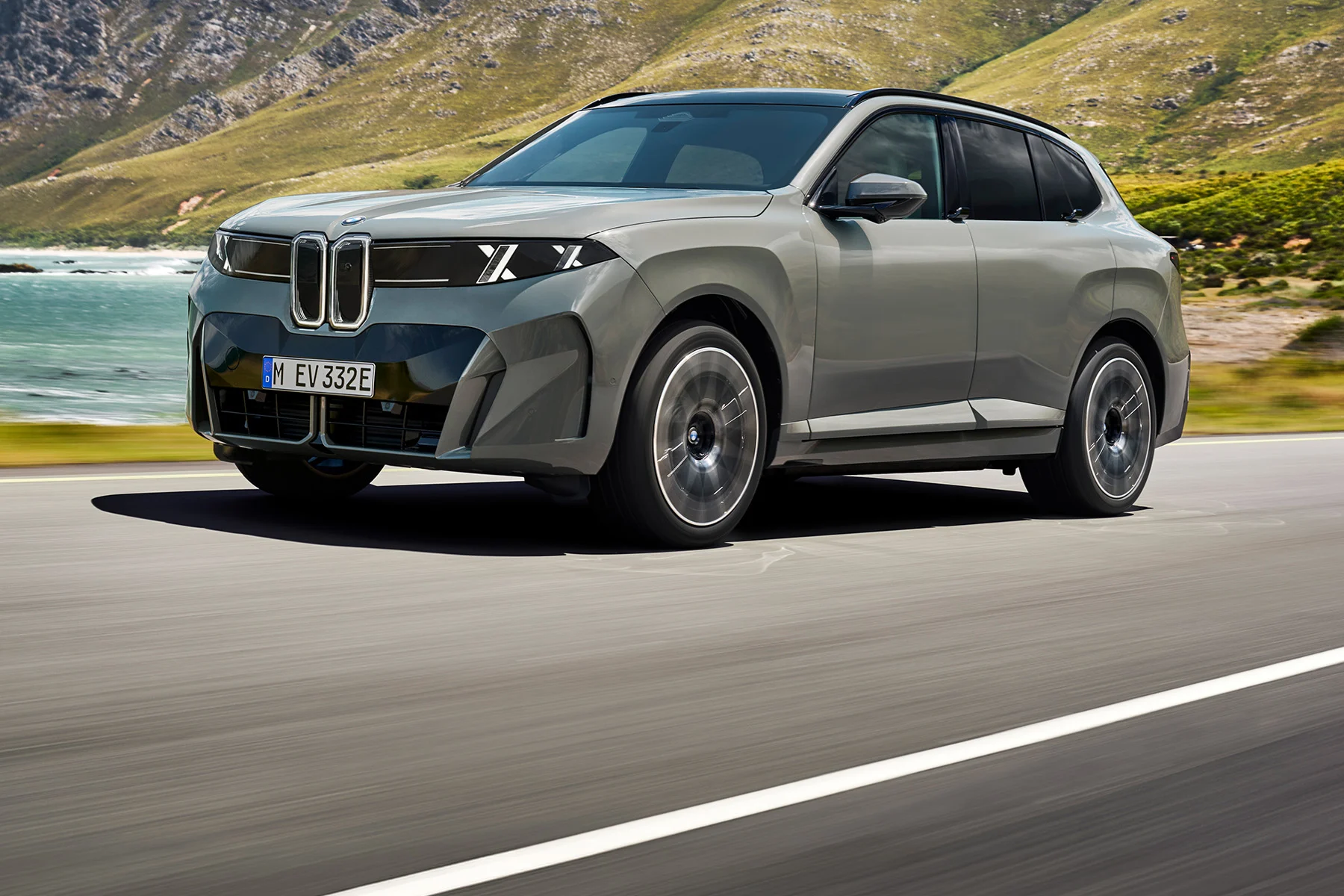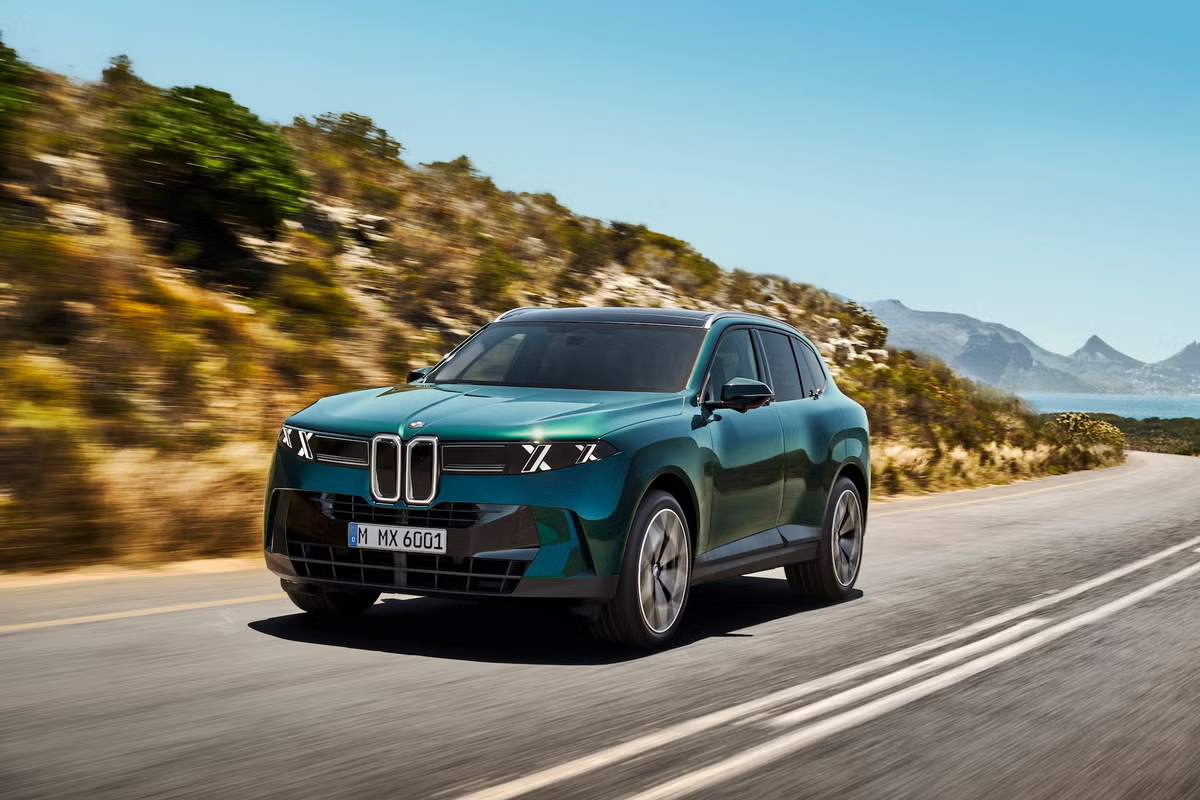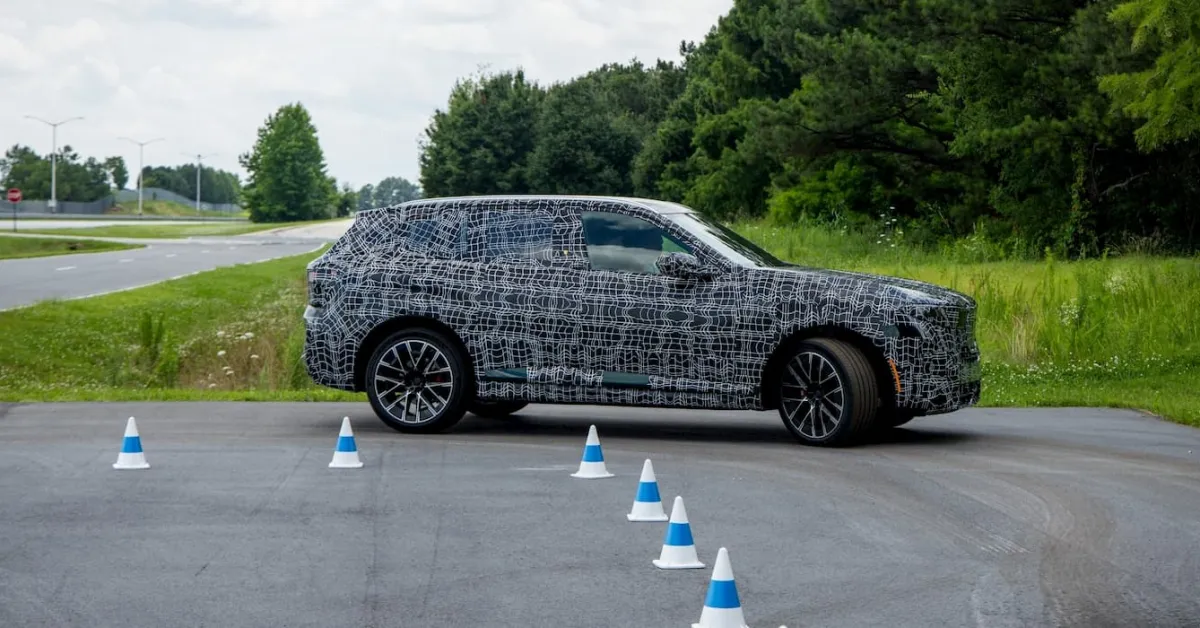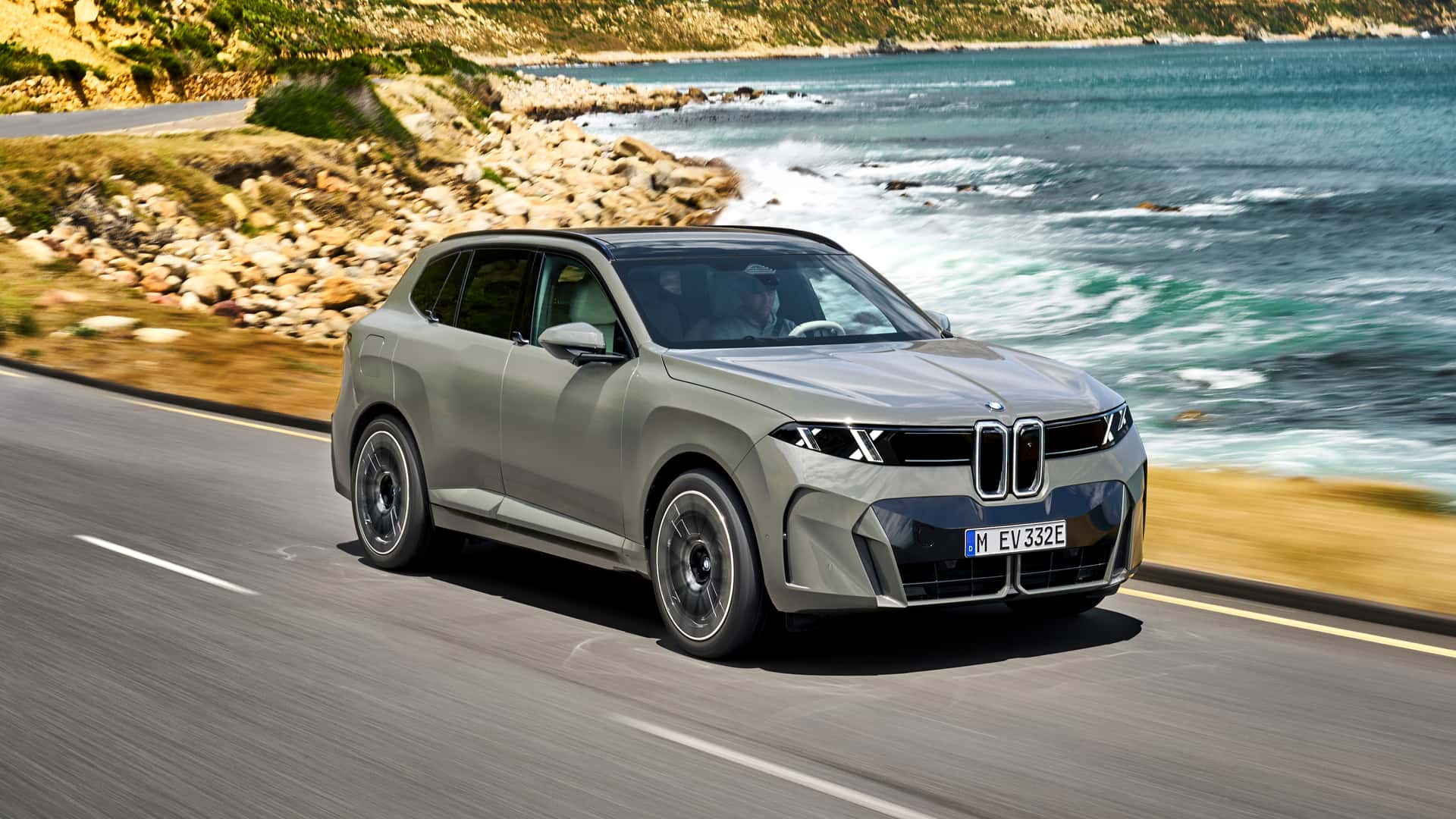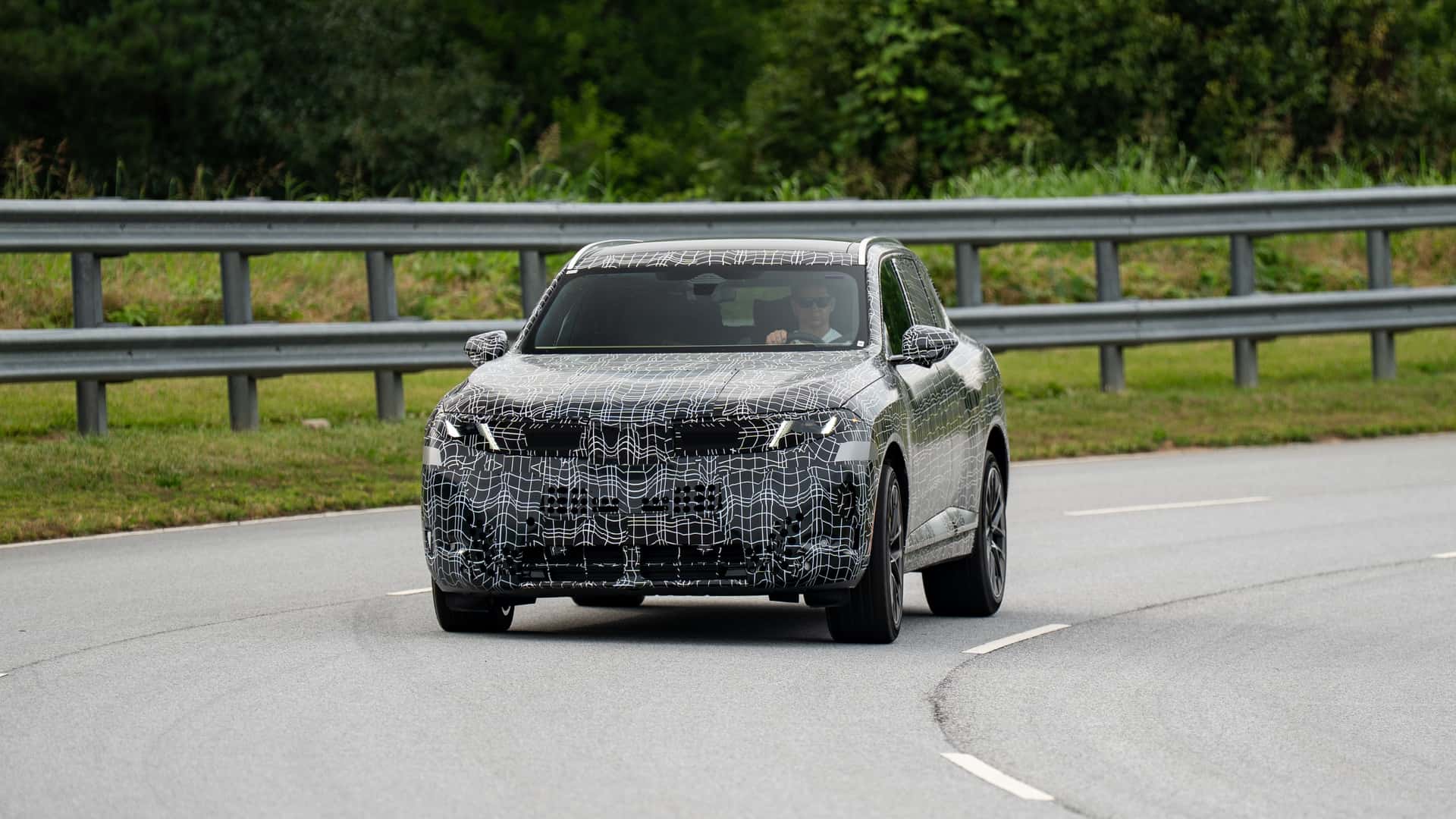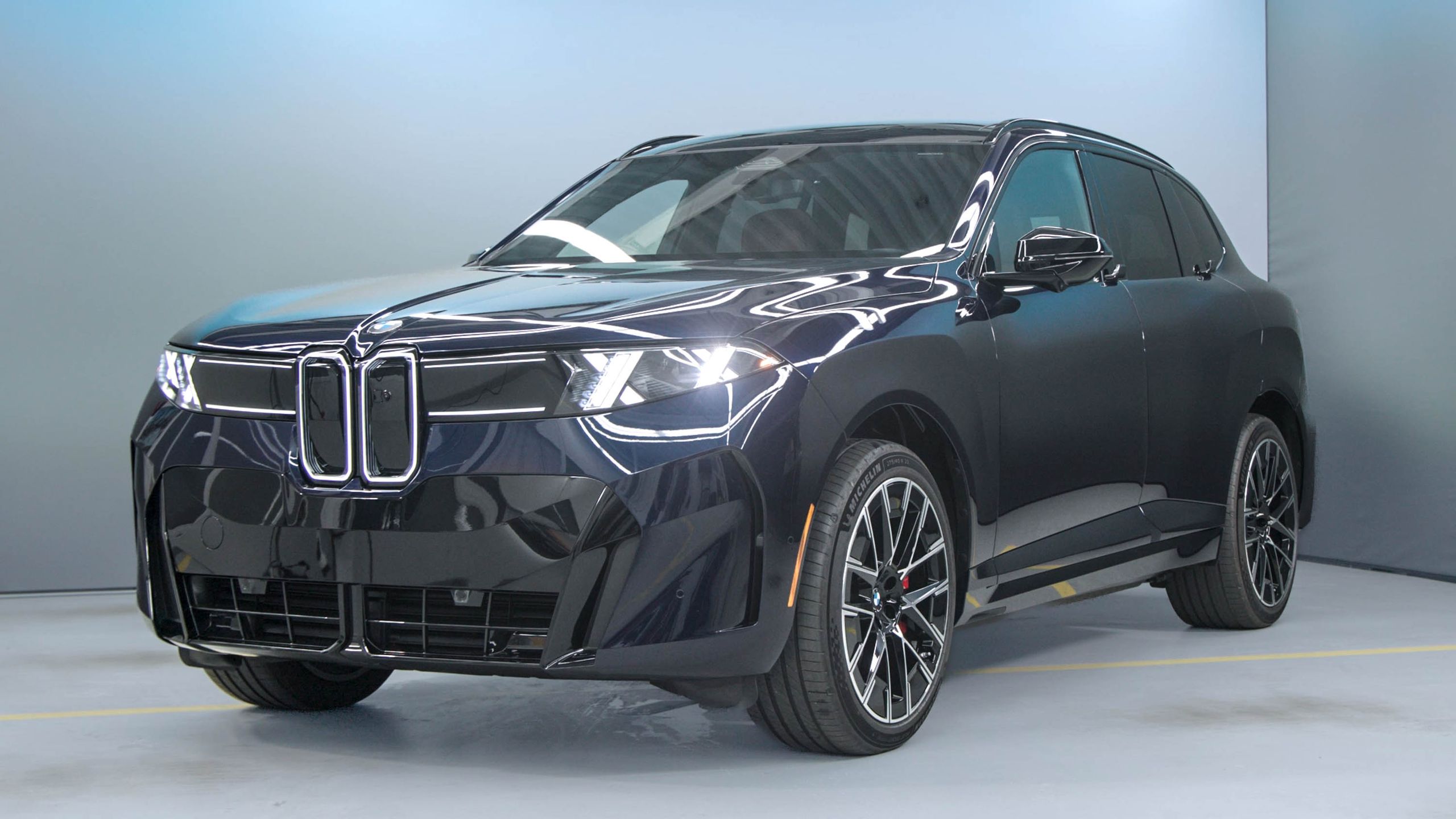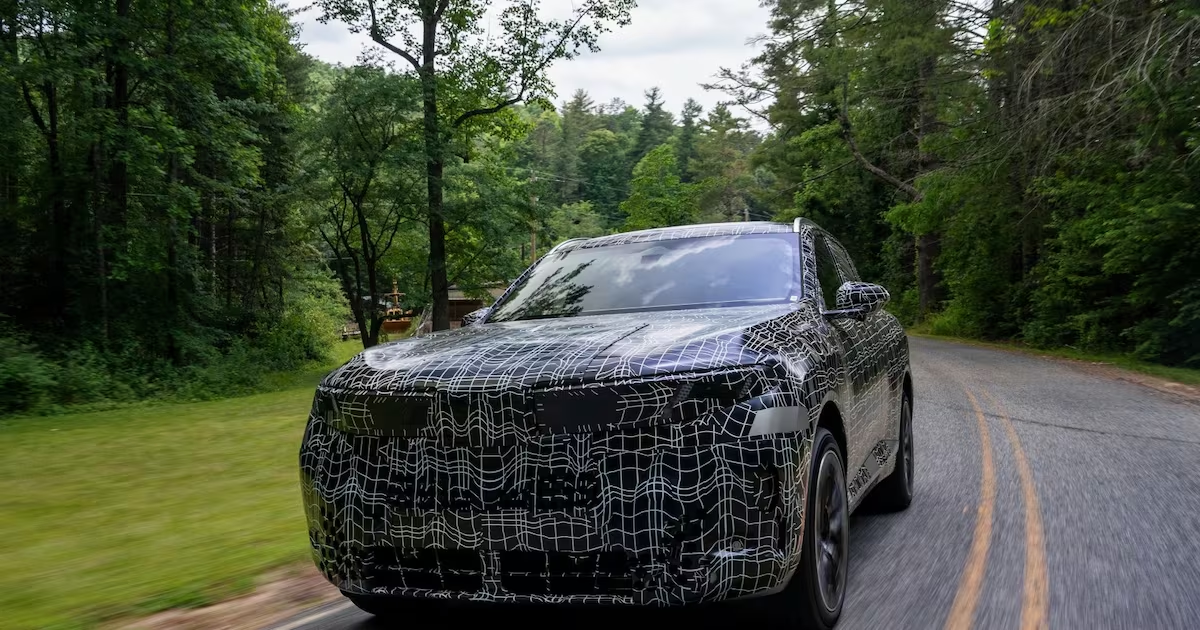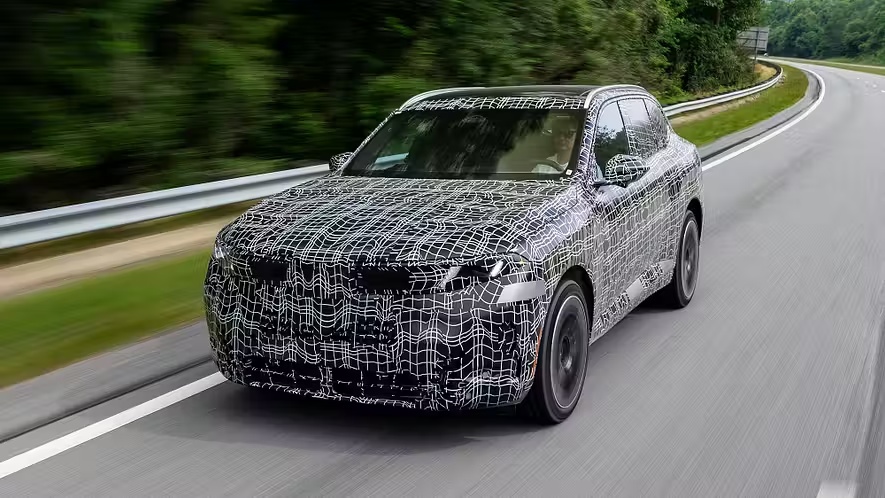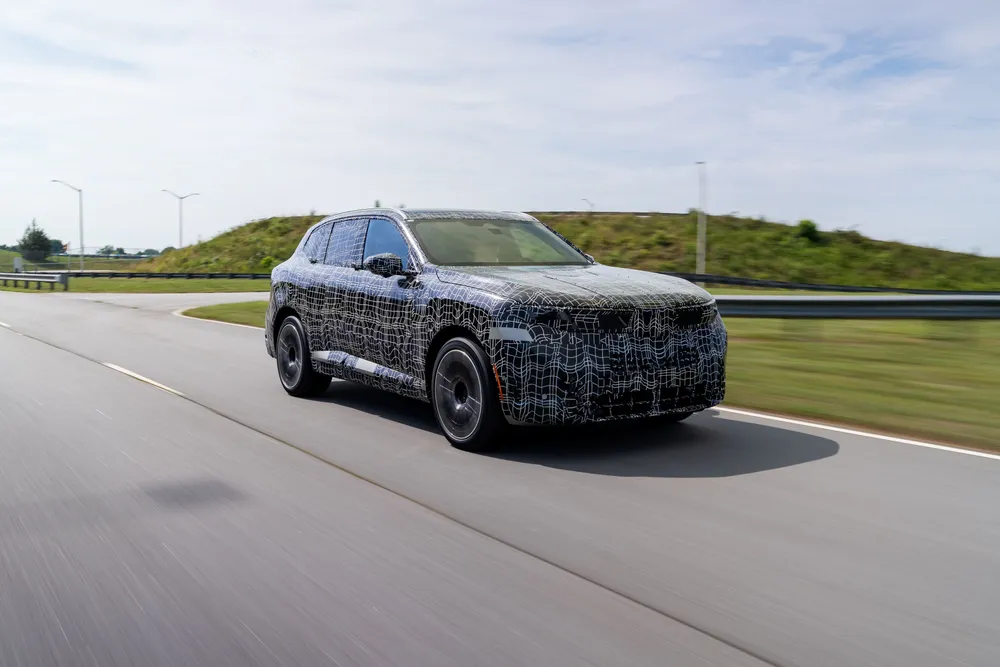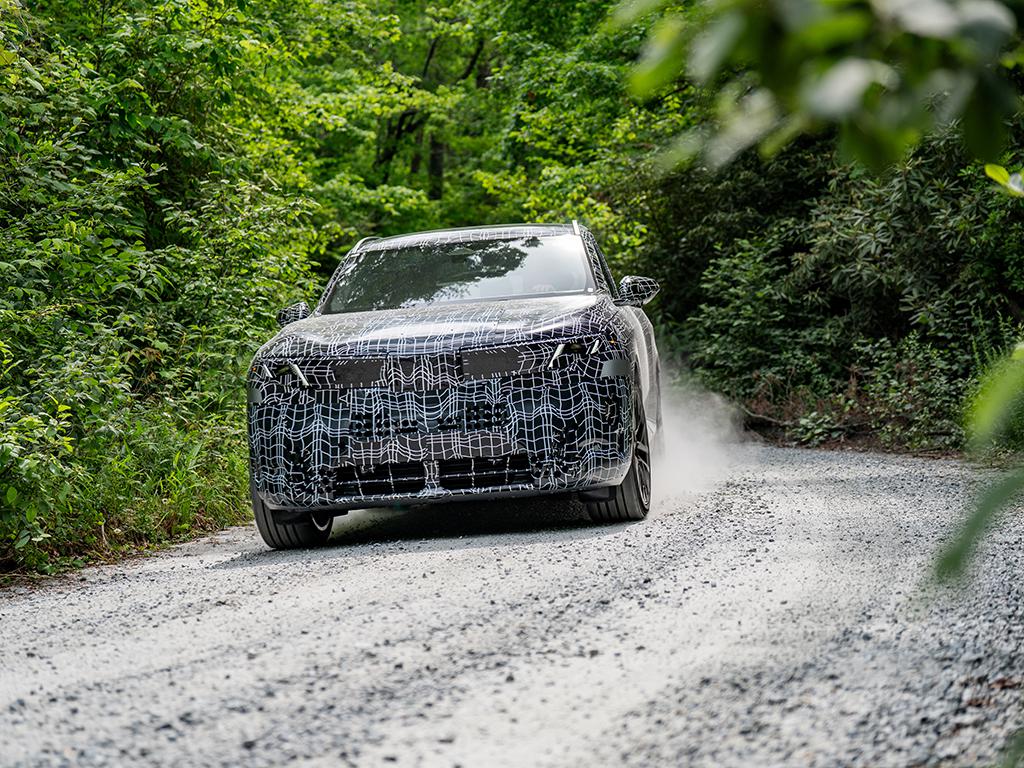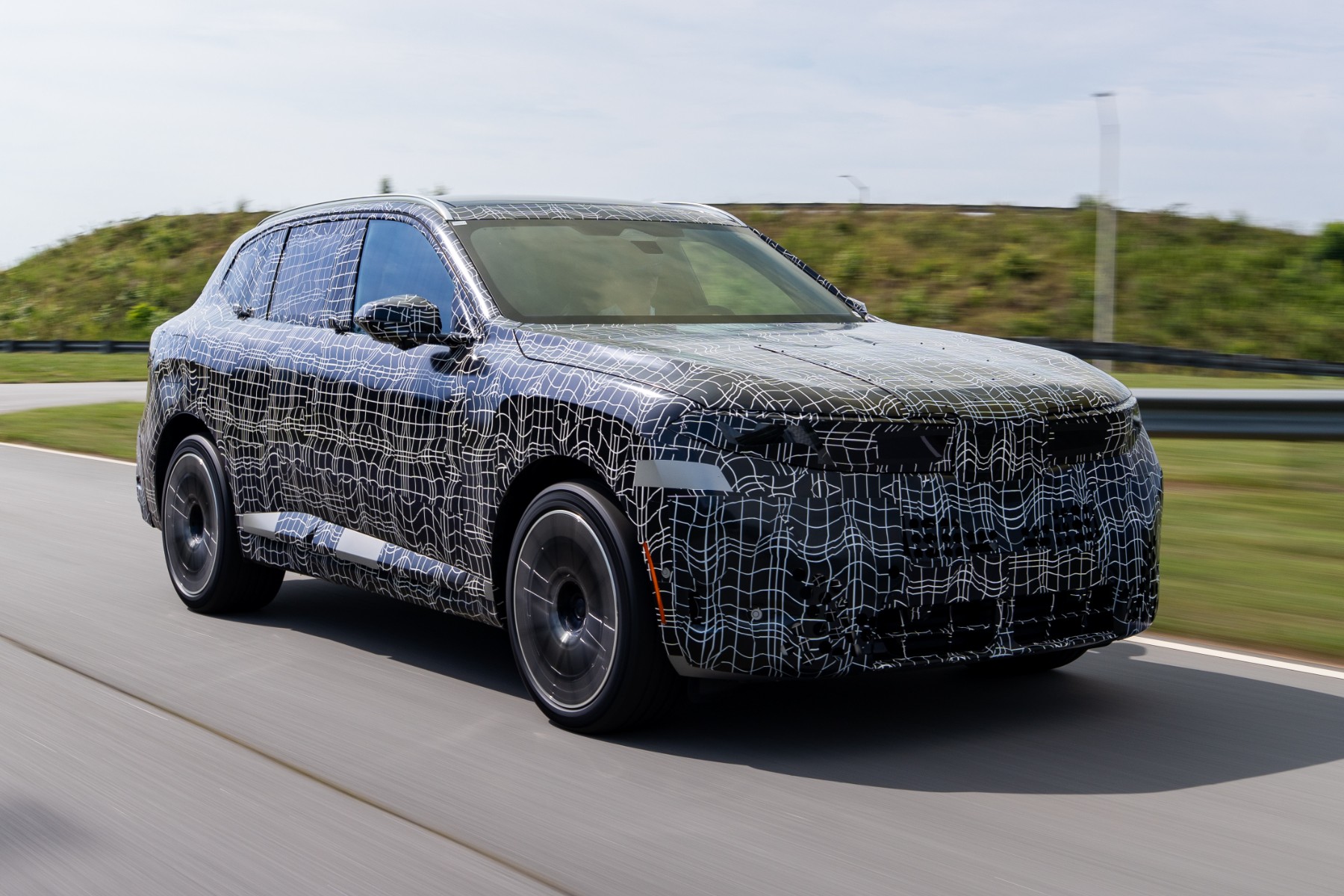
BMW is currently conducting final tuning drives with the fifth generation of its X5 SUV around its US plant in Spartanburg. Internally designated as the G65 series, it will be the first X5 to also come as a fully electric version, the iX5 – and with a very generous battery for passenger car standards, featuring a net capacity of 141 kWh.Prototype of the 5th generation of the BMW X5Image: BMWUntil now, a battery with a capacity of around 120 kWh was considered the upper limit for electric SUVs. Models in this range include the Mercedes-Benz EQS and the Lucid Gravity. However, the upcoming BMW iX5 60 xDrive is set to redefine standards with a usable energy capacity of 144 kWh in the USA and 141 kWh in the EU (net), along with an 800-volt system voltage. This makes it the largest high-voltage battery ever fitted in a fully electric BMW model – and, as previously noted, larger than those of established competitors.What remains uncertain, however, is how the additional weight of the vehicle – reportedly around 2,950 kg according to Autocar – will affect its efficiency and range, figures that BMW has yet to disclose. What BMW has confirmed is the system output: the all-wheel-drive BMW iX5 60 xDrive, the first model to launch, will be powered by a 425 kW motor. It utilises the sixth generation of BMW eDrive technology. Further details, such as acceleration or top speed, have not yet been revealed.For market observers, this may seem familiar, but it is still noteworthy given the hype surrounding the ‘Neue Klasse’ (New Class), on which the new BMW iX3 and the upcoming i3 are based: the new BMW iX5 does not use the Munich-based manufacturer’s promising new electric architecture. Instead, it is built on the CLAR (Cluster Architecture) platform, introduced in 2015. Rumours about this emerged as early as the beginning of 2025.However, the use of the CLAR platform offers BMW a significant advantage: the new X5 will be the first model to launch with five distinct drivetrain technologies. In addition to the battery-electric iX5, the traditional X5 will be available with petrol and diesel internal combustion engines, including 48-volt mild-hybrid technology, as well as plug-in hybrid models.For the first time, BMW will also introduce a fuel cell variant under the name iX5 Hydrogen, which – as previously announced – is set to debut in 2028. A hydrogen-powered vehicle based on the X5 is a logical choice, as the current hydrogen pilot fleet of 100 vehicles from the Munich-based manufacturer (read our test drive review here) is already based on this SUV series. This aligns with the fact that, in May, BMW’s Landshut plant began pre-series production of the ‘Energy Master’ central control unit for the hydrogen powertrain.That said, the new iX5 – or X5 – will not be entirely without elements of the Neue Klasse. While the full architecture is not being used, components developed for the Neue Klasse will still feature. These include the high-performance control unit Heart of Joy, which incorporates the fully in-house-developed Driving Stack BMW Dynamic Performance Control.Series production of the fully electric iX5, as well as the internal combustion engine and PHEV versions of the X5, is scheduled to begin in the second half of the year. Market launch and first customer deliveries are expected between late 2026 and early 2027. The fuel cell model is set to follow in 2028.bmwgroup.com, autocar.co.uk
First fully electric BMW iX5 features massive 141 kWh battery - electrive.com
BMW is currently conducting final tuning drives with the fifth generation of its X5 SUV around its US plant in Spartanburg. Internally designated as the G65
569 words~3 min read