Look to AI agents and open source to escape the vendor-driven upgrade cycle
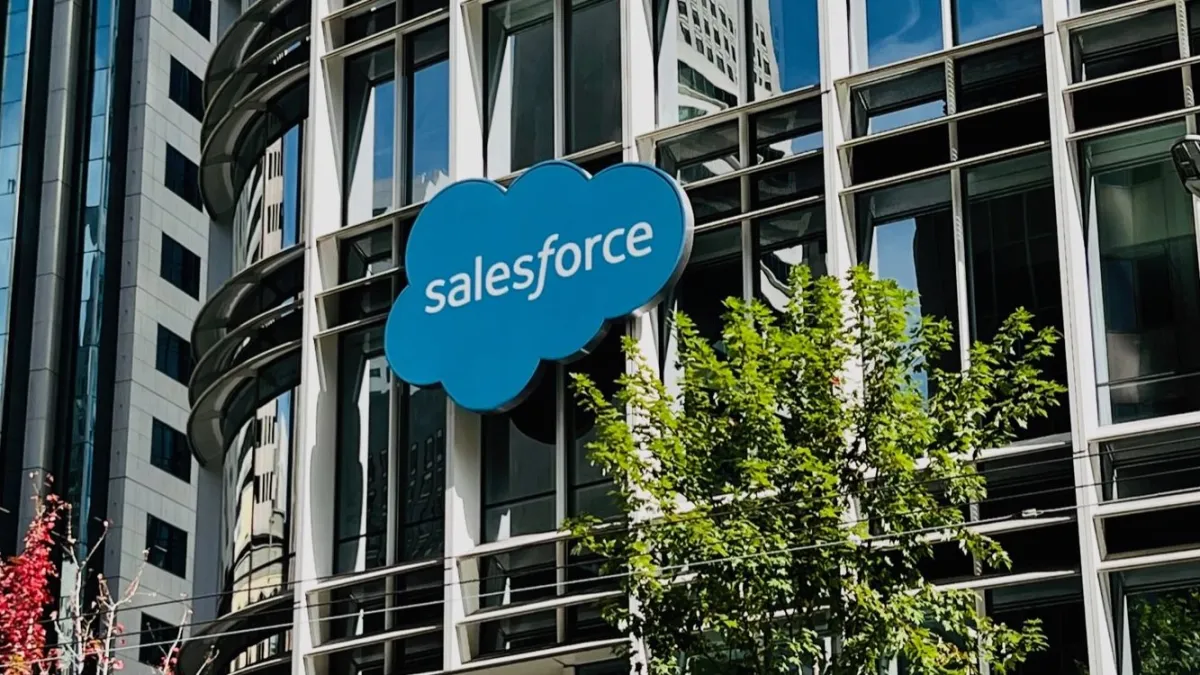
Weeks after Salesforce boasted about the adoption of "headless CRM," the concept of "headless ERP" crops up.This notion, according to Seth Ravin, CEO of third-party support vendor Rimini Street, is coming to help beleaguered ERP customers escape the application upgrade treadmill driven by the dominant database vendors.For Salesforce, its Headless 360 allows customers to access all of their Salesforce data from developer tool Cursor, WhatsApp, ChatGPT, Claude, or a terminal. It has processed 4.5 million MCP calls and nearly a trillion API calls since launching in April, the CRM giant said.
For ERP, a monolithic category of enterprise software that conducts financial planning in some of the world's largest companies, the idea is the same, Ravin told The Register. Build a UI layer on top of existing applications, with AI agents or workflow software, and swap them out when the business is ready.
Eventually, the business data can be moved to an open source or source-available database such as PostgreSQL or MongoDB."PostgreSQL is number one," Ravin said. "Anyone who's doing open source is leading with PostgreSQL. MongoDB is number two. You're watching this whole decoupling of [ERP] technology and use of open source. You're going to see more and more of this. It's going to change the whole way we think about these big packages that users have been buying in the past."He is not alone. Research conducted by Censuswide with 4,295 CFOs, CISOs, CIOs, and CEOs found 70 percent do not see traditional ERP as the future. The study, commissioned by Rimini Street, found 36 percent favored a "composable, modular, flexible, API-driven, best-of-breed model" while 33 percent would lean toward "agentic ERP [with] autonomous, AI-driven decision-making".Concepts like headless and agentic ERP may seem nebulous now, but SAP, which counts some of the world's largest manufacturers as its customers, had to U-turn on its decision to restrict AI agents on legacy and on-prem software. It had said such innovations would only be available in its latest suite of applications and data products in the cloud, but demand from users forced a rethink this year. Ravin said the impact of agentic AI was "scaring the hell out of everyone from SAP on down.""I guarantee you that they're in a panic because they just don't understand the customers are getting ahead of them, the technology is coming apart underneath them, and they're trying to keep up, but the reality is they've built a business off controlling a customer by having all of this software, and they tell them when to [upgrade] and what to move to, and threatening them, and that's just not going to work."