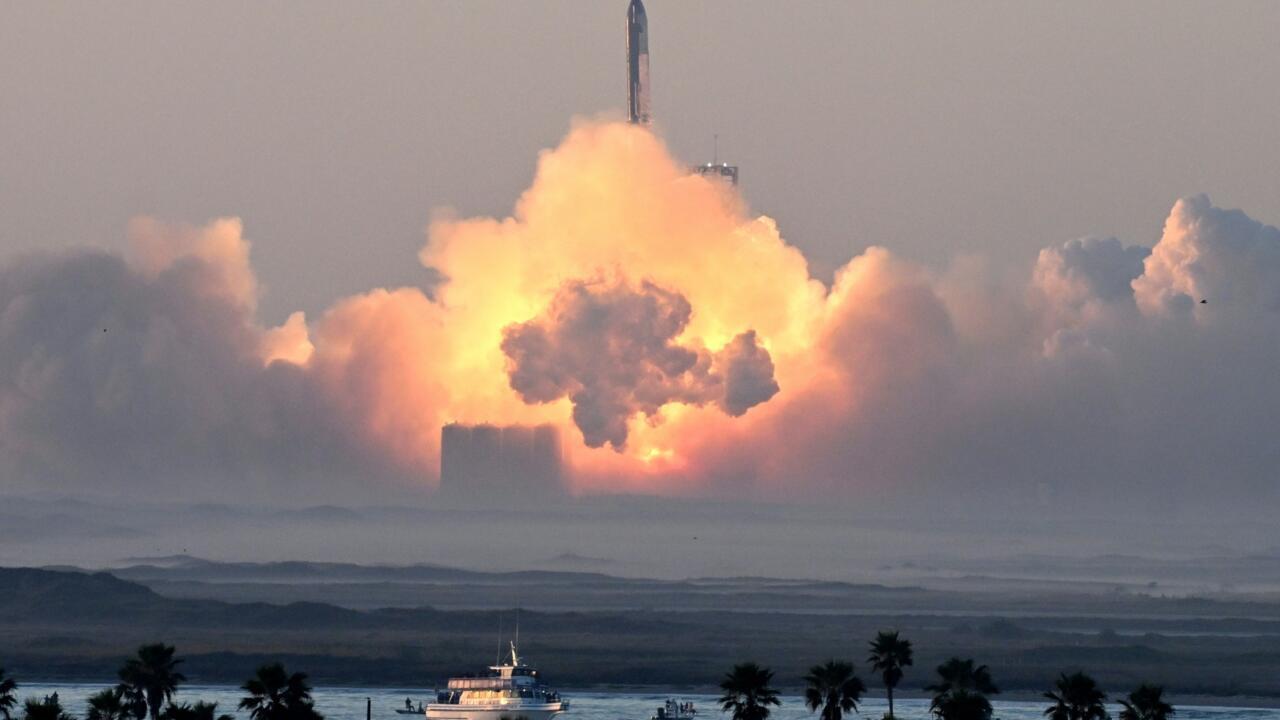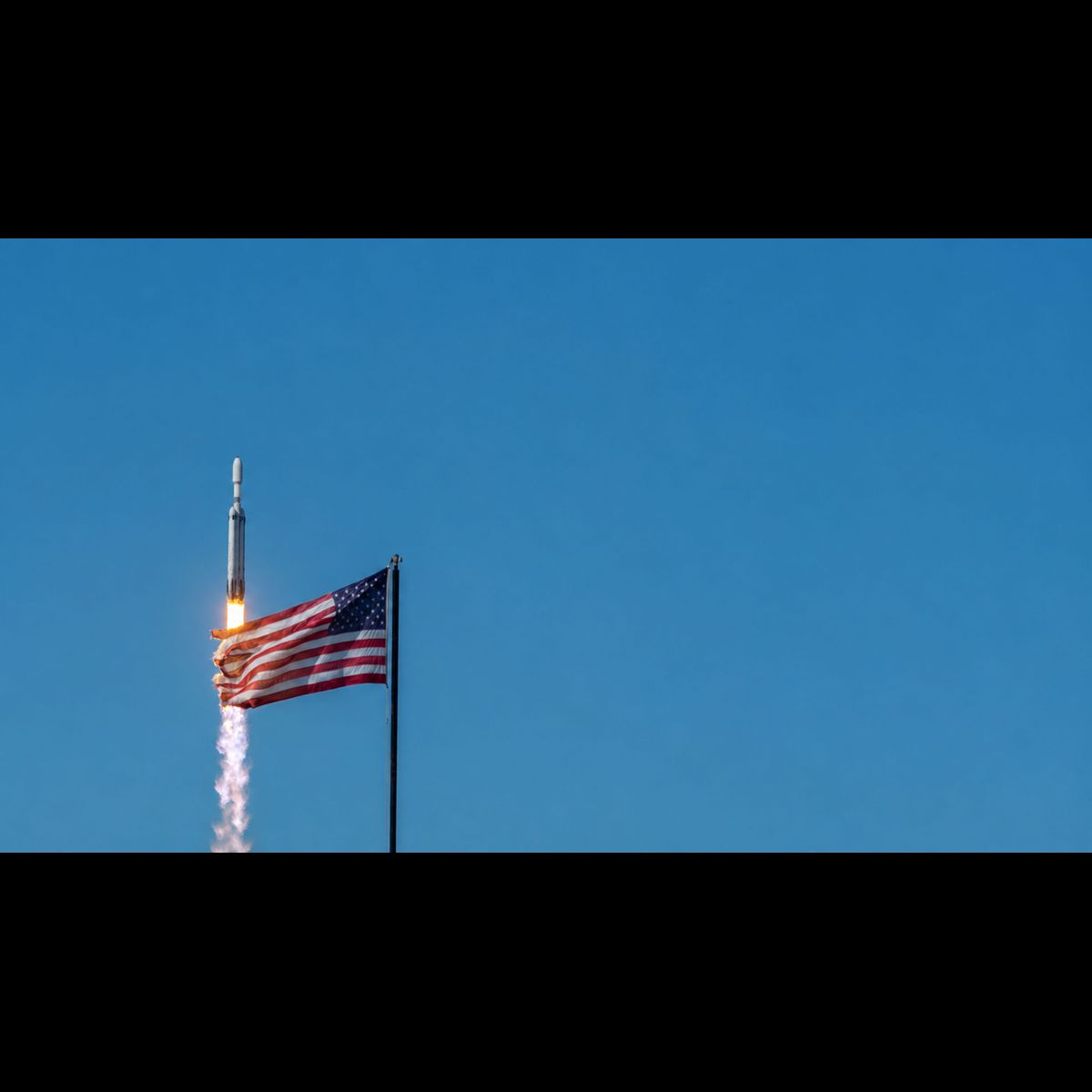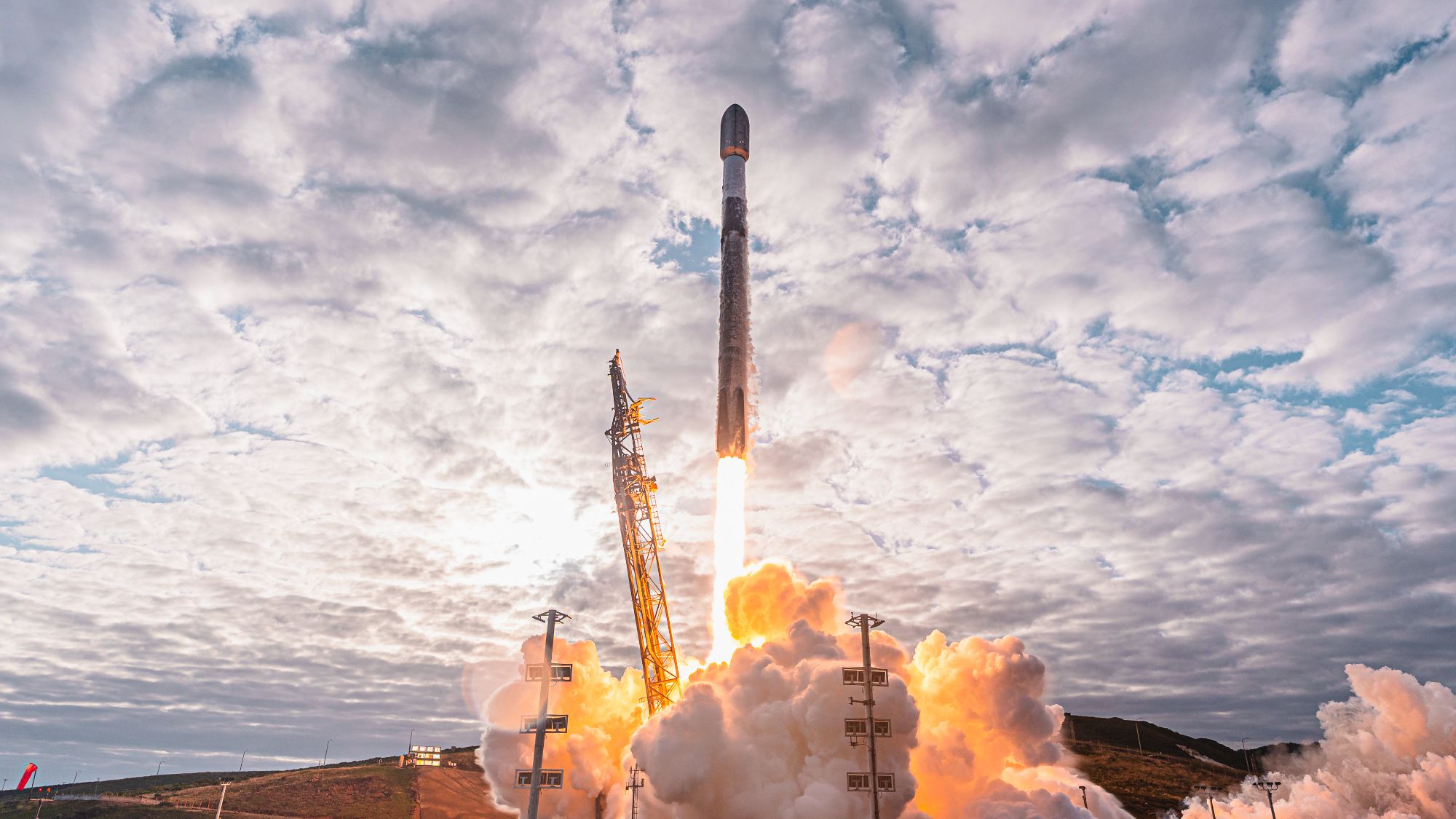
SpaceX has launched approximately 80% or more of the world’s total payload mass to orbit in recent years, especially since 2023. In 2025 alone, the company delivered over 2,200 tons, accounting for more than 80% of global orbital mass, driven by high launch cadence and Starlink missions. SpaceX’s S-1 IPO prospectus explicitly states: “Since 2023, we have launched more than 80% of mass to orbit for the world each year” with a mission success rate above 99%. This dominance highlights SpaceX’s leading position in the global launch market.As early as 2023, the distinguished space expert Jeff Foust highlighted this in an article in SpaceNews titled “The Accidental Monopoly: How SpaceX became (just about) the only Game in Town.”
In some areas, SpaceX has established itself as a monopolist, which, in an economic sense, does not necessarily mean 100% market dominance, but rather a lack of competition, allowing the company to set prices at its own discretion. This is clearly the case as far as launch costs are concerned, where SpaceX, due to its market position, can and does charge a big markup on its own cost prices.
Another negative outcome of monopolies, namely that a monopoly company becomes sluggish and less innovative, does not apply to SpaceX in any way, shape, or form. Elon Musk operates with remarkable speed and determination — he doesn’t need competition to drive him — he’s racing against time because he wants to start colonizing Mars within his lifetime.