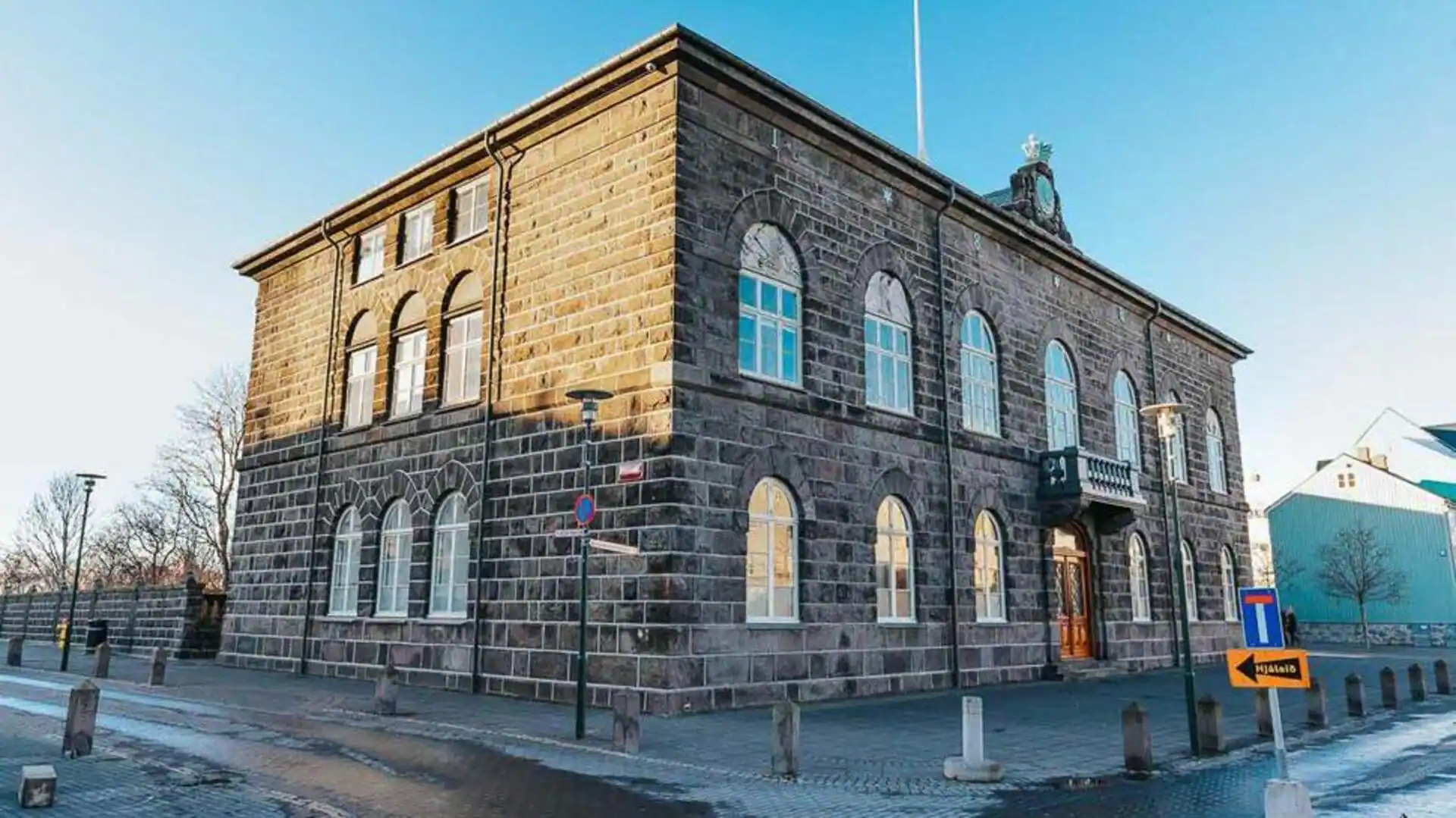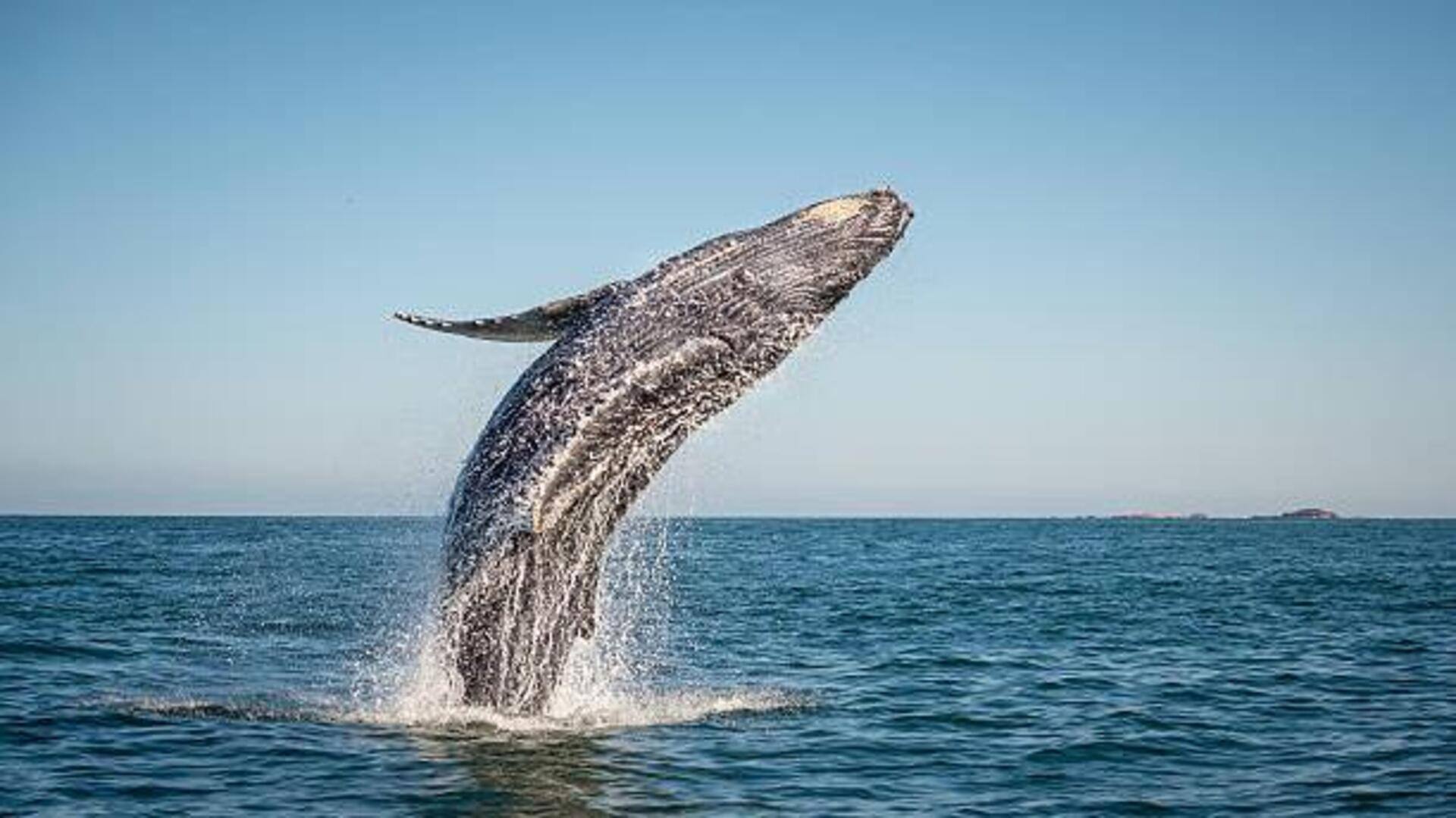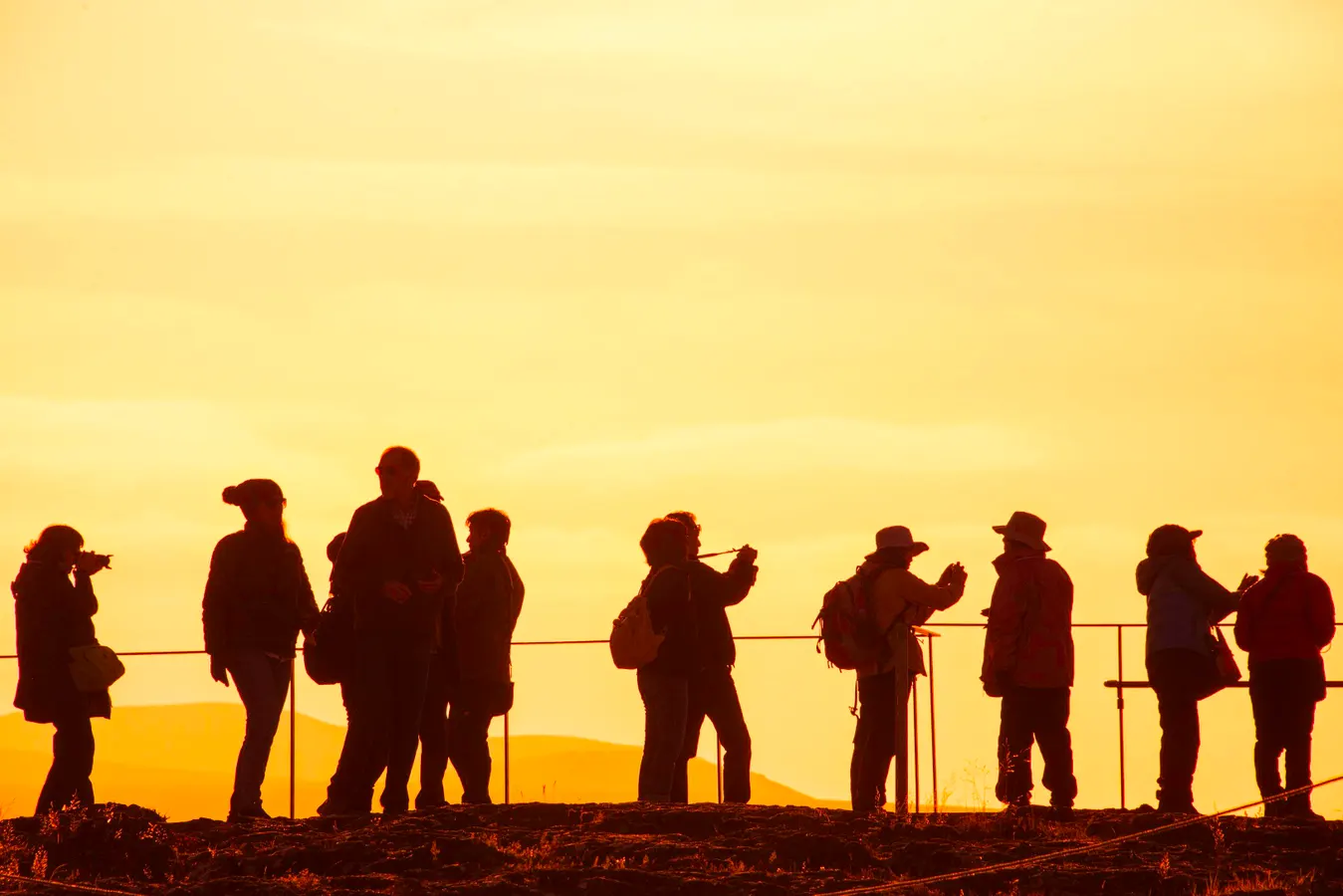
Iceland's Thingvellir National Park attracts huge numbers of tourists.gettyOn a summer afternoon at Iceland’s Skogafoss waterfall, the path to the viewpoint can feel more like a waiting room than a hike. Visitors wait their turn for photos, tour buses idle nearby and the sheer volume of people is hard to ignore.Scenes like this have become a familiar part of travel in Iceland, where visitor numbers surged from fewer than 500,000 a year before 2010 to well over two million today.For years, that growth was not just welcomed, but actively encouraged. Tourism helped drive Iceland’s economic recovery after the 2008 financial crisis and quickly became one of the country’s most important industries. But as the crowds grew, so did the pressure.Now, while Iceland’s tourism boom shows little sign of disappearing, the country is shifting its approach.The focus is no longer on attracting ever greater numbers of visitors, but on managing where they go, how they travel and the impact they leave behind.Iceland’s Tourism Boom Is Still RealIceland welcomed just under 2.3 million foreign overnight visitors in 2025, according to the Icelandic Tourist Board. Keflavik Airport expects around 2.24 million foreign tourists in 2026, only slightly below its estimate for the previous year.That makes any talk of Iceland falling out of fashion premature. The island remains one of Europe’s most compelling adventure destinations, helped by its transatlantic location, dramatic landscapes and compact collection of famous sights within reach of Reykjavik.But the nature of the boom is changing. After years of rapid growth, the challenge is less about making people aware of Iceland and more about making tourism work better for communities and fragile environments.Iceland’s current tourism policy, “Leading in Sustainable Development,” looks ahead to 2030 and places sustainability, quality and the visitor experience at the center of the industry’s future.The OECD describes the framework as an attempt to position Iceland as a sustainable tourism destination while keeping the industry “in harmony with its country and its people.”Skogafoss waterfall is among many natural wonders that attract visitors from across the globe to Iceland.gettyThat phrase captures the tension now facing Iceland. Tourism is essential, but unmanaged growth can undermine the very places and experiences visitors come to see.From Marketing Iceland To Managing IcelandThe most visible change is practical rather than philosophical. Popular natural attractions increasingly rely on improved parking, marked paths, safety infrastructure and visitor flow management.The Tourist Site Protection Fund was created to support development, maintenance and protection at tourist sites and routes, with the stated aim of improving safety, protecting nature and spreading visitors more widely to reduce pressure on heavily visited places.Places such as Skógafoss, Reynisfjara, Gullfoss and Thingvellir, where the experience can vary dramatically depending on the time of day, season and number of tour buses arriving at once.It also explains why visitors may encounter more parking fees, clearer restrictions, roped-off paths and stronger messaging about environmental protection. These measures can feel like friction, but they are part of Iceland’s attempt to keep high-volume tourism compatible with fragile landscapes.Beyond Iceland’s Greatest HitsThe classic short Iceland trip still works: Reykjavik, the Golden Circle, the Blue Lagoon or another geothermal spa, and a south coast day trip.For first-time visitors, that itinerary offers a powerful introduction, but it is also the most crowded version of Iceland.A smarter strategy is to build a trip around different places and more time. West Iceland and the Snaefellsnes Peninsula offer lava fields, fishing towns, sea cliffs and mountain scenery without committing to the full Ring Road.North Iceland, including Akureyri and Lake Myvatn, offers geothermal landscapes and whale watching possibilities. The Westfjords reward slow travel, while east Iceland suits visitors who want small communities and a sense of distance.The Ring Road remains a dream itinerary, but it is often underestimated. A week is enough to complete the loop only if travelers are prepared to move almost every day. Ten days or more allows for a more rewarding trip.The Importance Of Flexibility In IcelandIceland also requires a different mindset because conditions can change quickly. Weather, road closures and volcanic activity can all affect travel plans.Recent eruptions on the Reykjanes Peninsula have shown the importance of following official advice rather than assuming the entire country is affected.The Government of Iceland has described recent volcanic activity in the area as “highly localized,” while directing visitors to official sources for road closures and safety updates.The lesson here is not to avoid Iceland. It is to plan with flexibility. The best Iceland trip today is not necessarily the one that covers the most ground or collects the most famous photos. It is the one that respects distance, weather, local communities and the fragile nature of the places being visited.Its tourism boom is not over, but the era of treating Iceland as a quick, easy checklist to complete should be.MORE FROM FORBESForbesIceland Prepares For A Once-In-Centuries Eclipse Travel MomentBy David NikelForbesWhy Seeing Iceland On A Cruise Is Nothing Like Norway Or AlaskaBy David NikelForbesFor Authentic Iceland, Look Beyond The Golden CircleBy David Nikel
Iceland’s Tourism Boom Isn’t Over, But The Strategy Has Changed
Adventure travel in Iceland continues to attract tourists from around the world, but new tourism management plans will try to halt the impact of overtourism.
829 words~4 min read