This content was published on
June 16, 2026 - 06:58
5 minutes
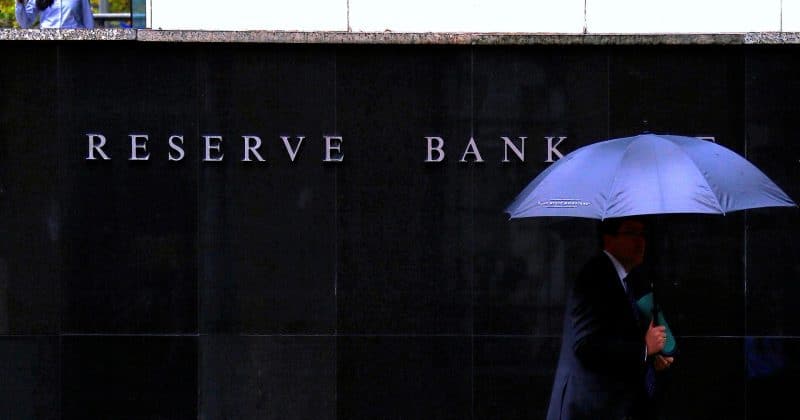
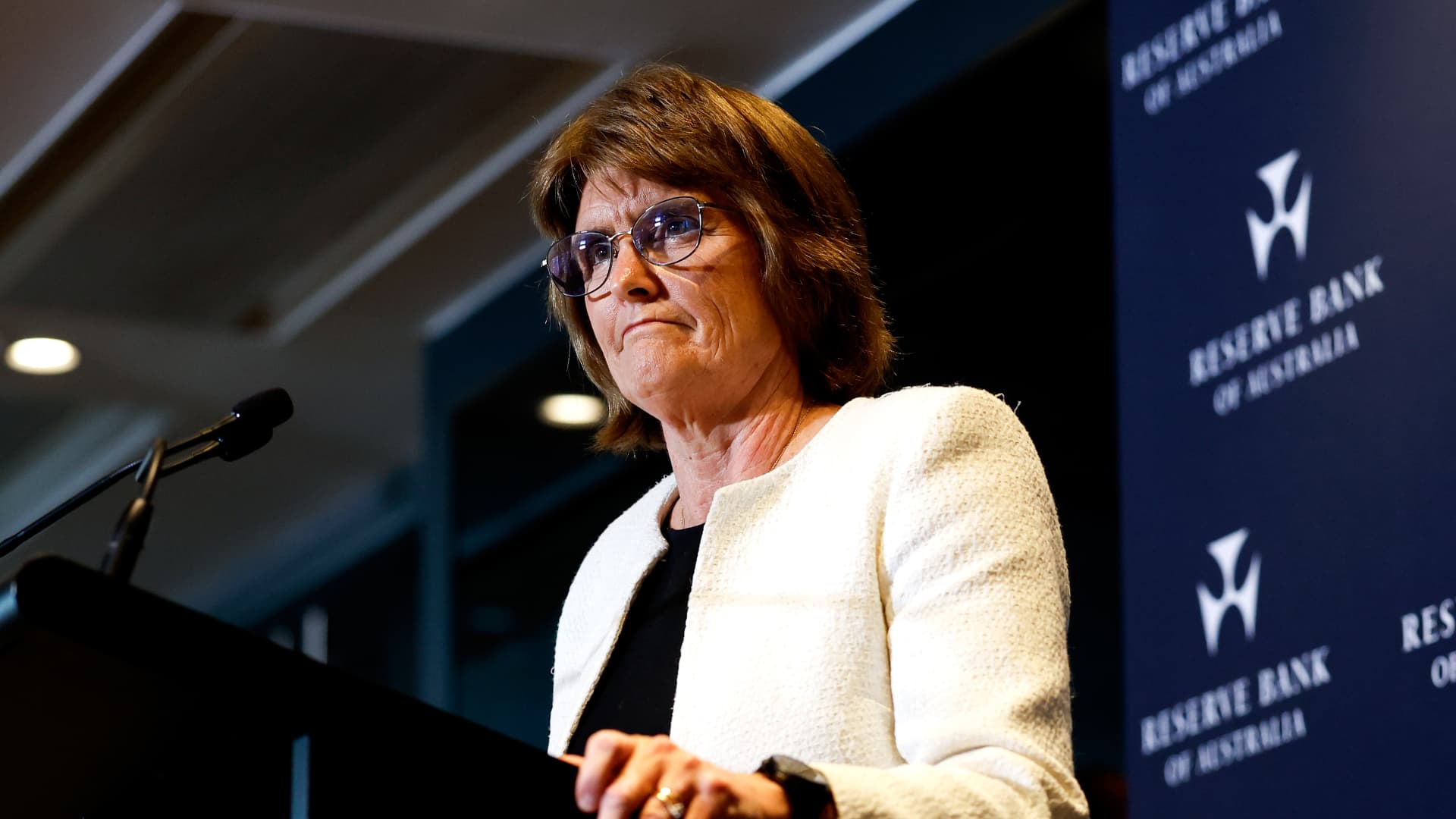
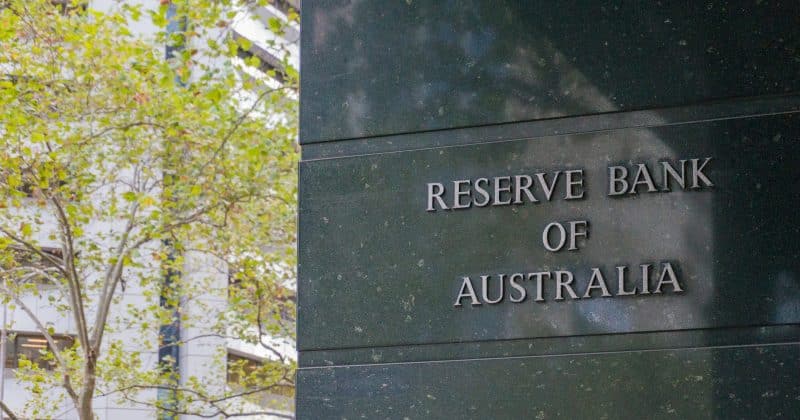
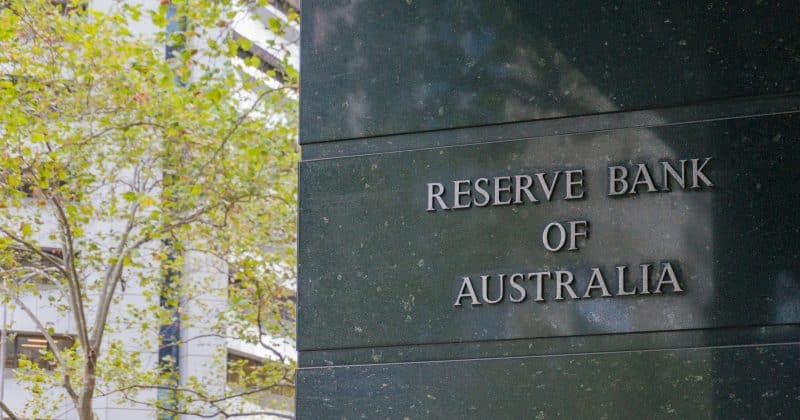
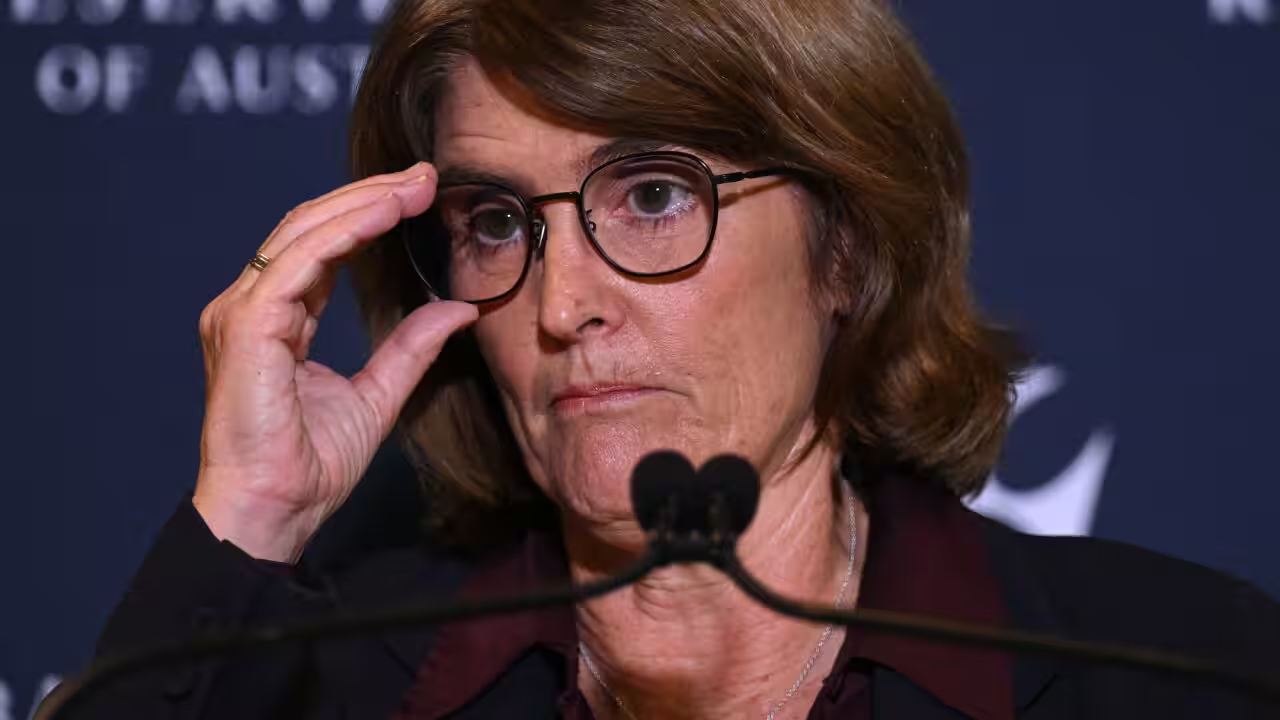
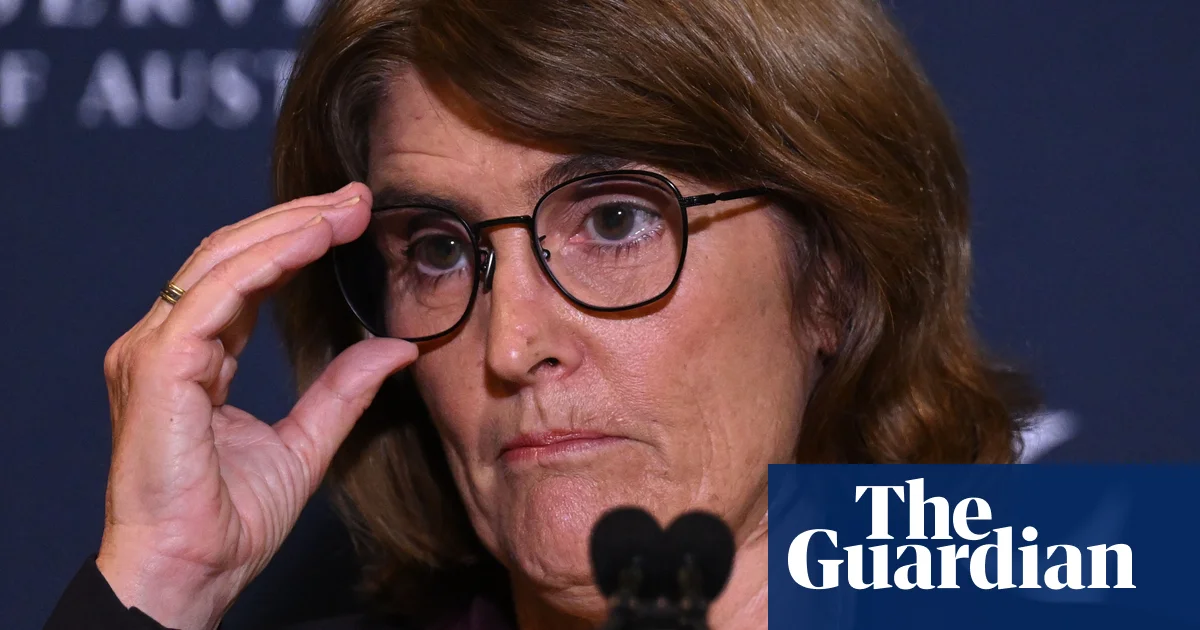
(Bloomberg) — Australia’s central bank kept its key interest rate unchanged for the first time this year in response to signs that its trio of hikes are beginning to weigh on the nation’s economy.The Reserve Bank’s nine-member board nonetheless warned that inflation remains too high even as it unanimously held the cash rate at 4.35% on Tuesday, as anticipated. Governor Michele Bullock will hold a press conference at 3:30 p.m. in Sydney, with investors focused on any signs that policymakers are settling into an extended pause or will maintain a tightening bias.“Following the three increases in the cash rate target since the beginning of the year, financial conditions are now tighter than they were, and there are signs that the economy is slowing,” the board said in a statement. The RBA reiterated it will do what’s necessary to achieve its mandate, “including increasing the cash rate target further if required.”Markets looked through the hawkish signal in the statement and trimmed bets on another rate hike this year to under 60%, while the Australian dollar extended declines to 0.4%. Three-year government bond yields erased an earlier gain to trade flat at 4.43%.The pause is a step back from the RBA’s aggressive tightening campaign that made it an outlier among major central banks. While policymakers continue to warn that inflation remains too high and that elevated energy costs linked to the Iran war pose upside risks, recent softer data provided scope for the RBA to hold and assess.Three of the nation’s big four banks reckon the RBA will stand pat for the rest of 2026. National Australia Bank Ltd.’s Sally Auld cited a loss of momentum in the economy when she abandoned her call for another rate hike in August and projected the central bank will cut rates three times next year.“The RBA has signaled a wait-and-see mode as tighter financial conditions meet persistently high inflation,” said Wee Khoon Chong, APAC Macro Strategist at BNY. “It maintains a slightly hawkish bias, leaving the option explicitly open for further rate hikes if required.”Since the RBA’s May meeting, unemployment has surprisingly risen to a 4-1/2 year high, household spending has fallen and economic growth came in a bit weaker than expected. The housing market has also softened on higher borrowing costs and government tax changes.While inflation is still above the top of the RBA’s 2-3% target, recent readings showed momentum wasn’t as strong as feared.The RBA’s decision aligns Australia more closely with a global backdrop in which central banks are increasingly choosing to wait rather than act. The Federal Reserve, Bank of England and Swiss National Bank are all expected to leave rates unchanged this week.There are some exceptions. Central banks in Asia have been tightening policy to help tame inflation and shore up their currencies, while the Bank of Japan raised rates on Tuesday. The European Central Bank last week also tightened, with its first hike in almost three years.For the RBA, the worry is that core inflation is forecast to remain above its target for the foreseeable future, even after the rate hikes. It also anticipates a sharp deceleration in growth over its forecast horizon through mid-2028. Those expectations were always subject to changes in the global geopolitical environment.“There continue to be heightened uncertainties about the outlook for domestic economic activity and inflation,” the RBA’s board said.An interim agreement between the US and Iran offers the prospect of a disinflationary effect from lower energy prices, though the details of the deal remain thin. The Strait of Hormuz is set to reopen and analysts will be watching closely to see how many ships begin to transit the waterway.“Resolution of the conflict in the Middle East is at an early stage, and there are plausible scenarios where inflation is higher and activity lower than envisaged,” the board said. “Global oil supply issues will take some time to resolve.”The RBA operates under a dual mandate that aims for inflation at the 2.5% midpoint of its target while seeking to maintain maximum sustainable employment.“The RBA is caught between two uncomfortable facts: inflation remains too high, while economic growth is clearly losing momentum,” said Stephen Smith, a partner at Deloitte Access Economics. “That makes its dual mandate difficult to manage.”Still, “another rate hike later in 2026 therefore remains firmly on the table,” he added.–With assistance from Garfield Reynolds and Matthew Burgess.(Adds comments from analysts, updates markets)©2026 Bloomberg L.P.