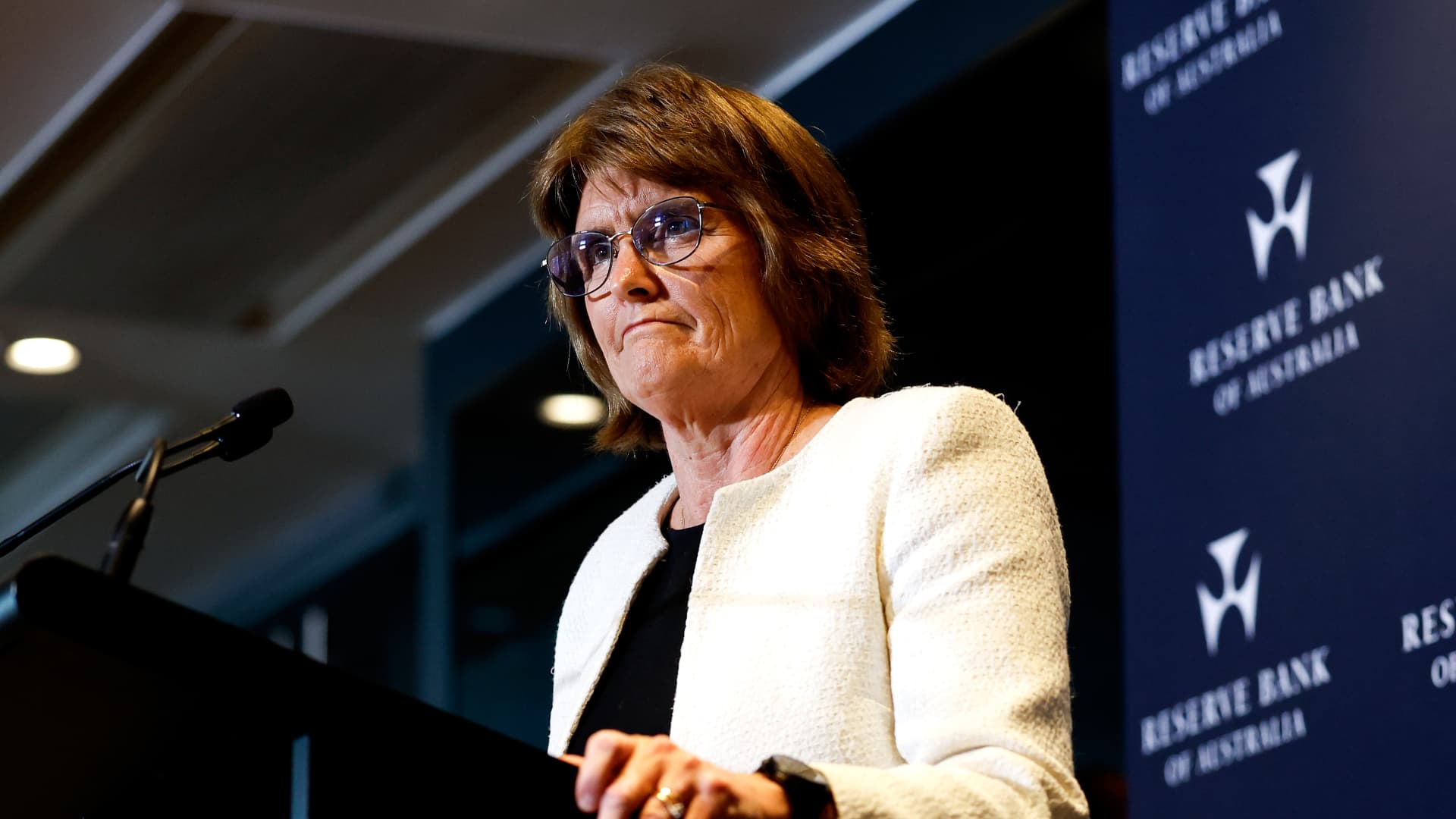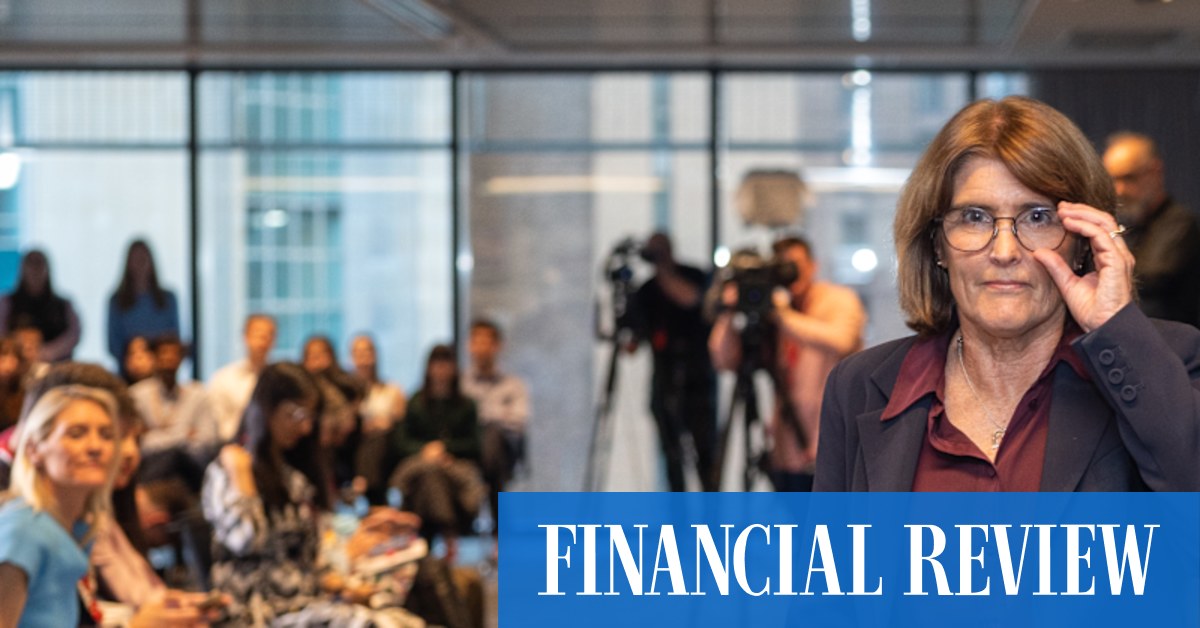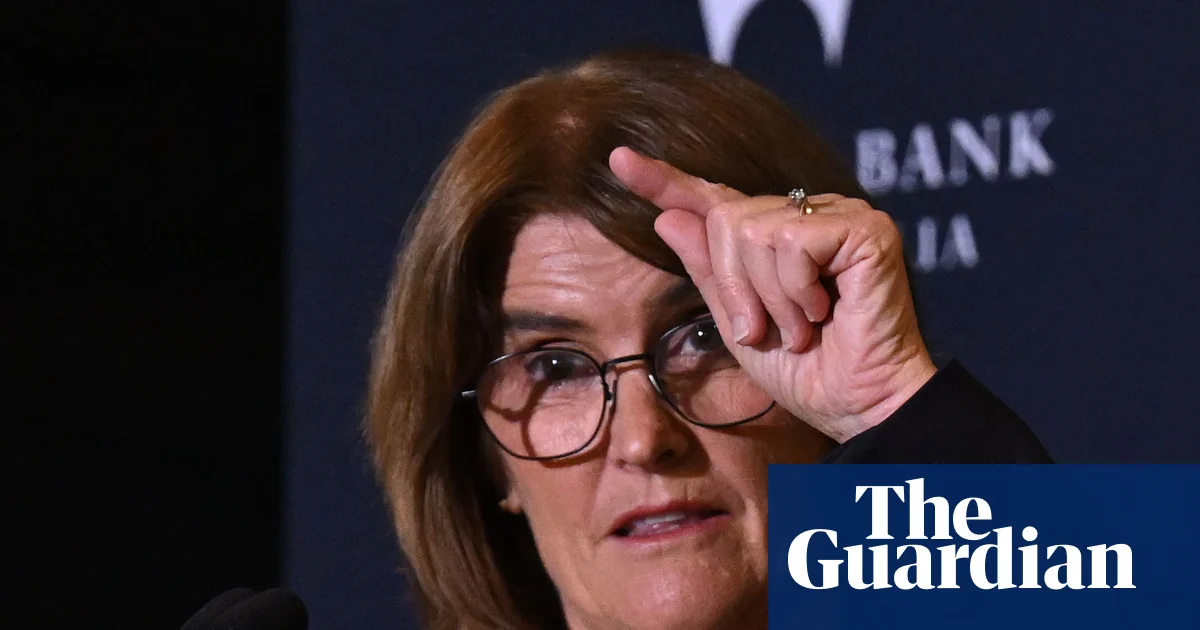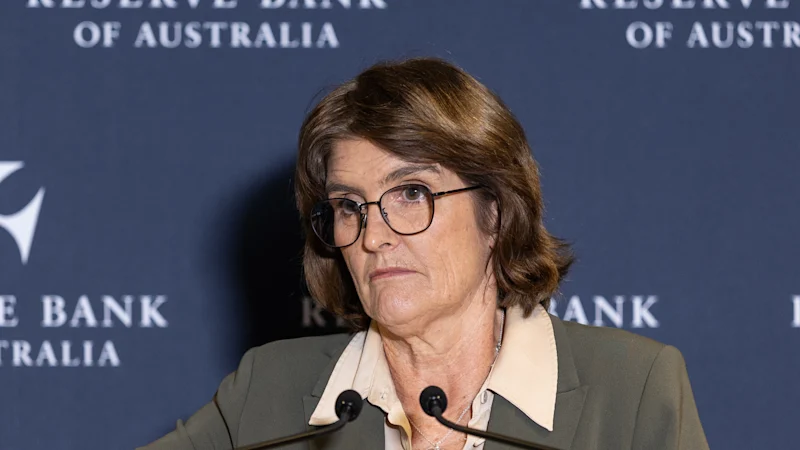
14h ago4:47pmFive key takeaways from today's decisionThanks for joining us today as the Reserve Bank left interest rates on hold for the first time this year, after three consecutive rate rises.This is where we're ending our live coverage. Here are the key points from today’s decision:Rates are on hold, but the RBA says more hikes are possibleReserve Bank governor Michele Bullock made clear today's decision should not be read as the end of the inflation fight, saying further tightening remains on the table if price pressures don't ease.Inflation remains the central concernThe RBA said inflation is still too high and warned higher fuel and commodity costs are starting to flow into other parts of the economy, including housing and construction.The Middle East conflict has added pressure, but didn't create the problemBullock said Australia already had an inflation problem before disruptions to global oil markets, though easing tensions would help reduce the risk inflation becomes more persistent.Slower growth is expected, and the RBA says that's necessaryThe central bank is not forecasting the economy will shrink, but expects growth and demand to soften as higher interest rates continue working through the economy.Housing, wages and cost-of-living relief remain in focusBullock said it is too early to know whether a cooling housing market will materially help inflation, while Treasurer Jim Chalmers said the temporary fuel excise relief set to expire at the end of the month remains under review.Thank you for following along with us today.— Mikele Syron 14h ago4:19pmLower inflation doesn't necessarily mean lower prices, Bullock warnsRBA governor Michele Bullock says bringing inflation back under control will not reverse the price increases Australians have already experienced, warning lower inflation does not automatically mean lower prices.Speaking after the Reserve Bank left interest rates unchanged at 4.35 per cent, Bullock said one of the biggest misconceptions about inflation is that easing price growth returns the cost of living to previous levels."We have permanently higher prices for everything because of the inflation we have experienced in the past," she said.Bullock said the goal of monetary policy is to return inflation to a low and stable rate so households and businesses are no longer experiencing large ongoing increases in prices.She stressed the Reserve Bank remained focused on employment outcomes but argued failing to control inflation would ultimately require stronger intervention and create worse outcomes for the labour market.Bullock also said productivity remained an important long-term constraint on growth and wages, warning the economy could not sustainably expand much faster than around 2 per cent without generating inflation pressure.The governor said businesses had also reported continued pressure to lift prices since the conflict in the Middle East began, particularly in sectors such as construction, although demand conditions were limiting how much of those costs could be passed on.— Mikele Syron 14h ago4:06pmBullock says minimum wage rise came in above RBA forecastsMichele Bullock says the recent increase to minimum and award wages came in above the central bank’s forecasts but stressed the decision reflects the pressure inflation has placed on lower-income Australians.Asked about the Fair Work Commission's decision to lift the national minimum wage by nearly 6 per cent and modern award wages by 4.75 per cent, Bullock said the outcome would likely lead to a modest upward revision to wage forecasts.But she said broader expectations for a gradually easing labour market remained unchanged.Bullock also emphasised the increase applies to workers on the lowest incomes and said those households had been among the hardest hit by persistent price pressures.Michele Bullock stressed that the country's lowest workers had been hit hardest by inflation. Source: AAP / Dean Lewins“These are the people who are the most vulnerable and the most affected by inflation,” she said.She said the wage increase reinforced that bringing inflation down remained a priority, noting that many workers were still unlikely to fully recover real wage losses accumulated in recent years.Bullock said inflation continues to weigh heavily on buying power despite nominal wage growth.— Mikele Syron 14h ago3:54pmBullock cautions economic growth may be slowRBA governor Michele Bullock says Australians should expect slower economic growth as the Reserve Bank works to bring inflation back under control, stressing the central bank is not forecasting an economic contraction.Speaking after the decision to hold the cash rate at 4.35 per cent, Bullock said growth needed to slow because demand in the economy remained too strong relative to supply."We are not forecasting that the economy is going to shrink this quarter," she said."We think it will grow slowly, but that's what's needed to try and get inflation down."Bullock said the Reserve Bank estimates the economy's supply capacity is currently growing at around 2 per cent, meaning stronger growth risks putting renewed pressure on prices.She warned people should not be alarmed by signs of slower activity, arguing that lower, more stable inflation was necessary to support sustainable growth and employment over the longer term.Bullock also played down concerns about financial stability risks from property investors, saying banks remained resilient and levels of negative equity were low.She said investor activity can sometimes amplify housing cycles but described those risks as relatively muted given strong housing conditions and responsible lending standards.— Mikele Syron15h ago3:47pmInflation problem existed before Middle East conflict, Bullock saysRBA governor Michele Bullock says an easing in tensions in the Middle East would help reduce inflation pressures, but warned Australia's inflation challenge extends beyond higher oil prices.Speaking after the Reserve Bank left interest rates unchanged at 4.35 per cent, Bullock said lower commodity prices and a reopening of the Strait of Hormuz would support supply chains and help prevent inflation becoming "supercharged".But she stressed Australia had already been dealing with inflation pressures before the conflict disrupted global energy markets."We already had an inflation problem before the Strait of Hormuz," she said.Bullock said the recent run of interest rate increases had been aimed at addressing those underlying pressures and slowing demand across the economy.RBA governor Michele Bullock said Australia was grappling with an inflation problem before the Strait of Hormuz was closed. Source: AAP / Dean LewinsBullock reiterated that the Reserve Bank assesses government policy at an economy-wide level rather than evaluating individual budget measures.While the bank discusses forecasts with Treasury, she said the Reserve Bank forms its own independent view of how government spending and public demand affect the broader economy.— Mikele Syron 15h ago3:41pmBullock warns rate hold does not rule out further tighteningRBA governor Michele Bullock says the decision to leave interest rates unchanged should not be interpreted as the end of the central bank's inflation fight, warning further tightening remains possible if price pressures persist.Speaking after the board left the cash rate at 4.35 per cent, Bullock said the three 0.25 percentage point increases delivered this year had been difficult for borrowers but were necessary to slow demand and bring inflation back under control.She said leaving rates on hold would allow the board time to assess how earlier increases were flowing through the economy.Bullock said consumer sentiment and business confidence had weakened, but spending and investment had not softened materially, while easing conditions in the housing market could not be fully attributed to higher rates.She also warned risks tied to the Middle East conflict remained despite reports of progress towards ending the fighting.While lower oil prices and a reopening of the Strait of Hormuz would help ease inflation pressures, Bullock said that outcome was not guaranteed, and inflation risks remained tilted to the upside."We have seen some signs that higher costs are starting to be passed through to the cost of other goods and services," she said.Bullock warned that if expectations of higher prices became embedded across the economy, inflation could become more persistent and require further intervention by the central bank."Today's decision does not rule out further tightening."— Mikele Syron15h ago3:26pmRBA governor Michele Bullock about to deliver her press conferenceRBA governor Michele Bullock is set to hold a press conference to explain the board's decision to keep rates on hold.She'll give some prepared remarks first and then answer questions from journalists.We'll cover the important details, do stand by.— Madeleine Wedesweiler15h ago3:17pmFuel excise relief remains under reviewJim Chalmers says the government's temporary fuel excise relief — set to expire at the end of June — remains under review and will not continue indefinitely, as the government weighs ongoing cost-of-living pressures against inflation concerns.Speaking after the Reserve Bank left interest rates unchanged at 4.35 per cent, Chalmers said the government would continue assessing the measure on a week-to-week basis until the end of the month."We've made it really clear that the fuel excise relief won’t go on forever," he said.The treasurer defended the policy, arguing it had helped reduce pressure on households and supported lower inflation outcomes in recent data.Jim Chalmers said the government had been clear the fuel excise cut would "not go on forever". Source: AAP / Mick TsikasHe said fuel prices had moderated since the measure was introduced and described the relief as part of the government’s response to the economic effects of conflict in the Middle East.Chalmers said the government's approach had been to provide temporary support while avoiding measures that would add to inflation pressures.He argued the latest inflation figures suggested the relief had played "a helpful rather than a harmful role" in bringing inflation down.— Mikele Syron 15h ago3:10pmMiddle East conflict to keep pressure on inflation, treasurer saysTreasurer Jim Chalmers says Australians are feeling the economic impact of the conflict in the Middle East, after the Reserve Bank left interest rates unchanged at 4.35 per cent.Welcoming the decision to keep rates on hold, Chalmers said it would not make life easier for mortgage borrowers but "doesn’t make life harder either".Speaking to the ABC, he said inflation had eased in Australia in recent data but warned pressures remained and had been intensified by the conflict overseas."We still expect the situation in the Middle East to put upward pressure on inflation and weigh heavily on global growth and growth in our own economy as well," he said.Chalmers said the impact was first being felt through higher global energy prices, particularly fuel, but warned those effects were spreading more broadly across economies."The end of this war can’t come soon enough. Australians have already paid a really hefty price for this conflict on the other side of the world." The treasurer also defended the government's temporary fuel excise relief, saying it had helped ease cost-of-living pressures and contributed to inflation moderating rather than rising in recent data.He said the government would continue reviewing the measure on a week-to-week basis until the end of the month.— Mikele Syron15h ago2:57pmRBA says financial conditions have tightened after three rate hikesAs we mentioned earlier, the RBA said financial conditions have tightened following its three interest rate increases this year, pointing to early signs that higher borrowing costs are flowing through the economy.After leaving the cash rate unchanged at 4.35 per cent, the board said money market interest rates and government bond yields had risen, while the Australian dollar had strengthened.The central bank also pointed to signs consumer spending growth was slowing and momentum in the housing market had shifted, with prices falling in some capital cities.While unemployment was higher than expected in April, the RBA said broader labour market conditions had remained more resilient.Business investment also continued to show strength and access to credit remained available for households and businesses.But the board warned uncertainty around the outlook remained elevated.RBA governor Michele Bullock will hold a press conference at 3.30pm AEST. Source: Bloomberg / Bloomberg/Bloomberg via Getty ImagesIt said the resolution of conflict in the Middle East was still at an early stage and ongoing disruptions to global oil supply could continue to place upward pressure on energy prices and inflation.The RBA also warned a prolonged period of uncertainty could weigh on growth both in Australia and among its major trading partners.RBA governor Michele Bullock is due to speak at 3.30pm AEST.— Mikele Syron 16h ago2:43pmEconomists welcome the hold but warn relief may be 'short-lived'The RBA's unanimous decision to pause interest rates will be a relief for small businesses and homeowners. But as AMP chief economist Shane Oliver told SBS News, the relief may be short-lived."There'll be a sense of relief, it may be short-lived, I think homeowners can take comfort in the fact the RBA's not hiking the rate, but that doesn't mean they've finished," he said."Some economists seem to be divided on this. We think the most likely scenario is we will see another hike in August, but [in] the second half of next year, they will likely start cutting."Oliver says further cuts depended on the United States' peace deal with Iran."Assuming it's agreed to and works, and the Strait of Hormuz is reopened, and oil wil start to flow again."But he said the situation was difficult to predict."The counterargument is that it's going to take a while for oil prices to get back to where they were at the start of this year, and it's going to take a while for the world to get back to normal."There are high fertiliser prices, higher fuel levies, there are a bunch of things we are yet to see come through. The Reserve Bank will still be wary of that, and of course, if oil prices continue to trend down, it could lead to economic growth."It's sort of ambiguous, what the peace deal means for the Reserve Bank."— Arielle Richards16h ago2:40pmBoard members were unanimous in their decisionThe Reserve Bank of Australia (RBA) has left interest rates on hold in a unanimous decision, keeping the official cash rate at 4.35 per cent as it waits to see how earlier rate rises flow through the economy and whether inflation pressures ease.In a statement released after today's board meeting, the RBA said inflation had accelerated in the second half of 2025 and remained too high, with recent data suggesting price pressures were being fuelled not only by global factors but also by domestic constraints.The board pointed to higher fuel and energy costs linked to disruptions in global oil supply following conflict in the Middle East, warning those costs appear to be flowing through to the prices of other goods and services.While the RBA noted financial conditions have tightened after three interest rate increases this year, with higher borrowing costs, slower consumer spending and signs the housing market is cooling, it said inflation remains above target and there is still uncertainty about the outlook.The board said holding rates steady would give it time to assess the impact of previous increases and monitor how global energy pressures affect inflation.But it stopped short of ruling out further action, saying it "will do what it considers necessary" to return inflation to target, including raising rates again if needed.— Mikele Syron 16h ago2:30pmReserve Bank holds cash rate at 4.35 per centThe Reserve Bank has held the cash rate at 4.35 per cent. The RBA decided against lifting the cash rate for a fourth time this year.— Jack Revell16h ago2:17pmHow is Australia faring in its inflation battle?Headline inflation fell to 4.2 per cent in the Australian Bureau of Statistics' (ABS) most recent monthly measure — down from 4.6 per cent in March,But underlying inflation — the Reserve Bank of Australia's preferred measure, which strips out volatile items — ticked upward to 3.4 per cent, roughly in line with consensus. Paul Bloxham, HSBC's chief economist, said it was unlikely the RBA would cut rates this year, arguing the board should learn from 2025, when it cut rates three times as inflation fell, and wait until it is confident inflation is under control.Financial markets agreed with the vast majority of economists that the RBA would hold the cash rate steady at 4.35 per cent on Tuesday, but were pricing in about a one-in-two chance of one more rate rise in 2026.Since the last meeting, underlying inflation had been less worrying than feared, growth had been subdued and the federal budget had further weighed on sentiment, IG market analyst Tony Sycamore said.With markets assured of a hold, attention would instead turn to the tone of the board's accompanying statement and governor Michele Bullock's press conference for any hints around the likelihood of further tightening, he said.Sally Tindall, from financial comparison site Canstar, said whether more rate rises were likely was "anyone's guess"."The data is quite volatile at the moment, and we're sitting on a knife-edge where it could go one of two ways, and it's really not clear which way it'll go."— Arielle Richards, Australian Associated Press16h ago2:13pmWhat happened at the last RBA meeting?The last RBA meeting in May saw a near-unanimous agreement on a rate rise. Only one out of nine RBA board members supported a cash rate pause, while eight voted to raise it 0.25 per cent to 4.35 per cent.The board has a lot to consider — developments in the global economy and financial markets, trends in domestic demand and the outlook for inflation and the labour market. In its most recent decision, the board indicated it would focus on employment and stability."Having raised the cash rate three times, monetary policy is well placed to respond to developments and the Board is focused on its mandate to deliver price stability and full employment."It will do what it considers necessary to achieve that outcome."— Arielle Richards17h ago1:32pmWhy is a hold likely?The short answer is no — economists are predicting the central bank will hold the current cash rate at 4.35 per cent.Economists from Westpac expect the central bank will consider recent unemployment figures and the impact of three consecutive cash rate hikes this year in its decision to hold interest rates for June.AMP deputy chief economist Diana Mousina told ABC News this morning the RBA did not need to "rush and raise rates again"."Three consecutive rate rises is quite a fast tightening pace.""So we've seen mortgage rates increase and there's going to be more down the track because, of course, there's a bit of a lag in terms of when the Reserve Bank lifts interest rates and when it's passed through to mortgage holders and how consumers change their spending behaviour," Mousina said."The main reason that they've been tightening this year has been because the inflation figures in Australia have been much higher than they were forecasting just a few months ago."It's definitely not comfortable with where inflation is at at the moment. Inflation is still way too high … we are well above that target range, and I guess that makes me think we're still likely to get another rate rise down the track, because we are well away from our inflation goals."Sally Tindall from financial comparison site Canstar said a hold on interest rates was not unusual."Whether the RBA is in a hiking cycle or a series of cuts, it takes a pause here and there to let households and businesses to catch up," she said."As any rate change takes a while to start flowing through to a variable rate mortgage."— Arielle Richards17h ago1:31pmWhat are the big banks forecasting?The 'big four' banks — Commonwealth, NAB, Westpac, and ANZ — all predict the Reserve Bank will leave rates on hold today at 4.35 per cent.From here, ANZ, Commonwealth and NAB all expect cuts in 2027. ANZ and Commonwealth both expect the cash rate to fall to 3.85 per cent, while NAB anticipates a fall to 3.60 per cent.Westpac, however, is an outlier. It believes there will be two more hikes this year with the cash rate rising to 4.85 per cent.— David Aidone17h ago1:04pmHere's how the cash rate has changed over time Source: SBS18h ago12:48pmWelcome to our live coverageGood afternoon, and thanks for joining us for our live coverage of the Reserve Bank of Australia's cash rate decision.The central bank will make its call on the cash rate after two days of deliberations at 2.30pm today.It is widely expected to leave the cash rate on hold at 4.35 per cent — a decision that will have borrowers breathing a sigh of relief after three consecutive hikes this year.— David Aidone
RBA pauses on rates for first time this year but doesn't rule out more hikes — as it happened
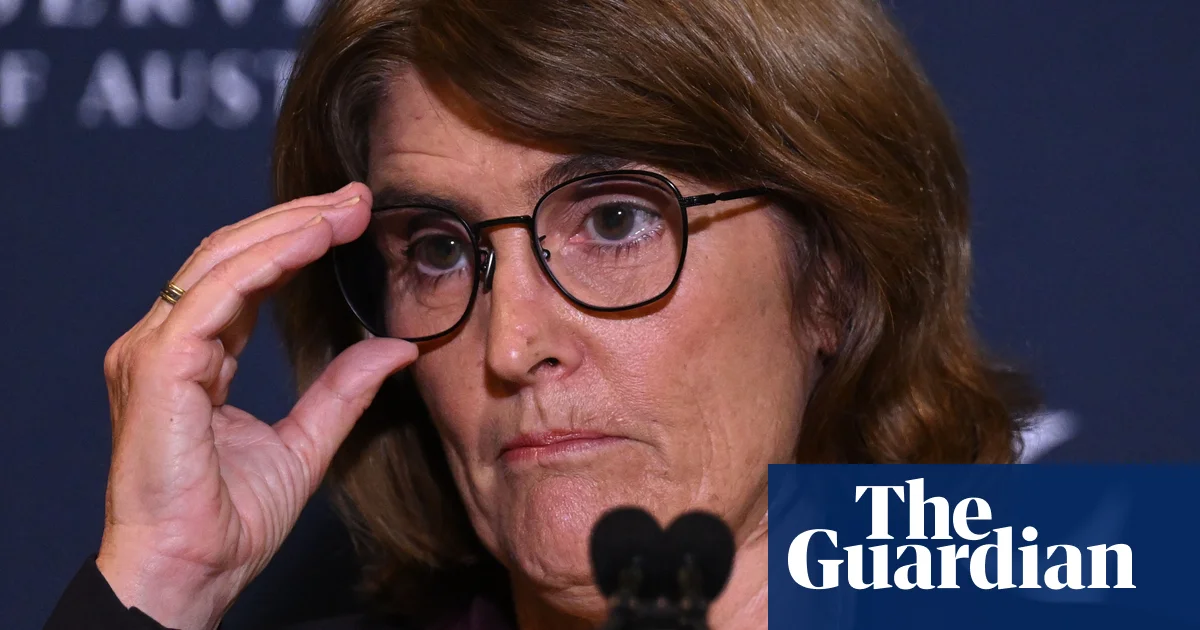
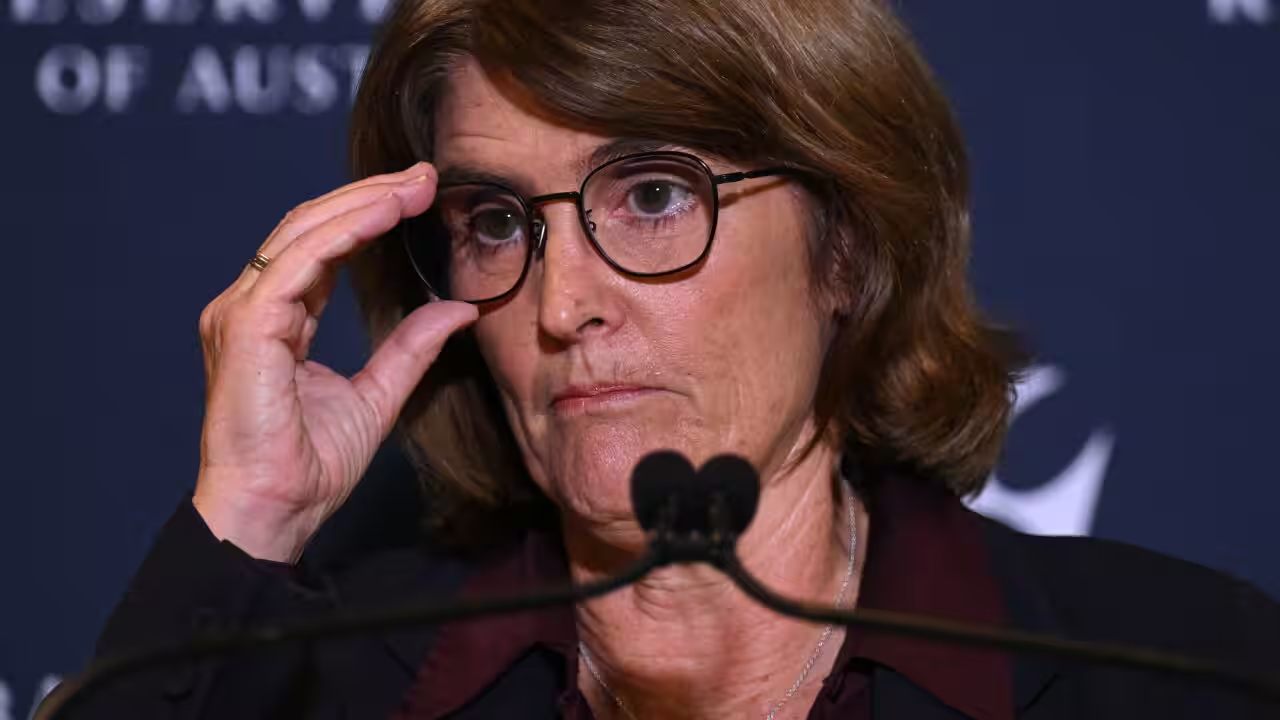
Inflation is still too high and remains a central concern for the Reserve Bank of Australia, governor Michele Bullock said.
3,325 words~15 min read