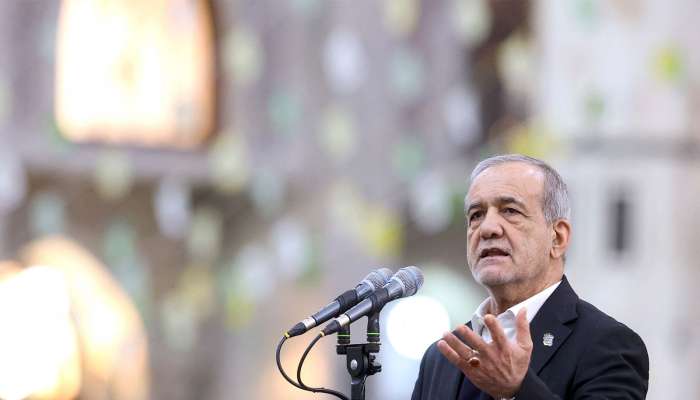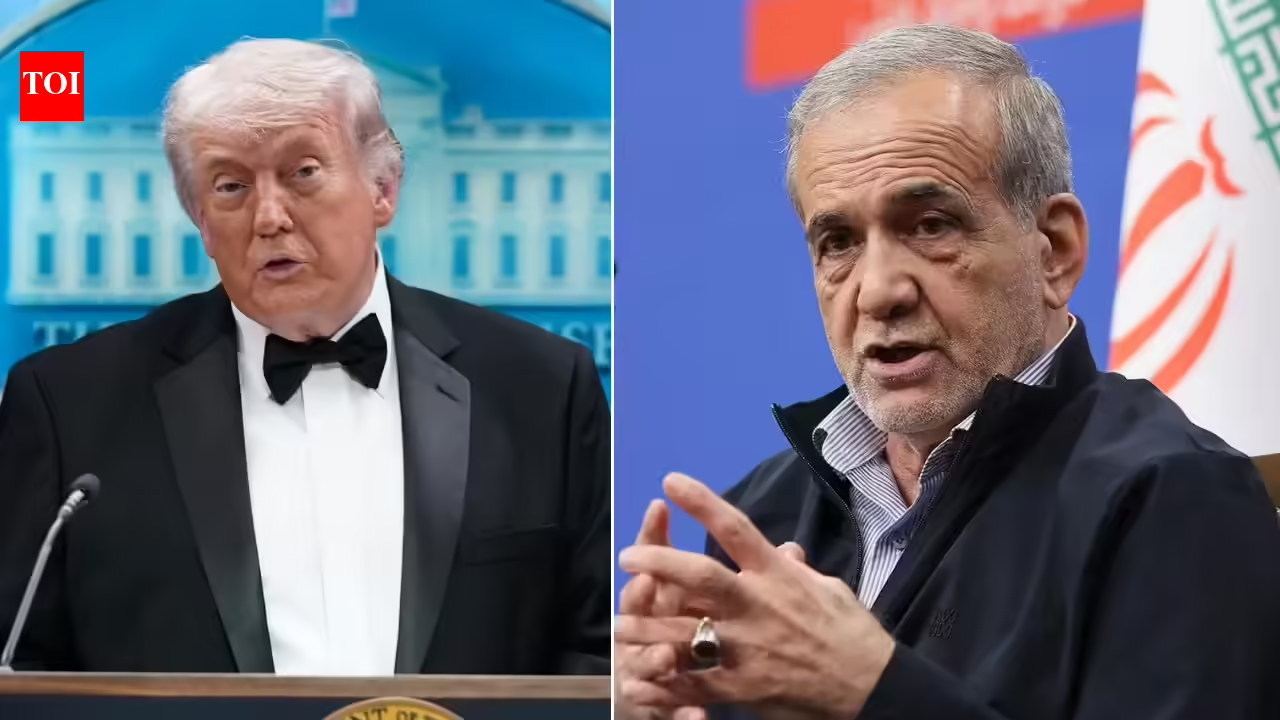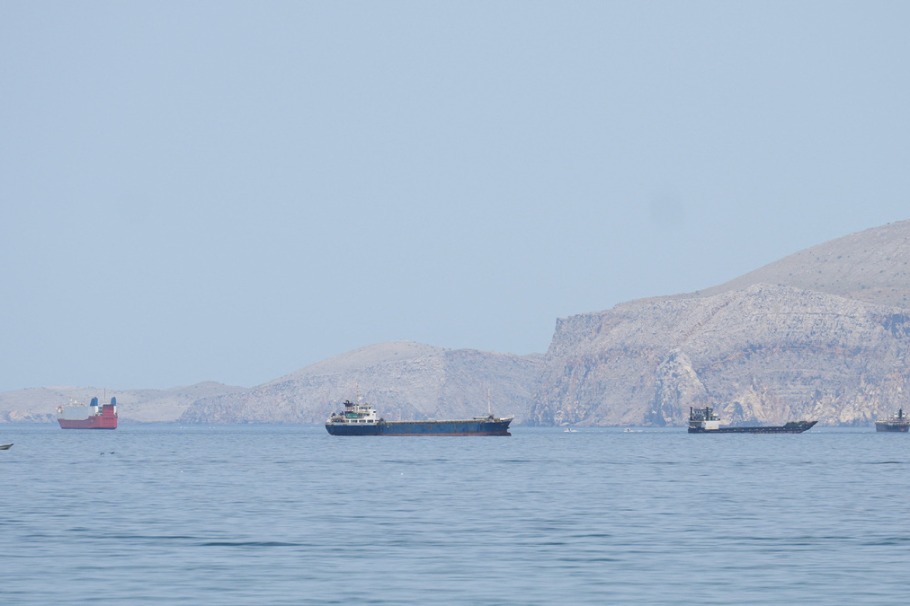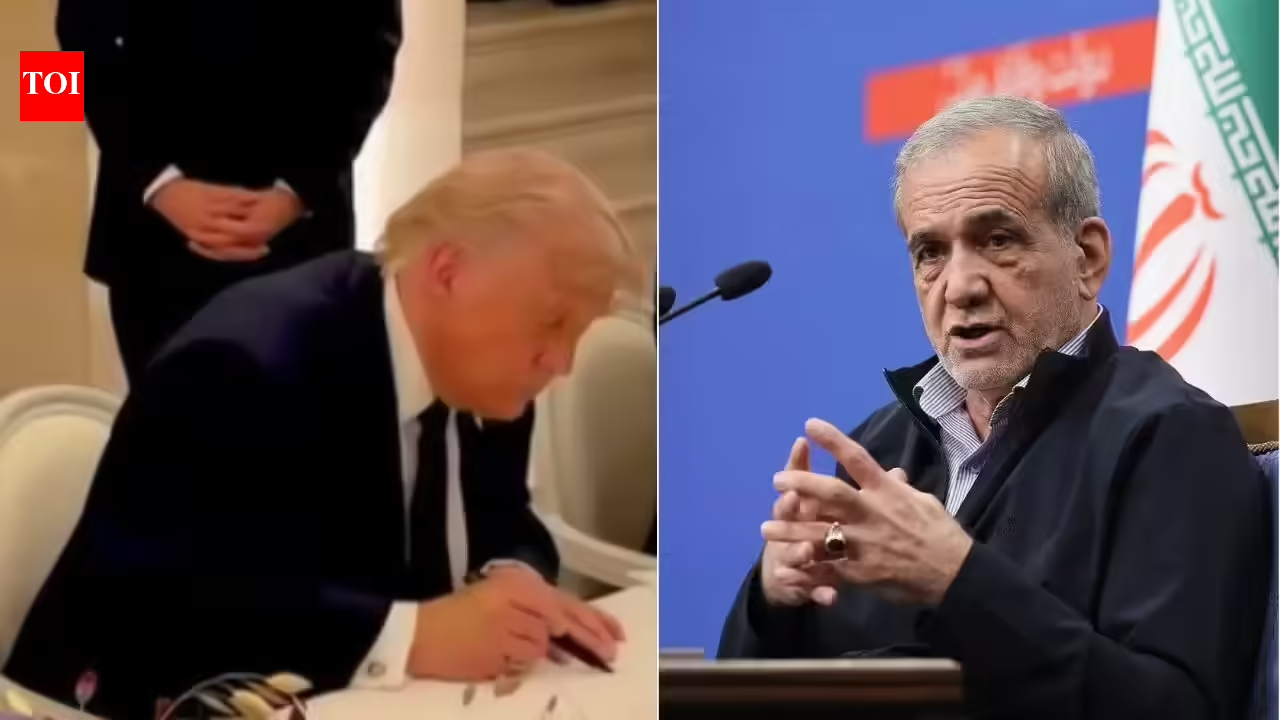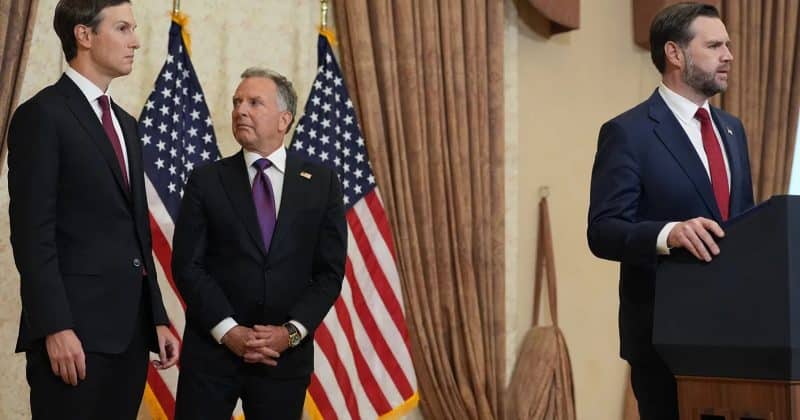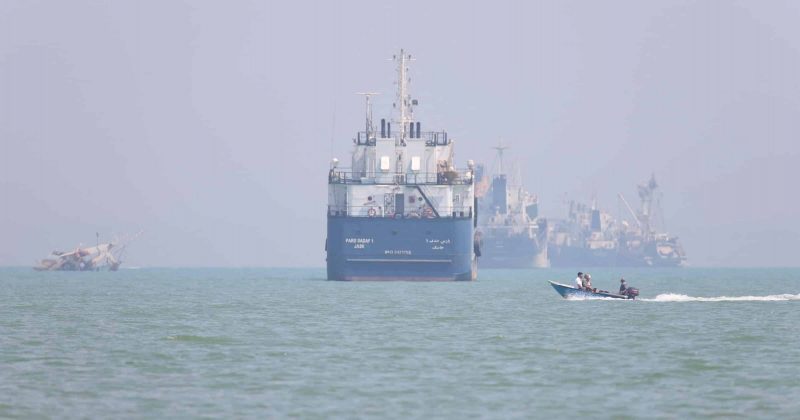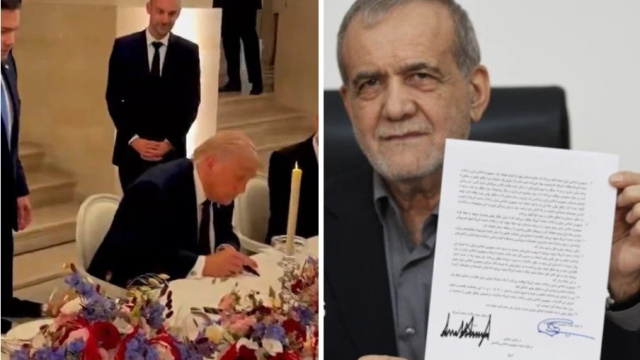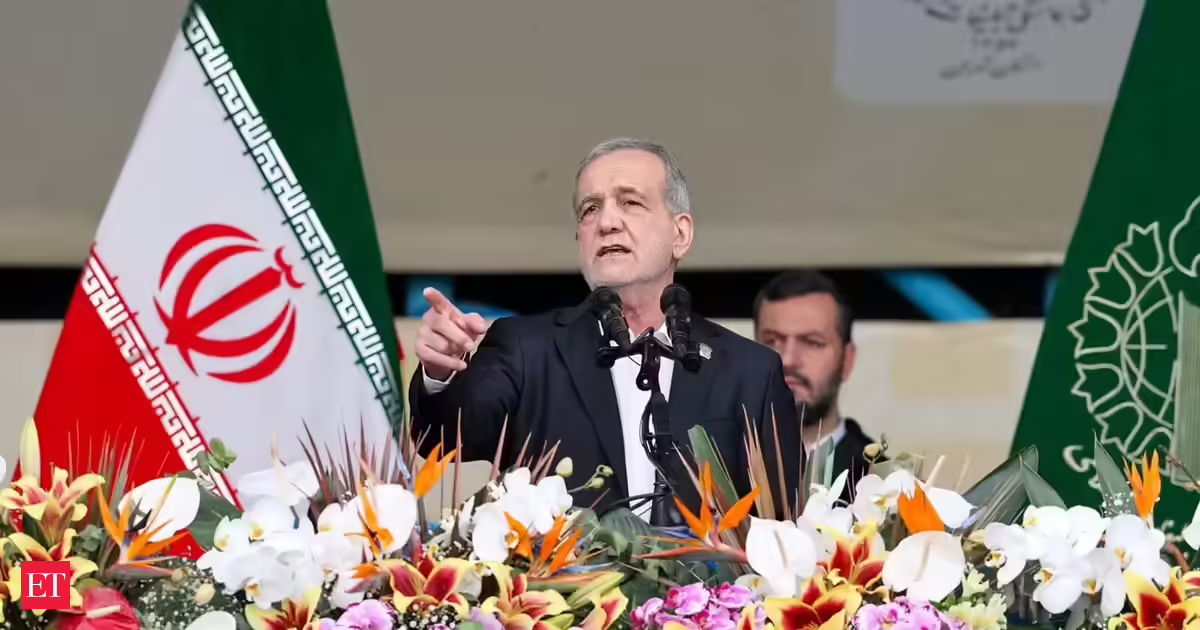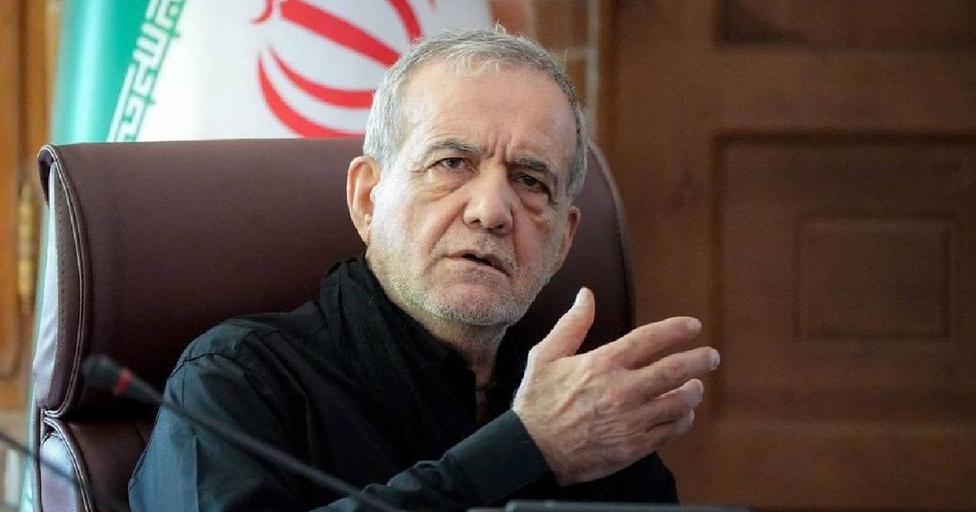
Iranian President Masoud Pezeshkian has described the memorandum of understanding (MoU) reached between Tehran and Washington as a potential "document of pride" for Iran, praising the months of sustained diplomatic effort that produced it — even as both sides acknowledge that the hardest negotiations are yet to come.In a post on X on Monday, Pezeshkian thanked Majlis Speaker Mohammad Baqer Qalibaf, Foreign Minister Abbas Araghchi, members of the Shura Council, and Supreme Leader Ali Khamenei for their roles in shaping the agreement.Also read: US at odds with allies over how easy it is to reopen Hormuz"The memorandum of understanding that has been drafted is the result of months of dialogue and persistent follow-ups in this regard, and if all its provisions are properly implemented, it can be considered a document of pride for the country," he wrote. He added that guidance from the Supreme Leader "played the greatest role in incorporating clauses to safeguard Iran's national interests."Pezeshkian also noted that nearly all members of the Majlis had backed the text so that "America's true resolve to respect the rights of the Iranian nation could be tested in practice."The remarks come as both Washington and Tehran prepare for the formal signing of the agreement in Geneva, Switzerland. The MoU lays out a framework for future engagement between the two countries and links sanctions relief to Iran's compliance with nuclear verification measures and broader regional security commitments.What the MoU containsThe memorandum of understanding, which has not yet been formally released, extends the current US-Iran ceasefire by 60 days and creates a framework for subsequent negotiations over Iran's nuclear programme, sanctions, and regional security. A senior US administration official confirmed the MoU provides for the immediate opening of the Strait of Hormuz — the narrow chokepoint through which nearly one-fifth of the world's oil and liquefied natural gas flows — alongside the lifting of the US naval blockade on Iranian ports.Both sides have already digitally signed the document. Iran's deputy foreign minister Kazem Gharibabadi confirmed the text had been finalised and would be formally signed Friday in Geneva, declaring it "a permanent and immediate end to the war on all fronts."Switzerland, along with Pakistan and Qatar, is coordinating the signing process.Speaking on the sidelines of the G7 Summit in Evian, France, Trump said he wants the full text released publicly, calling it "a very powerful document." A senior US administration official told CNN the complete text would be made public within 24 to 48 hours, following the formal signing ceremony.What remains unresolved? The agreement is explicitly a framework, not a final settlement. Vice President JD Vance said no sanctions relief would be granted automatically, and that any relief would require verifiable Iranian actions — including reductions to enriched uranium stockpiles and international monitoring of nuclear facilities. "We already signed the deal digitally yesterday, and there's been no money released, and that won't change," Vance told ABC's Good Morning America.Also read: Trump terms $300 billion fund to rebuild Iran as 'fake news'Iran's deputy foreign minister, meanwhile, said the 60-day nuclear negotiations could only begin if the US first releases billions in frozen Iranian funds — a claim US officials rejected. Iranian state media has also said Tehran would negotiate the nuclear issue solely within its "fundamental principles" and would not give up uranium enrichment, making a verification framework critical.Questions also remain over Israel's role. Iran said a ceasefire in Lebanon is included in the deal, but Israel's defence minister said Israel does not plan to withdraw forces from southern Lebanon. A senior US official said Israeli withdrawal from Lebanon was "not a condition of the deal."
Iran's Pezeshkian calls US-Iran MoU 'a document of national pride' as Geneva signing nears
Iran and Washington have agreed to a memorandum of understanding. This document outlines future engagement between the two nations. Sanctions relief is linked to Iran's nuclear compliance and regional security. The Strait of Hormuz will open immediately. The US naval blockade on Iranian ports will be lifted. Formal signing is set for Friday in Geneva. Harder negotiations are still ahead.
602 words~3 min read