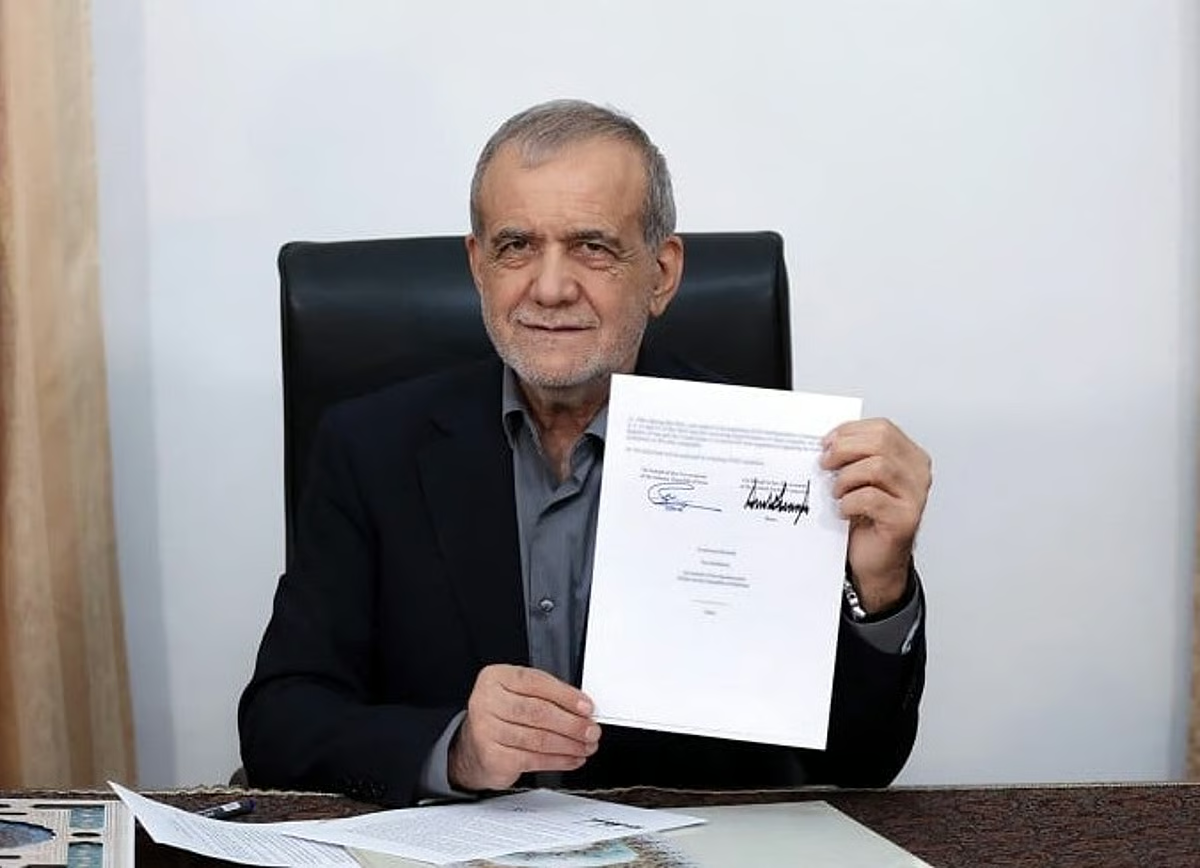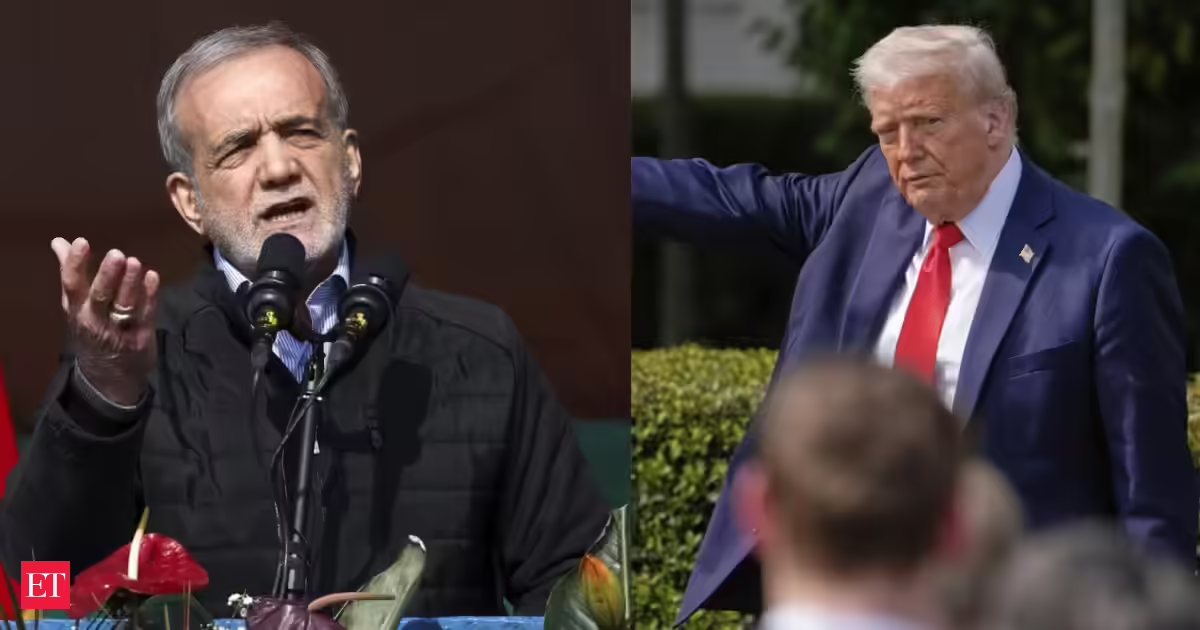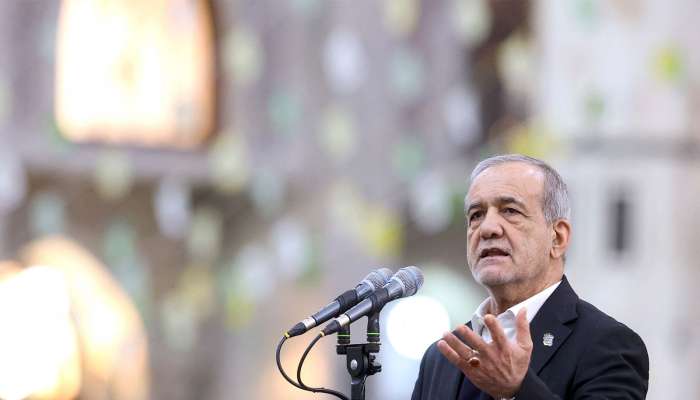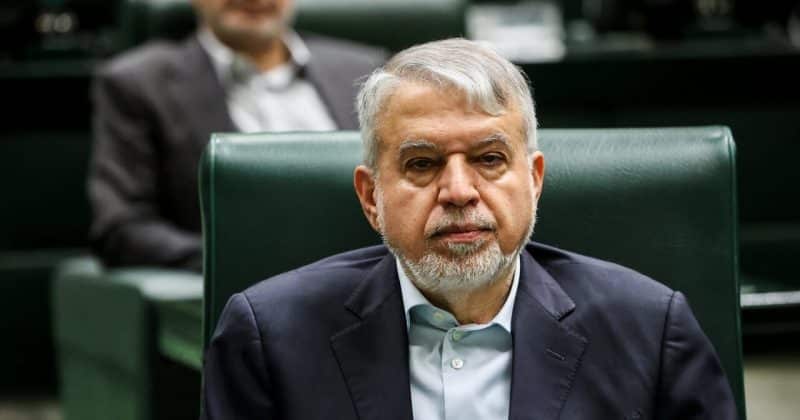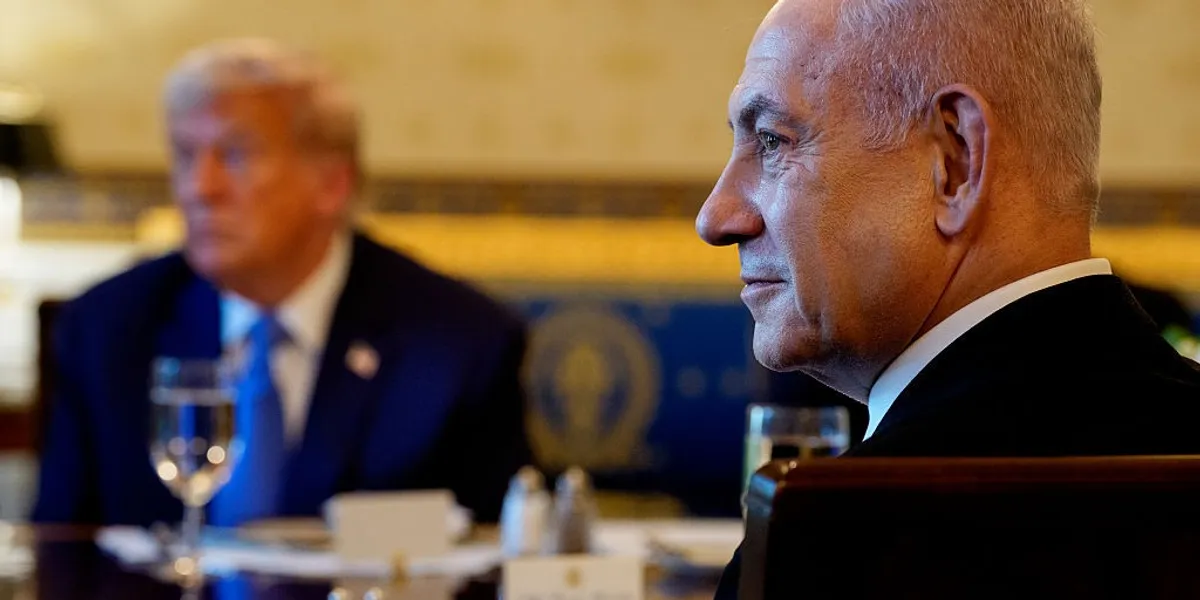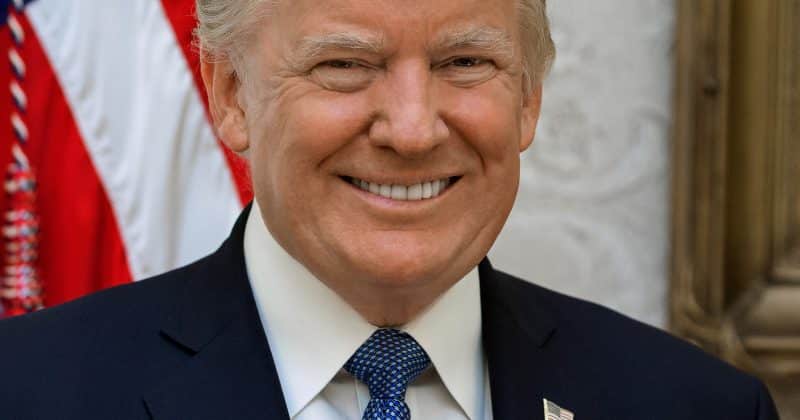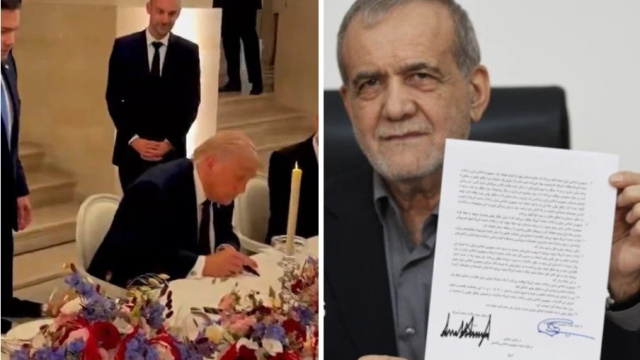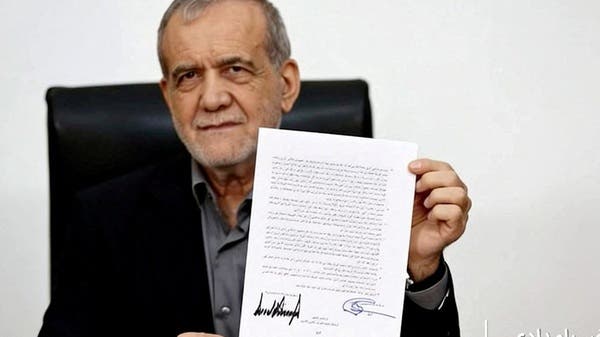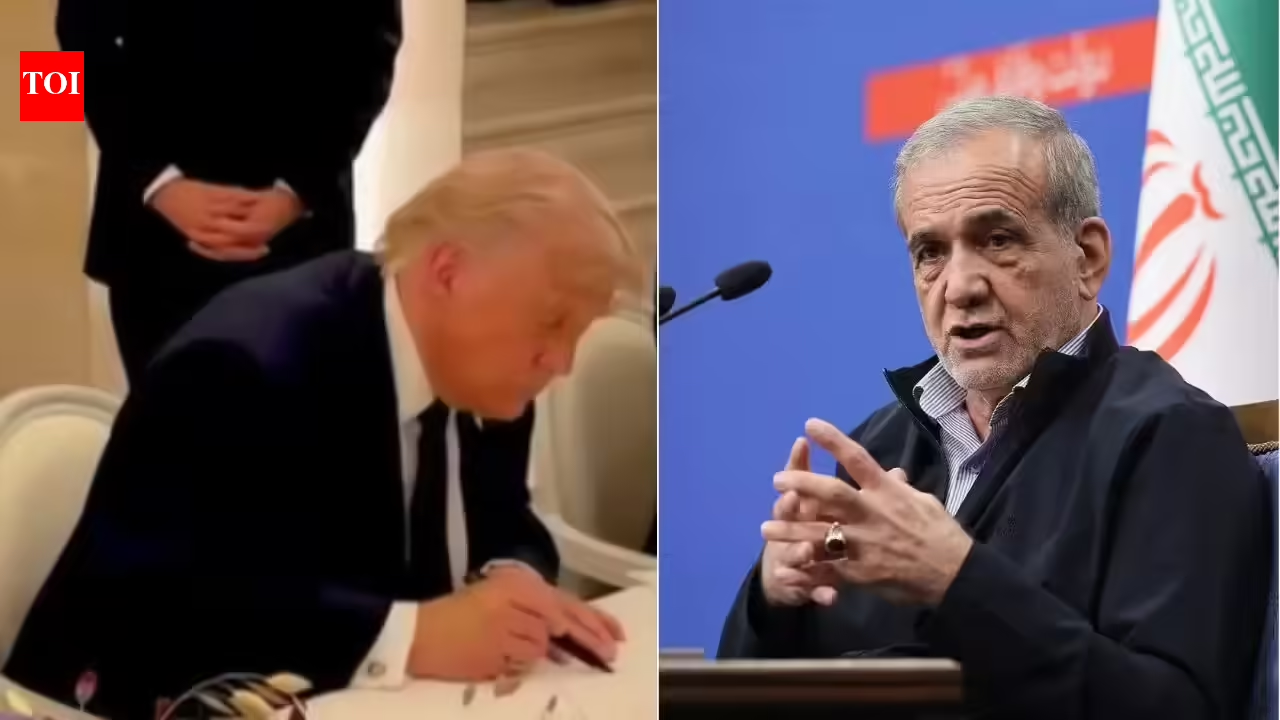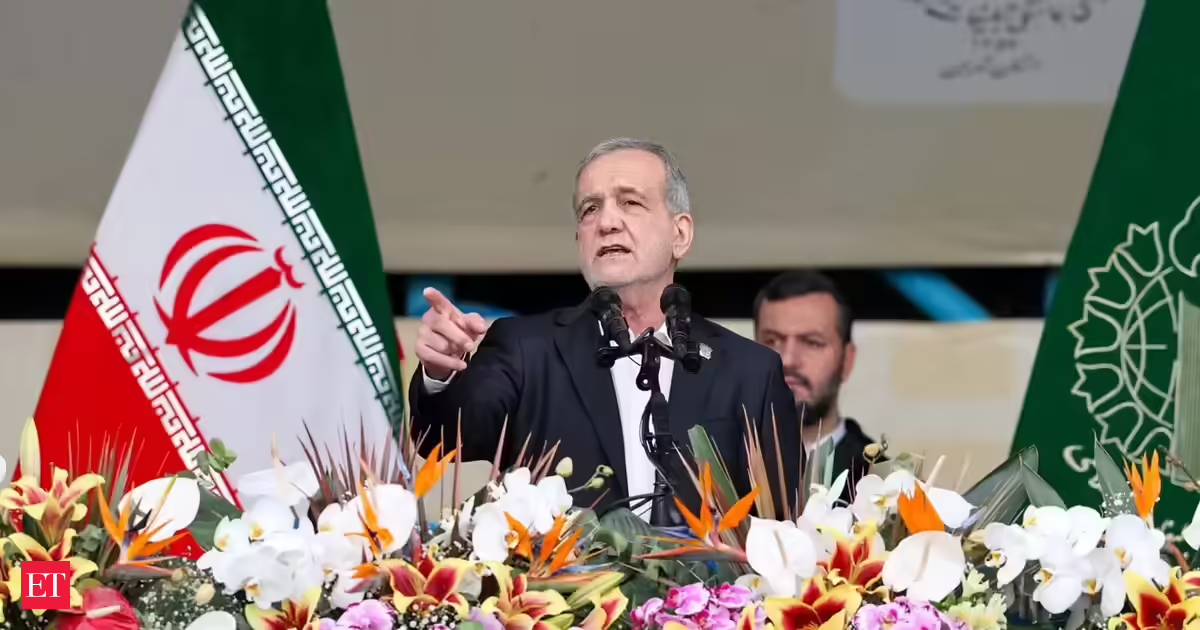
SynopsisIran's President Masoud Pezeshkian has declared the Islamabad Memorandum of Understanding a historic accord. He stated it signifies a powerful Iran and a commitment to peace through mutual respect. The agreement, signed with US President Donald Trump, aims to end the ongoing Middle East conflict. Pezeshkian emphasized Iran's dedication to global peace, regional cooperation, and preserving its dignity and independence.ANI'Did not trade dignity for any threat': Pezeshkian calls US-Iran MOU a 'historical document' from a 'powerful Iran'Iranian President Masoud Pezeshkian called the signing of the Islamabad Memorandum of Understanding a "historical document" and a message from a "powerful Iran", hours after he and US President Donald Trump formally put their signatures to a 14-point agreement aimed at ending the conflict that has convulsed the Middle East since February."Peace will be realized in the shadow of mutual respect," Pezeshkian said in a post on X. "The Islamic Republic of Iran has always been committed and steadfast to global peace while preserving its dignity and independence, as well as to progress and regional cooperation."Also read: What's in Trump's deal for Tehran? The 14-point US-Iran pact as read by American officialThe Iranian president framed the agreement as a product of what he described as "national resilience, political rationality, and responsible diplomacy," adding that Iran did not trade its "dignity and independence for any threat or pressure."What the deal saysThe interim agreement declares an intent to bring about an "immediate and permanent termination of military operations" in the US-Israeli war with Iran. Both sides will commit to further talks toward a more substantive "final deal" within 60 days, extendable with mutual consent.— drpezeshkian (@drpezeshkian) The MOU stipulates that the Strait of Hormuz will reopen, with Iran agreeing to allow safe passage of commercial vessels with no charge for 60 days only, followed by negotiations with Oman to define the future administration of the vital trade route, through which some 20% of the world's oil passed before the war.The US is expected to lift sanctions on Iran and unfreeze funds and assets linked to the country's regime under the 14-point memorandum. It will also allow Tehran to immediately sell its oil freely. An executive mechanism will also be established to monitor the successful implementation of the deal, which will be endorsed via a binding UN Security Council resolution.The nuclear issue has been deferred. Iranian Foreign Minister Abbas Araghchi confirmed that the MOU focuses on ending the war and that there would be no discussion of the nuclear issue at this stage, with that to be handled in the second phase of negotiations.How it was signedTrump signed the memorandum at the Palace of Versailles in France while attending the G7 summit. Secretary of State Marco Rubio was present. The White House confirmed the deal was in effect after both presidents signed. Iran's Foreign Ministry spokesperson Esmaeil Baghaei confirmed the signing to IRNA, saying: "Now it is time to test the implementation of the agreement."— drpezeshkian (@drpezeshkian) Photos released by IRNA showed Pezeshkian holding a document written in Farsi, with what appeared to be his and Trump's signatures at the bottom. On Sunday, the deal had been digitally signed by US Vice President JD Vance and Iranian Parliament Speaker Mohammad-Bagher Ghalibaf.What comes nextThe 60-day ceasefire sets up a sprint toward a longer-term deal over the fate of the Iranian nuclear program, eight years after Trump pulled out of the Obama-era 2015 Joint Comprehensive Plan of Action (JCPOA) nuclear agreement.Also read: U.S. will restart military action, reimpose blockade if Iran does not fulfill commitments, Defence Secretary Pete Hegseth saysIsrael, which is not a party to the agreement, rejected the contention that the MOU halts military operations on all fronts including Lebanon, with Prime Minister Benjamin Netanyahu saying Israel would "preserve its freedom of action" against threats from Hezbollah.Oil prices have eased. Brent crude fell to $78.31 a barrel on Wednesday, still above its roughly $70 price before the war but well below its $100-plus price from several weeks ago. Trump also stated that if a nuclear agreement is not reached within the 60-day window, he could resume military strikes against Iran.Read More News on
'Did not trade dignity for any threat': Pezeshkian calls US-Iran MOU a 'historical document' from a 'powerful Iran'
Iran's President Masoud Pezeshkian has declared the Islamabad Memorandum of Understanding a historic accord. He stated it signifies a powerful Iran and a commitment to peace through mutual respect. The agreement, signed with US President Donald Trump, aims to end the ongoing Middle East conflict. Pezeshkian emphasized Iran's dedication to global peace, regional cooperation, and preserving its dignity and independence.
686 words~3 min read