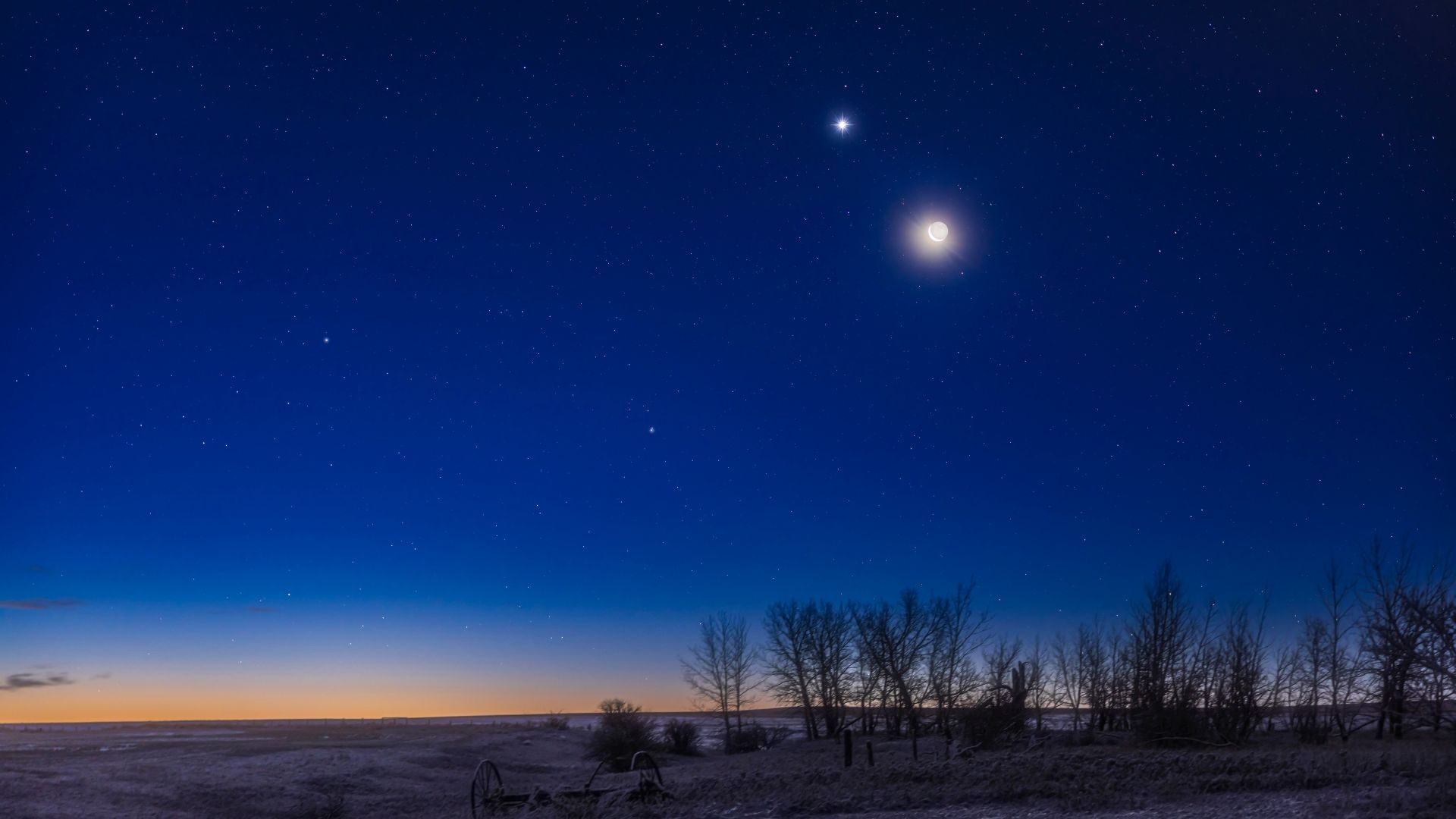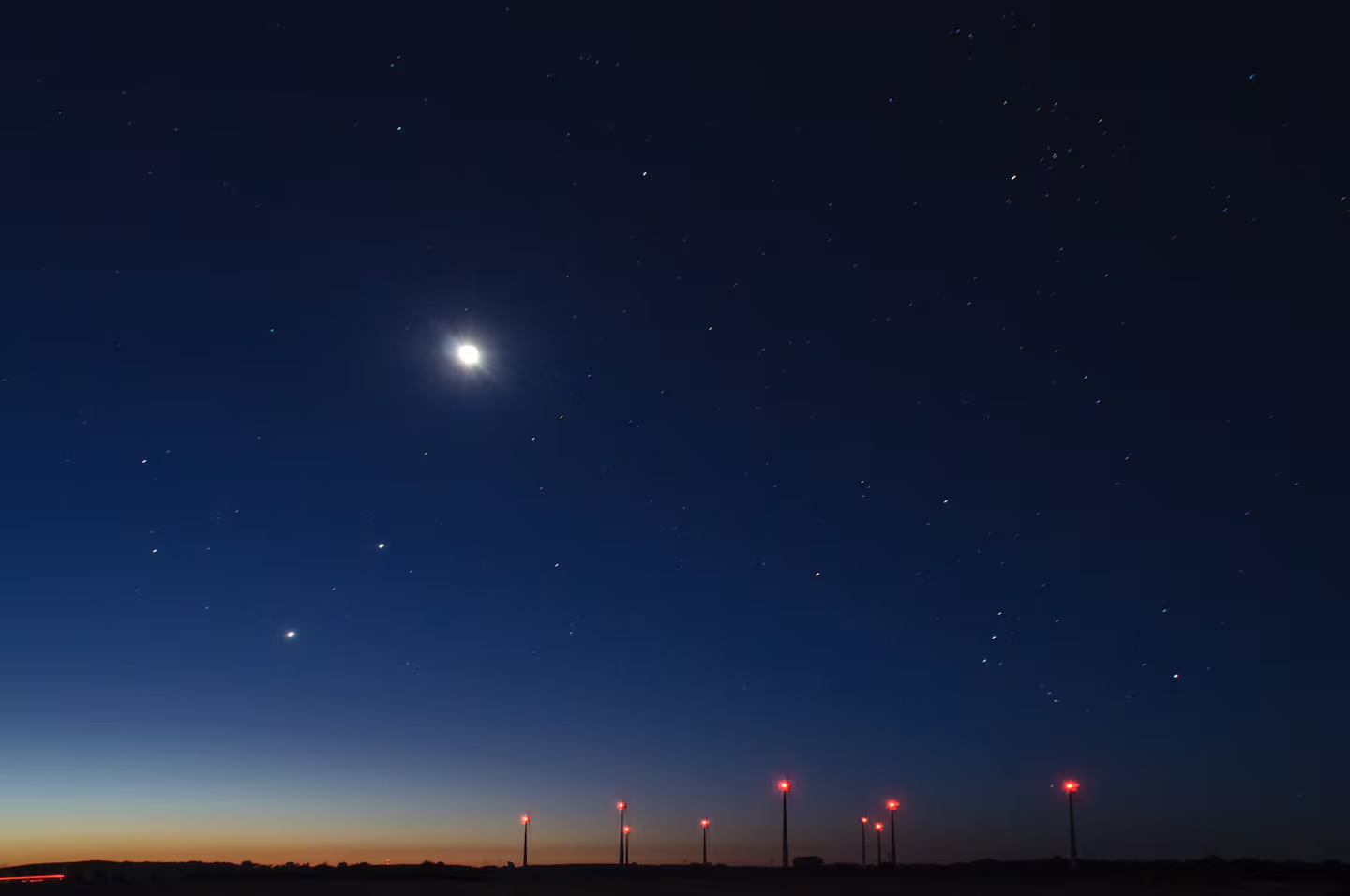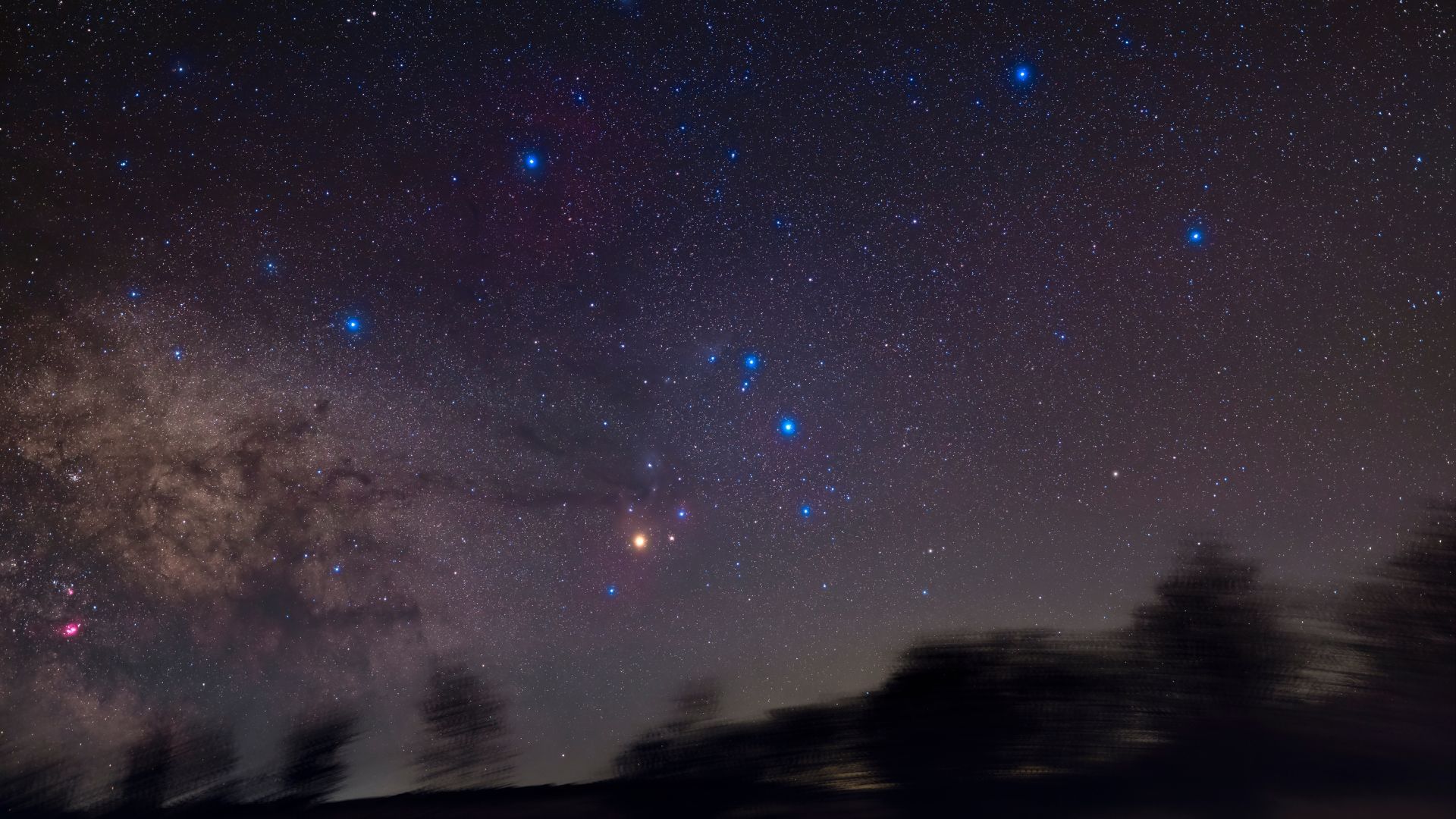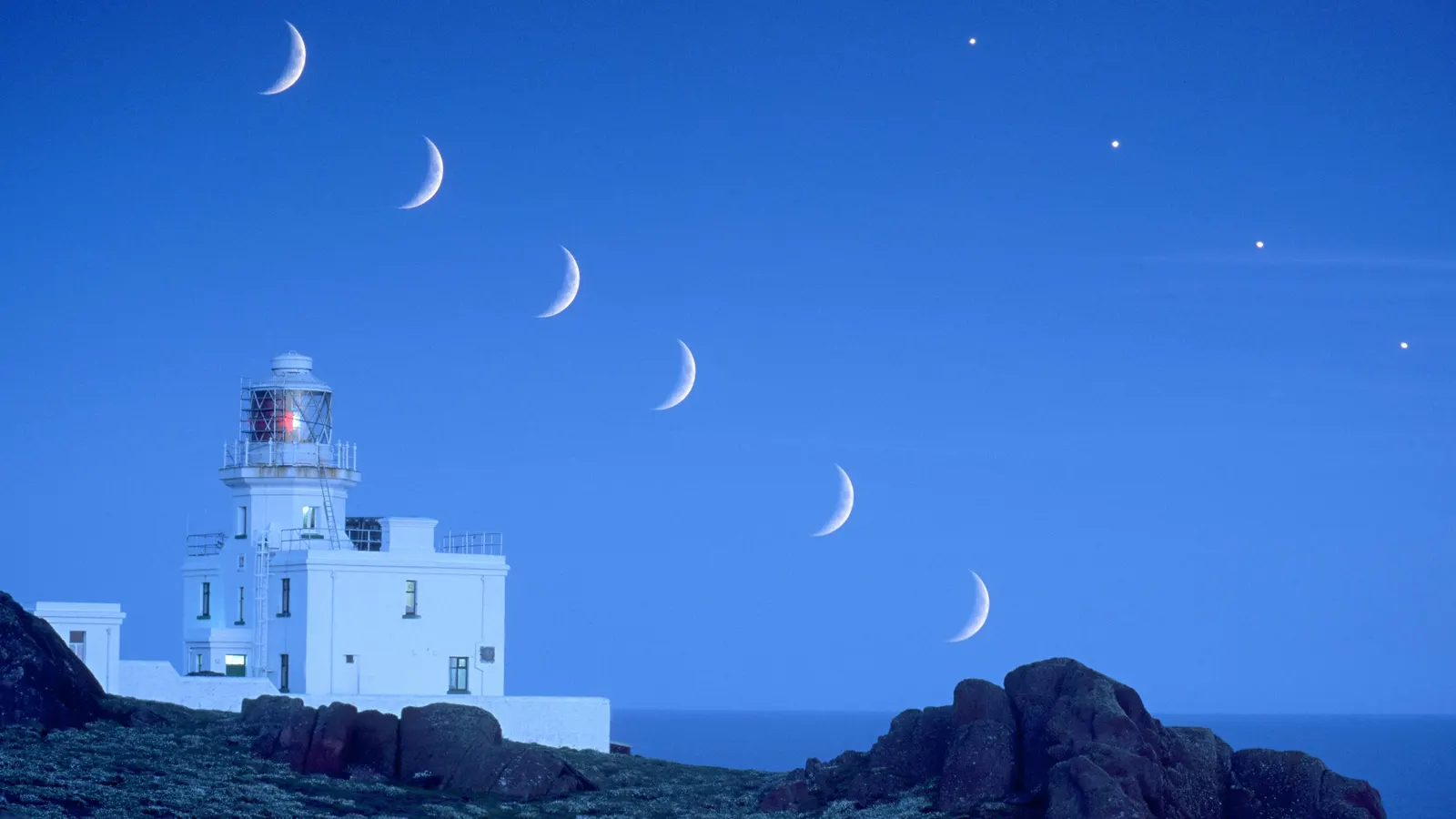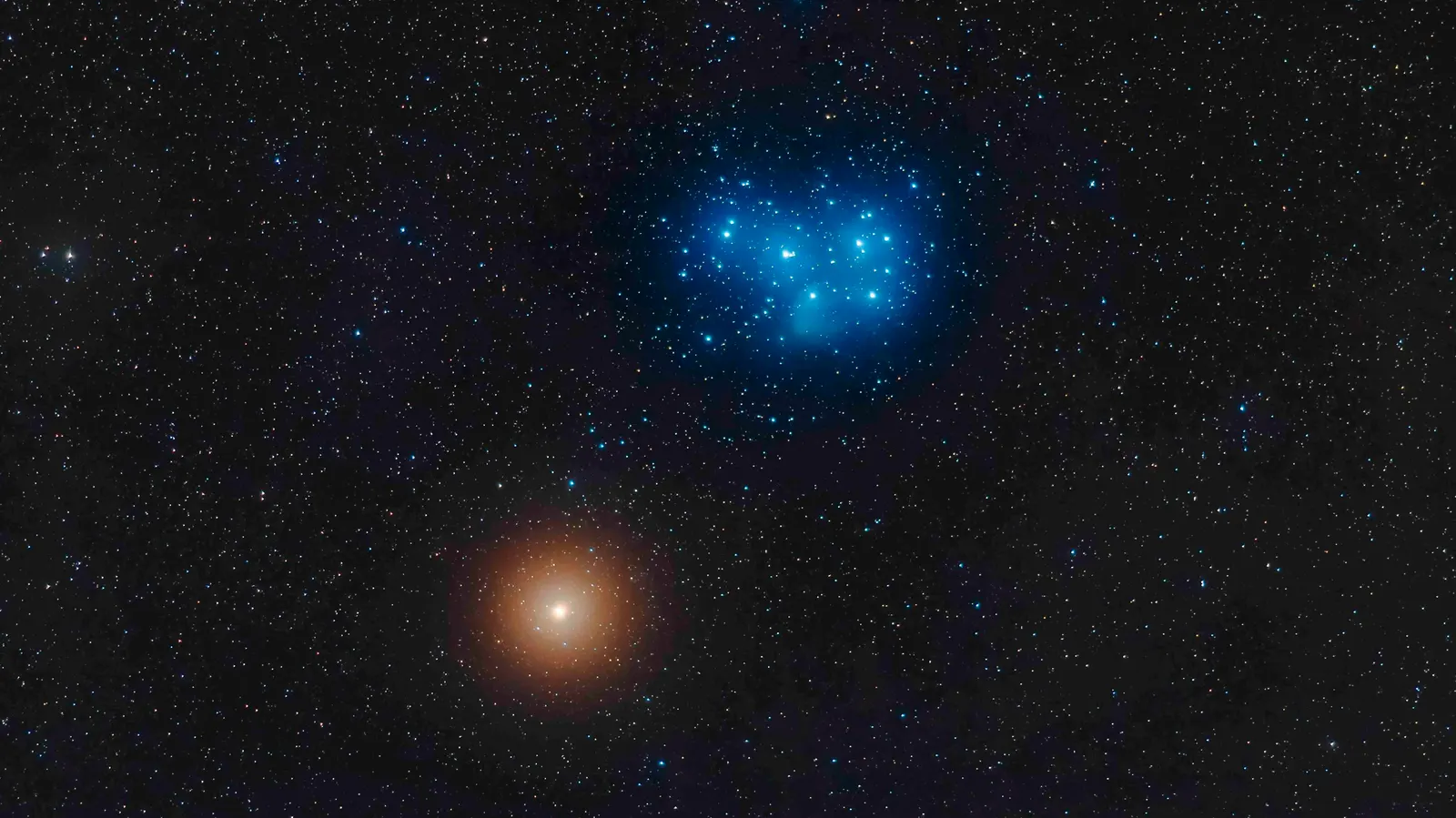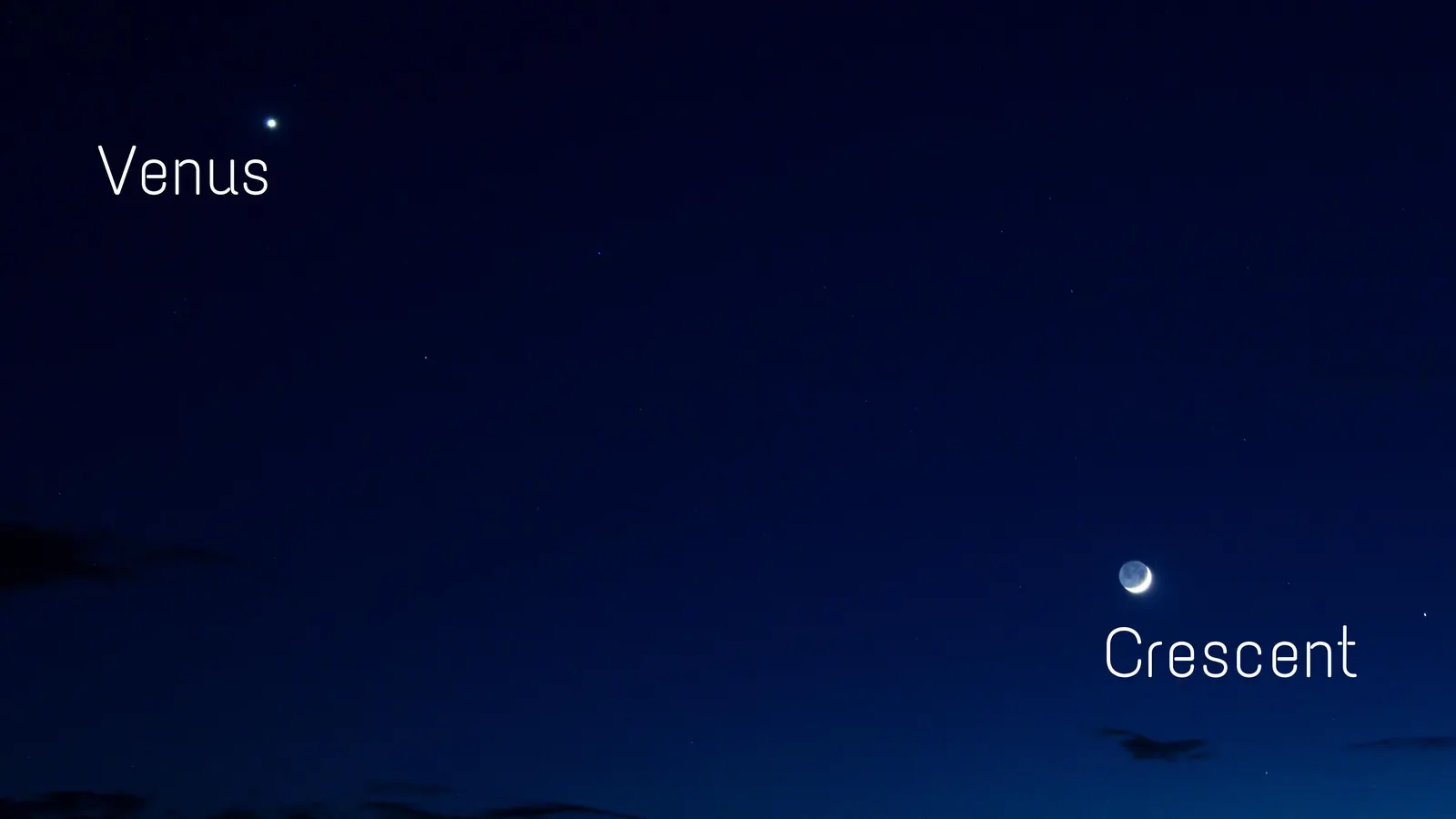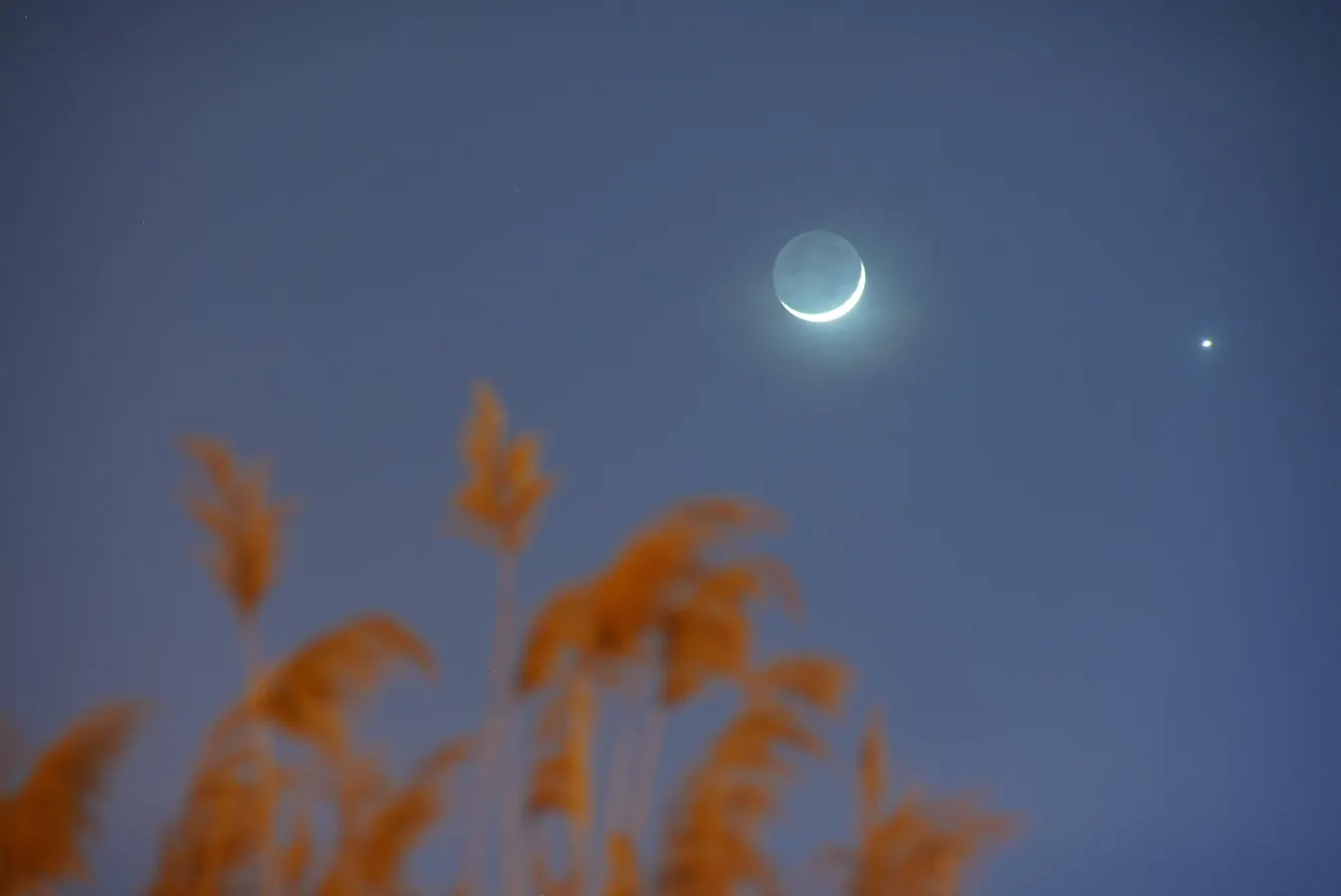
ToplineThis week brings a fast-moving, highly visual sequence in the evening sky as a trio of planets begins to disperse. A young crescent moon returns after its new phase and moves quickly past bright planets, changing the scene night by night. At the end of the week, the summer solstice arrives, bringing the shortest nights of the year. Here’s everything you need to know about the night sky this week, June 15-21, 2026. A 12%-lit waxing crescent moon will occult Venus during daylight as seen from North America, and after sunset will hang in front of the Beehive Cluster (M44) and close to Venus. . (Photo by VCG/VCG via Getty Images)VCG via Getty ImagesTimelineMonday, June 15A super new moon — the closest of the 2026 — brings the darkest skies of the month.Tuesday, June 16Mercury will be visible low in the west after sunset beneath a 6%-lit waxing crescent moon, with Jupiter above.Wednesday, June 17A 12%-lit waxing crescent moon will occult Venus during daylight as seen from North America, and after sunset will hang in front of the Beehive Cluster (M44) and close to Venus.Thursday, June 18Venus will be close to the Beehive Cluster, with binoculars allowing both to be in the same field of view.Friday, June 19A 30%-lit waxing crescent moon will shine close to Regulus, the brightest star in Leo.Saturday, June 21The June solstice (10:26 UTC) marks the longest day in the northern hemisphere.A 12%-lit waxing crescent moon will occult Venus during daylight as seen from North America, and after sunset will hang in front of the Beehive Cluster (M44) and close to Venus.StellariumHOW TO READ THE MOON’S MOTIONThe moon is the fastest-moving reference point in the sky, shifting about 13 degrees per day — the equivalent of roughly one outstretched fist. Follow it across just three evenings this week, and you’ll see it jump from one planet to the next on its 29.5-day journey around the Earth to return to the same phase. Around the solstice, the sun barely dips below the horizon, and in northern locations, true darkness may not arrive at all. That doesn’t mean the sky is poor—it means your targets must change. So focus on what thrives in twilight: planets, the moon and the brightest stars.WHEN IS SUMMER SOLSTICE?The June solstice falls on Sunday, June 21, 2026, at exactly 4:24 a.m. EDT, marking the start of astronomical summer in the Northern Hemisphere and winter in the Southern Hemisphere. It brings the year’s longest day north of the equator and the shortest day south of it. At Stonehenge in Wiltshire, England, a public gathering will run from sunset on June 20 to sunrise on June 21, with English Heritage expected to livestream the event. The solstice also sits midway through New York City’s “Manhattanhenge Effect,” a 44-day period when the setting sun aligns with its street grid.View of the constellation of Cancer. At the center of the image is the famous stars cluster named M 44 (Messier 44).gettyConstellation Of The Week: CancerSitting between the constellations Gemini and Leo, Cancer, the crab, contains no bright stars, but it holds the Beehive Cluster (M44), visible as a faint, misty patch under decent skies. This week, it’s visited by both the crescent moon and Venus. It’s best seen using any binoculars, but it is visible to the naked eye in very dark skies.The times and dates given apply to mid-northern latitudes. For the most accurate location-specific information, consult online planetariums like Stellarium.Further readingForbesToday’s New Moon Is 2026’s Closest — And A Rare ‘Supermoon’ You Can’t SeeBy Jamie CarterForbes10 Best U.S. National Park Sites For Stargazing, According To Outforia ResearchBy Jamie CarterForbesWhy The SpaceX IPO Could ‘Permanently Scar’ The Night SkyBy Jamie Carter
See A Crescent Moon Thread The Planets: The Night Sky This Week
North America’s celestial highlights for the week ahead, which also apply to mid-northern latitudes in the northern hemisphere.
615 words~3 min read