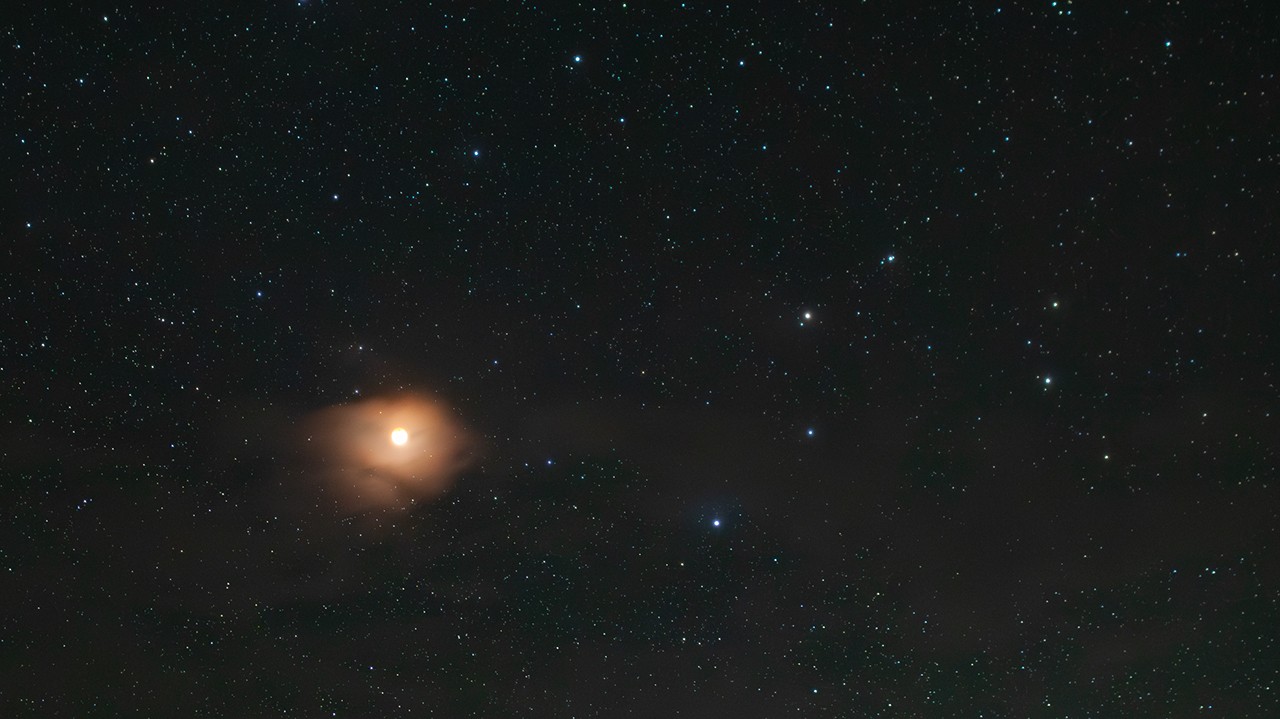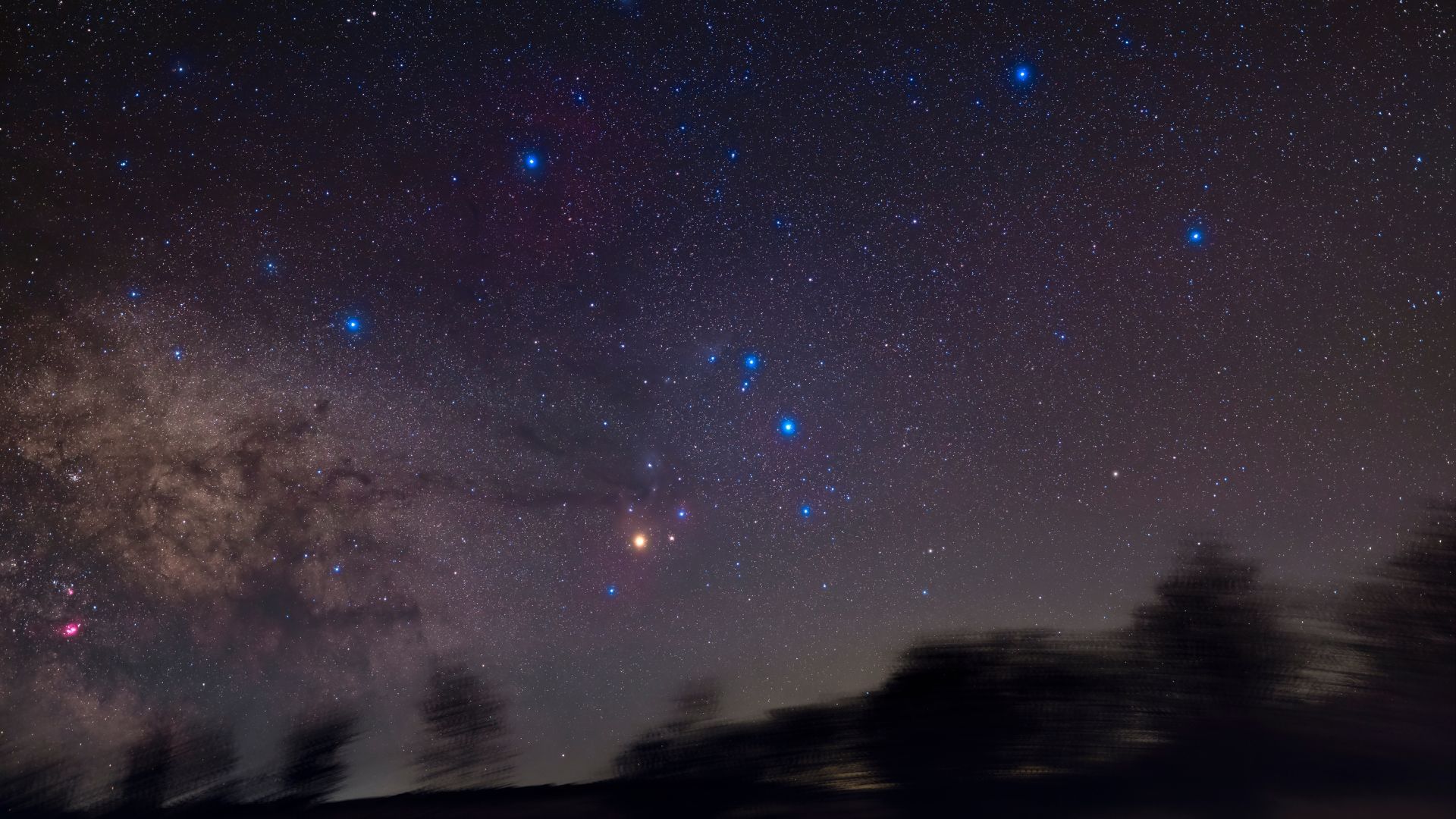
The constellation Scorpius glows close to Libra in the spring sky.
(Image credit: Photo by: Alan Dyer/VWPics/Universal Images Group via Getty Images)
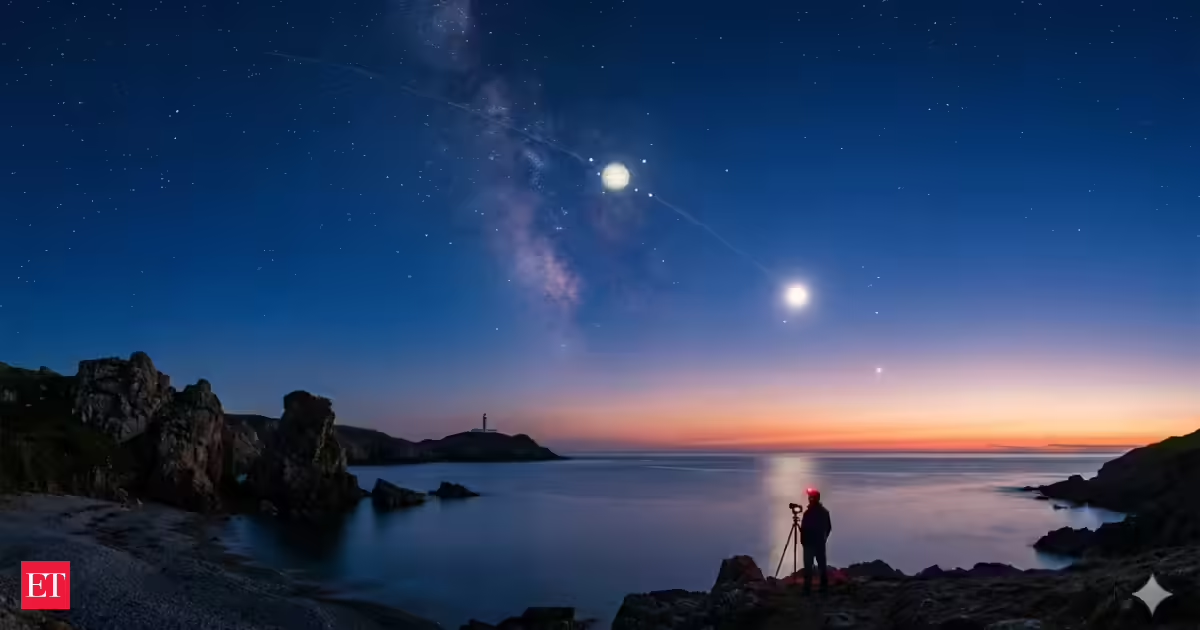
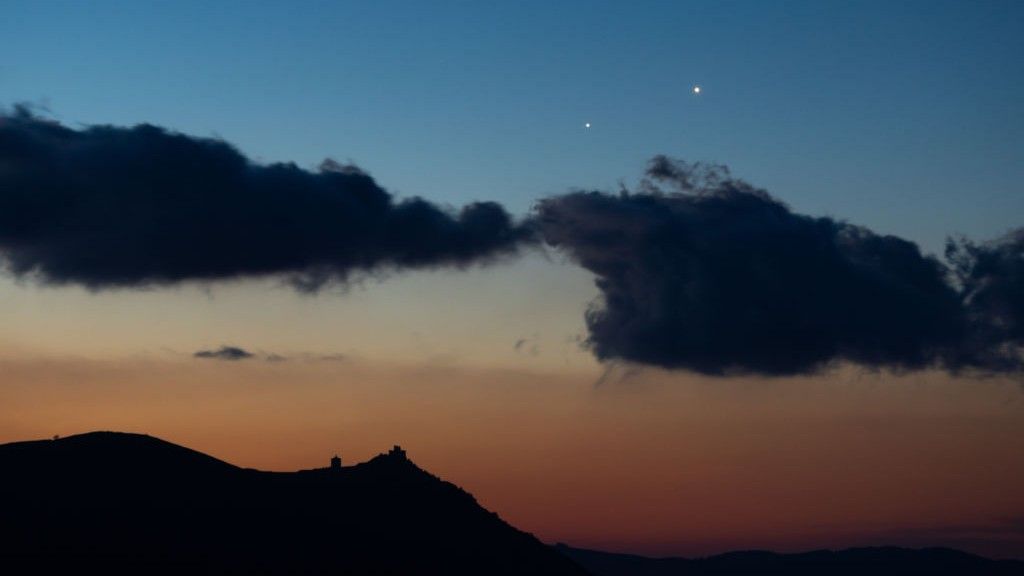
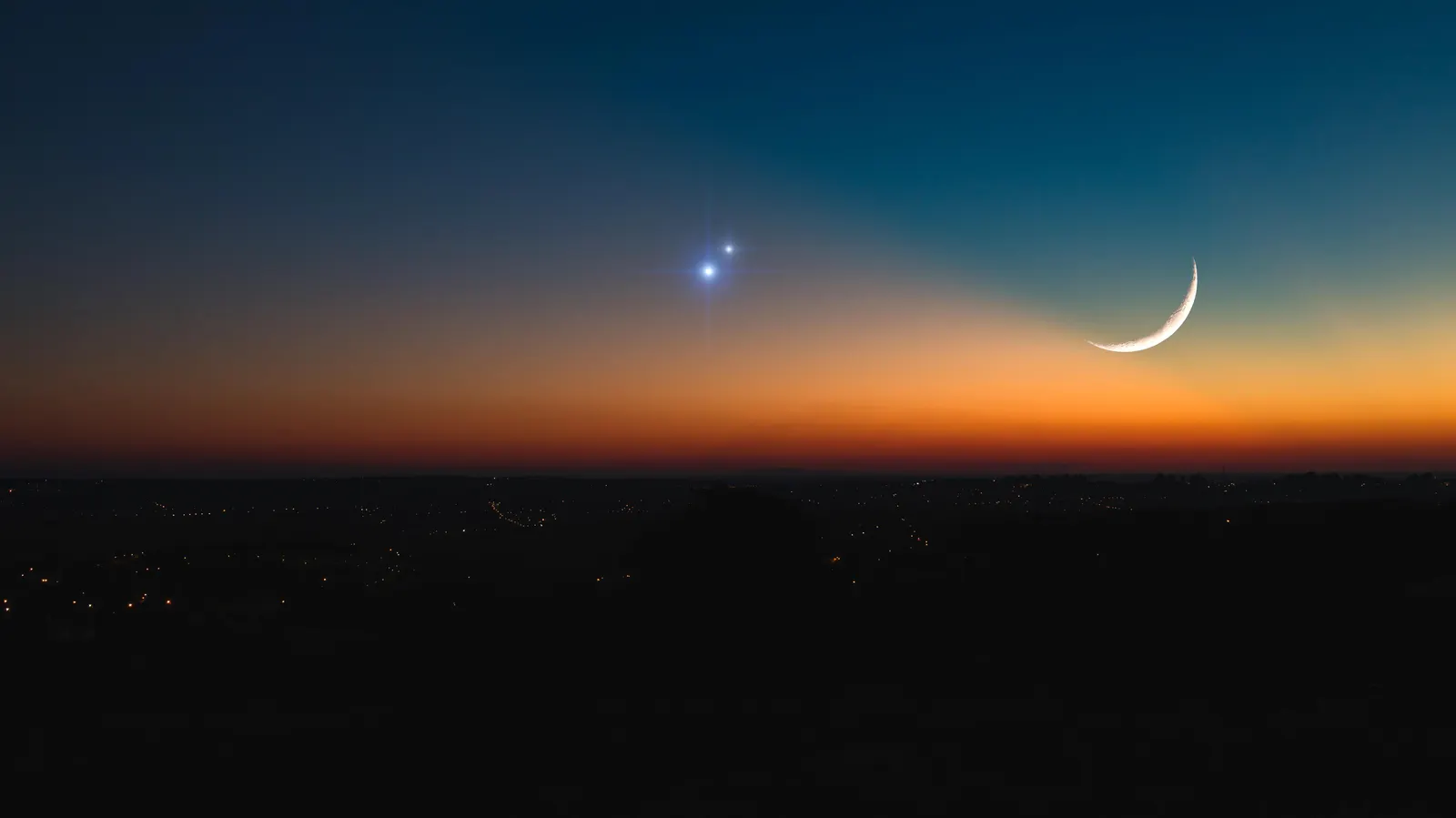
June's new moon is finally upon us, bringing with it a handful of precious dark nights in which to explore the wonders of the starry sky, before the familiar sight of the waxing lunar crescent returns to hide fainter targets from view.This month's new moon phase occurs at 10:54 p.m. EDT on June 14 (0254 GMT on June 15), when the lunar disk passes between the sun and Earth, leaving the nights surrounding it blissfully free of moonlight.The lack of moonlight allows us to appreciate the myriad treasures of the post-sunset realm, including faint constellations that are so easily overlooked in favor of their brighter counterparts during the rest of the month.Visible planetsLook to the western horizon at sunset on June 14 to find the steady light of Venus shining a little over three degrees above Jupiter, just a few days on from their close conjunction on June 9.Look to the lower right of Jupiter to spot Mercury shining above the horizon. The two will be separated by approximately 10 degrees — roughly the width of a clenched fist held at arm's length against the night sky — to form a crooked planetary lineup in the night sky.