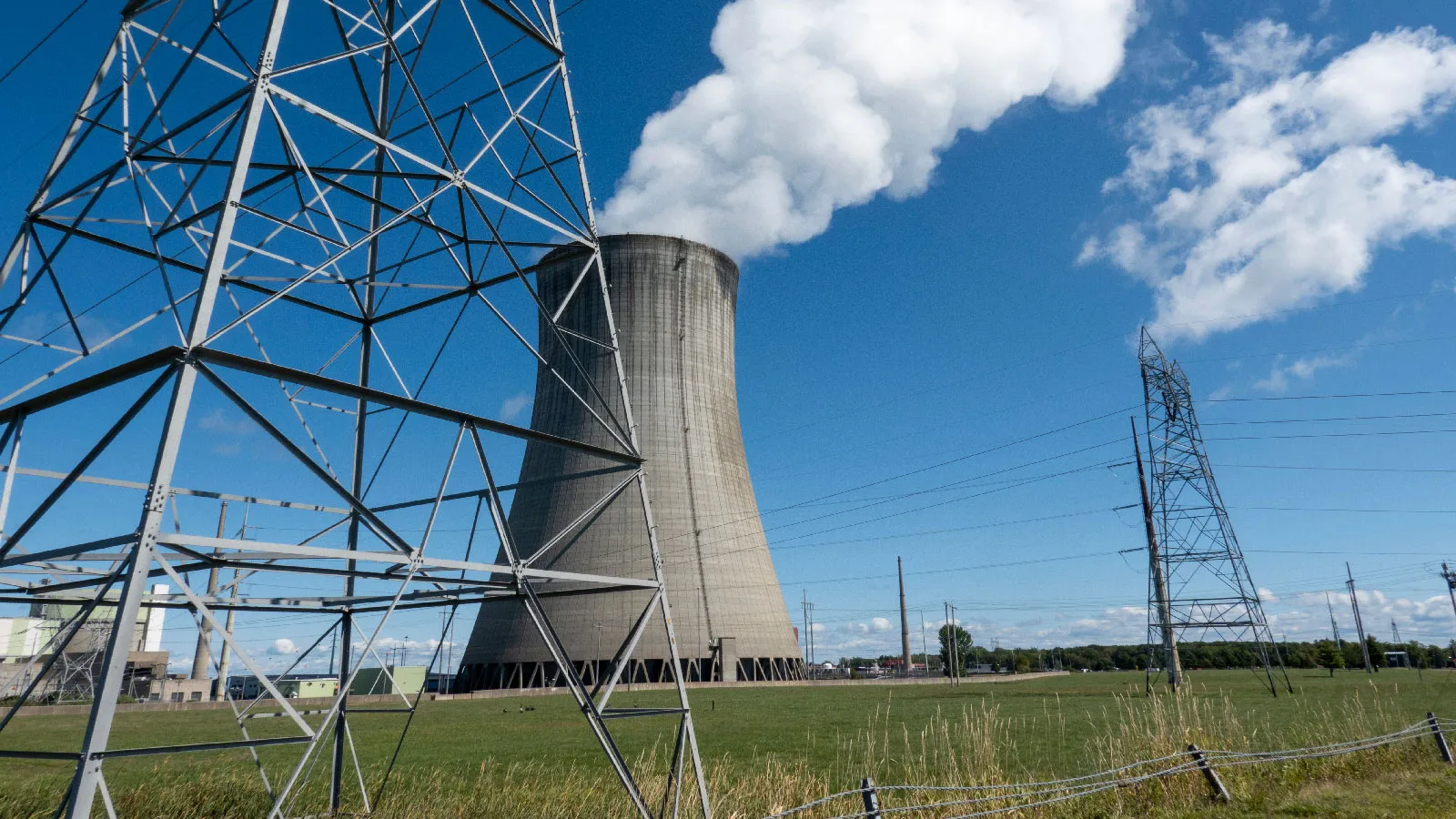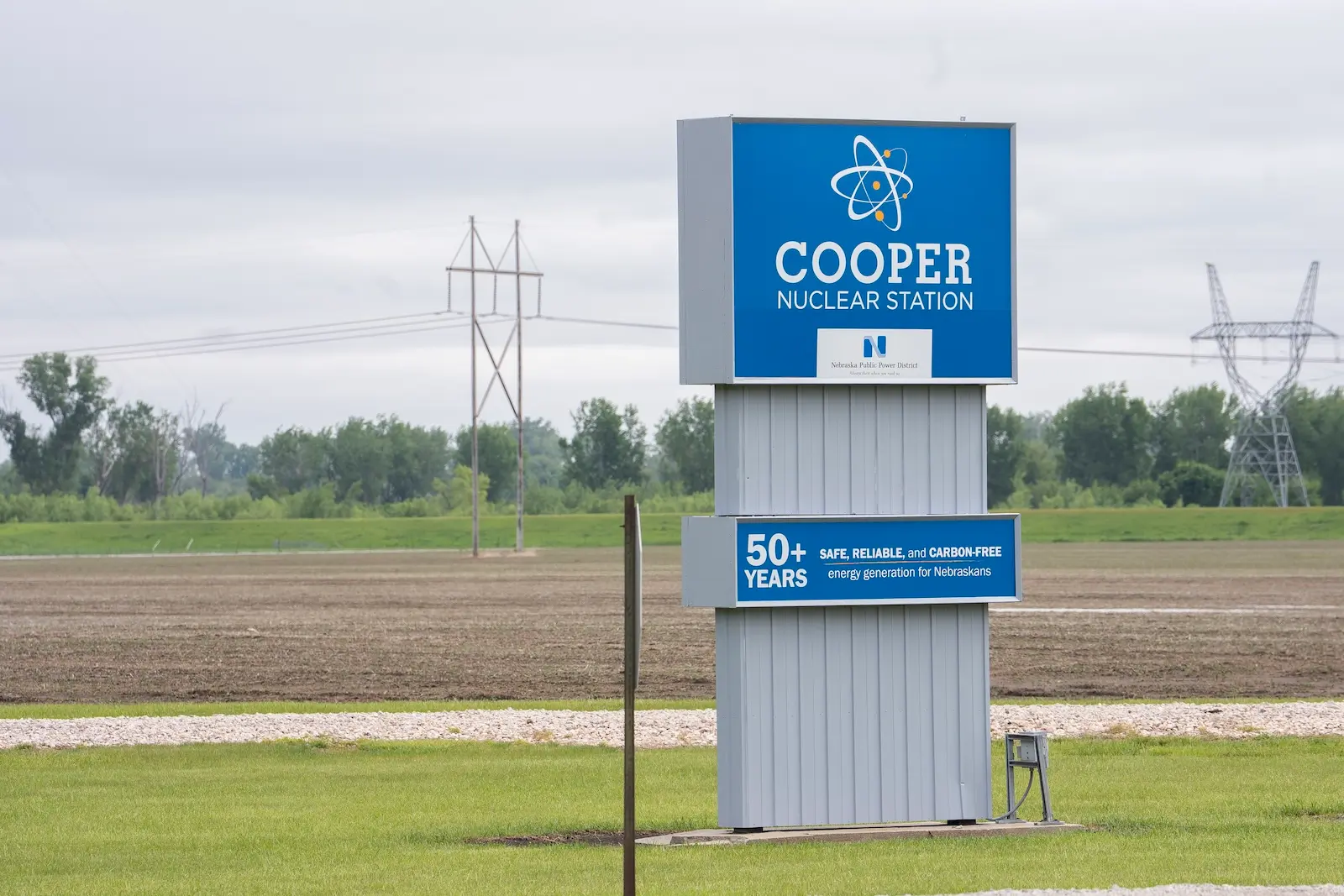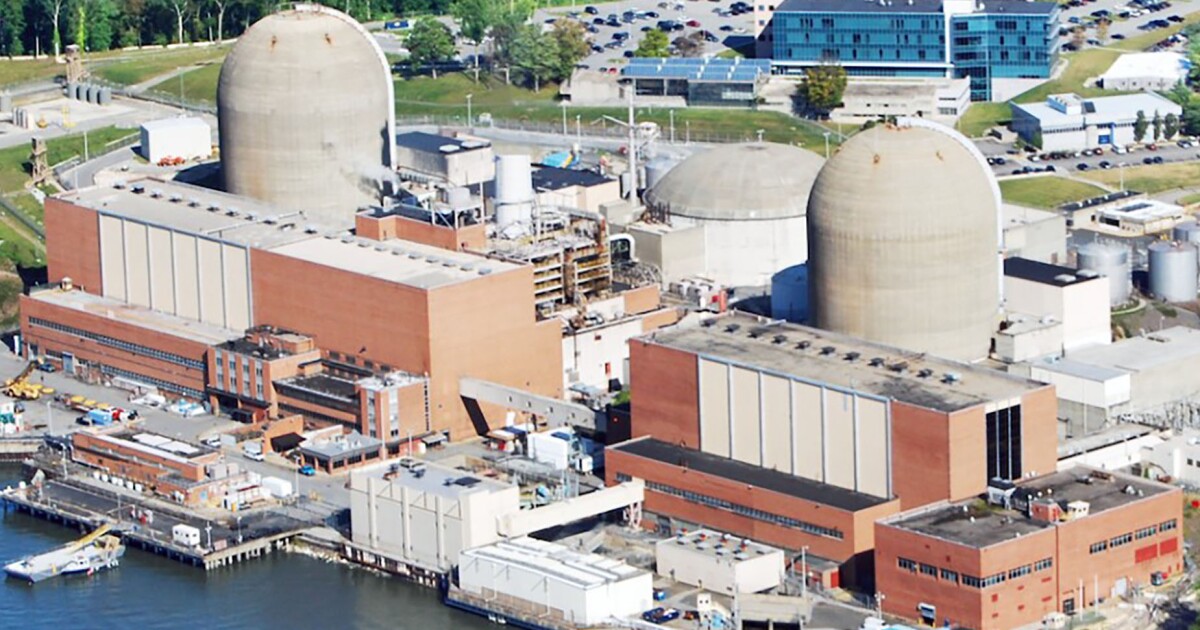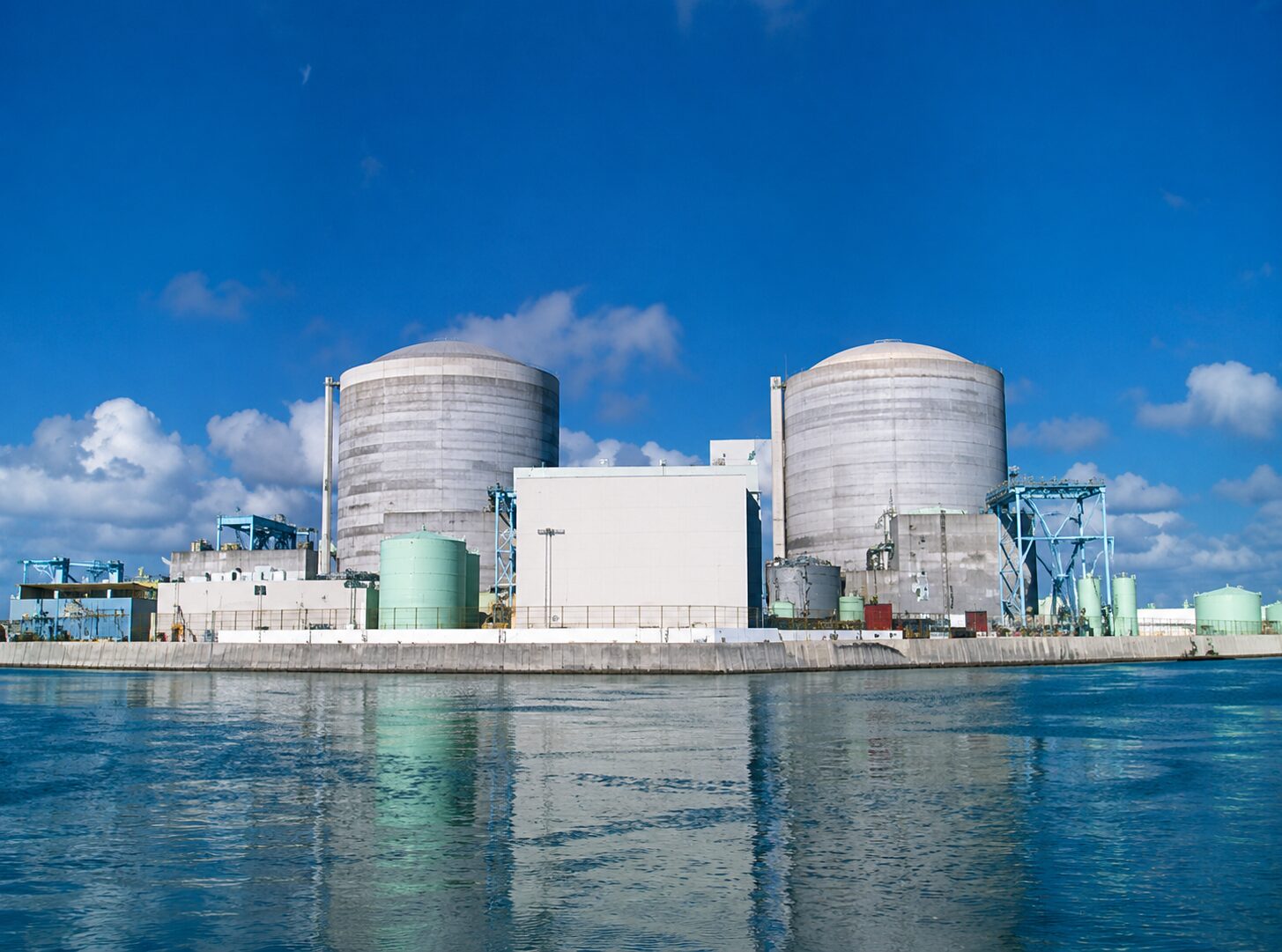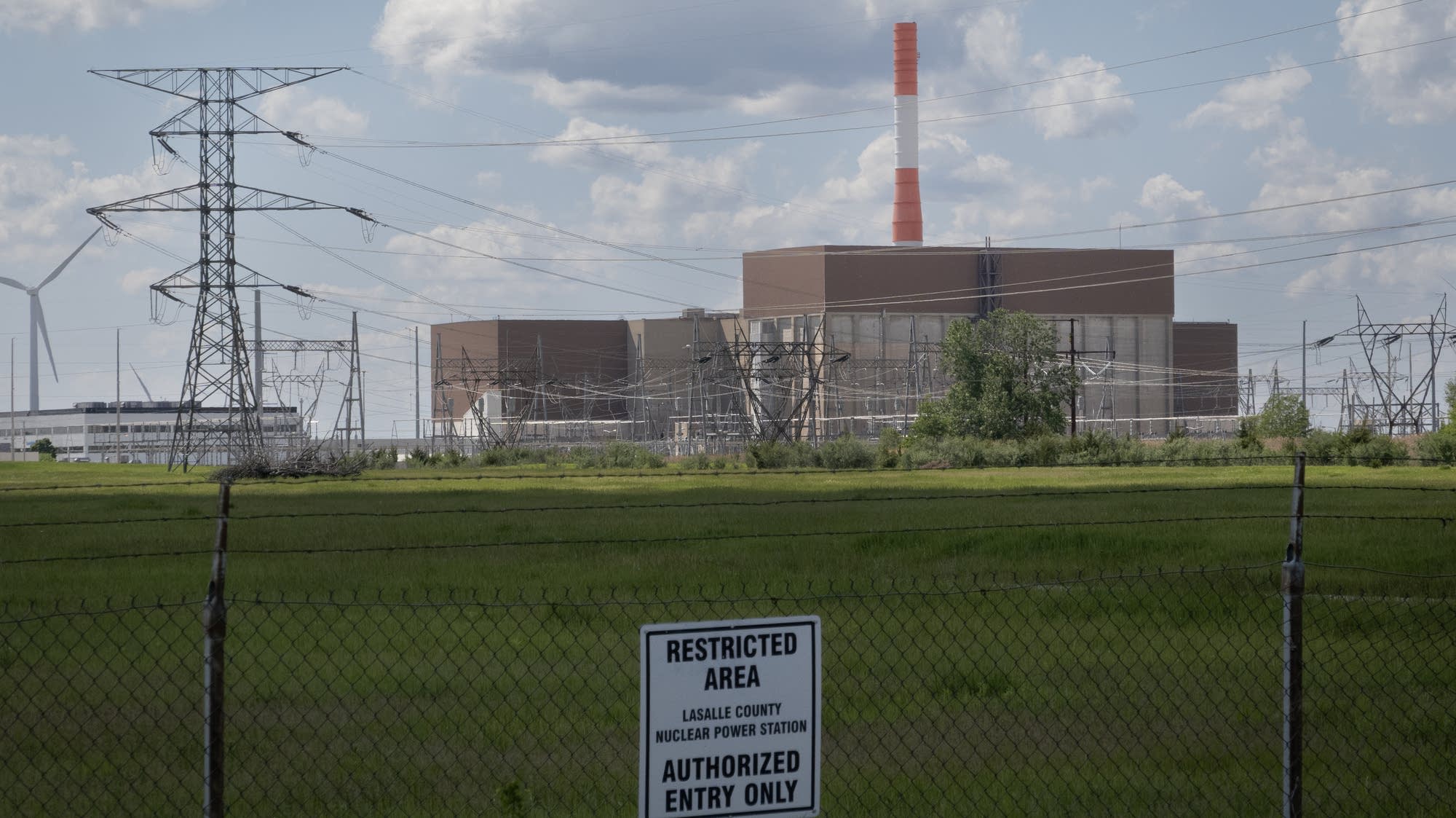
Increasing electricity prices have caught the attention of customers and lawmakers alike. Even as energy prices are rising, so is demand. Some are now advocating for a reinvestment in nuclear energy as a long-term, carbon-free source of power. But in Missouri, the cost of building new nuclear plants has set off a debate about who pays for them. Many Missouri Republicans, including state Sen. Mike Moon, would like to see more nuclear power plants built.“Now, do I want nuclear? Absolutely. Is it expensive? You betcha’ it is,” Moon said during debate in the Missouri statehouse.However, he and his colleagues strongly disagree on who should pay the costs for building more power plants and when. Rep. Bill Irwin is among the lawmakers advocating for a policy called construction-work-in-progress or CWIP. “If you pay up front, it's always cheaper. If you pay later, it's always more,” he said.CWIP allows utility companies to charge customers for new power plants as they’re being built.Some lawmakers believe the policy can jumpstart energy investment and save residents money on utility bills. Others, like state Sen. Joe Nicola, say it will increase utility bills while their constituents are already feeling the financial pinch.“I don't agree with using my constituents … rate payers, as a bank for a free interest loan,” Nicola said.As power plants go, nuclear facilities take longer to build, cost more and often run over budget. John Coffman, an attorney for the Consumers Council of Missouri, said that for these reasons, nuclear power plants are a dicey investment.“It seems kind of the worst of all possible worlds. We're paying for power plants that are no longer serving us, and they're asking us to start paying for power plants that are coming in the future,” Coffman said. “It's just we get it coming and going, right?”Rob Dixon is vice president of regulatory and legislative affairs for utility provider Ameren. He said if customers help pay for nuclear power plants as they are built, energy companies don’t have to take on as much debt. “It's going to keep costs lower because you're not paying higher interest over time, and that means utility customers pay less,” Dixon said.According to the Manhattan Institute, many states adopted CWIP during the energy crisis of the 1970s. But due to public resistance, several states have reversed course in the decades since. Now, while the country again faces increasing electricity demand, states such as Missouri, Kansas and North Carolina have passed varying degrees of the power plant financing policy in recent years. Energy economist Michael Sykuta said it’s difficult to suss out whether having a policy like CWIP has a measurable impact on the amount of power a state has — whether the policy spurred investment or not. But he said there is certainly anecdotal evidence. “Without CWIP utilities have less incentive to invest … especially for very expensive projects and therefore we don't get them built,” Sykuta said.Unless states and utility companies can agree on a way to pay for pricey nuclear power plants, increasing electricity demand will have to be met with other power sources.
Debates over who pays for new nuclear plants put ratepayers in the middle
Missouri is among several states reviving a financing policy that allows utilities to charge ratepayers for power plants as they're being built rather than after they come online.
514 words~2 min read