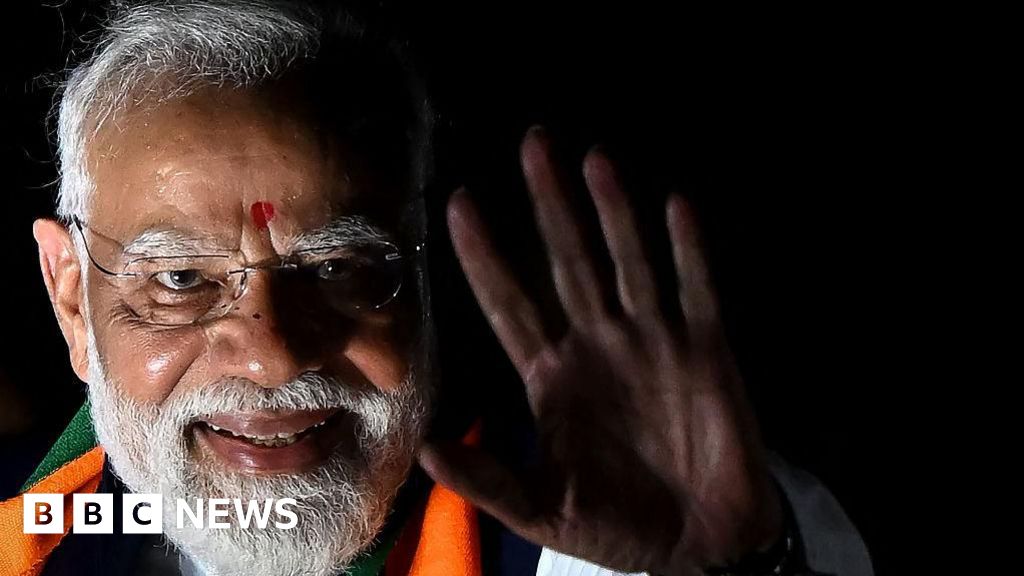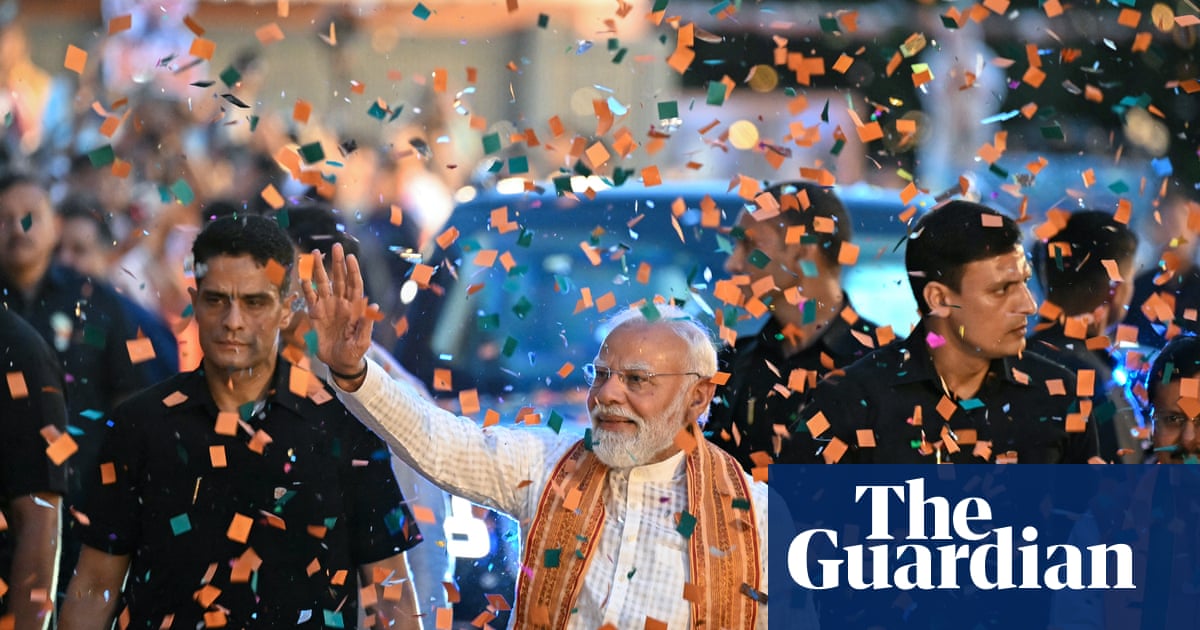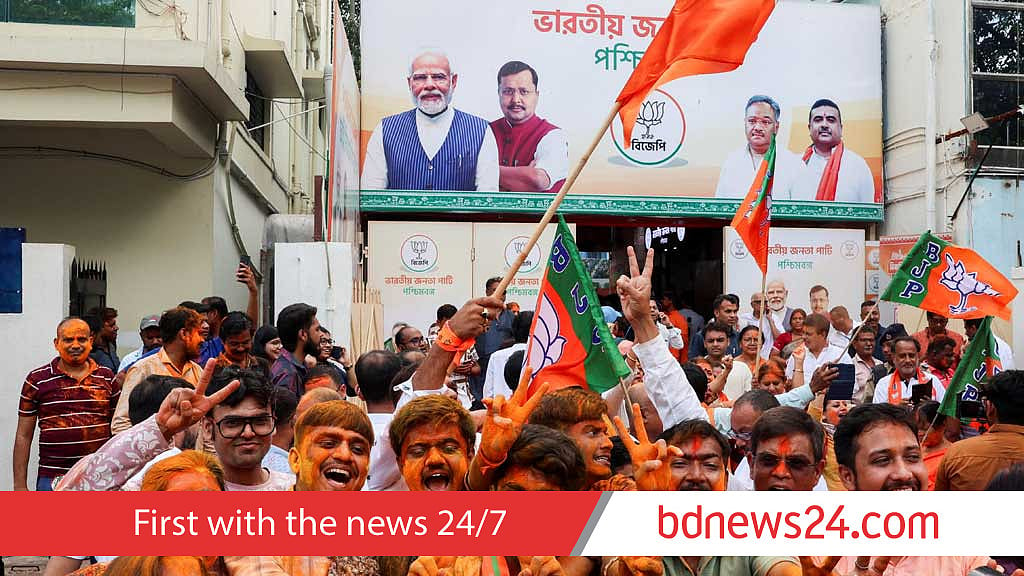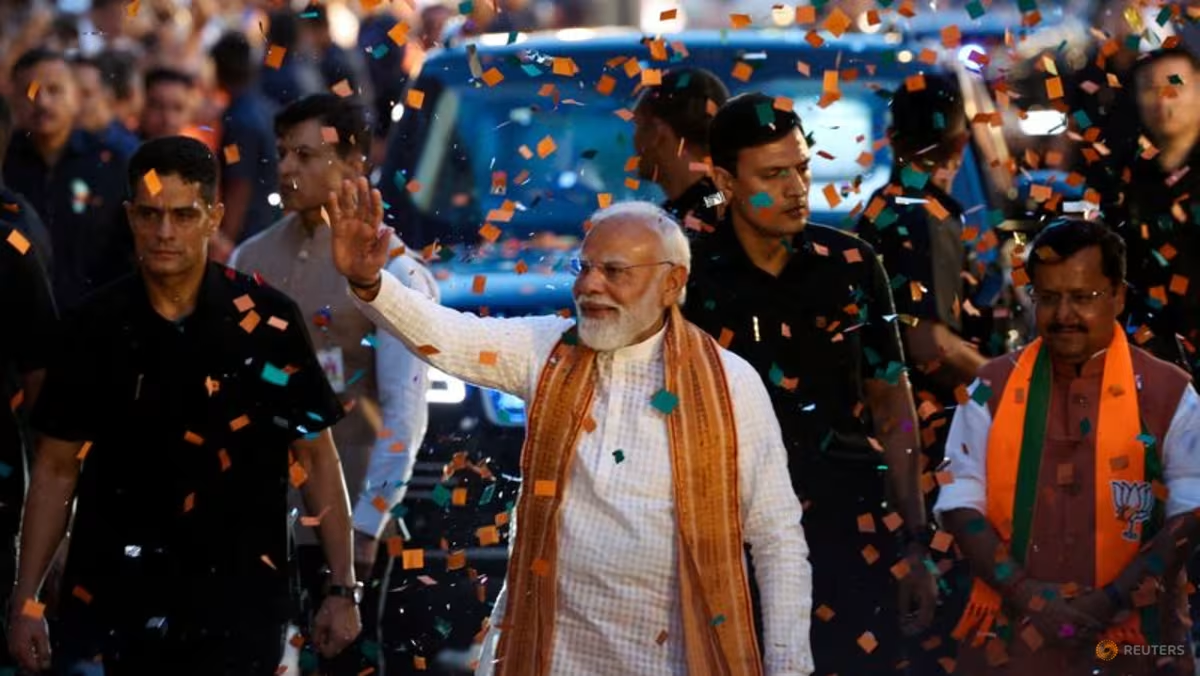
NEW DELHI: The 2026 West Bengal legislative assembly election may come to be remembered as one of the most consequential state polls in contemporary India. It marked the moment when Prime Minister Narendra Modi finally breached one of the last major regional fortresses resisting his expansion of political power.But the larger significance of West Bengal lies in what it signals beyond the immediate – about the nationalisation of Indian politics and what that might mean beyond India’s borders. The Bharatiya Janata Party (BJP) and its allies now govern 22 out of 31 states across India. When Mr Modi came to power in 2014, they held just seven states.HOW WEST BENGAL WAS WONWest Bengal was supposed to be difficult terrain for the BJP and victory looked an uphill task.
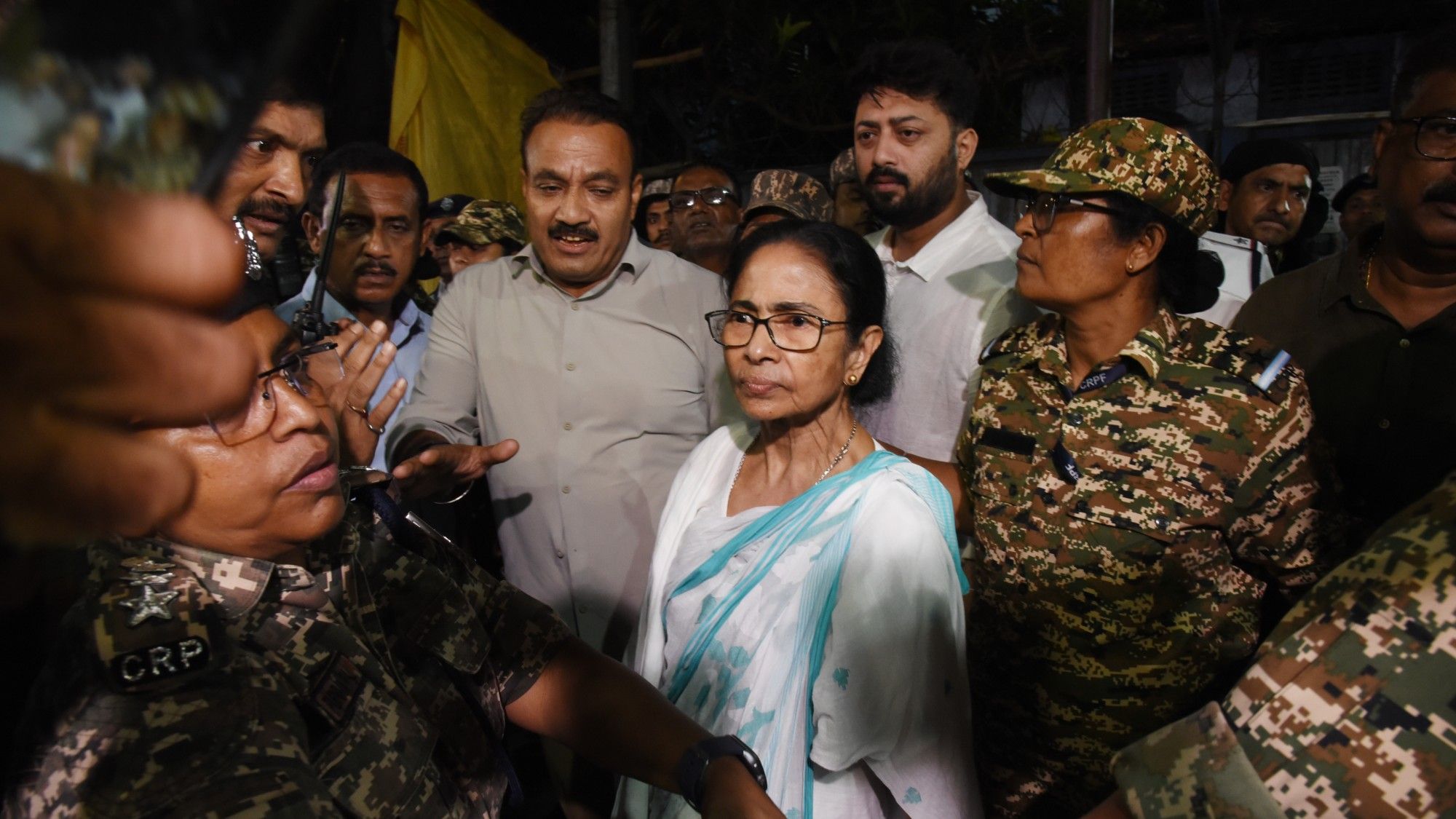
The state’s political culture tends to produce dominant parties. West Bengal was governed by the communist-led Left Front for 34 uninterrupted years before the incumbent Trinamool Congress (TMC) came to power in 2011. TMC leader Mamata Banerjee remained extremely popular despite governing continuously for 15 years. And while the BJP has gained considerable ground in previous polls of the last decade, there were structural barriers that historically created a ceiling on its expansion: Muslims constitute nearly 30 per cent of the state’s population, and they had historically backed anti-BJP parties. The BJP was also long viewed by Bengalis as culturally associated with India’s Hindi-speaking political establishment. So what changed this time? The single biggest factor behind the TMC’s defeat was serious anti-incumbency sentiment. Allegations of extortion and bribery, popularly called “cut money” politics in West Bengal, became politically corrosive. Voters were frustrated that petty corruption had become normalised in everyday interactions between citizens and the party-state machinery.The deterioration of law and order compounded these frustrations. A widely publicised 2024 rape and murder case of a trainee doctor in a hospital in West Bengal capital city Kolkata sparked outrage about women’s safety. This evolved into a symbol of broader anxieties about governance and impunity after allegations of an institutional cover-up. This mattered because women had formed one of the TMC’s most reliable electoral blocs.