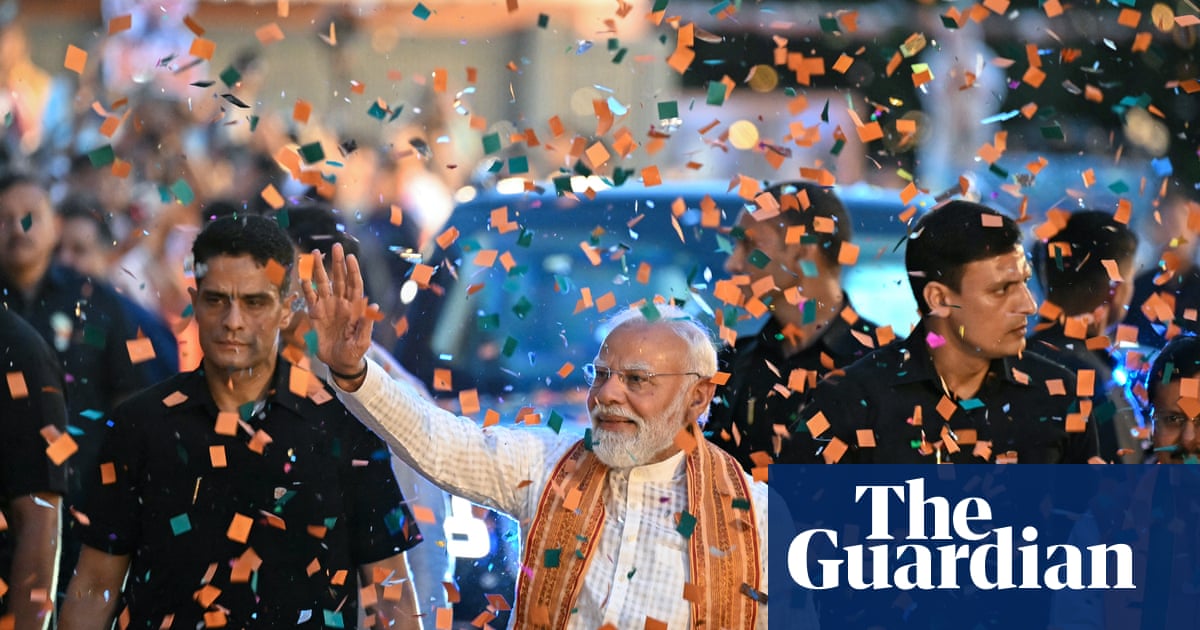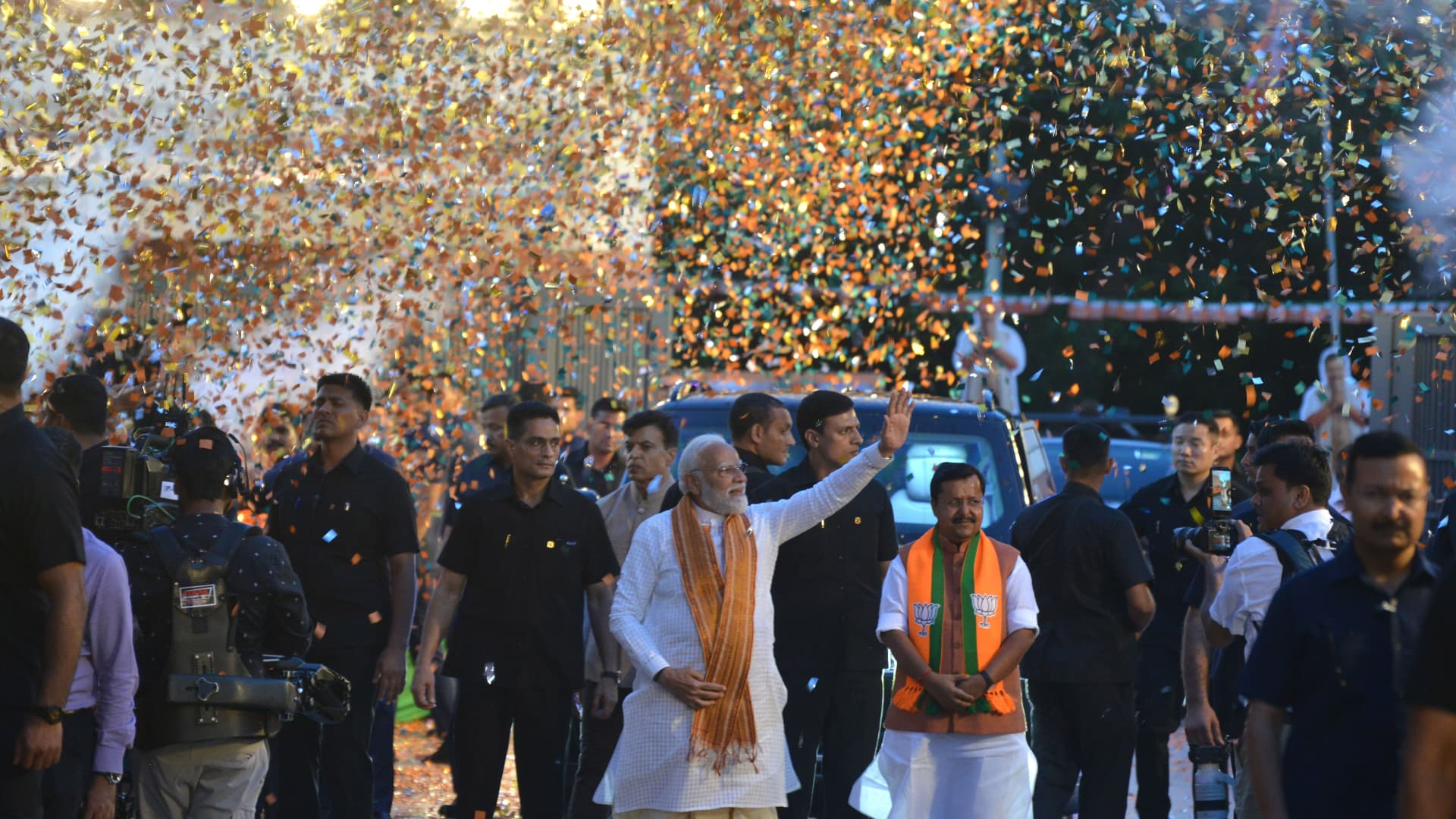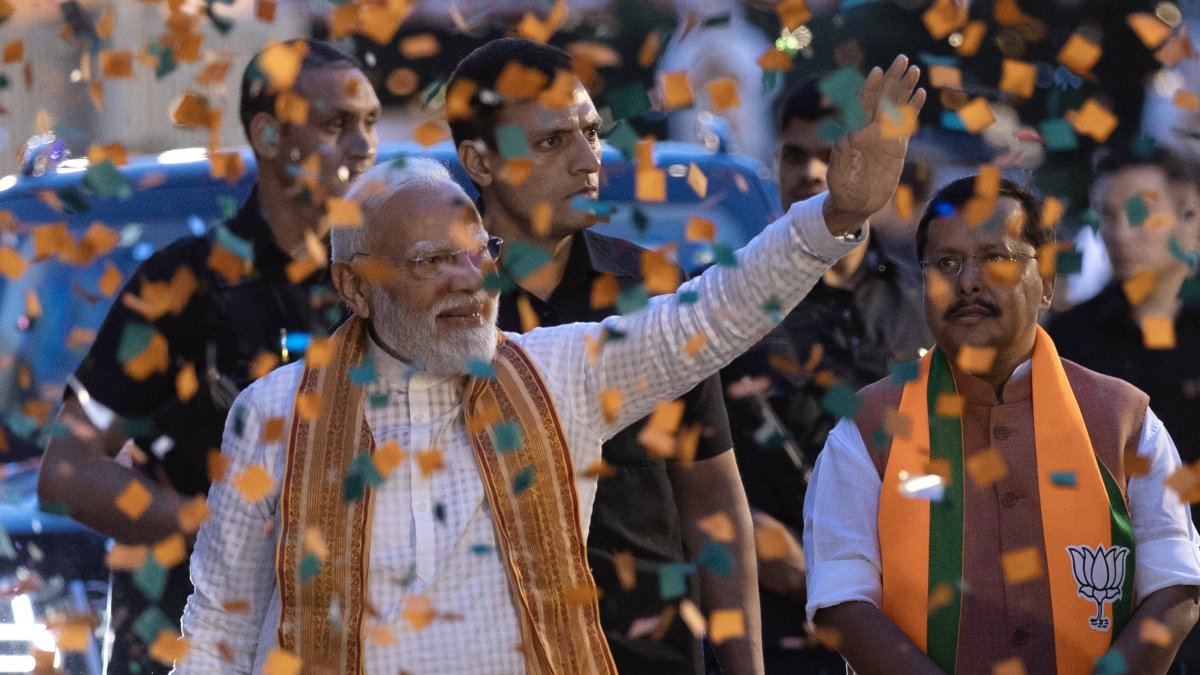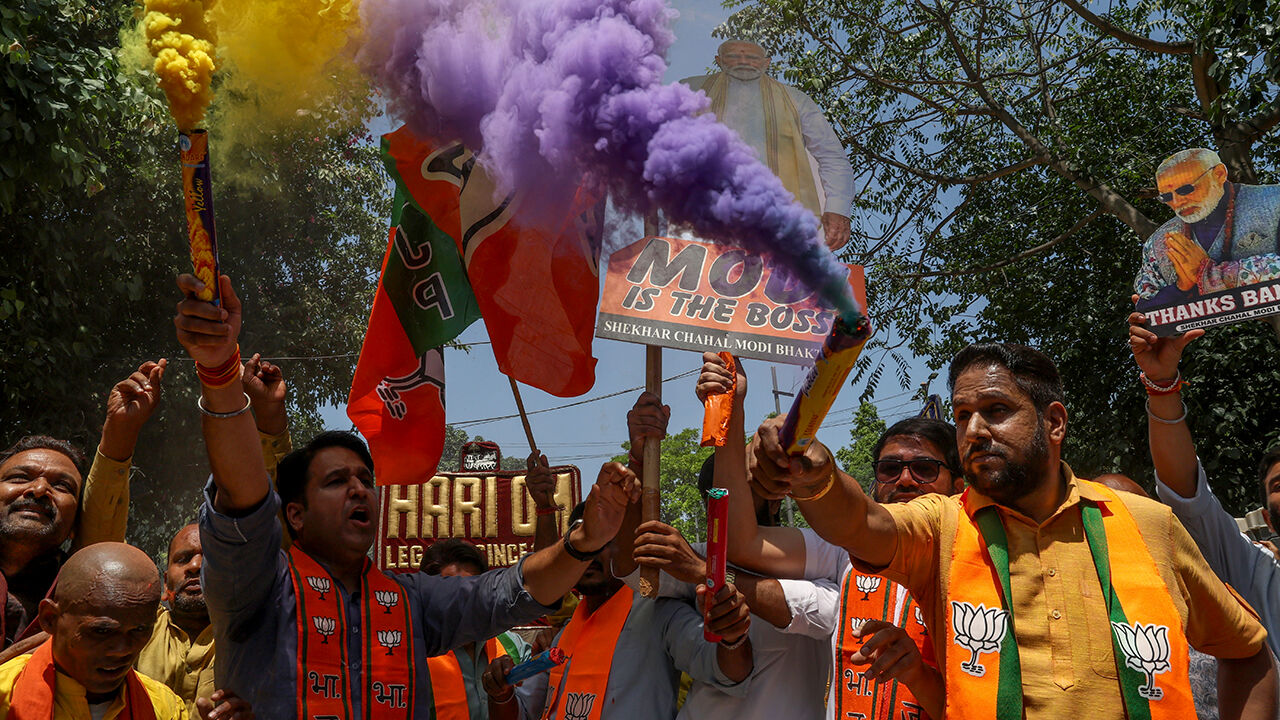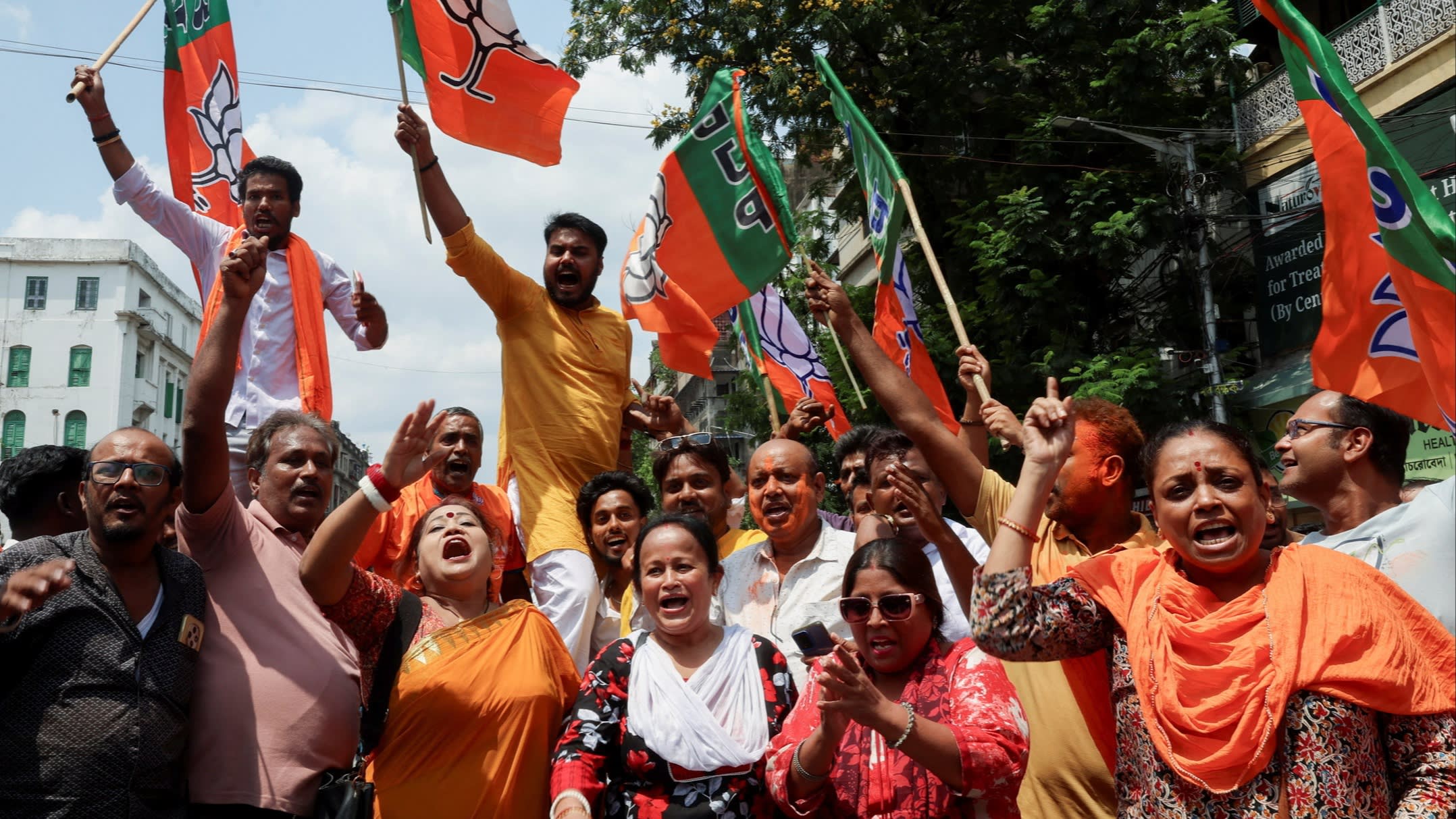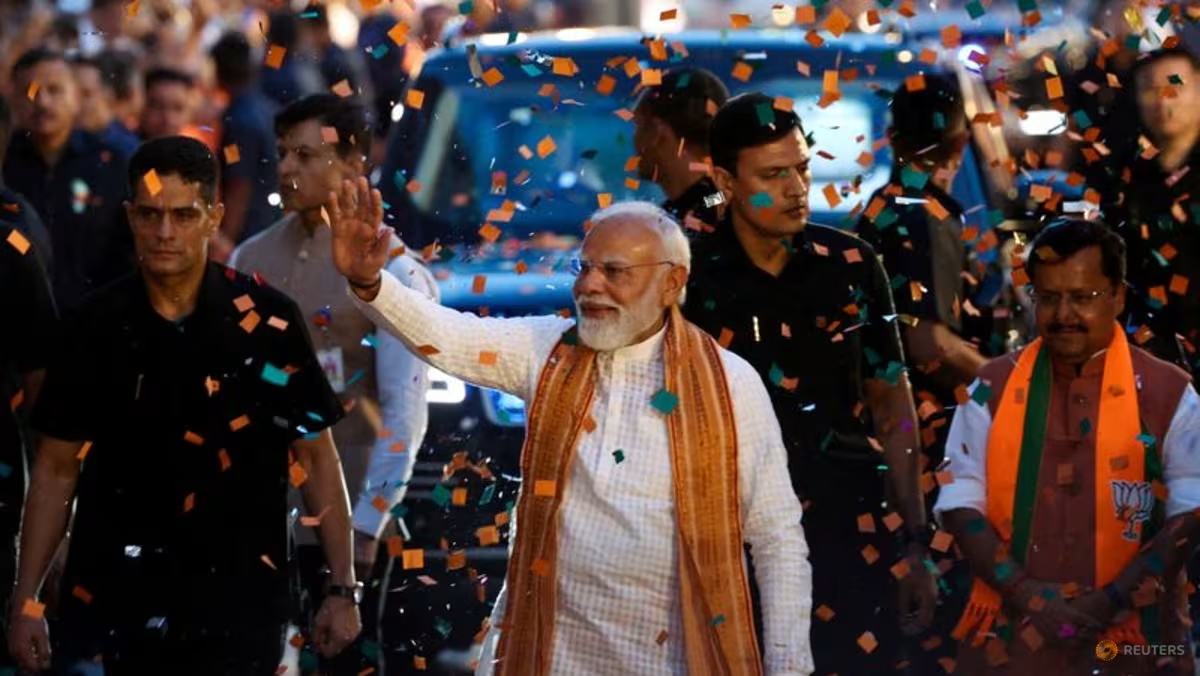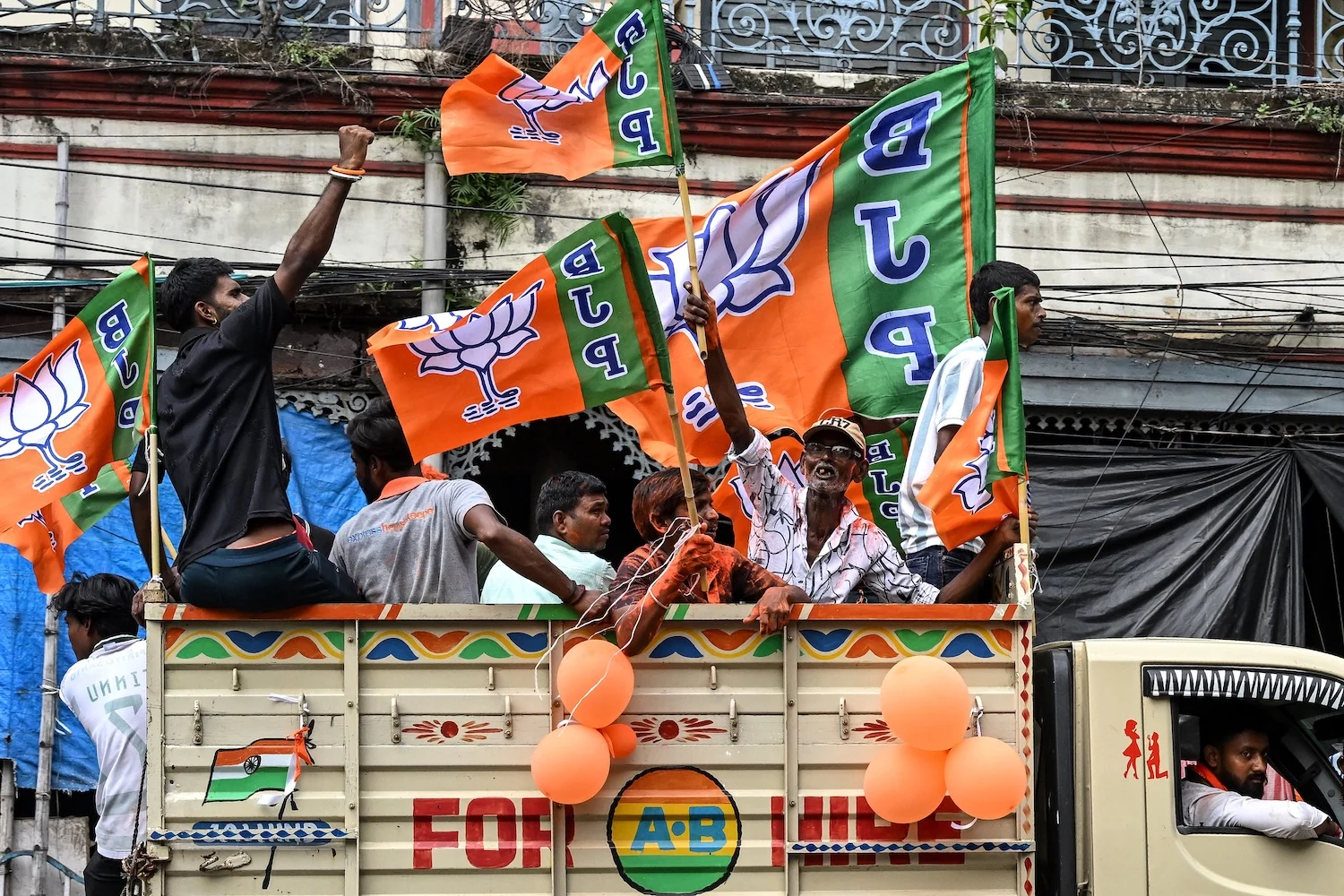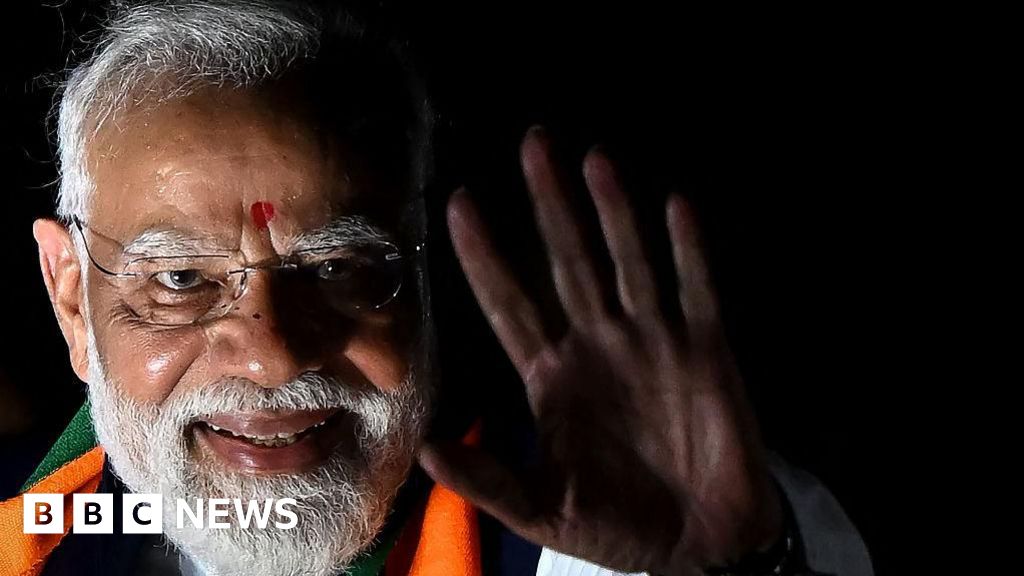
For years, India's West Bengal state was the great exception to Narendra Modi's political advance.
His Bharatiya Janata Party (BJP) had swept through India's Hindi-speaking heartland, expanded into the west and north-east, and overwhelmed once-formidable regional rivals. Yet Bengal - argumentative and steeped in a self-image of cultural exceptionalism - remained stubbornly resistant.
That made this state election unusually consequential. With more than 100 million people, West Bengal's electorate is larger than Germany's, turning its election into something closer to a nation choosing a government than a routine Indian state poll.
Monday's BJP victory there would rank among the most significant breakthroughs of Modi's 12-year reign. It is not merely the defeat of a three-term incumbent, but the completion of the party's long march into eastern India.
"Winning Bengal is a big victory for the BJP - a land of promise that has long eluded its grasp," says author and journalist Nilanjan Mukhopadhyay.