One of the most striking aspects of the agreement reached between Iran and the United States is that the nuclear issue has not been resolved outright but instead has been pushed into a two-month process. I do not believe this was accidental. In my view, the decision to divide the nuclear file into a two-month timeline reflects a demand from the Islamic Revolutionary Guard Corps (IRGC). For that reason, I believe the likelihood of renewed tensions, and even direct confrontation, over the next two months is quite high.
The IRGC’s strategy appears to be unfolding as intended. Their objective is a temporary arrangement that leaves the nuclear issue largely untouched while buying time and preserving the current balance of power. What we are seeing today is, in many respects, a reflection of that strategy in action.
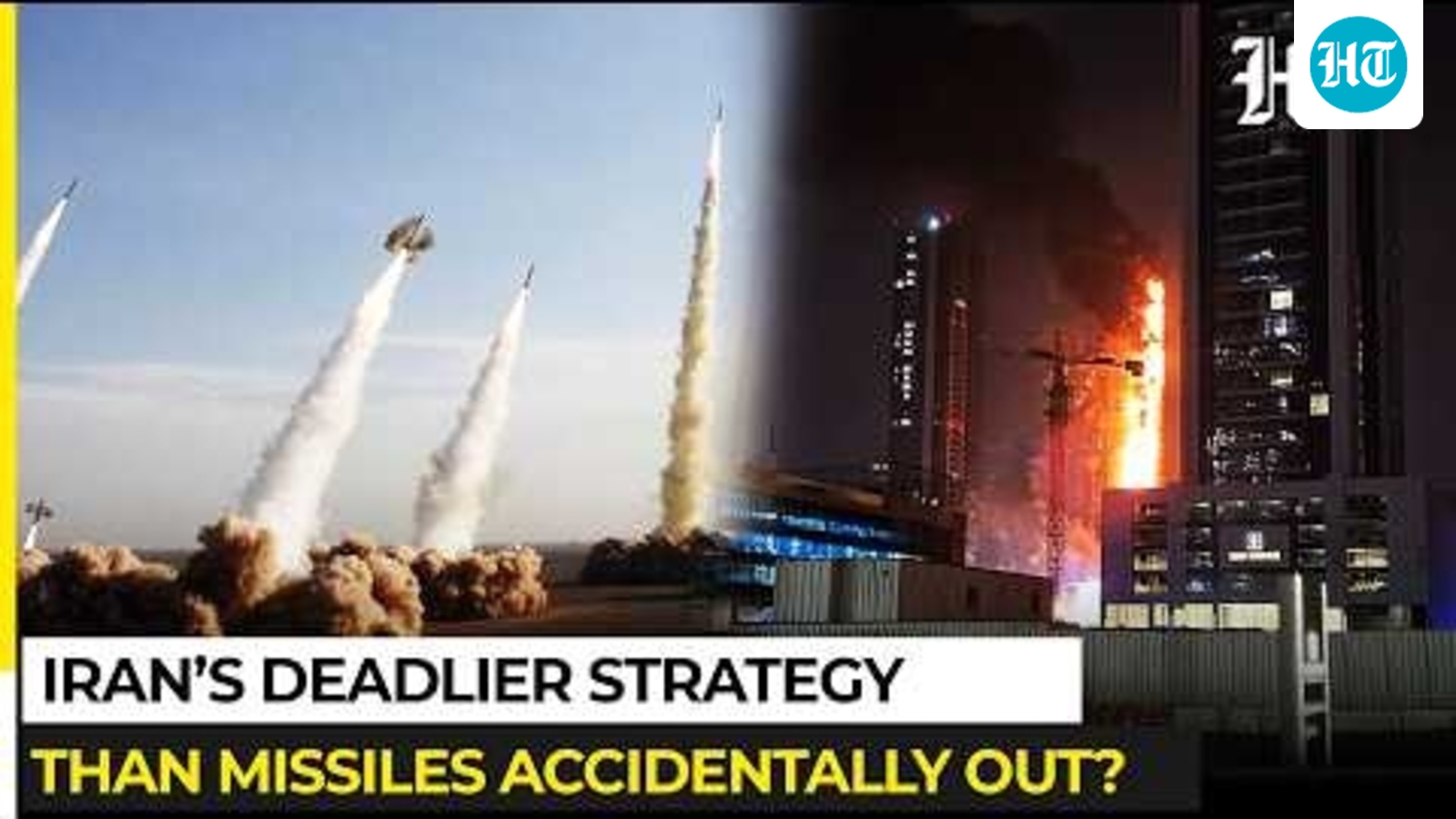
In the past several days, military exchanges between Iran, Israel, and the U.S. had once again brought the Middle East to the brink of a wider regional confrontation. What began with direct Israeli strikes on Iranian targets evolved into a cycle of retaliation involving U.S. military action against Iran and Tehran's subsequent threats and responses directed not only at Washington but also at regional states such as Bahrain, Kuwait and Jordan.