The interim US-Iran deal leaves the fate of Tehran’s nuclear program still to be negotiated
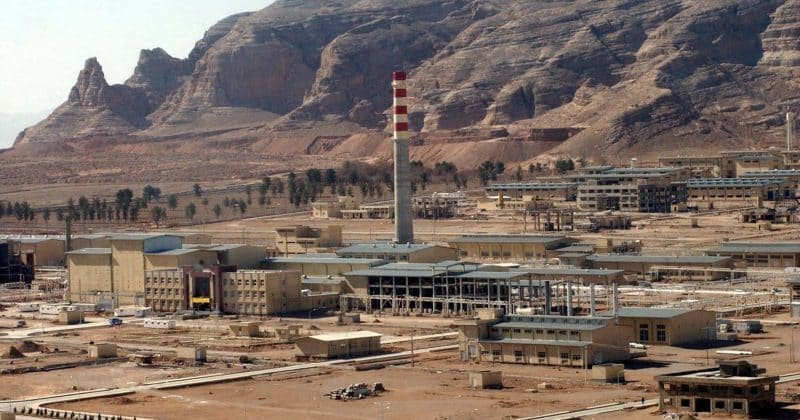
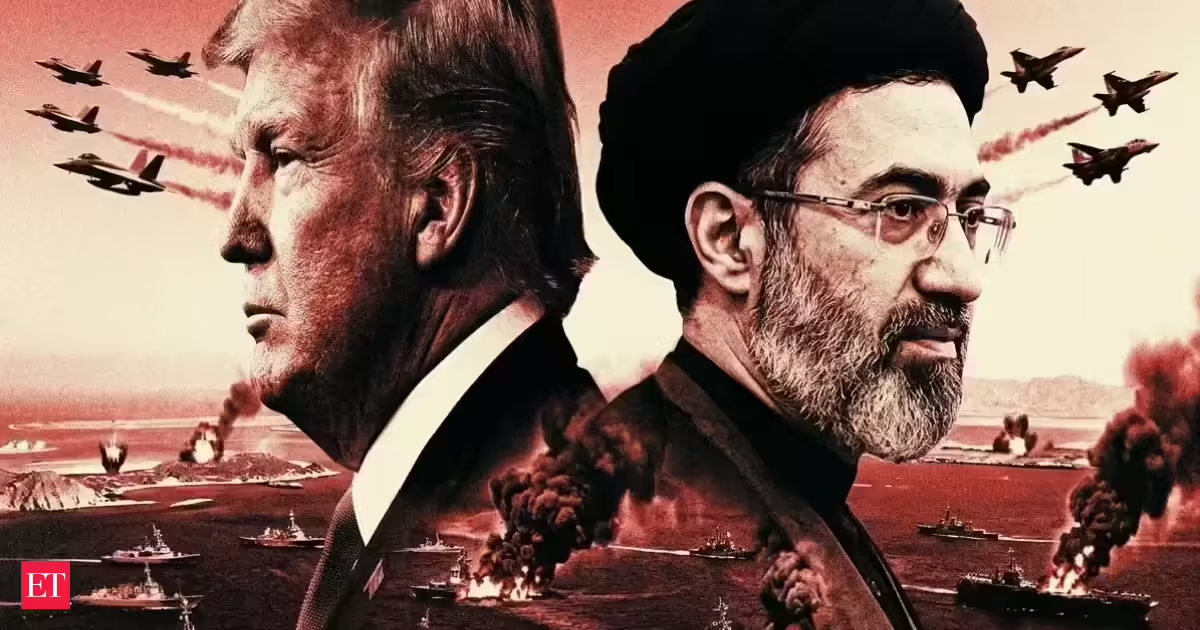
WASHINGTON: The interim deal between the United States and Iran is supposed to usher in a two-month period that would address the most divisive issue between the longtime adversaries — Tehran’s nuclear program.
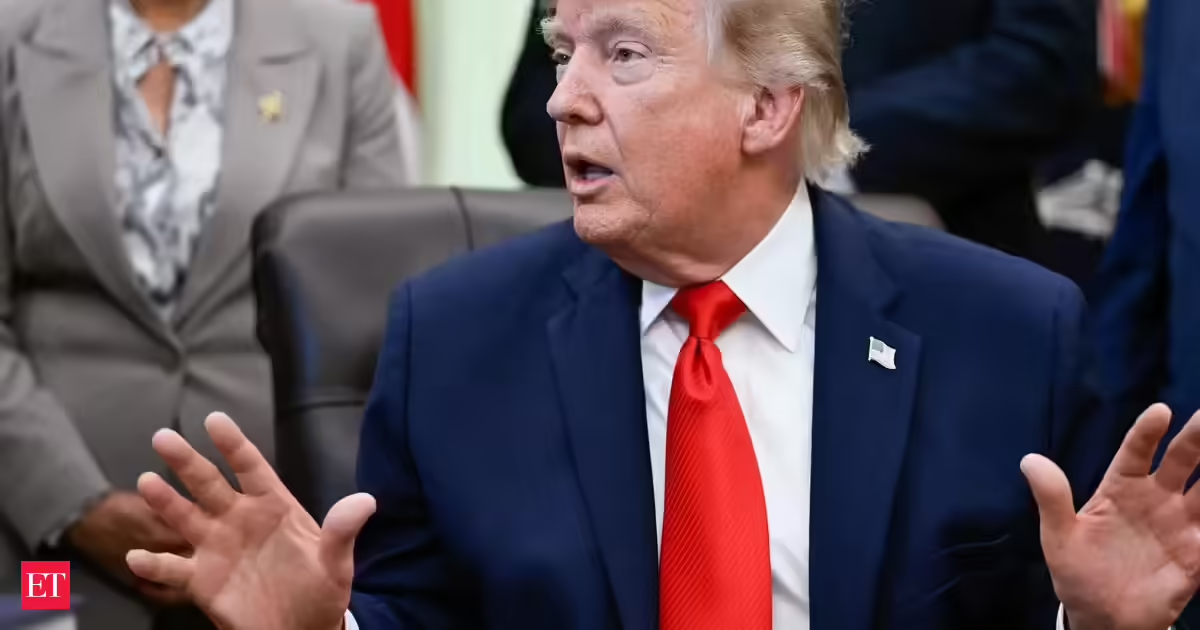
Preventing Iran from attaining a nuclear bomb is a key reason that President Donald Trump said he launched the war alongside Israel in February, but the tentative agreement he has trumpeted leaves little runway to negotiate the long-running sticking point. The previous nuclear pact between Iran and world powers, from which Trump pulled the US in his first term, took many months to negotiate.
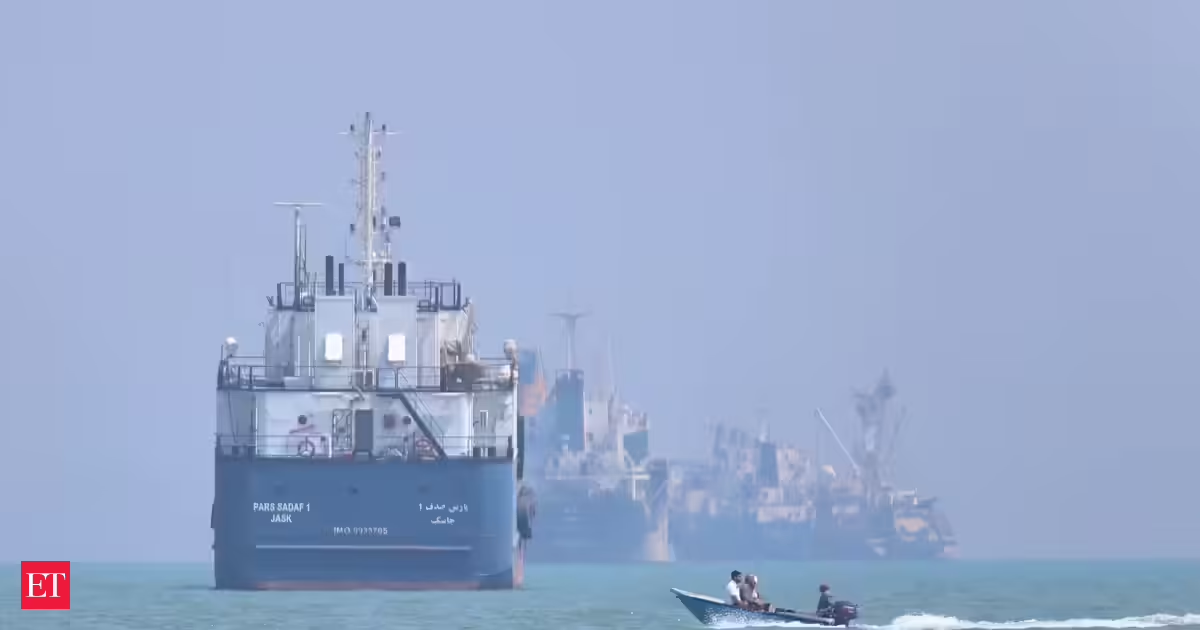
Under terms of the initial deal, Iran would immediately take steps to reopen the Strait of Hormuz to global oil shipments and would be allowed to sell its oil without restrictions, senior US officials said Wednesday.
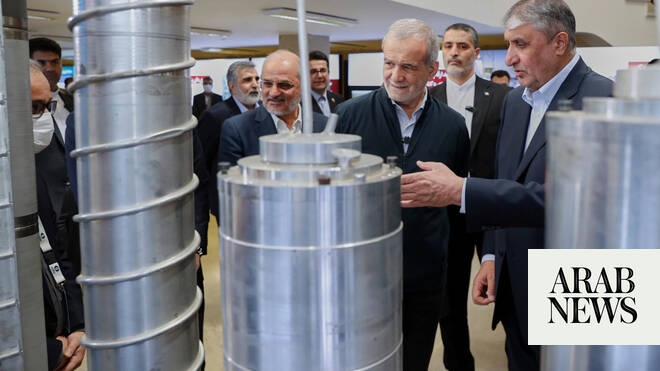
The accord, due to be officially signed Friday in Switzerland, also envisions Iran receiving at least $300 billion to rebuild after the war and says the US would work to end all American and UN sanctions imposed on Tehran. That is if a final agreement addressing Iran’s nuclear program is reached after the opening of a 60-day period for talks. The draft says the sides agreed to resolve “the disposition” of Iran’s highly enriched uranium during that period.