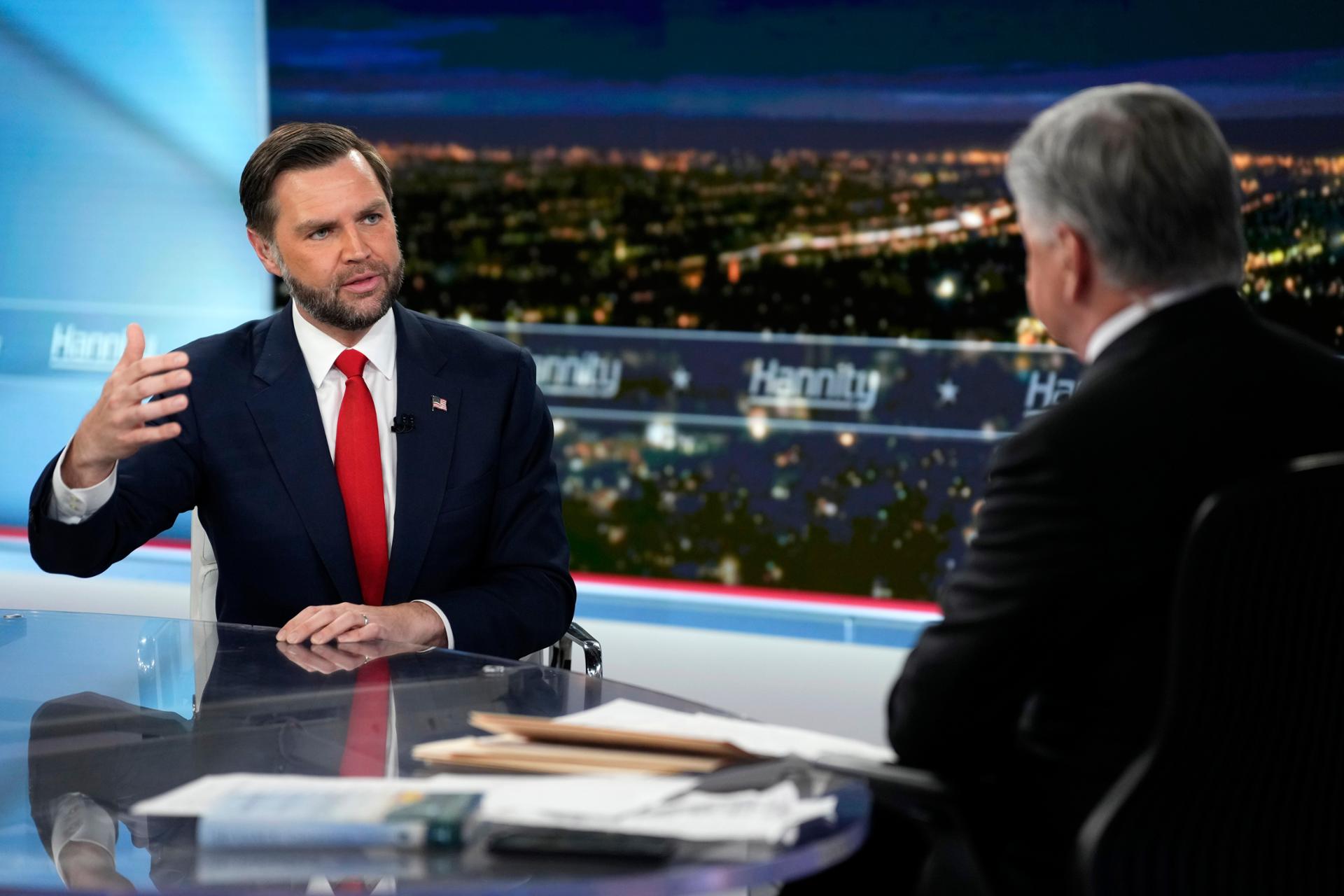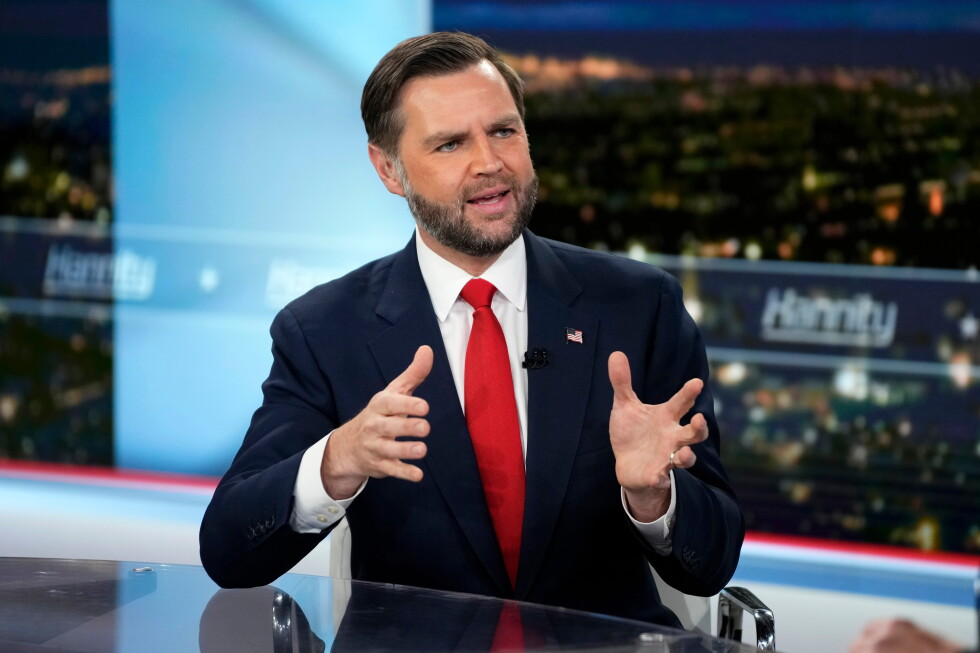
Vice President JD Vance appears on “Hannity” on Monday, June 15, 2026, in New York. (Photo by Charles Sykes/Invision/AP)
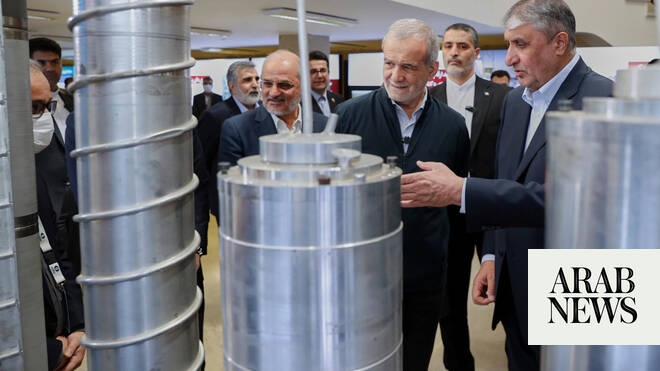
WASHINGTON (AP) — The interim deal between the U.S. and Iran is supposed to usher in a two-month period that would address the most divisive issue between the longtime adversaries — Tehran’s nuclear program.
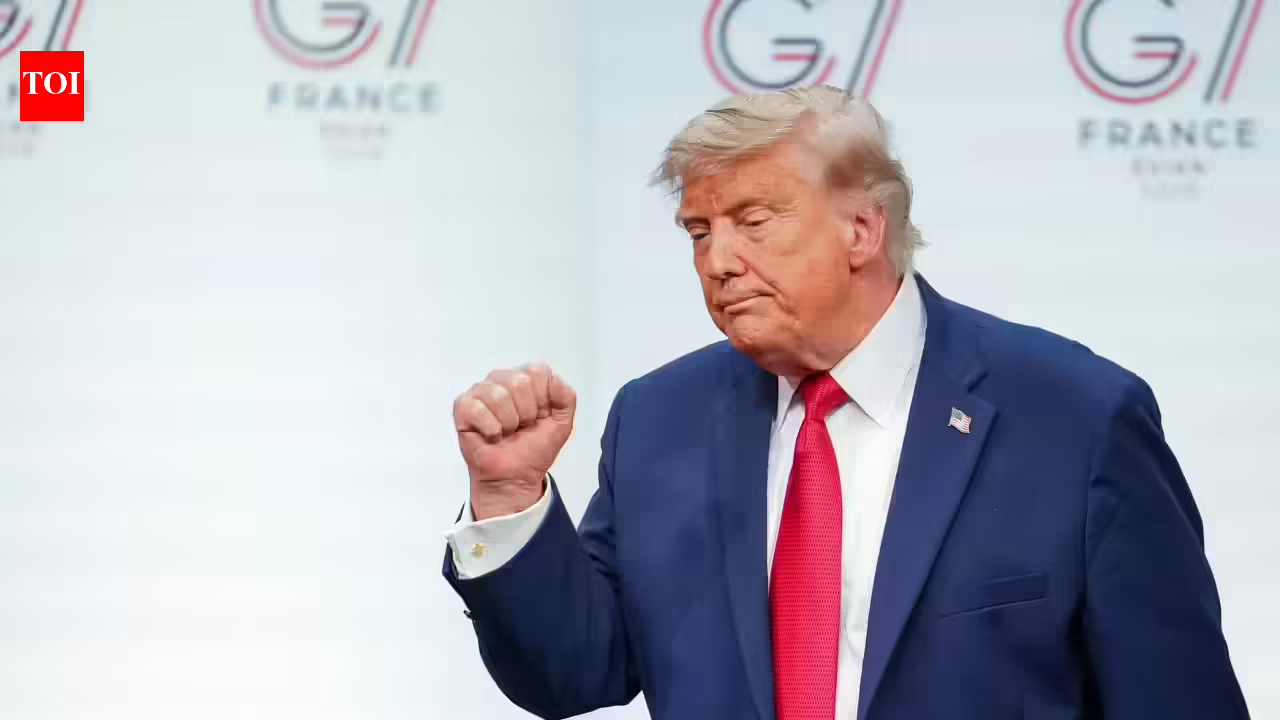
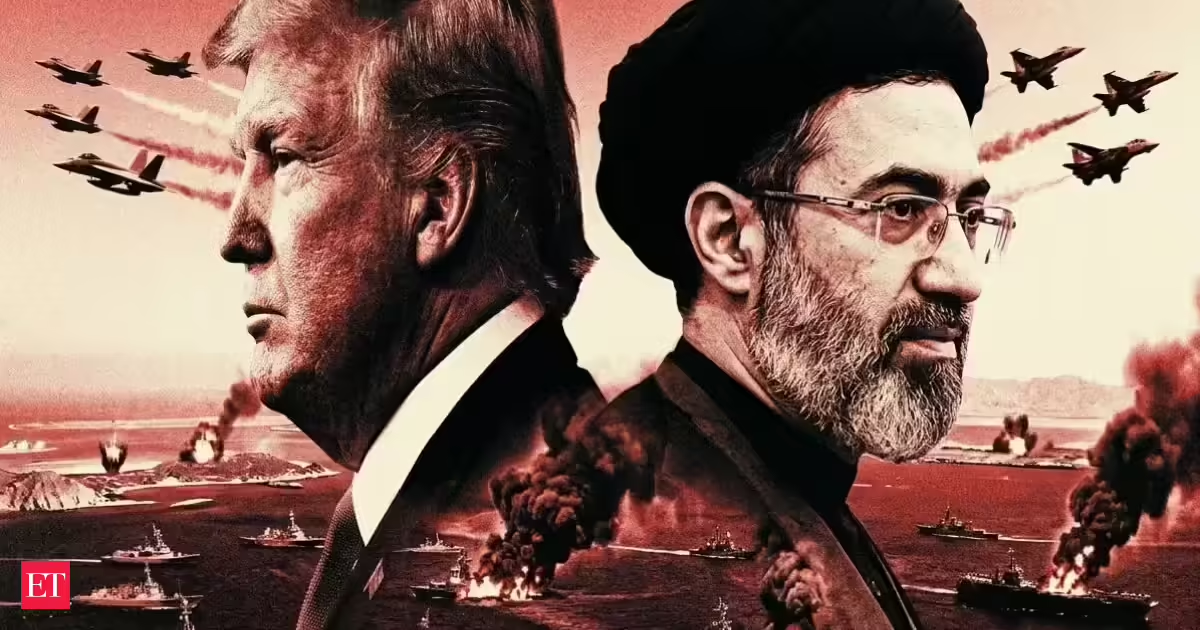
Preventing Iran from attaining a nuclear bomb is a key reason that President Donald Trump said he launched the war alongside Israel in February, but the tentative agreement he has trumpeted leaves little runway to negotiate the long-running sticking point. The previous nuclear pact between Iran and world powers, which Trump pulled the U.S. from in his first term, took many months to negotiate.
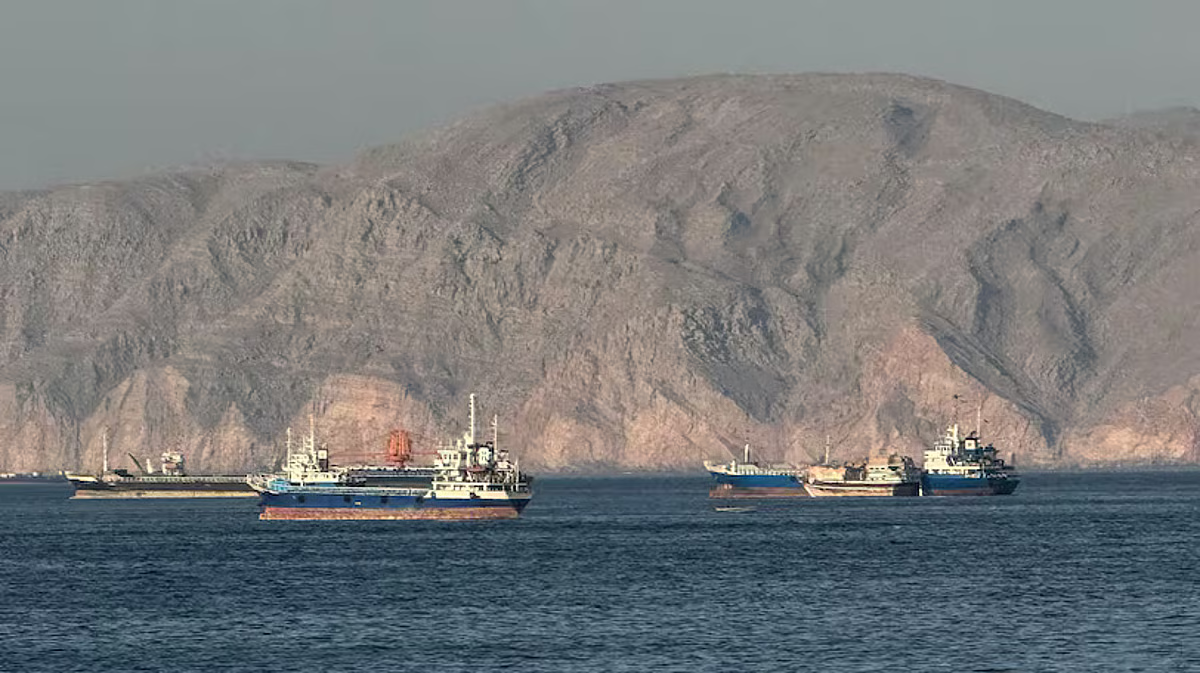
Few details have been publicly released about the initial deal, set to be officially signed Friday in Switzerland, but it generally calls for reopening the Strait of Hormuz to global oil shipments, financial incentives for Iran if it meets certain benchmarks, and a 60-day period for talks on ending the country’s nuclear program.
There is deep skepticism among both Republican and Democratic lawmakers, pro-Israel advocates and Israel itself that the deal is realistic, workable or would have any effect on nuclear talks.