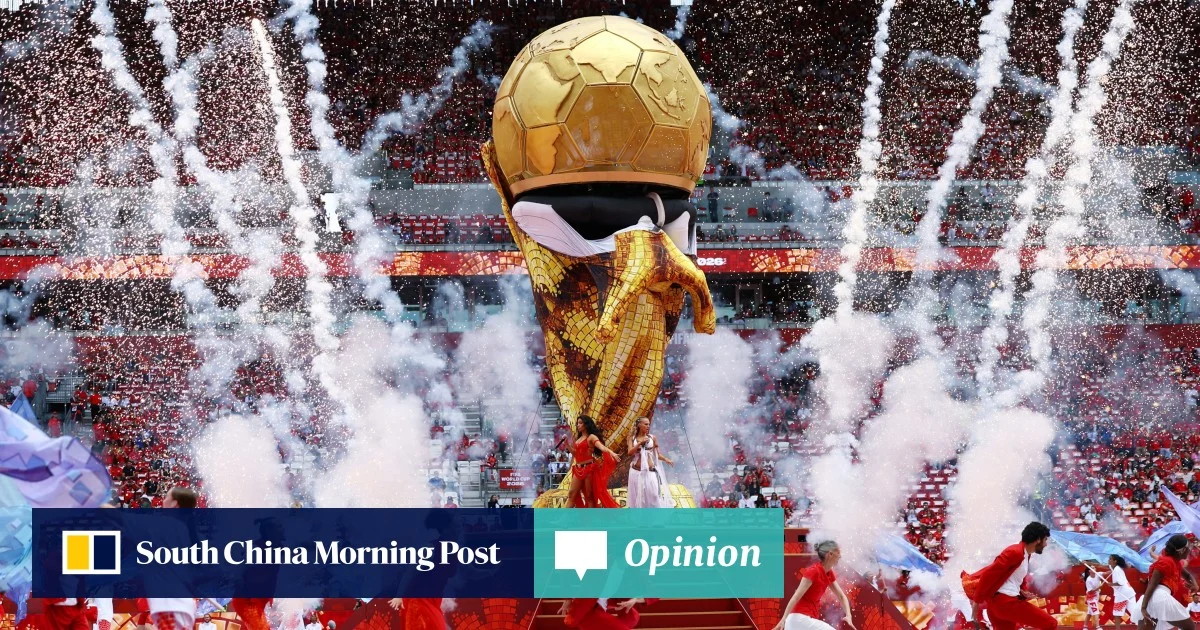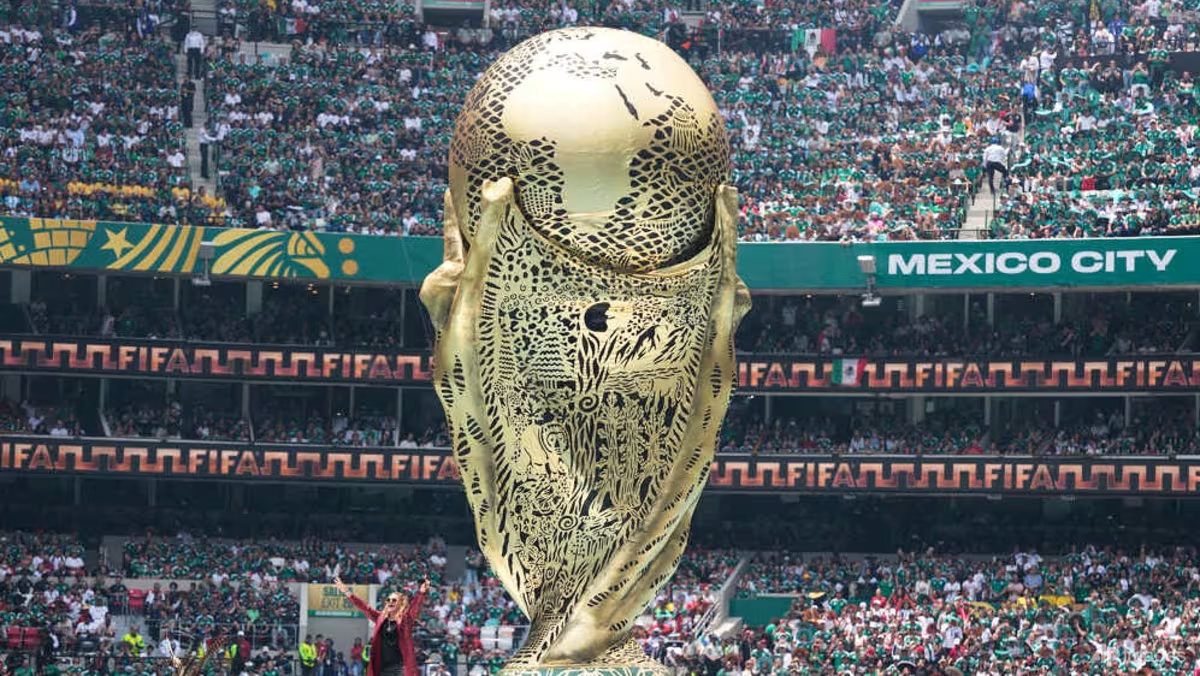
International co-operation is under threat from the rise of ethno-nationalism, and global institutions are losing credibility. The World Cup’s status as the biggest entertainment event on Earth has created what may be an illusion: that this is one of only a few cosmopolitan enterprises that can rise above the forces of parochialisation. But the cracks in that façade seem to be growing, which makes us wonder: could this be the last World Cup?
It might sound preposterous, but bear with us. The tournament at first thrived, at least in part, because it represented an outstanding vehicle for the political agenda of national governments. Mussolini’s 1934 World Cup and the one hosted by the Argentine junta in 1978 are among the more notorious cases. Even benign examples such as France in 1998 or Germany in 2006 were successes largely because they aligned with national agendas: in France’s case, promoting multiculturalism; in Germany’s, unification and a new, cuddlier patriotism. FIFA itself has long advanced its own political agenda, whether by strong-arming Japan and South Korea to co-host in 2002 or engineering the first African World Cup in 2010.
De redactie van NRC selecteert de beste artikelen uit The Economist voor een breder perspectief op internationale politiek en economie.