Commentary
The 2026 World Cup seems to be an opportunity lost from a sports diplomacy and soft power perspective, says this academic.
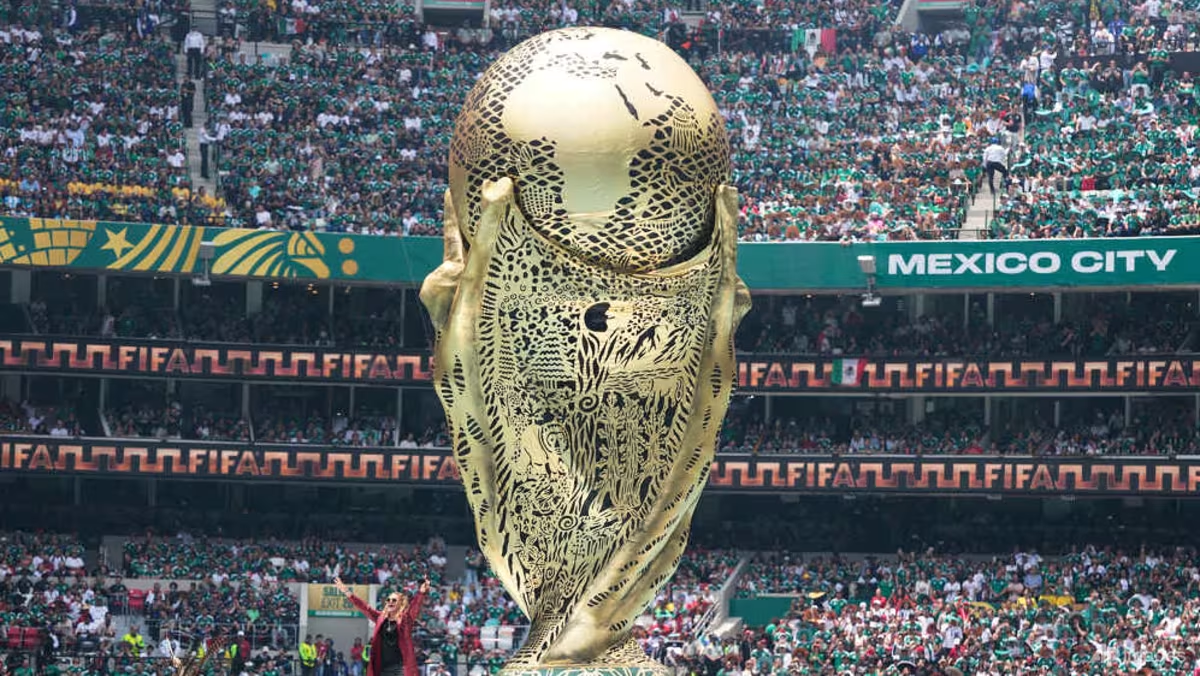
Fher Olvera, lead singer of Mexican pop rock band Mana performs before the start of the World Cup Group A soccer match between Mexico and South Africa in Mexico City, Thursday, June 11, 2026. (AP Photo/Natacha Pisarenko)
13 Jun 2026 06:00AM
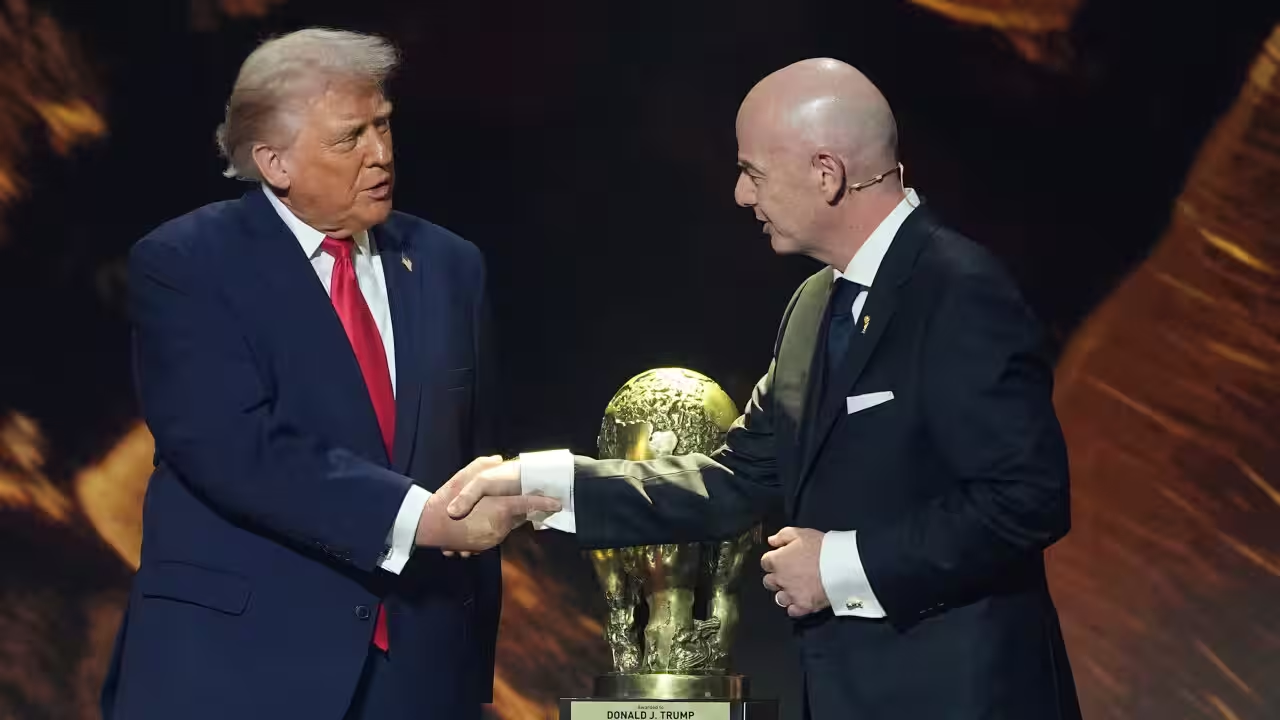
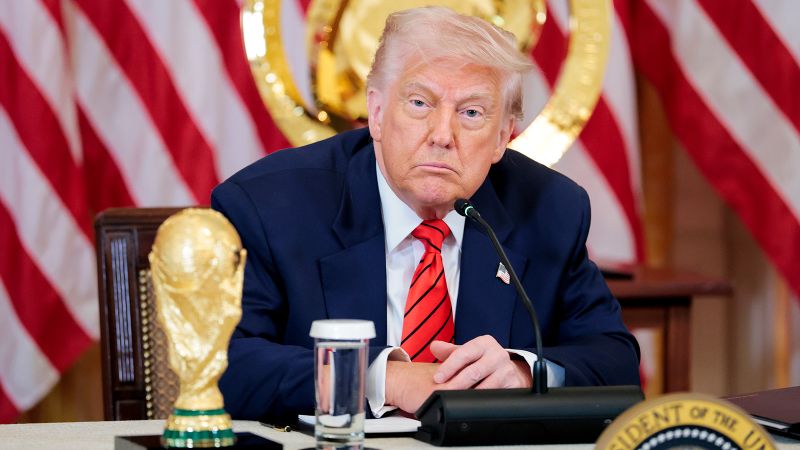
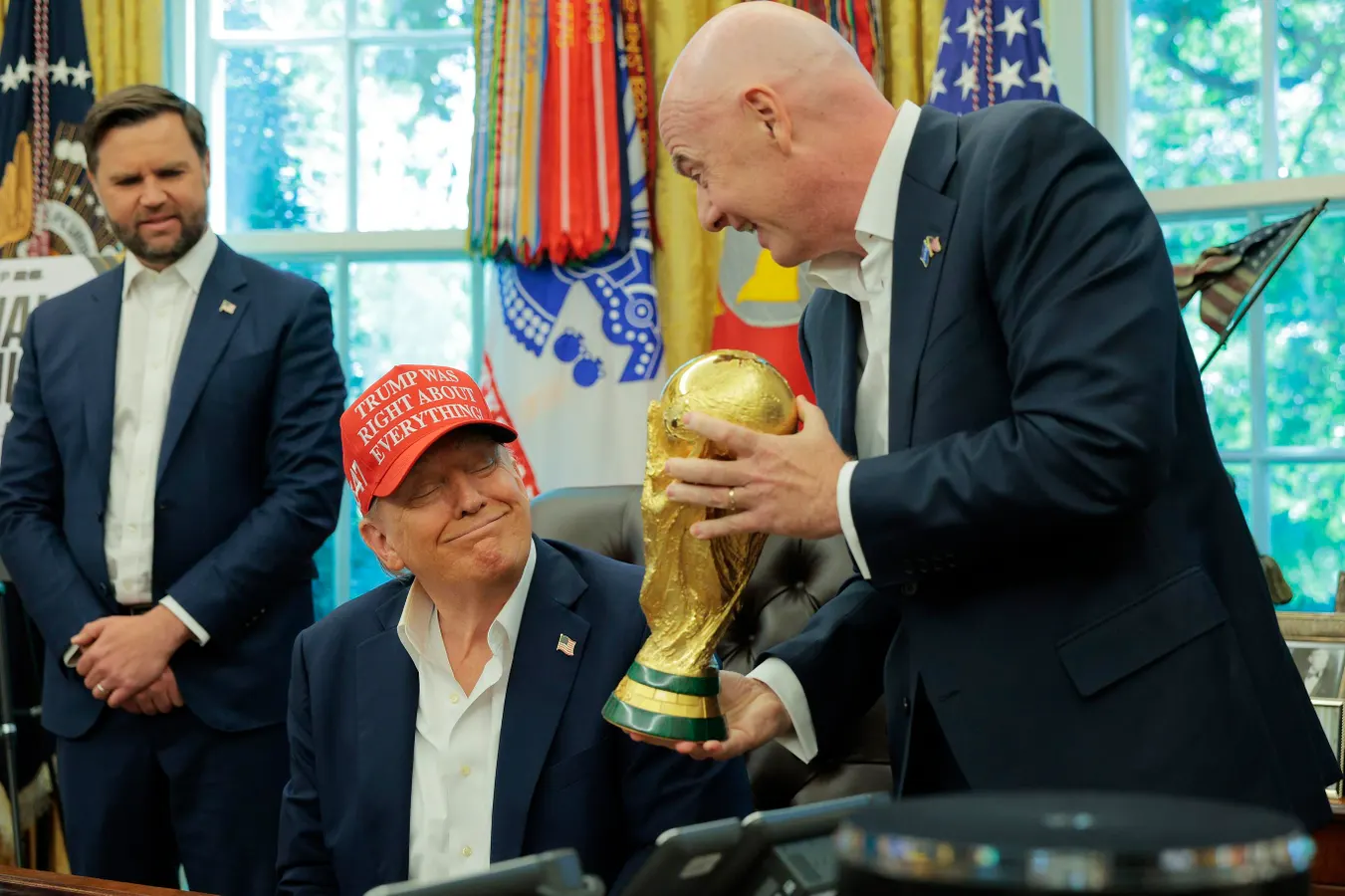
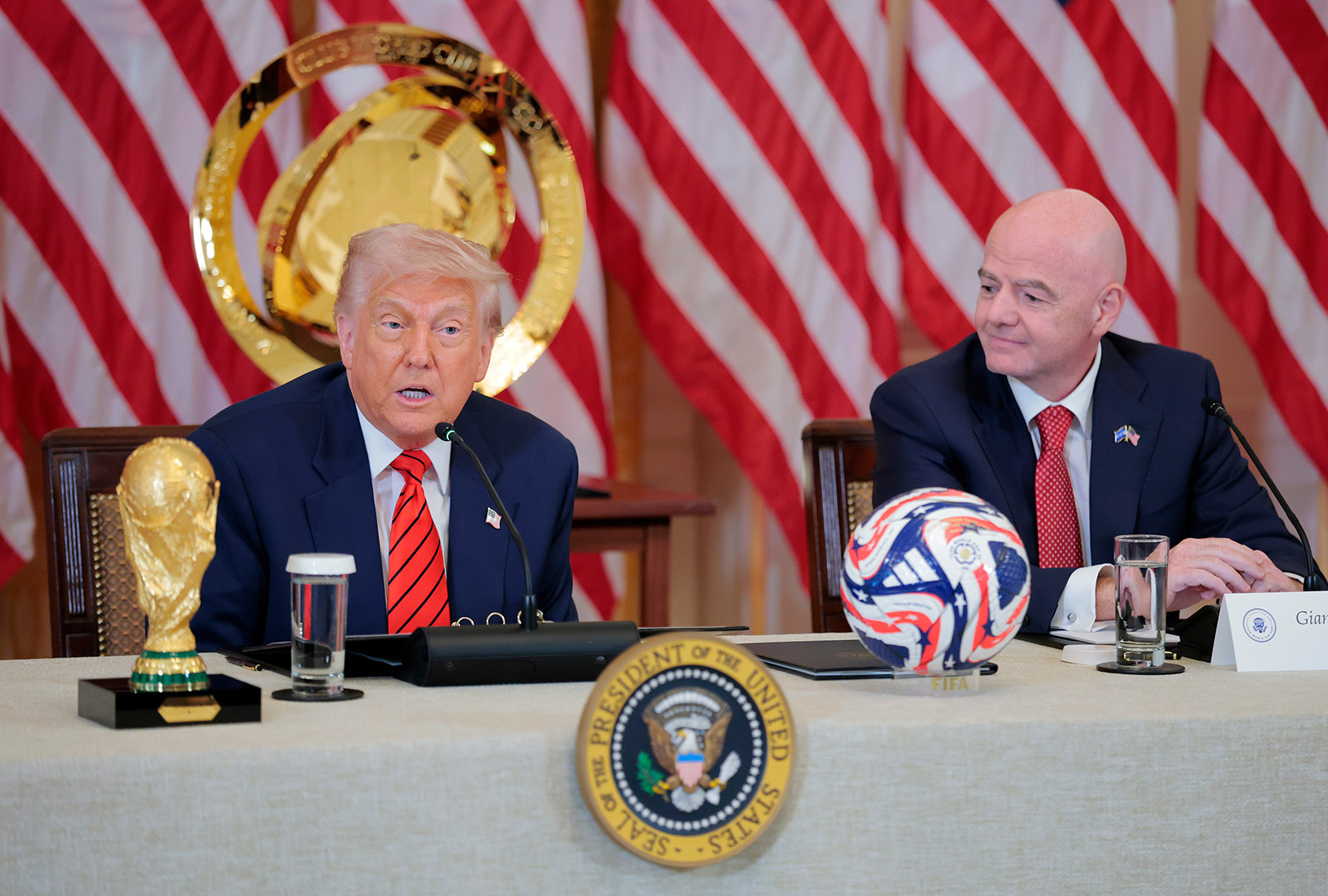
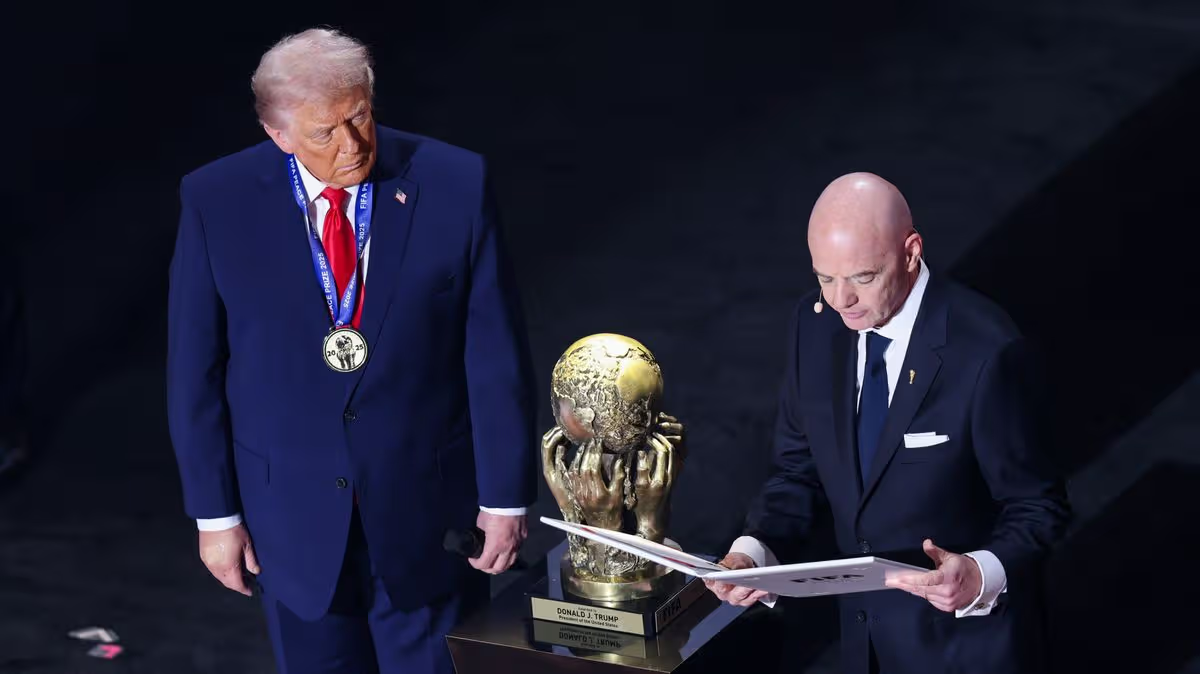
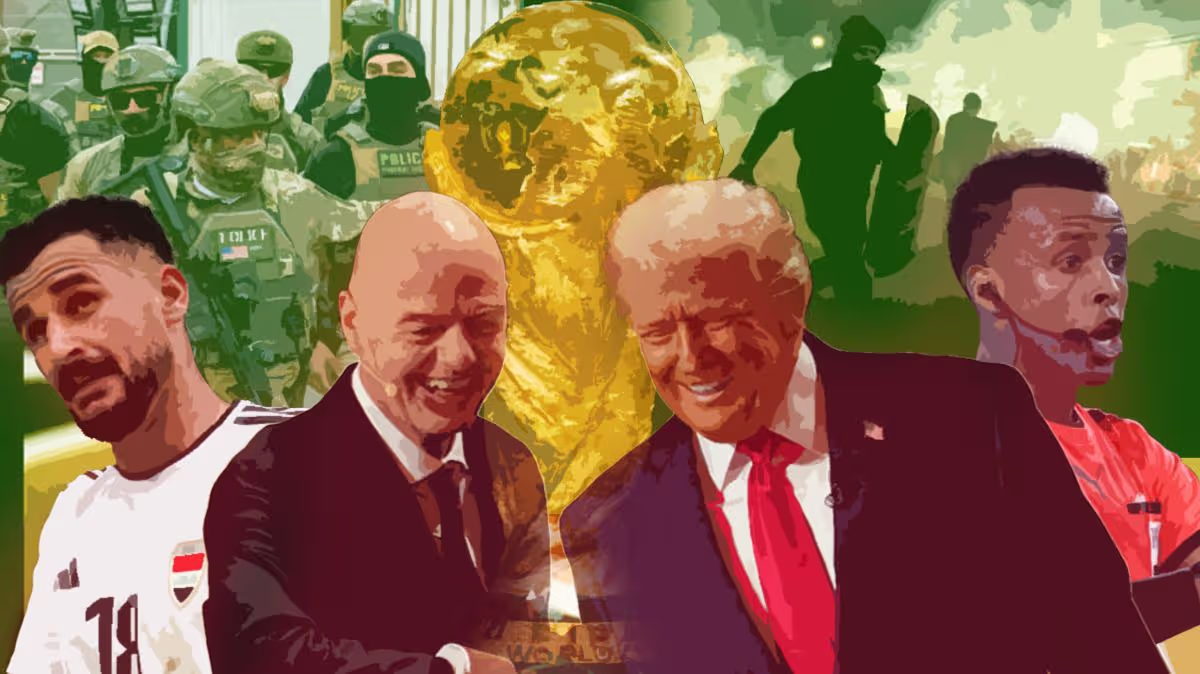
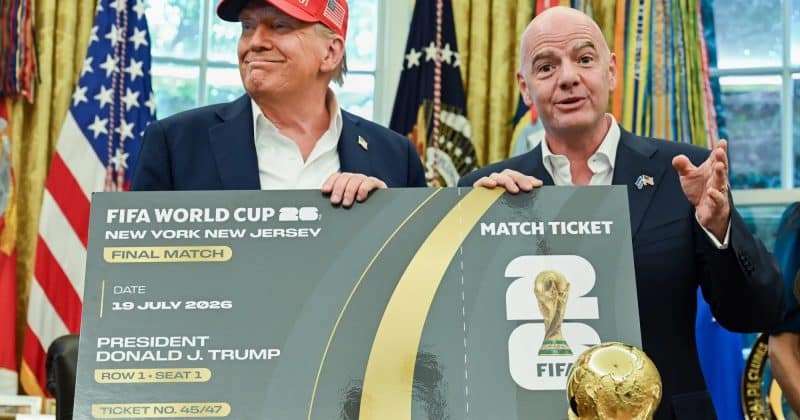
BRISBANE: For football fans, the FIFA World Cup is so much more than sport. Every four years, it presents a unifying moment - bringing people together across the divides of language, culture and geography in a shared passion for the game.For hosting nations, the World Cup is often a soft power supercharger. Watched by billions of people around the globe, it is a prime opportunity to showcase one’s country, culture and values.This is all part of what’s known as sport diplomacy, or in this case “football diplomacy”. Beyond the trophies, governments invest in football to “win” off the pitch, too, in terms of fostering better relations, courting investment and earning global prestige.There’s no question the United States could use a boost like this at the moment after 18 months of Donald Trump’s polarising leadership.