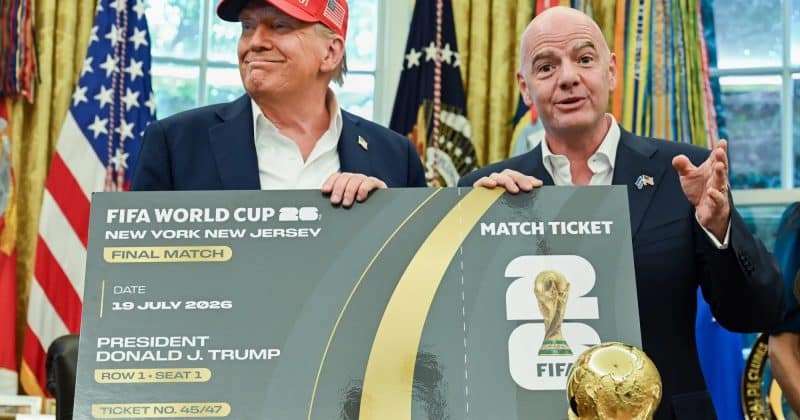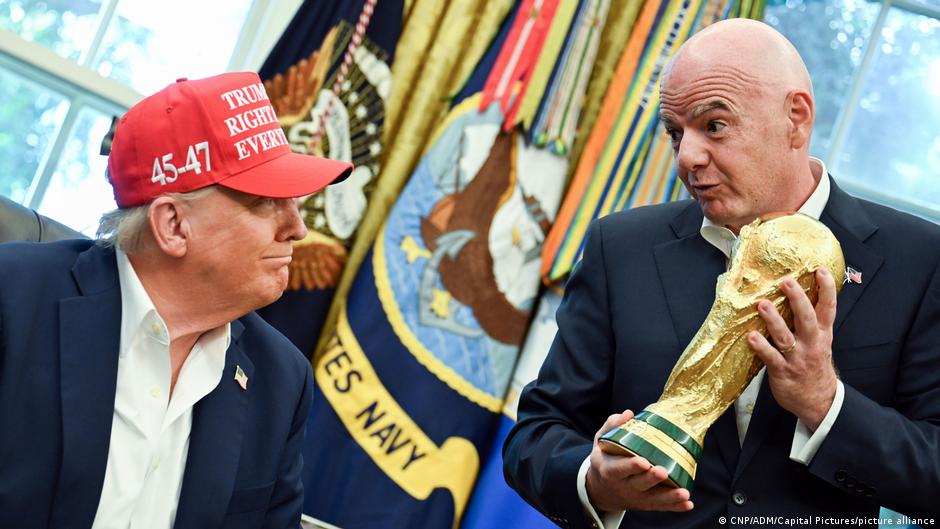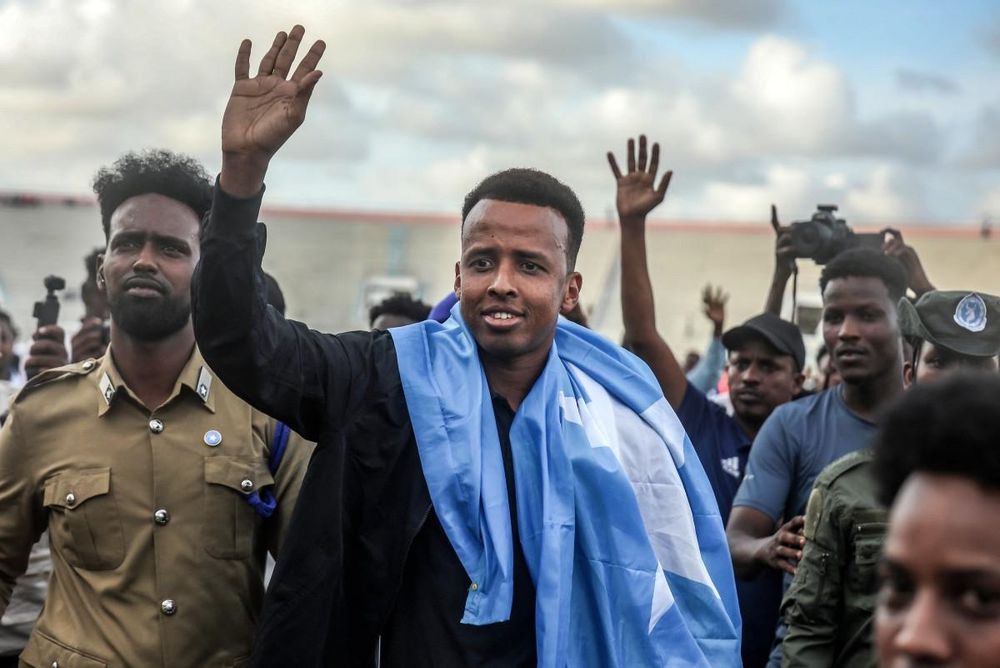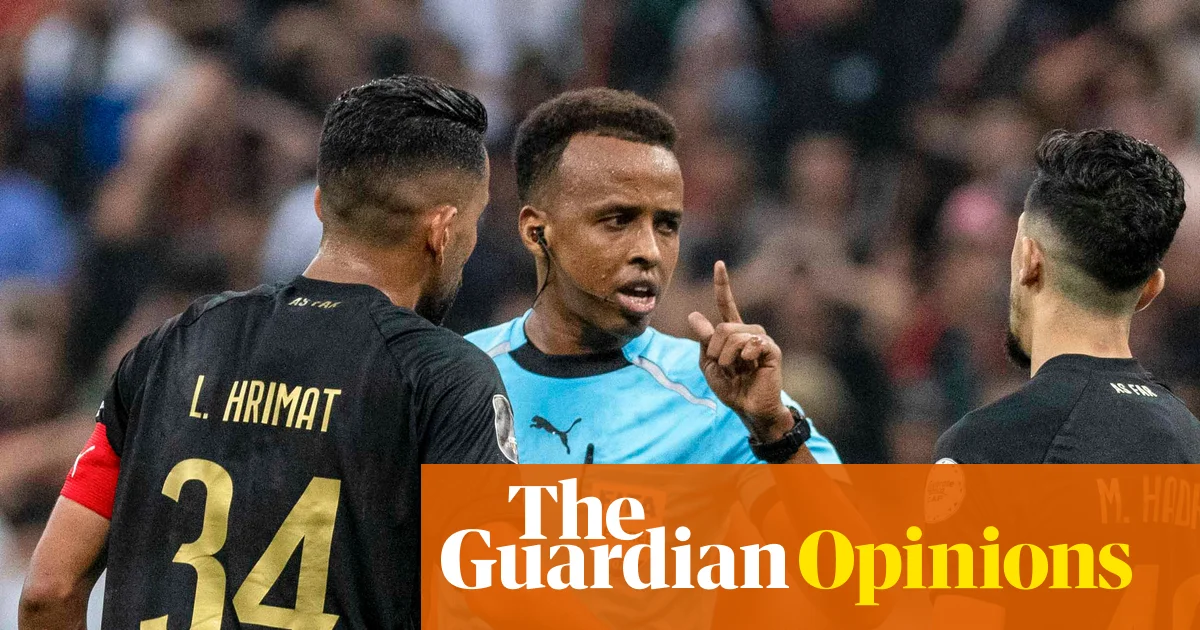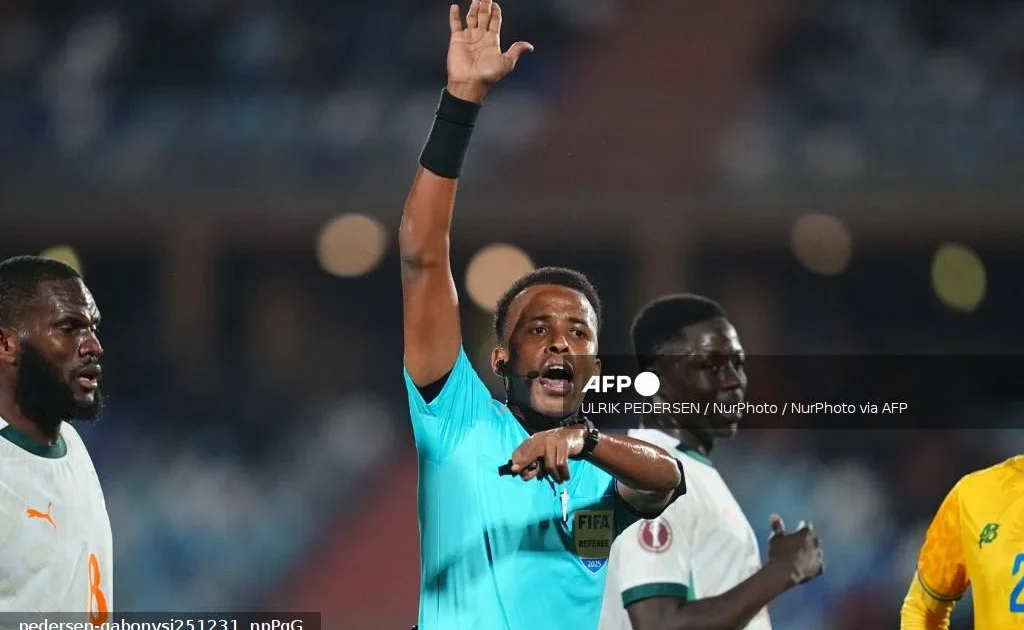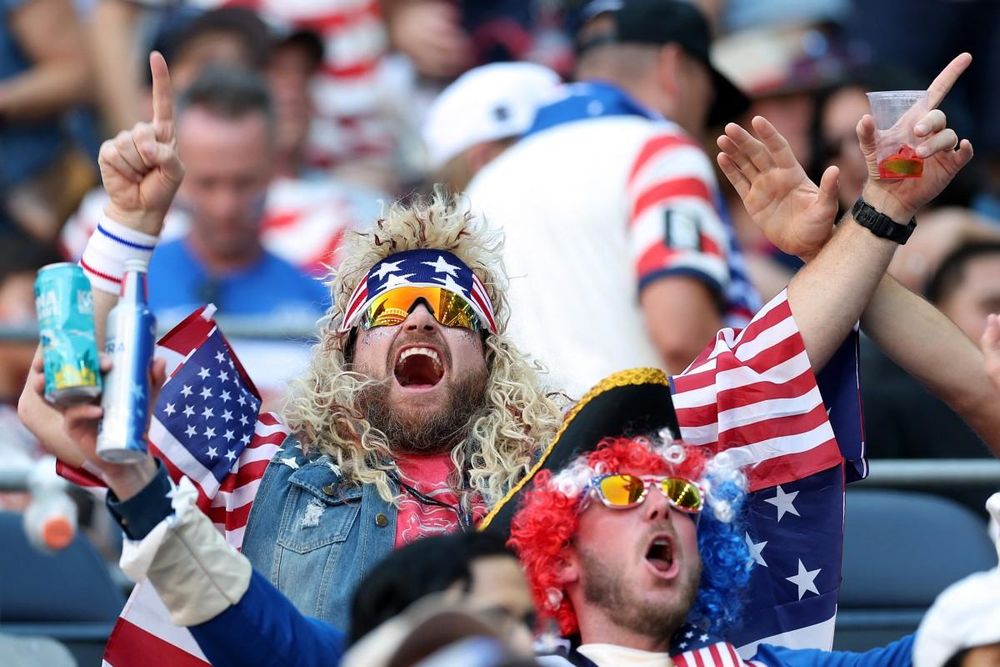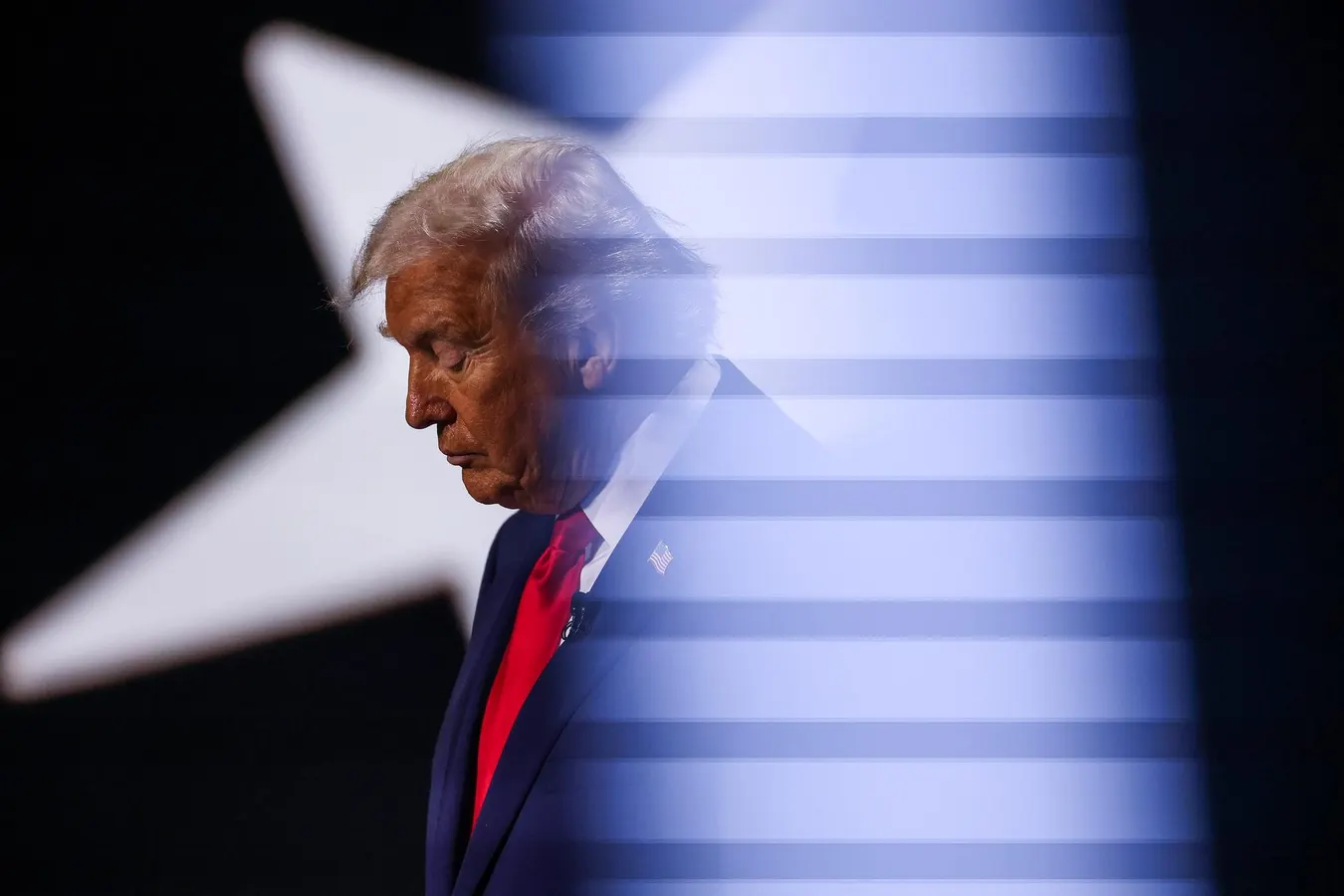
WASHINGTON, DC - DECEMBER 05: U.S. President Donald Trump looks on during the FIFA World Cup 2026 Official Draw at John F. Kennedy Center for the Performing Arts on December 05, 2025 in Washington, DC. (Photo by Patrick Smith/Getty Images)Getty ImagesJust days before the World Cup is due to start, Somali referee Omar Artan — voted best referee in Africa for 2025 —can’t enter the United States.U.S. government officials say that they received derogatory information about Artan, which included suspected associations with the militant group Al Shabab.Perhaps we shouldn’t be surprised by the referee’s exclusion from the U.S.; after all, over the last couple of years, President Donald Trump has described the East African nation as being “a shithole country” whose gangs he characterized as being “foreign terrorist organisations”.Trump has also referred to Somali immigrants as “garbage” who “contribute nothing”, while U.S. armed forces last year targeted militants in multiple airstrikes in Somalia. There are some parallels with the 1966 World Cup, when the host nation, England, initially refused to grant visas to the North Korean squad due to the absence of diplomatic relations between the two countries. MORE FOR YOUFootball’s global governing body, FIFA, intervened by threatening to move the tournament, if a qualifying nation was barred entirely. This resulted in a compromise whereby North Korea was allowed to participate, though the use of its national anthem was restricted.FIFA has stepped back from making such interventions today, although the world in 2026 is far more complex and sensitive, with states increasingly using sport for political purposes, especially during this intense period of war, unrest and instability. Indeed, in his book, ‘The Weaponisation of Everything: A Field Guide to the New Way of War’, academic Mark Galeotti notes how global powers are moving battlefields into everyday life.Globalization and digitalization nowadays mean that everything is connected, from the military aircraft used to bomb Somalia’s Golis Mountains in 2025 to one of the country’s World Cup officials being detained at Miami airport in 2026. The Intersection Of Geopolitics And Sport What this summer’s World Cup is increasingly doing is to raise global awareness of just how weaponized sport has become.But it isn’t just matchday officials who are being barred from entering the U.S. or having their movements restricted. Iranian soccer officials and fans have been barred from entering America.Furthermore, Iran’s national team has felt compelled to move its training camp to Mexico, officials claiming that players felt unsafe residing in the U.S.One inference of this move is that weaponization is a two-way street – Iran scoring points globally by making such a statement about America. Galeotti explains that in a weaponized world, there is permanent chaos and constant battles, something that chimes with what is unfolding at the World Cup.He notes that no country has permanent friends, which may help explain why Uzbekistan’s national team and its fans have faced unusually stringent security checks upon entering the U.S., despite Donald Trump stating that it is a “smart country that runs a great operation and has done very well."Similarly, Moroccans are asking themselves why some of their national team’s fans are struggling to secure access to the U.S.Thanks to Donald Trump and his relationship with the king of Morocco, the two countries have, of late, been drawing closer, with the administration in Washington even supporting the government in Rabat’s territorial claims to Western Sahara.This hasn’t stopped U.S. officials from denying entry to fans from the North African nation.Morocco’s appearance at the last World Cup, in Qatar, was notable for both the team’s on-field performances and the soft power it helped the country accumulate.Soft Power And SportSoft power is attractive power, a means of engaging global audiences, building legitimacy and promoting trustworthiness, which the country demonstrated in abundance as family members joined national team players on the pitch after each game, whilst the Arab world coalesced around Moroccan success.But the word ‘power’ needs to remain prominent when thinking about the niceties of making friends and influencing people. Indeed, U.S. scholar Joseph Nye characterizes the projection of soft power as a way of getting others to want the outcomes you want by utilizing culture and values.In other words, soft power is another form of weaponization.Even before the tournament started, countries were playing soft-power games, trying to shape global perceptions and attitudes towards them, as illustrated by the England national team’s squad announcement. Using a Beatles motif, the English drew on their reserves of cultural capital to boost the country’s attractiveness at a time when the country’s citizens have an acute sense of losing their place in the world.The French, the Americans and others have also turned to fashion as a means of projecting cultural values and national ambitions through collaborations with prominent fashion brands from their respective nations.George Orwell famously described national team football as war minus the shooting, believing the sport was driven by nationalism, hatred, and a desire for prestige rather than by fair play or goodwill.Mark Galeotti might well agree, as might all the people who are finding themselves denied entry to or excluded from the world’s biggest sporting event.
How U.S. Entry Bans Are Turning the 2026 World Cup Into a Political Battleground
Instead of being a celeberation of soccer, this summer's World Cup has become a geopolitical battlefield upon which contests for power and influence are being played out.
848 words~4 min read