Money, it is often said, has ruined football. Staging the men’s World Cup mostly in America, a country that has produced so many great businessmen and so few good footballers, was supposed to mark the triumph of big business over the beautiful game. True, the ticket prices are extortionate. And the tournament often feels like a Silicon Valley conference circa 2016: this year referees have cameras strapped to their heads and each player has his own „digital twin”, whatever that means.
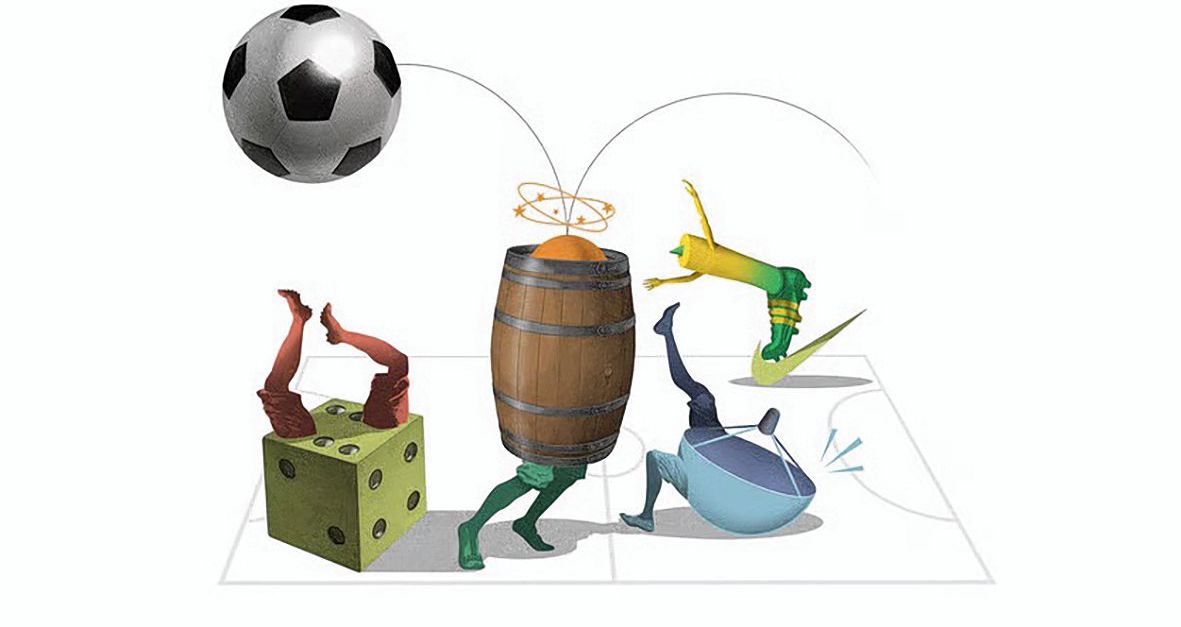
Yet despite the pretences of the tournament’s organisers the business of World Cup football is a simple one, and a struggling one. The retailers, television stations, brewers and betting houses that make up capitalism’s starting XI are an ageing and injury-prone lot. For some, this could even be their last tournament.
De redactie van NRC selecteert de beste artikelen uit The Economist voor een breder perspectief op internationale politiek en economie.
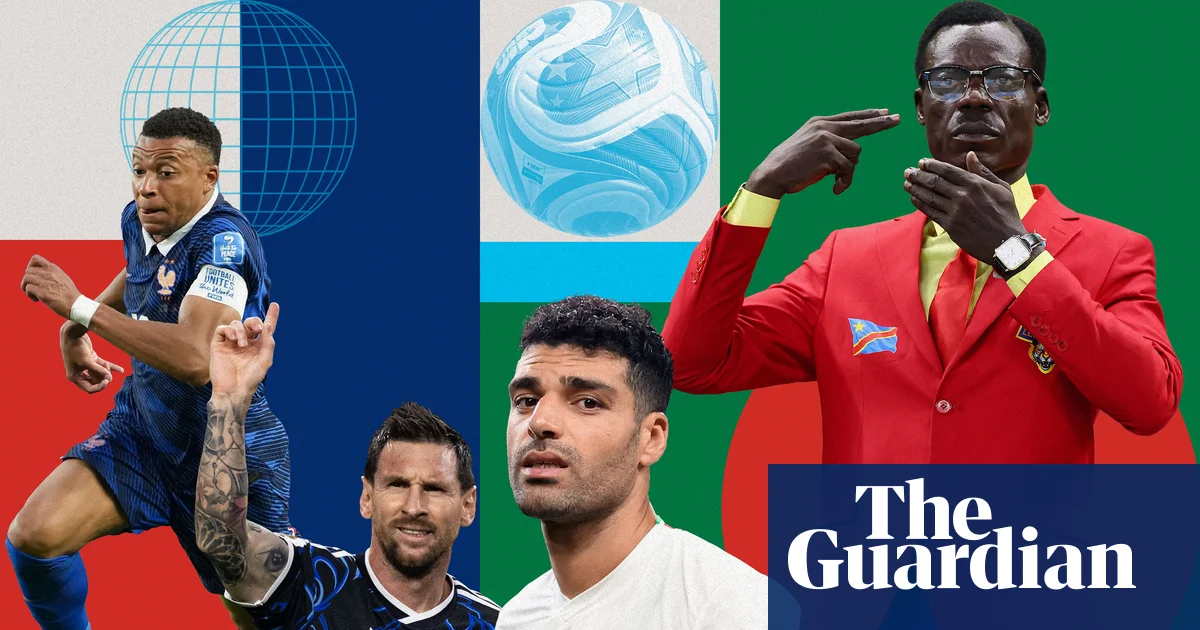
That the world’s greatest sporting event has become a carnival of condemned companies is most visible on the pitch. On their left breast, players proudly wear their national badge; on their right, logos of faltering sports brands. Nike has dressed 12 of the 48 teams at this year’s competition, fewer than Adidas (14) and slightly more than Puma (11). The rest rely on faded giants (the Democratic Republic of Congo is the only customer of Umbro, a British brand that once outfitted more teams than any other) or local ateliers (Iran’s team is kitted out by Majid, a firm which shares its name with the country’s short-range missile-defence system).