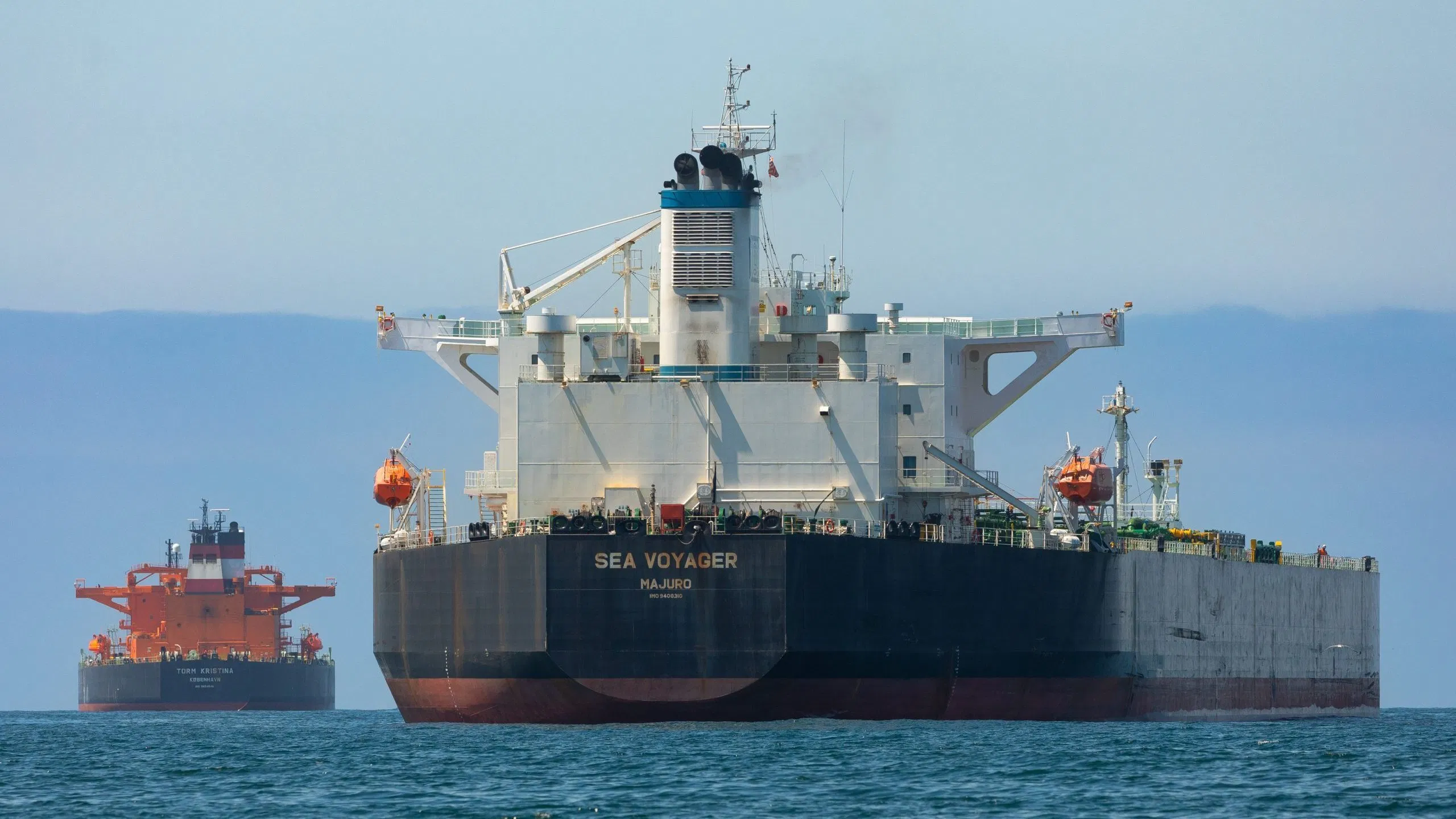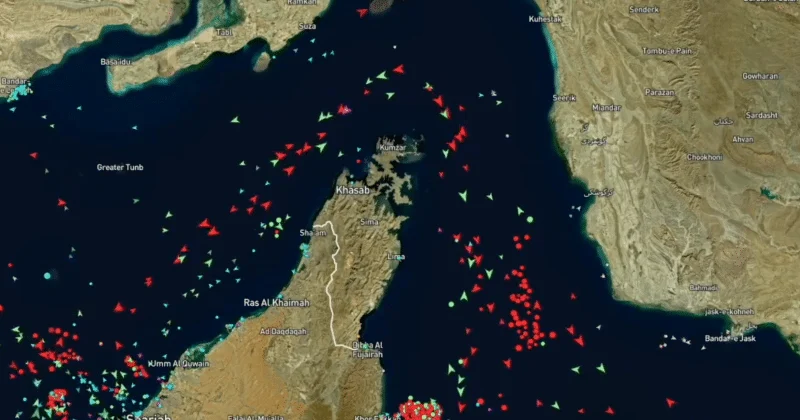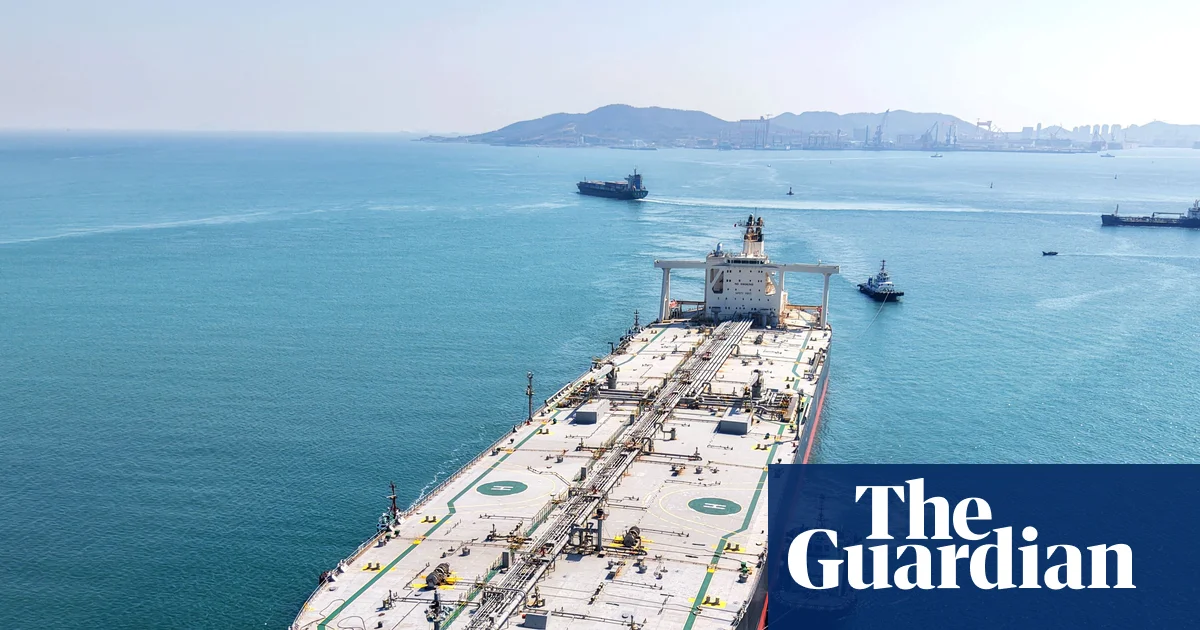
Oil supplies could normalise and prices fall below $80 per barrel within two-three weeks if the planned US-Iran agreement is signed on Friday and the Strait of Hormuz is reopened without any restrictions, said executives at Indian refineries.The US and Iran have agreed on a deal, scheduled to be signed on Friday, to end all military hostilities, remove the US naval blockade of the Islamic Republic and reopen the Strait of Hormuz. The two countries have also given themselves another 60 days to conclude negotiations over Iran's nuclear programme. Brent crude fell 5% on Monday to $83 per barrel following the announcement.The Strait is expected to reopen after the signing. "If the US Navy and the Iranian Revolutionary Guards do not play any game and allow the deal to be signed as planned on Friday and implement it fully, the crude oil market will normalise within 15-20 days," said an executive, who did not wish to be identified. "Brent should fall below $80 per barrel."As the Strait reopens, loaded tankers stranded in the Persian Gulf would quickly begin reaching demand centres, he said, adding that producers also have large volumes in onshore storage that they would be keen to ship as soon as possible.For India, proximity to the Gulf region would mean faster access to large volumes of crude, another executive said, pointing out that the country's dependence on long-haul cargoes from the US and Russia could decline.The damage to oil-producing facilities in the Gulf region is not severe and they should return to operation relatively quickly, the executive said. Overall crude supplies from the region would ramp up much faster than many expect, although the same may not hold true for LNG or refined product supplies, he cautioned.Increased production from OPEC+ members, coupled with the return of Iranian supplies, would further ease market tightness and put downward pressure on prices, executives said.The end of hostilities and sanctions on Iran, along with the availability of more tankers, would help sharply reduce freight and insurance rates, they added.Before the war, the Gulf region accounted for 40% of India's crude supplies. After the Iran war began on February 28, supplies from the region fell sharply. While imports from Saudi and the UAE largely recovered after an initial slump, supplies from Iraq, Kuwait and a couple of other producers were hit hard.
Strait path laid for crude prices to travel downward
Indian refinery executives anticipate oil prices falling below $80 per barrel within weeks if a US-Iran agreement is signed Friday, reopening the Strait of Hormuz. This deal would end hostilities, lift the US naval blockade, and allow for the swift return of Iranian crude to global markets.
389 words~2 min read