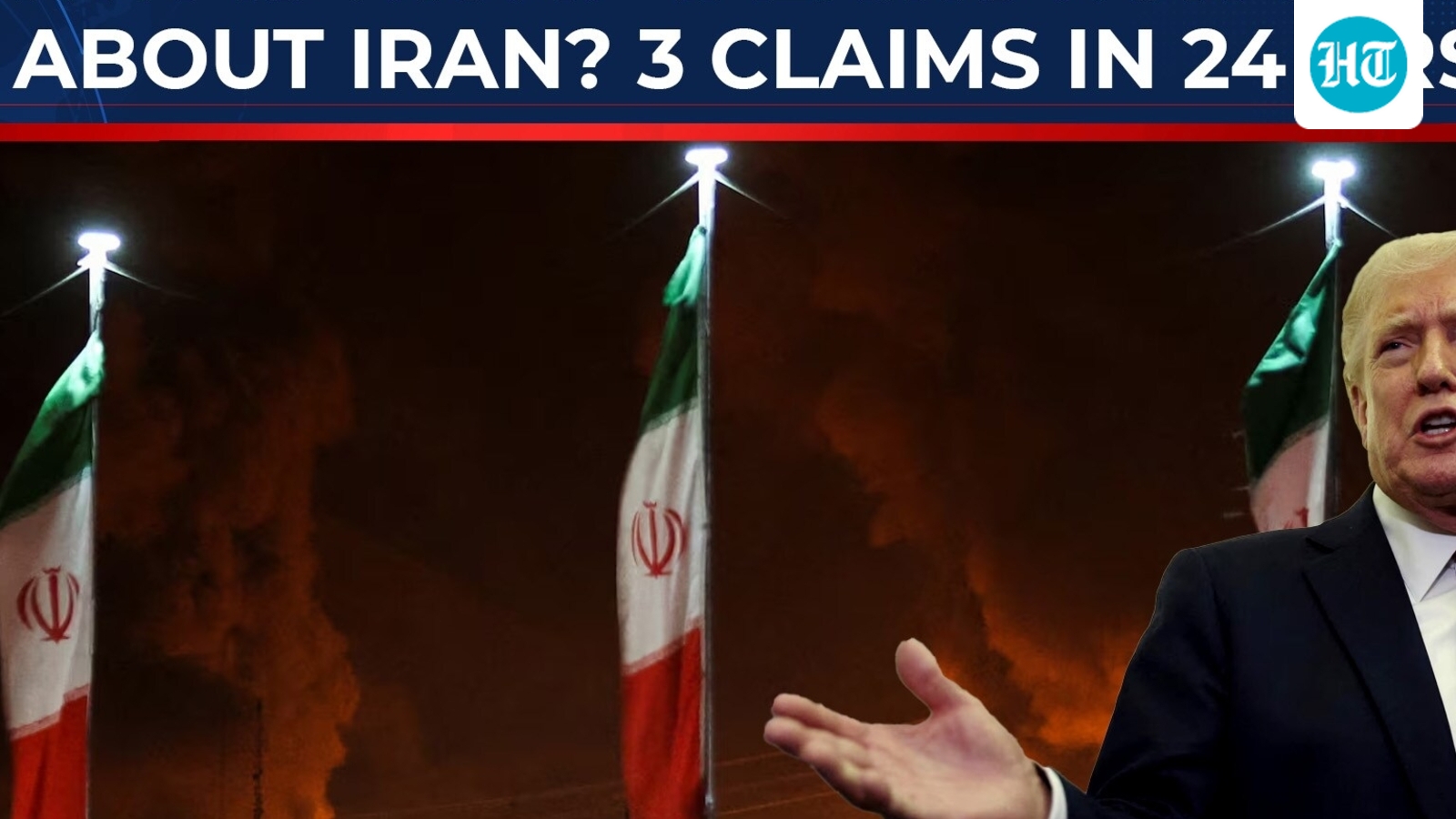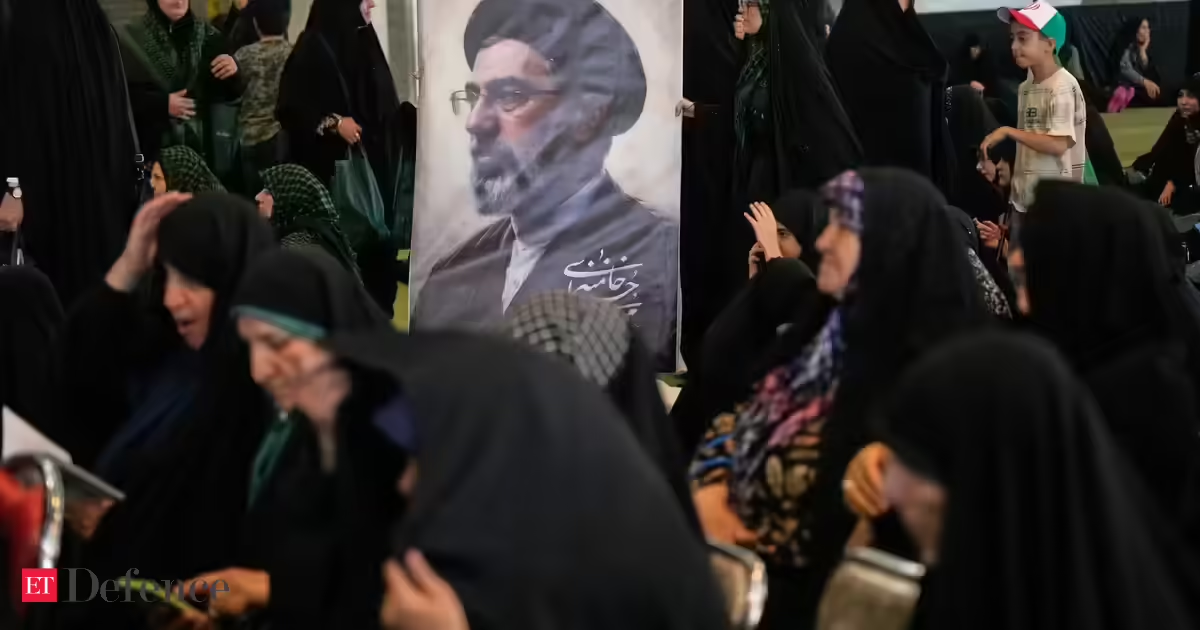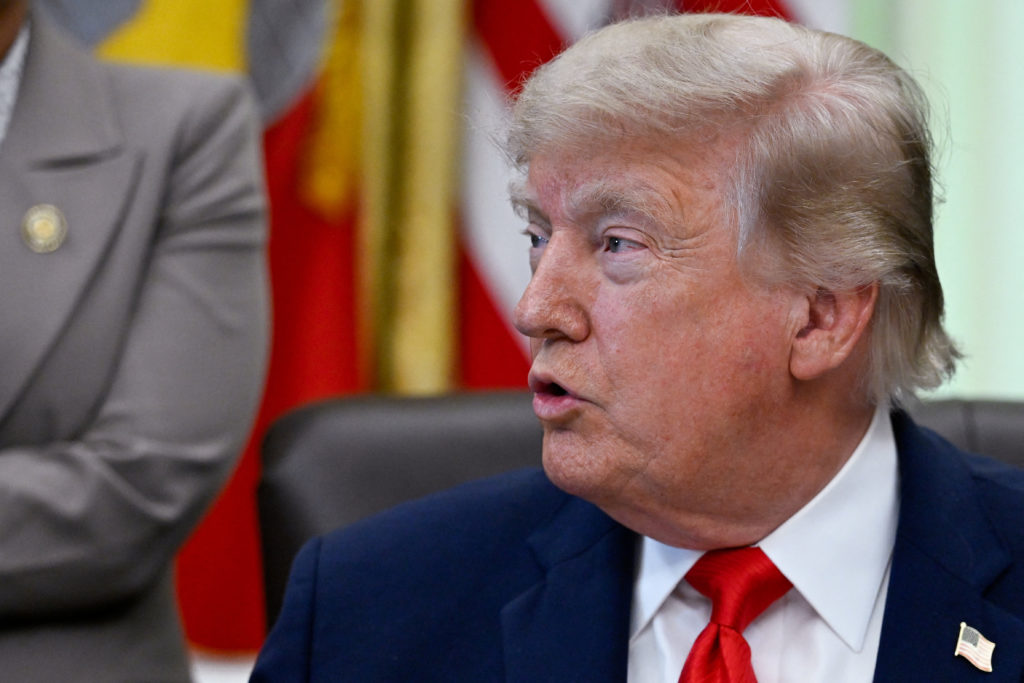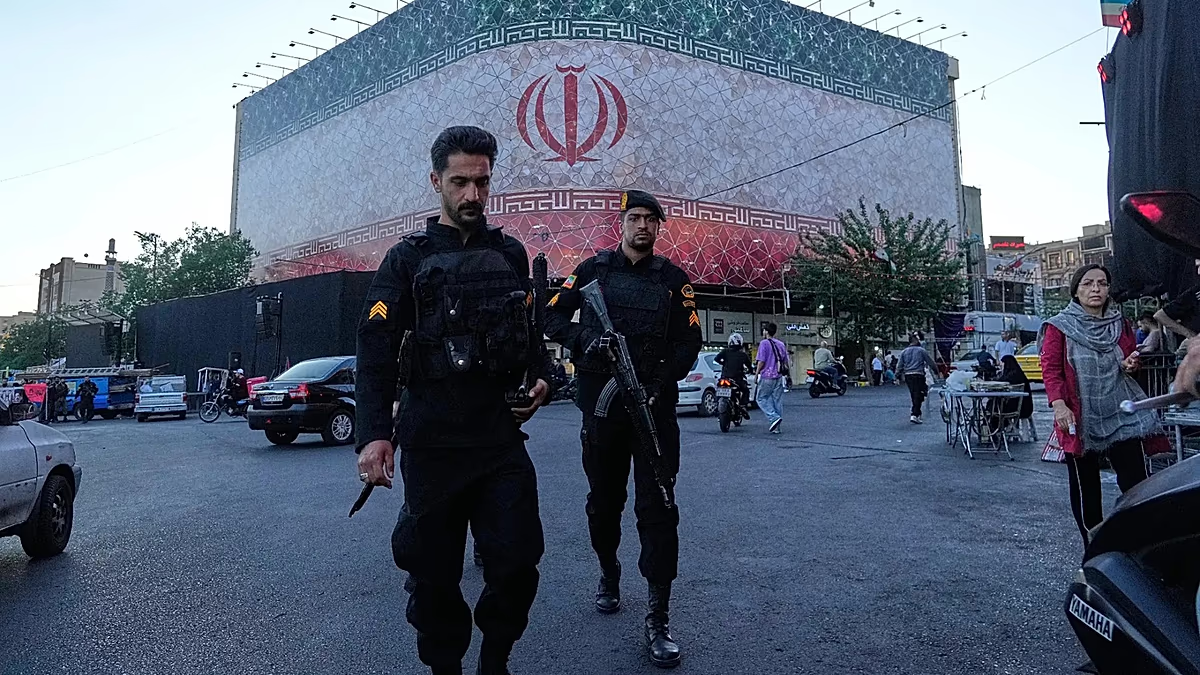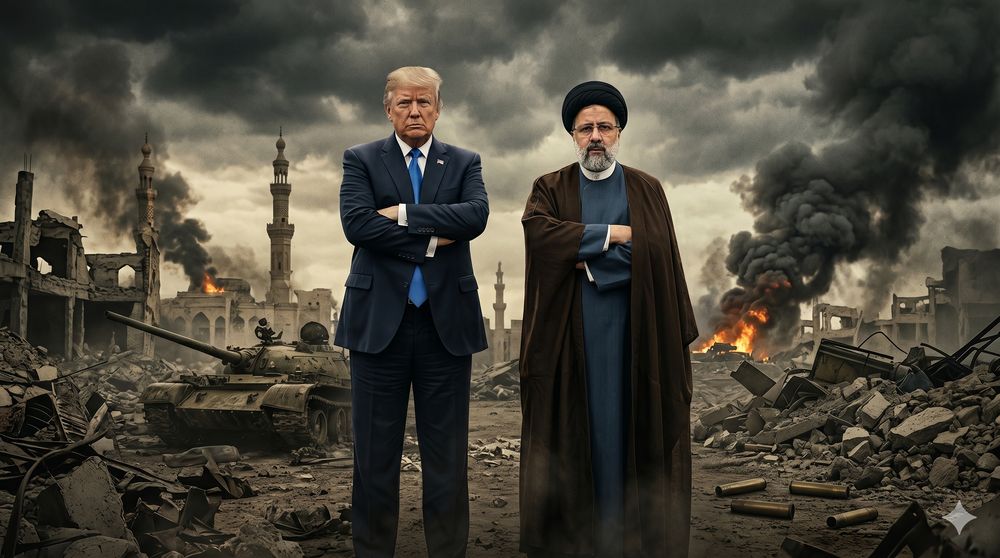
The framework peace deal agreed by the US and Iran marks the failure of the US-Israel attack launched 15 weeks ago to eliminate Iran as a significant political and military power in the Middle East. Instead, the war is ending with Iran in a stronger position politically, diplomatically and militarily than it was prior to the conflict that began on 28 February.
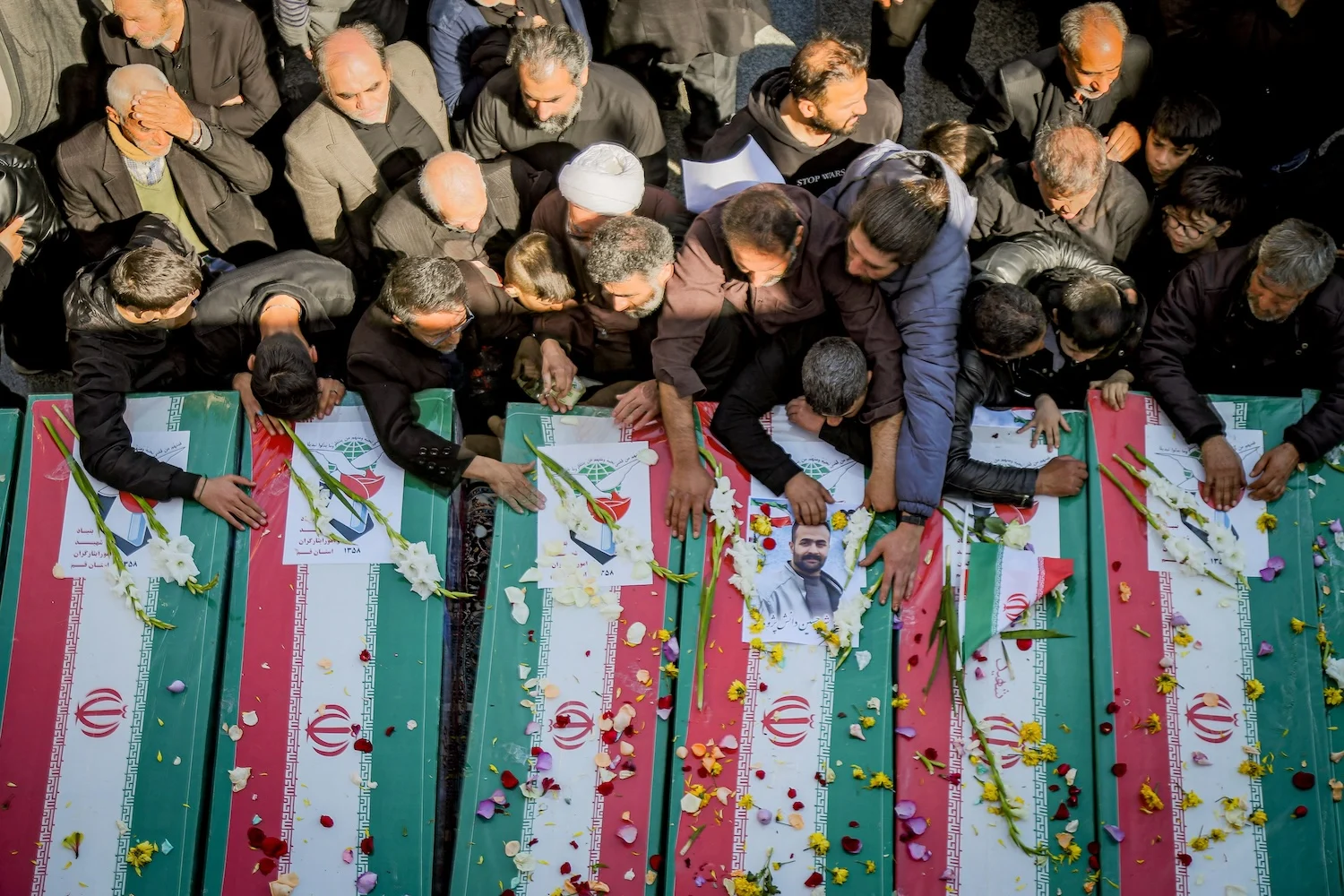
The US and Israel started their campaign with the objective of shifting the regional balance of power decisively in their favour, through regime change in Tehran and by eliminating Iran’s nuclear programme and missiles. Despite the assassination of its leaders, the regime has survived, gained control of the Strait of Hormuz and is still able to fire ballistic missiles and drones at Israel and the Arab oil states in the Gulf.
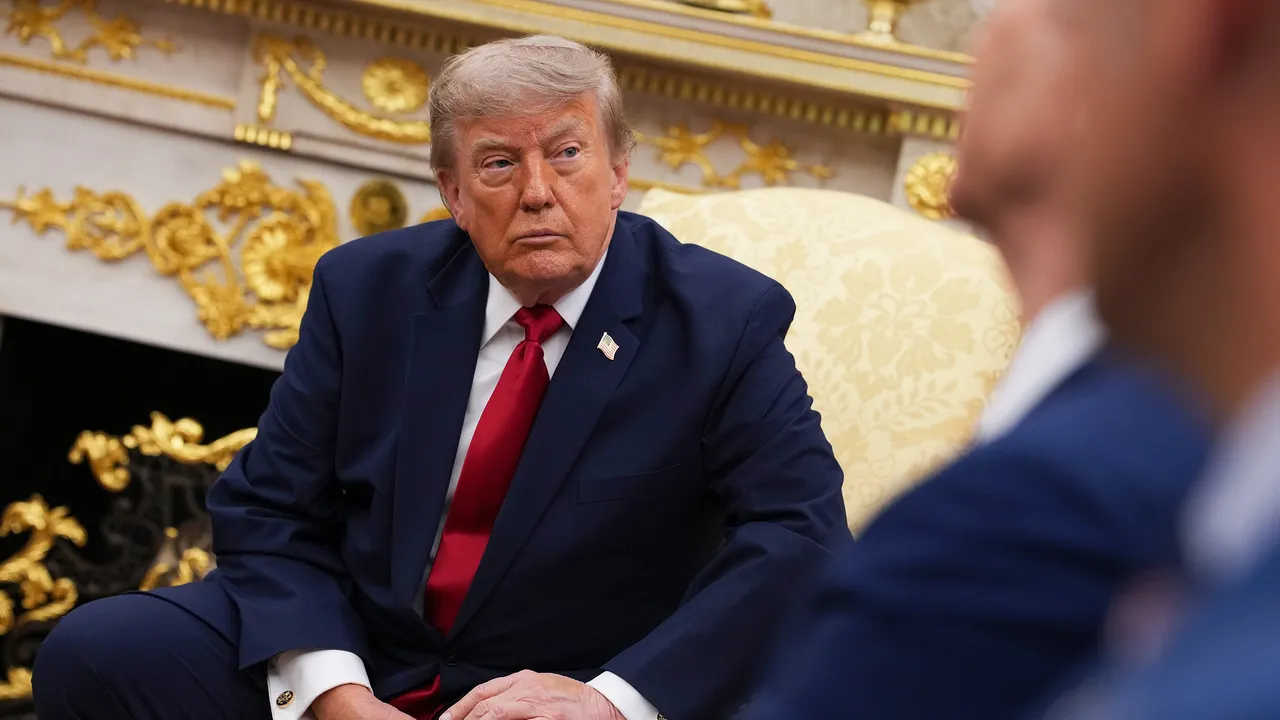
If the preset framework or memorandum of understanding (MOU) and subsequent negotiations go ahead as planned, Donald Trump will be accepting a reshaping of the Middle East in which US and Israeli influence is reduced. Arab oil states in the Gulf, which until recently were getting closer to Israel, are now busily seeking improved relations with Iran. In Lebanon, Israeli actions will be restricted by US pressure and the risk of Iranian missiles being fired at Israel.