Washington has put its Balkans policy on paper. Here’s what it really means.
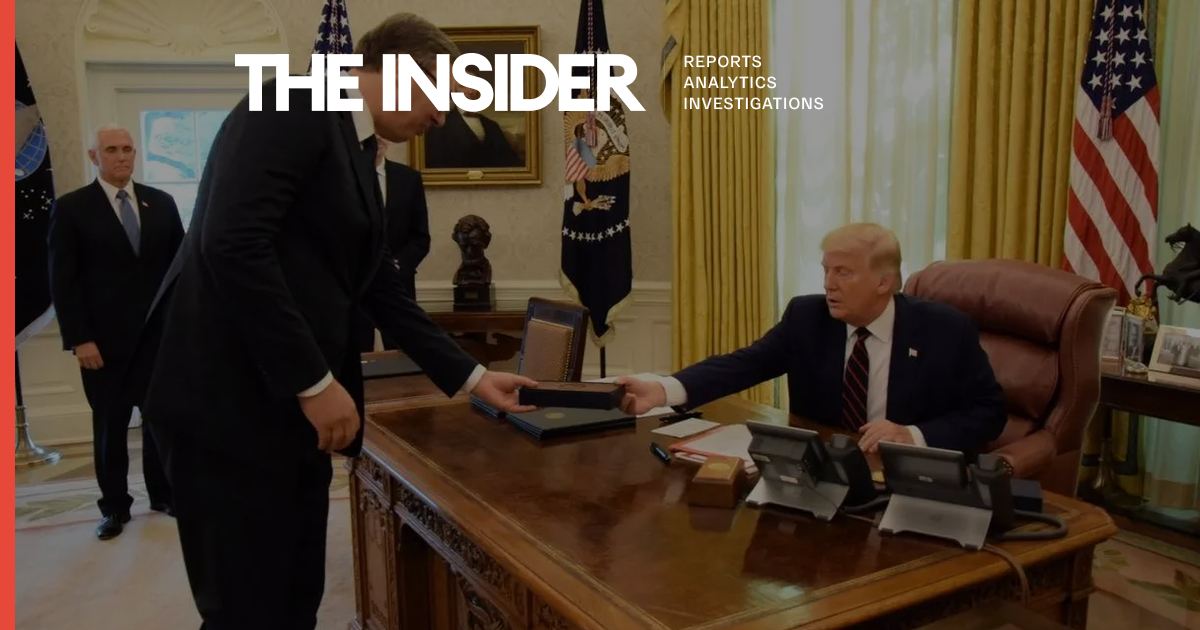
The Trump administration has released its State Department report on US policy toward the Western Balkans. Seven pages. No mention of democracy. No mention of EU integration. What it does contain is a clear, unapologetic signal: America’s engagement with the Balkans will from now on be driven by security, energy, and economic interests.
Four Atlantic Council experts join #BalkanDebrief host Ilva Tare to cut through the noise: Jörn Fleck, Senior Director of the Europe Center; Valbona Zeneli, Nonresident Senior Fellow; Maja Pišćević, Nonresident Senior Fellow; and Amanda Thorpe, Nonresident Senior Fellow.
What has actually changed:
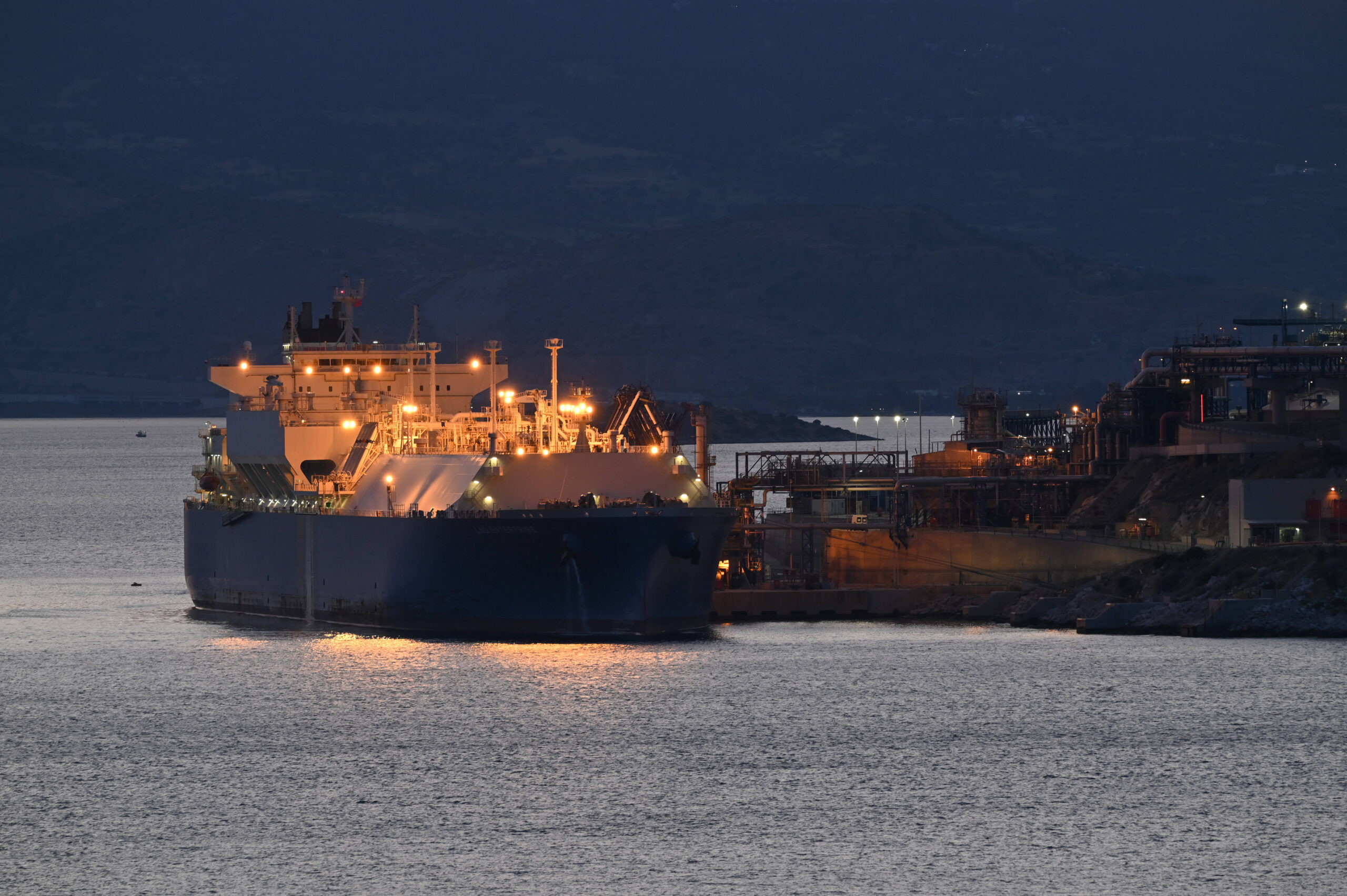
• The US has formally moved away from democracy-first, values-based engagement toward a harder, transactional doctrine.• Security cooperation and countering Russian and Chinese influence are now the primary lens through which Washington sees the region.• Economic partnerships, energy, infrastructure, LNG, and small modular reactors replace political conditionality as the currency of the relationship.• The EU is absent from the report entirely, raising questions about who anchors the region’s reform agenda going forward.