Throughout history, the Balkans have often been described as a geopolitical crossroads where regional and global powers compete for influence. Today, this volatile geography is no longer just a scenic transit corridor or a post-war reconstruction zone. It has become a strategic area where a new global map is being drawn. Especially within the context of the Western Balkans, a region rendered weak, fragile and easily manageable, the ongoing fierce struggles for identity are driven by the future projections of major global powers.
The Balkans hold immense military and commercial significance due to their Black Sea-Adriatic-Mediterranean transit corridors, as well as their natural environment and underground resources. Today, as whispers of a third world war echo across Europe and conflicts in the Middle East threaten to spill over into the Mediterranean, the Balkans find themselves at the very epicenter of multi-layered conflicts. The region is being reshaped by the maneuvers of global actors, spanning everything from intelligence warfare to demographic engineering and economic competition.
Albania attracts foreign interest
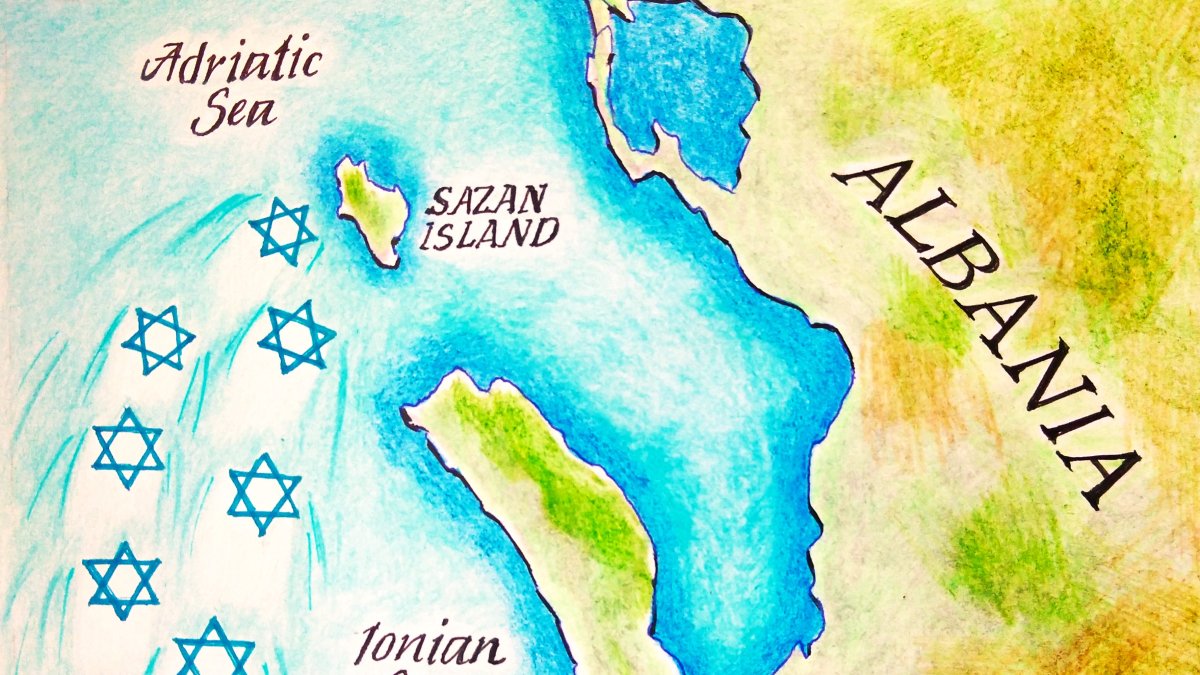
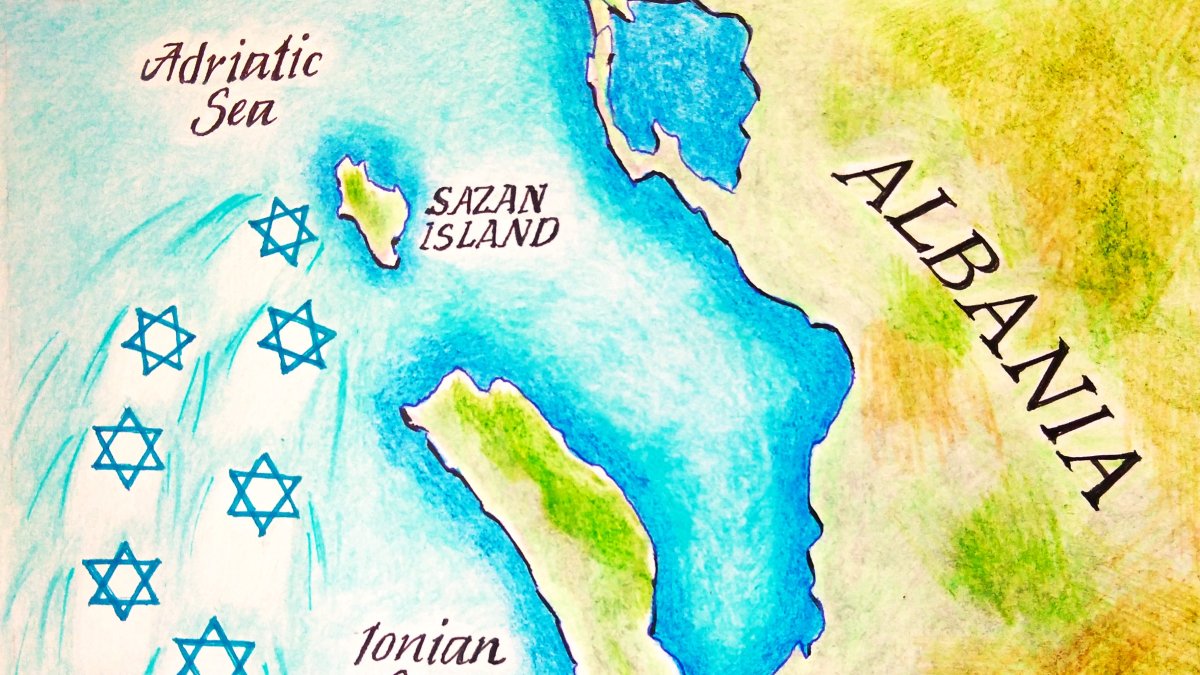
Recent mass protests erupting in Albania clearly demonstrated how global capital intersects with geopolitical anxieties. At the center of this unrest lies Sazan Island, located in western Albania. Prime Minister Edi Rama’s government recently passed legislative amendments to pave the way for a massive luxury tourism project to be managed by Affinity Partners, an investment firm owned by Jared Kushner, the son-in-law of U.S. President Donald Trump.