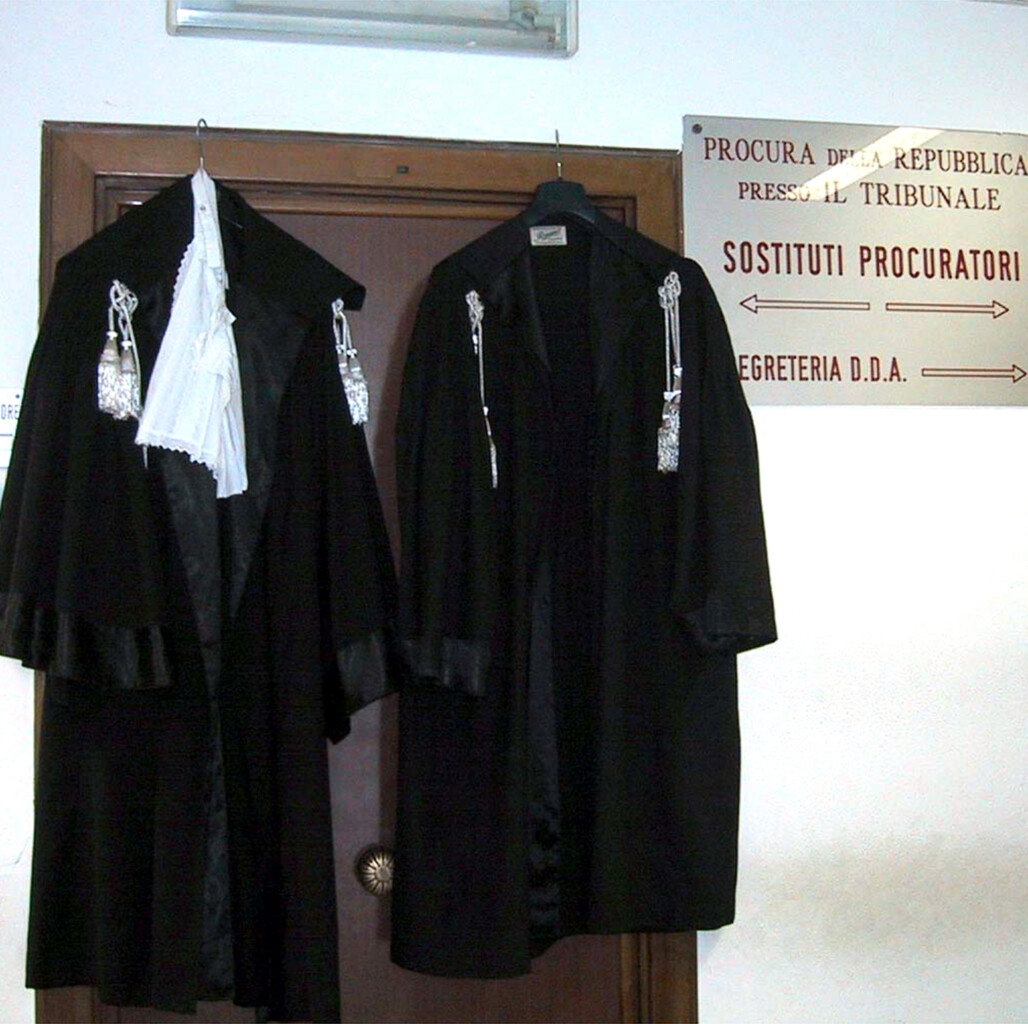
On Thursday (18 June), Italy’s Supreme Court will decide whether prosecutors can be criminally punished for exercising professional judgment in corruption cases.
The ruling, arising from the fallout of a Nigerian oil-field bribery trial, could fundamentally weaken anti-corruption enforcement in Italy, and send a dangerous signal internationally that prosecutors themselves may become targets when politically-sensitive corruption investigations fail.
At issue are recent Italian court rulings that criminalised two prosecutors for exercising their discretion within the rules that have been the bedrock of judicial independence, destroying prosecutorial independence and discretion as a central plank of Italian justice.
Trial prosecutors must prosecute without fear or favour — and until now, the rules have provided autonomy to prosecutors, enabling them to manage their cases, protected from criminal sanction where their decisions have been made in good faith.
Complex corruption cases frequently involve numerous, complex documents, and to handle these well, prosecutorial discretion is critical.